Cannabis and Pain Relief: Your Guide to Natural Comfort

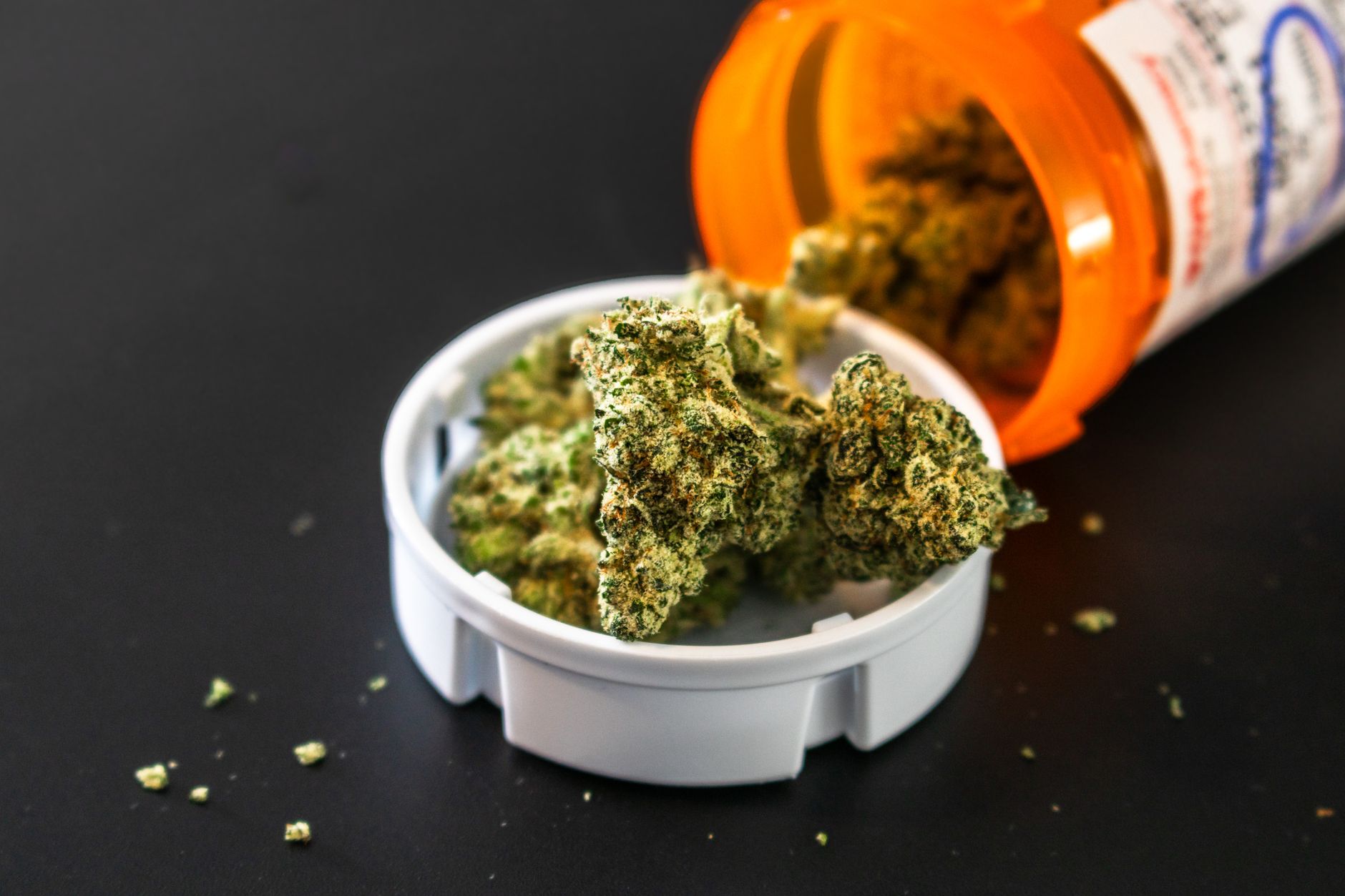
Close-up of medical cannabis spilling from an orange prescription bottle onto a surface.Photo: Terrance Barksdale / Pexels

Cannabis and Pain Relief: Your Guide to Natural Comfort

Unlock the potential of cannabis to manage discomfort and improve your quality of life, naturally and effectively.

Discover Your Relief

Key Takeaways

  • ✓ Cannabis contains cannabinoids like THC and CBD that interact with the body's endocannabinoid system to modulate pain.
  • ✓ Both THC and CBD have distinct mechanisms of action for pain relief, with CBD often preferred for non-psychoactive benefits.
  • ✓ Various consumption methods (edibles, oils, inhalation) offer different onset times and durations of effect.
  • ✓ Legal access to medical cannabis in Canada requires a healthcare practitioner's authorization.

How It Works

1
Understanding Your Pain

Before exploring cannabis, identify the type, intensity, and duration of your pain. This helps in selecting the most appropriate cannabis product and dosage.

2
Consulting a Healthcare Professional

Speak with a doctor or cannabis clinician to discuss your pain, medical history, and whether cannabis is a suitable treatment option for you. They can provide guidance on legal access and safe use.

3
Choosing the Right Product

Based on professional advice and your pain profile, select a cannabis product. Consider factors like THC:CBD ratio, consumption method (oils, edibles, flower), and desired effects.

4
Starting Low, Going Slow

Begin with a very low dose and gradually increase it until you find the minimum effective dose that provides relief with minimal side effects. Monitor your body's response carefully.

The Science Behind Cannabis for Pain Management
Close-up of medical cannabis spilling from an orange prescription bottle onto a surface.Photo: Terrance Barksdale / Pexels
The burgeoning interest in cannabis as a therapeutic agent, particularly for pain management, is rooted in its complex biochemical interaction with the human body. At the heart of this interaction is the endocannabinoid system (ECS), a sophisticated network of receptors, endocannabinoids, and enzymes found throughout the central and peripheral nervous systems, as well as in immune cells. The ECS plays a crucial role in regulating a wide array of physiological processes, including pain sensation, mood, appetite, memory, and inflammation. When we introduce cannabinoids from the cannabis plant, such as tetrahydrocannabinol (THC) and cannabidiol (CBD), they mimic the body's own endocannabinoids, binding to or influencing cannabinoid receptors (CB1 and CB2) and other non-cannabinoid receptors. THC, the primary psychoactive compound in cannabis, exerts its pain-relieving effects primarily by binding to CB1 receptors, which are abundant in the brain and central nervous system. This interaction can alter pain perception, reduce inflammation, and even modulate the emotional response to pain. Its analgesic properties are well-documented, particularly for neuropathic pain and spasticity. However, THC's psychoactive effects, such as euphoria or anxiety, mean that dosage and individual tolerance are critical considerations. For many, finding the right balance between therapeutic benefit and psychoactivity is key to successful pain management with THC. CBD, on the other hand, is non-psychoactive and has gained significant attention for its anti-inflammatory, analgesic, and anxiolytic properties. Unlike THC, CBD has a low affinity for CB1 and CB2 receptors. Instead, it influences the ECS indirectly, for example, by inhibiting the enzyme fatty acid amide hydrolase (FAAH), which breaks down anandamide, a natural endocannabinoid associated with pain regulation. By preserving anandamide, CBD can enhance the body's natural pain-fighting mechanisms. Additionally, CBD interacts with other non-cannabinoid receptors, such as serotonin receptors (5-HT1A), which can contribute to its anti-anxiety and antidepressant effects, often beneficial for individuals living with chronic pain. The synergistic relationship between THC and CBD, often referred to as the 'entourage effect,' suggests that these compounds, along with other minor cannabinoids and terpenes, work better together than in isolation, potentially offering broader therapeutic benefits and mitigating some of THC's unwanted side effects. Understanding these mechanisms is foundational to appreciating why cannabis is emerging as a powerful tool in the pain relief arsenal, offering a more holistic approach to managing various types of discomfort.

Navigating Cannabis Forms and Administration for Optimal Relief

A cannabis leaf with the word 'cannabis' spelled out in letter tiles on a beige background.Photo: Alesia Kozik / Pexels
The diverse array of cannabis products available today offers various ways to administer cannabinoids, each with its own advantages and considerations for pain relief. The choice of administration method significantly impacts the onset time, duration of effects, and bioavailability of the cannabinoids, making it crucial to select wisely based on your specific pain profile and lifestyle. Inhalation, typically through smoking or vaping dried flower, provides the most rapid onset of effects, often within minutes. This quick action makes it suitable for acute pain episodes or breakthrough pain, where immediate relief is paramount. However, the effects are also shorter-lived, usually lasting 2-4 hours. While vaping is generally considered less harmful than smoking, both methods involve inhaling substances into the lungs, which may not be suitable for individuals with respiratory sensitivities or conditions. Oral consumption, predominantly through edibles, capsules, or tinctures, offers a different experience. When cannabis is ingested, cannabinoids are metabolized by the liver, converting THC into 11-hydroxy-THC, a more potent and longer-lasting compound. This results in a delayed onset of effects, typically 30 minutes to 2 hours, but the relief can last much longer, often 6-8 hours or even more. This extended duration makes oral methods ideal for managing chronic, persistent pain throughout the day or night. The delayed onset, however, requires careful titration of dosage to avoid overconsumption. Tinctures, absorbed sublingually (under the tongue), offer a faster onset than edibles (15-45 minutes) because cannabinoids bypass first-pass liver metabolism, entering the bloodstream directly, while still providing a relatively long-lasting effect. Topical cannabis products, such as balms, creams, and lotions, are designed for localized pain relief. These products are applied directly to the skin and are non-psychoactive because cannabinoids do not typically enter the bloodstream in significant amounts. Instead, they interact with cannabinoid receptors in the skin and underlying muscle tissue, offering targeted relief for conditions like arthritis, muscle soreness, or localized inflammation. Topicals are an excellent option for those seeking pain relief without any systemic effects or psychoactivity. Furthermore, transdermal patches represent an advanced topical delivery system that allows cannabinoids to penetrate the skin and enter the bloodstream, offering systemic effects similar to oral consumption but with a more controlled, sustained release over many hours. This can be beneficial for consistent, long-term pain management without the need for frequent re-dosing. Each method has its place in a comprehensive pain management strategy, and individuals may find a combination of methods most effective for their unique needs.

You may also find Dildo vs vibrator vs rabbit useful.

Legal Landscape and Safe Usage in Canada for Pain Relief

A cannabis leaf with the word 'cannabis' spelled out in letter tiles on a beige background.Photo: Alesia Kozik / Pexels
In Canada, the legal framework surrounding cannabis for medical purposes has evolved significantly, providing a structured pathway for patients seeking pain relief. Under the Cannabis Act, individuals can access medical cannabis with authorization from a healthcare practitioner. This authorization is crucial as it allows patients to register with a licensed producer or register with Health Canada to grow their own limited amount of cannabis. The legal framework aims to ensure that patients have access to quality-controlled products while promoting responsible use. It's important for patients to understand that while recreational cannabis is legal for adults, medical authorization often provides access to specific strains, higher potencies, and sometimes lower pricing, tailored to therapeutic needs. Moreover, it offers legal protections regarding possession limits and methods of consumption that might differ from recreational regulations. Navigating this landscape requires consulting with a healthcare provider who is knowledgeable about cannabis and its applications for pain management, ensuring that the treatment plan aligns with both medical needs and legal requirements. Safe usage of cannabis for pain relief hinges on several key principles, beginning with proper dosage and product selection. The adage "start low, go slow" is particularly pertinent with cannabis. Begin with the lowest possible dose of THC, especially if you are new to cannabis or sensitive to its effects. Gradually increase the dosage over time, allowing your body to adjust and carefully observing its response. This titration process helps identify the minimum effective dose that provides relief without unwanted side effects. CBD-dominant products are often recommended for beginners or those sensitive to THC, as CBD can mitigate some of THC's psychoactive effects while still offering significant pain relief. It's also vital to be aware of potential interactions with other medications. Cannabis can interact with various pharmaceutical drugs, including blood thinners, sedatives, and antidepressants, altering their efficacy or increasing side effects. Always inform your prescribing doctor about your cannabis use to avoid adverse interactions. Furthermore, the method of consumption plays a critical role in safety. While inhalation offers rapid relief, it may not be suitable for individuals with respiratory conditions. Edibles and oils offer a smoke-free alternative but require patience due to their delayed onset and the potential for overconsumption if not dosed carefully. Storing cannabis products safely, out of reach of children and pets, is another non-negotiable aspect of responsible use. Be mindful of the potential for impairment, especially when using THC-containing products. Avoid driving or operating heavy machinery until you understand how cannabis affects you. Educating yourself on the specific cannabinoids and terpenes in your chosen product, understanding their potential effects, and sourcing products from licensed, reputable producers are all essential steps towards a safe and effective cannabis pain relief journey.

Common Mistakes and Expert Tips for Cannabis Pain Relief

Close-up of medical cannabis spilling from an orange prescription bottle onto a surface.Photo: Terrance Barksdale / Pexels
Embarking on a journey with cannabis for pain relief can be incredibly beneficial, but it's not without potential pitfalls. Many users, especially those new to medical cannabis, make common mistakes that can hinder their progress or lead to less-than-ideal experiences. One of the most frequent errors is improper dosing. Patients often start with too high a dose of THC, leading to unwanted psychoactive effects like anxiety or paranoia, which can deter them from further use. Another common mistake is inconsistent consumption. Cannabis works best for chronic pain when used consistently to maintain a therapeutic level of cannabinoids in the system, rather than as a sporadic, reactive treatment. Furthermore, many overlook the importance of the 'entourage effect,' focusing solely on THC or CBD content and ignoring the role of other cannabinoids and terpenes that can significantly enhance therapeutic outcomes. Lastly, neglecting to consult with a healthcare professional or a cannabis educator can lead to uninformed product choices and ineffective treatment strategies. Without expert guidance, patients might struggle to identify the right strain, ratio, or delivery method for their specific type of pain. To maximize the efficacy and safety of cannabis for pain relief, expert tips emphasize a methodical and informed approach. Firstly, always adhere to the "start low, go slow" principle. Begin with a very small dose, especially with THC, and gradually increase it over several days until you achieve the desired pain relief with minimal side effects. This personalized titration is crucial for finding your optimal therapeutic window. Secondly, consider a balanced approach to cannabinoids. While THC is a potent analgesic, CBD can modulate its psychoactive effects and offer its own anti-inflammatory and pain-relieving benefits. Many find a balanced THC:CBD ratio or even CBD-dominant products more effective for chronic pain management, especially during the day. Thirdly, experiment with different consumption methods. While edibles offer long-lasting relief for chronic pain, a vaporizer might be better for acute flare-ups. Topicals can provide localized relief without systemic effects. Understanding which method suits which pain scenario can significantly improve your experience. Fourthly, keep a detailed journal of your cannabis use. Document the product used (strain, THC/CBD content), dosage, consumption method, time of day, and the resulting effects on your pain levels and any side effects. This data is invaluable for fine-tuning your regimen and sharing with your healthcare provider. Fifthly, integrate cannabis into a holistic pain management plan. Cannabis should be viewed as one tool among many, complementing other therapies like physiotherapy, exercise, mindfulness, and a healthy diet. Finally, always source your cannabis from licensed and reputable dispensaries in Canada. This ensures product quality, safety, and accurate labeling, which are paramount for medical use. By avoiding common pitfalls and adopting these expert tips, individuals can harness the full potential of cannabis for effective and safe pain relief.

Comparison

FeatureCannabis (THC/CBD)OpioidsNSAIDs (e.g., Ibuprofen)
Mechanism of ActionInteracts with ECS to modulate pain perception, inflammationBinds to opioid receptors in brain/spinal cord, blocking pain signalsInhibits COX enzymes, reducing inflammation and pain
Addiction PotentialLow (THC), None (CBD)HighLow
Side EffectsDry mouth, dizziness, altered perception (THC); mild (CBD)Nausea, constipation, sedation, respiratory depressionStomach upset, kidney damage, increased heart attack risk
Psychoactive EffectsYes (THC), No (CBD)Yes (euphoria, sedation)No
Long-term Use RisksPotential for tolerance, dependence (THC); generally safe (CBD)Severe dependence, overdose, organ damageGastrointestinal bleeding, cardiovascular issues

What Our Readers Say

5 ★★★★★

"After years of struggling with chronic back pain, a high-CBD cannabis oil has been a game-changer. I finally get consistent sleep and can manage my daily activities without constant discomfort."

5 ★★★★★

"I was skeptical about cannabis and pain relief, but my doctor suggested a low-dose THC/CBD edible for my fibromyalgia. The relief is profound, and I experience far fewer flare-ups."

5 ★★★★★

"For my arthritis, topical cannabis cream works wonders. It targets the pain directly in my joints, reducing swelling and allowing me to move more freely without any psychoactive effects."

4 ★★★★☆

"Cannabis has definitely helped with my neuropathic pain, though finding the right balance of THC to avoid feeling too 'high' took some experimentation. It's not a miracle cure, but it significantly improves my quality of life."

5 ★★★★★

"As a chef, standing all day often led to severe foot pain. A cannabis tincture before bed helps me recover and reduces inflammation, allowing me to start each new day refreshed and pain-free."

Frequently Asked Questions

What is the best cannabis strain for pain relief?
There isn't a single 'best' strain, as effectiveness varies by individual and pain type. Generally, strains with a balanced THC:CBD ratio or high CBD content are recommended for broad pain relief. Indica-dominant strains are often favoured for their relaxing and sedative properties, which can aid pain-related sleep issues, while Sativa-dominant strains might be better for daytime use if you need to remain alert.
Can cannabis be addictive if used for pain?
While physical dependence can develop with regular, heavy THC use, the risk of addiction (Cannabis Use Disorder) is generally considered lower than with opioids. CBD is not considered addictive. Responsible use, starting with low doses, and consulting a healthcare professional can significantly mitigate these risks.
How do I get medical cannabis for pain relief in Canada?
In Canada, you need authorization from a healthcare practitioner (doctor or nurse practitioner) to access medical cannabis. They will assess your condition and, if appropriate, provide a medical document. With this document, you can register with a licensed producer to purchase cannabis products or register with Health Canada to grow your own.
Is cannabis for pain relief covered by insurance in Canada?
Currently, medical cannabis is not typically covered by provincial health plans in Canada. However, some private insurance plans, particularly employee benefit packages, have started offering partial coverage for medical cannabis. It's best to check with your specific insurance provider for details on your plan's coverage.
How does cannabis compare to traditional pain medications?
Cannabis offers a different mechanism of action compared to traditional pain medications like opioids or NSAIDs. It interacts with the endocannabinoid system to modulate pain, inflammation, and mood, often with fewer severe side effects and lower addiction potential than opioids. However, individual responses vary, and it's essential to discuss all treatment options with a healthcare provider.
Who should use cannabis and pain relief?
Cannabis for pain relief is often considered by individuals suffering from chronic pain conditions that haven't responded well to conventional treatments, or those seeking alternatives to medications with significant side effects. It's particularly explored for neuropathic pain, inflammatory pain, cancer-related pain, and conditions like fibromyalgia or multiple sclerosis. A doctor's assessment is crucial.
Are there any side effects or risks when using cannabis for pain?
Common side effects of THC include dry mouth, red eyes, dizziness, increased heart rate, and altered perception. High doses can lead to anxiety or paranoia. CBD is generally well-tolerated with mild side effects like fatigue or diarrhea. Long-term risks can include respiratory issues with smoking and potential for dependence with heavy THC use. It can also interact with other medications.
What does the future hold for cannabis and pain relief research?
Future research is focused on isolating specific cannabinoids and terpenes to understand their individual and synergistic effects on various pain types. There's significant interest in developing targeted cannabis-based medicines with fewer side effects, exploring optimal dosing strategies, and understanding long-term safety and efficacy across diverse patient populations. Personalized cannabis medicine is a growing area.

Embrace a path to natural comfort and discover how cannabis and pain relief can transform your well-being. Consult with a healthcare professional today to explore if medical cannabis is the right choice for your pain management journey.

Topics: cannabis and pain reliefmedical cannabis CanadaCBD for painTHC pain managementchronic pain cannabis
Leo List
Brampton weed
Adultwork