✓ California has the largest legal cannabis market in the world.
✓ Licensing is a two-tiered process: state and local.
✓ Equity programs exist to support disadvantaged individuals.
✓ Strict compliance and ongoing regulatory adherence are mandatory.
How It Works
1
Understand the Regulatory Landscape
Before embarking on the application process, it's crucial to grasp the intricate web of state and local regulations governing cannabis businesses in California. This foundational understanding will inform every subsequent decision and strategy you make.
2
Secure Local Approval First
California operates on a 'local first' principle. You must obtain local authorization from the city or county where your business will operate before you can apply for a state cannabis license. This involves navigating specific municipal ordinances and often public hearings.
3
Prepare Comprehensive Application Materials
The state application requires extensive documentation, including detailed business plans, operating procedures, financial disclosures, and environmental impact assessments. Meticulous preparation is key to avoiding delays or rejections.
4
Submit and Maintain Compliance
Once all materials are gathered, submit your application to the relevant state licensing authority. After approval, the journey continues with strict adherence to all operational, reporting, and safety regulations to maintain your cannabis business license California.
Navigating the Complexities of California Cannabis Licensing
Photo: RDNE Stock project / Pexels
California's journey to legalizing commercial cannabis has been a long and intricate one, resulting in a regulatory framework that is arguably the most complex in the nation. For aspiring entrepreneurs, understanding this landscape is not just beneficial, it's absolutely critical for securing a cannabis business license California. The state's approach is designed to balance public safety, environmental protection, and economic opportunity, leading to a multi-layered system of oversight. This complexity stems from Proposition 64, the Adult Use of Marijuana Act (AUMA), passed in 2016, which established the framework for recreational cannabis. Prior to AUMA, the state operated under a medical cannabis program, and the transition has involved harmonizing these two distinct regulatory philosophies. Consequently, applicants face a dual licensing requirement: approval from both local jurisdictions (city or county) and state agencies. Many hopeful business owners underestimate the time, resources, and expertise required to successfully navigate this two-tiered system. The local approval process varies dramatically from one municipality to another. Some cities have embraced cannabis commerce, creating clear permitting pathways, while others have enacted outright bans or highly restrictive ordinances. Identifying a cannabis-friendly jurisdiction is often the first major hurdle. This involves extensive research into local zoning laws, business permit requirements, and community sentiment. Furthermore, local jurisdictions often impose their own unique operational requirements, fees, and even social equity programs that must be considered before even approaching the state. The state-level licensing is overseen by several distinct agencies, each responsible for specific license types. The Department of Cannabis Control (DCC) is the primary agency, consolidating the functions previously held by the Bureau of Cannabis Control (BCC), CalCannabis Cultivation Licensing, and the Manufactured Cannabis Safety Branch (MCSB). This consolidation, effective July 2021, aimed to streamline the process, but the underlying regulatory requirements remain stringent. Applicants must demonstrate comprehensive plans for security, inventory tracking, quality control, environmental compliance, and worker safety. The application itself is not merely a formality; it's a rigorous examination of a business's operational integrity and commitment to compliance. Moreover, the regulatory landscape is not static. California's cannabis laws and regulations are continually evolving, with new rules and amendments being introduced regularly. Staying abreast of these changes is an ongoing challenge for licensees. This dynamic environment necessitates a proactive approach to compliance, often requiring legal counsel and regulatory consultants to ensure continuous adherence. The initial investment in understanding this regulatory labyrinth pays dividends by minimizing costly errors and expediting the path to securing and maintaining a cannabis business license California. Ignoring any facet of this intricate system can lead to significant delays, financial penalties, or even outright denial of a license, making meticulous preparation and informed decision-making paramount for success in California's competitive cannabis market.
Key State Agencies and License Types for Cannabis Operations
Photo: Cannafornia / Pexels
Understanding which state agencies govern which aspects of the cannabis industry is fundamental to successfully obtaining a cannabis business license California. As mentioned, the Department of Cannabis Control (DCC) is the primary umbrella agency responsible for issuing and regulating all commercial cannabis licenses in the state. However, within the DCC's purview, different divisions manage specific license types, reflecting the diverse segments of the cannabis supply chain. It's crucial for applicants to identify the exact license type(s) relevant to their proposed business activities. The main categories of state licenses include cultivation, manufacturing, distribution, retail (dispensary), testing laboratories, and microbusinesses. Each of these categories has further sub-categories and specific requirements. For instance, cultivation licenses are differentiated by canopy size (e.g., small, medium, large) and cultivation method (e.g., indoor, outdoor, mixed-light). Manufacturers are licensed based on the types of products they produce, such as edibles, concentrates, or topicals, and the solvents used in their processes. Retail licenses are perhaps the most sought-after, allowing businesses to sell cannabis and cannabis products directly to consumers. Distribution licenses act as the crucial link in the supply chain, moving products from cultivators and manufacturers to retailers and testing labs. Testing laboratories play a vital role in ensuring product safety and quality by performing mandatory tests for pesticides, heavy metals, potency, and contaminants. The microbusiness license is unique, allowing a single entity to engage in at least three different commercial cannabis activities, such as cultivation, manufacturing, and retail, all within one licensed premise. This option can be appealing for smaller operations seeking vertical integration. Beyond the DCC, other state agencies also play a supportive or oversight role. The California Department of Fish and Wildlife (CDFW) and the State Water Resources Control Board (SWRCB) are involved in environmental protection, particularly for cultivation operations, ensuring compliance with environmental impact regulations and water usage permits. The California Department of Food and Agriculture (CDFA), through its CalCannabis Cultivation Licensing division (now under DCC), still provides guidance on cultivation practices. The California Department of Public Health (CDPH), through its Manufactured Cannabis Safety Branch (MCSB, now under DCC), sets standards for the manufacturing of cannabis products, focusing on public health and safety. Navigating the specific requirements for each license type, including detailed standard operating procedures (SOPs), security plans, quality assurance protocols, and environmental impact reports, demands meticulous attention. Each application package must be robust and demonstrate a clear understanding of and commitment to regulatory compliance. The fees associated with each license type also vary significantly, ranging from application fees to annual renewal fees, which can be substantial. Understanding these financial commitments from the outset is essential for developing a sustainable business plan. Moreover, the state often prioritizes applicants who demonstrate social equity principles, aiming to reduce barriers to entry for individuals and communities disproportionately affected by past cannabis prohibition. Many jurisdictions offer specific pathways and support for social equity applicants, which can include reduced fees, technical assistance, and priority processing. Leveraging these programs can be a significant advantage for eligible applicants seeking a cannabis business license California.
The Indispensable Role of Local Approvals and Community Engagement
Photo: Erik Mclean / Pexels
While state licenses are non-negotiable, the foundation of securing a cannabis business license California unequivocally lies in obtaining local authorization. California's 'local control' mandate means that cities and counties have the ultimate say in whether commercial cannabis activities are permitted within their borders, and if so, under what specific conditions. This decentralization creates a patchwork of regulations across the state, making jurisdiction selection one of the most critical initial decisions for any aspiring cannabis entrepreneur. Some municipalities have fully embraced the industry, recognizing its potential for tax revenue and job creation, while others have maintained bans or adopted highly restrictive policies due to various local concerns. Before investing significant resources, a thorough assessment of potential operating locations is paramount. This involves researching local ordinances, attending city council or county board meetings, and engaging with planning departments to understand zoning restrictions, permit requirements, and any local caps on the number of licenses issued. Many cities operate on a merit-based system, often requiring comprehensive applications that include detailed business plans, community benefits agreements, security protocols, and environmental impact assessments. These local applications can be just as, if not more, rigorous than their state counterparts. They often involve public hearings where community members can voice their support or opposition, underscoring the importance of proactive community engagement. Building positive relationships with local stakeholders, including residents, neighborhood associations, and business improvement districts, can significantly influence the outcome of a local permit application. Demonstrating a commitment to being a responsible and contributing member of the community, through job creation, local sourcing, or philanthropic efforts, can be a powerful differentiator. Furthermore, many local jurisdictions have implemented their own social equity programs, designed to support individuals and communities disproportionately impacted by the War on Drugs. These programs can offer advantages such as priority processing, fee waivers, or technical assistance, making them invaluable for eligible applicants. Understanding and leveraging these local equity initiatives can streamline the path to obtaining a local permit. The local permitting process is often iterative, involving multiple rounds of review, revisions, and presentations. It can be time-consuming and require significant perseverance. Delays at the local level can directly impact the timeline for state license approval, as a valid local permit is a prerequisite for most state applications. Therefore, developing a robust strategy for local engagement, supported by a well-crafted local application and a clear understanding of municipal expectations, is not merely a formality but a strategic imperative for anyone seeking a cannabis business license California. Skipping or underestimating this critical first step can lead to insurmountable obstacles, rendering any state-level efforts futile.
Common Pitfalls and Expert Tips for Your Application Journey
Photo: Richard T / Pexels
Navigating the process to secure a cannabis business license California is fraught with potential pitfalls that can derail even the most promising ventures. Awareness of these common mistakes, coupled with expert tips, can significantly increase your chances of success. One of the most frequent errors is underestimating the time and financial commitment. The application process is lengthy, often taking months or even years, and involves substantial fees, legal costs, and consulting expenses. Many applicants fail to budget adequately for these extended timelines and unforeseen expenditures. Another major pitfall is a lack of thoroughness in documentation. Incomplete applications, missing information, or inconsistencies across various submitted documents are surefire ways to receive a denial or significant delays. Every detail, from ownership disclosures to security plans and environmental compliance, must be meticulously prepared and cross-referenced. A third common mistake is failing to secure local approval before pursuing state licensing. As California operates on a 'local first' principle, attempting to bypass or rush local permitting will invariably lead to rejection at the state level. Each city and county has its own unique set of rules, and a one-size-fits-all approach is doomed to fail. Furthermore, many applicants neglect ongoing compliance planning. Obtaining the license is just the beginning; maintaining it requires continuous adherence to evolving regulations, meticulous record-keeping, and proactive engagement with regulatory bodies. Failure to plan for this perpetual compliance can result in fines, suspensions, or even revocation of the license. Finally, underestimating the importance of a strong, experienced team is a critical error. The California cannabis market is highly competitive and regulated. Surrounding yourself with legal counsel specializing in cannabis law, regulatory consultants, experienced business operators, and financial experts can provide invaluable guidance and expertise throughout the entire process.
**Expert Tips for Success:**
* **Start Local Early:** Engage with your target jurisdiction's planning department and local government officials from day one. Understand their specific requirements, restrictions, and community expectations.
* **Build a Robust Business Plan:** Your plan should not only outline your business model but also detail your operational procedures, security protocols, financial projections, and social equity contributions. This document is a cornerstone of both local and state applications.
* **Seek Specialized Legal Counsel:** Cannabis law is a niche field. An attorney specializing in California cannabis regulations can help navigate complex legal requirements, draft compliant documents, and represent your interests.
* **Engage Regulatory Consultants:** These experts can guide you through the intricate application forms, ensure all necessary documentation is prepared correctly, and help you anticipate potential challenges.
* **Focus on Compliance from Day One:** Design your operations with compliance in mind. Implement strong Standard Operating Procedures (SOPs) for every aspect of your business, from cultivation to sales, ensuring they align with state and local regulations.
* **Network and Learn:** Attend industry conferences, join trade associations, and connect with other successful operators. The cannabis community is often willing to share insights and best practices.
* **Secure Funding Strategically:** Understand the high capital requirements and limited traditional financing options. Explore alternative funding sources and ensure you have sufficient capital to sustain operations through the licensing period and initial launch.
* **Prioritize Community Engagement:** Be a good neighbor. Address community concerns proactively, contribute positively to the local economy, and demonstrate a commitment to social responsibility. This can significantly bolster your local approval chances for your cannabis business license California.
Comparison
Feature
Best Option (Full Service)
Alternative 1 (DIY with Legal)
Alternative 2 (Consultant Only)
Cost
High
Medium
Medium-High
Time Savings
High
Moderate
High
Expert Guidance
Extensive
Limited to Legal
Extensive on Regs
Risk of Error
Low
Moderate
Low
Compliance Assurance
Comprehensive
Legal Review Only
Operational Focus
Local Navigation
✓
✗
✓
State Application Prep
✓
✓
✓
What Readers Say
★★★★★
"The guidance on securing my cannabis business license California was invaluable. They demystified the entire process, from local zoning to state applications, saving me countless hours and potential pitfalls."
Sarah J. · Los Angeles, CA
★★★★★
"After struggling with the initial local permit, this resource provided the clarity I needed. Their breakdown of state agency requirements was incredibly helpful and led directly to my license approval."
Mark D. · Oakland, CA
★★★★★
"I was overwhelmed by the sheer volume of paperwork for my manufacturing license. Thanks to the detailed step-by-step advice, I successfully obtained my cannabis business license California on the first attempt."
Elena R. · Sacramento, CA
★★★★★
"While the overall advice was excellent, I found some of the local specific information required additional research. However, the state-level guidance for my cultivation license was top-notch and highly accurate."
Kevin L. · San Francisco, CA
★★★★★
"As a social equity applicant, navigating the nuances was crucial. This guide highlighted key programs and resources that helped me secure my retail cannabis business license California with confidence."
Jessica T. · San Diego, CA
Frequently Asked Questions
What is the very first step to get a cannabis business license California?
The absolute first step is to identify a suitable location and secure local approval from the city or county where you intend to operate. California operates on a 'local first' principle, meaning you cannot obtain a state license without prior local authorization. Research local ordinances thoroughly before committing to a location.
Is the California cannabis licensing process too expensive for small businesses?
The costs associated with obtaining a cannabis business license California can be substantial, encompassing application fees, legal counsel, consulting services, and facility build-out. However, California has implemented social equity programs in many jurisdictions designed to reduce barriers for small businesses and individuals disproportionately impacted by past cannabis prohibition, potentially offering fee waivers or technical assistance.
How long does it typically take to get a cannabis business license in California?
The timeline varies significantly based on the license type, local jurisdiction, and completeness of your application. It can range from several months to over a year, or even longer, due to the two-tiered state and local approval process, public hearings, and potential rounds of document revisions. Patience and thorough preparation are key.
What are the main costs involved in applying for a cannabis business license California?
Key costs include non-refundable state application fees (which vary by license type), annual state licensing fees, local permit application fees, local annual operating fees, legal fees for counsel and document review, consulting fees for regulatory compliance and business planning, and significant capital for facility build-out, security, and operational expenses.
How does California's cannabis licensing compare to other states?
California's cannabis licensing is considered one of the most complex in the nation due to its unique two-tiered local and state approval system, the sheer number of license types, and its dynamic regulatory environment. While other states may have rigorous processes, California's decentralized local control adds an additional layer of variability and challenge not always present elsewhere.
Who should consider applying for a cannabis business license California?
Individuals and entities with substantial capital, a strong business plan, a deep understanding of regulatory compliance, and a long-term commitment to operating in a highly regulated industry should consider applying. Ideal candidates are those prepared for a rigorous application process and ongoing operational scrutiny.
What are the biggest risks associated with a cannabis business license California?
The biggest risks include regulatory changes, market saturation, high operational costs, potential for license denial or revocation due to non-compliance, and ongoing enforcement actions. Furthermore, federal illegality still poses banking and tax challenges, despite state-level legalization.
What future trends might impact cannabis business licensing in California?
Future trends could include further consolidation of state regulatory agencies, potential federal rescheduling or legalization impacting interstate commerce, increased focus on environmental sustainability, and continued evolution of social equity programs. The industry is dynamic, requiring licensees to remain adaptable and informed.
Embarking on the journey to secure a cannabis business license California is a significant undertaking, but with proper planning and expert guidance, your entrepreneurial vision can become a reality. Don't navigate this complex landscape alone; leverage comprehensive resources to ensure compliance and cultivate success in the Golden State's vibrant cannabis market.

 Photo: RDNE Stock project / Pexels
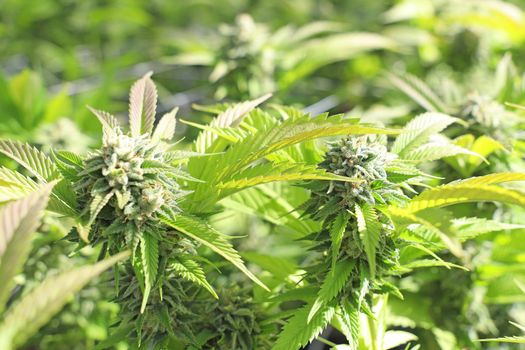 Photo: Cannafornia / Pexels
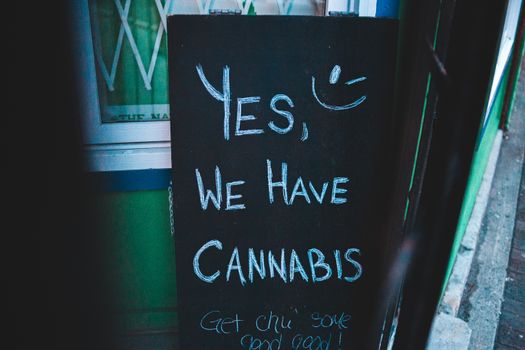 Photo: Erik Mclean / Pexels
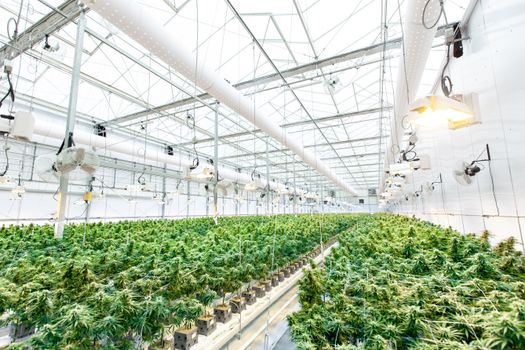 Photo: Richard T / Pexels