✓ Cannabis concentrates offer significantly higher cannabinoid potency than flower.
✓ Extraction methods dictate the concentrate's texture, purity, and terpene profile.
✓ Live resin and rosin are highly sought after for their rich terpene content.
✓ California's legal market ensures quality and safety standards for concentrates.
How It Works
1
Extraction
Cannabinoids and terpenes are separated from the cannabis plant material using solvents (e.g., butane, CO2) or solventless methods (e.g., heat and pressure).
2
Refinement
The raw extract undergoes further processing to remove residual solvents, fats, and waxes, and to achieve the desired consistency and purity.
3
Formulation
Depending on the desired end product, the concentrate may be whipped, cured, or pressed to create specific textures like shatter, wax, or live resin.
4
Consumption
Concentrates are typically consumed via dabbing, vaping, or incorporating them into edibles, offering a potent and efficient cannabis experience.
Understanding the Basics: What Are Cannabis Concentrates?
Photo: Jess Loiterton / Pexels
In the vibrant landscape of California's cannabis market, concentrates have emerged as a powerhouse category, offering unparalleled potency and a nuanced experience that goes beyond traditional flower. For those new to the scene, or even seasoned enthusiasts looking to deepen their knowledge, understanding the various cannabis concentrate types explained CA is crucial. Essentially, cannabis concentrates are highly potent forms of cannabis created by extracting the most desirable compounds—cannabinoids like THC and CBD, and terpenes—from the raw plant material. This process removes much of the excess plant matter, resulting in a product that is significantly more concentrated than dried flower, often boasting cannabinoid levels upwards of 70-90%.
The allure of concentrates lies in their efficiency and intensity. A smaller amount can deliver a more profound effect, making them a preferred choice for many medical patients seeking quick relief and recreational users desiring a potent experience. The extraction methods employed are diverse, ranging from solvent-based techniques using substances like butane, propane, or CO2, to solventless methods that rely on heat, pressure, or agitation. Each method, along with post-extraction processing, plays a critical role in determining the concentrate's final texture, purity, and flavor profile. From glassy shatters to gooey waxes and crystalline diamonds, the spectrum of concentrates is broad and fascinating. California, with its pioneering cannabis industry, leads the way in producing a vast array of high-quality concentrates, all subject to rigorous testing for potency, purity, and contaminants. This commitment to quality ensures that consumers have access to safe and effective products, further cementing concentrates' place as a cornerstone of the modern cannabis experience. Understanding these foundational aspects is the first step in navigating the exciting world of cannabis concentrates and discovering which type best suits your preferences and needs.
Solvent-Based Concentrates: Shatter, Wax, Crumble, and Live Resin
Photo: Terrance Barksdale / Pexels
The majority of cannabis concentrates on the market today are produced using solvent-based extraction methods. These techniques involve using a chemical solvent to strip cannabinoids and terpenes from the plant material. While the process requires careful handling and meticulous purging of residual solvents, it allows for high yields and potent products. Among the most popular solvent-based cannabis concentrate types explained CA are shatter, wax, crumble, and live resin.
**Shatter** is perhaps one of the most visually distinctive concentrates, known for its brittle, glass-like consistency. It's typically translucent and can range in color from light amber to darker gold. Shatter gets its name from its tendency to 'shatter' into pieces when handled. Its production often involves a specific purging process that minimizes agitation, maintaining its stable, glassy structure. While often associated with high purity, shatter's terpene content can sometimes be lower than other concentrates due to the nature of its processing, though high-quality shatters can still offer excellent flavor.
**Wax** encompasses a broader category of concentrates characterized by a softer, opaque, and sometimes sticky texture, resembling earwax. The varied textures within the 'wax' umbrella are largely due to different purging and whipping techniques. **Budder**, a type of wax, is typically very soft and creamy, often whipped to achieve its smooth consistency, which also helps to evenly distribute terpenes and cannabinoids. **Crumble** is another form of wax, distinguished by its drier, crumbly texture. This consistency is achieved through a specific vacuum purging process that removes moisture and solvents, leaving behind a product that easily breaks apart. Both budder and crumble are popular for their ease of handling and potent effects.
**Live Resin** stands out as a premium solvent-based concentrate, highly prized for its exceptional flavor and aroma. What sets live resin apart is that it's made from freshly harvested cannabis plants that are flash-frozen immediately after cutting, rather than being dried and cured. This cryogenic freezing preserves the plant's delicate terpene profile, which can be lost during the traditional drying process. The result is a concentrate that offers a more robust and authentic representation of the original plant's scent and taste, alongside high cannabinoid potency. Live resin can have various consistencies, from a saucy, somewhat liquid form with 'diamonds' (THCA crystals) to a more uniform, waxy texture, all depending on the specific strain and processing. Its rich terpene content contributes to a more nuanced and often more effective entourage effect, making it a favorite among connoisseurs in California.
Solventless Concentrates: Rosin, Hash, and Kief Explained
Photo: Kindel Media / Pexels
While solvent-based concentrates dominate a large portion of the market, there's a growing appreciation and demand for solventless cannabis concentrate types explained CA. These methods appeal to consumers seeking products made without the use of chemical solvents, often perceived as a 'cleaner' or more natural alternative. Solventless concentrates rely on physical separation techniques, such as heat, pressure, or water, to isolate the trichomes—the resin glands containing cannabinoids and terpenes—from the plant material. The resulting products are known for their purity and often a full-spectrum representation of the plant's profile.
**Rosin** is arguably the most popular and versatile solventless concentrate. It's produced by applying heat and pressure to cannabis flower, hash, or kief. This simple yet effective method physically squeezes out the cannabinoid and terpene-rich resin. The beauty of rosin lies in its purity; there are no residual solvents to worry about, making it a favorite for health-conscious consumers. Rosin can vary widely in consistency, from a sappy, almost liquid form (especially if pressed from fresh, uncured flower, often called 'live rosin') to a more solid, shatter-like texture, depending on the starting material, temperature, and pressure used during extraction. Live rosin, in particular, captures the vibrant terpene profile of the fresh plant, much like live resin, but without the use of solvents. This makes live rosin a top-tier product for those prioritizing flavor and a full-spectrum experience.
**Hash**, or hashish, is one of the oldest forms of cannabis concentrate, with roots tracing back centuries. Traditionally, hash is made by separating the trichomes from the cannabis plant through agitation or friction, then pressing them together into a solid block or ball. Modern hash production often involves 'ice water extraction' or 'bubble hash,' where plant material is agitated in ice water, causing the trichomes to freeze and break off. These trichomes are then filtered through progressively finer mesh bags, resulting in different grades of hash. Full-melt hash, for instance, is the highest grade, consisting almost entirely of pure trichome heads that melt completely when heated. Hash offers a rich, often earthy flavor and a potent effect, representing a classic approach to concentrates.
**Kief** is the simplest form of cannabis concentrate and often the starting point for other solventless products like rosin and hash. It refers to the accumulated resin glands (trichomes) that fall off the cannabis flower. When you grind cannabis, the fine, powdery substance that collects in the bottom chamber of your grinder is kief. It can be sprinkled on top of flower for added potency, pressed into hash, or used to make edibles. While not as refined as other concentrates, kief offers a noticeable boost in cannabinoid content and is a natural, easy way to enhance your cannabis experience. The solventless category continues to innovate, offering consumers in California an expanding range of pure, potent, and flavorful options.
Choosing Your Concentrate: Tips for California Consumers
Photo: Jess Loiterton / Pexels
Navigating the diverse world of cannabis concentrate types explained CA can be exciting but also a little overwhelming. With so many options, how do you choose the right one for you? Here are some key tips for California consumers to consider:
* **Consider Your Desired Experience:** Are you seeking maximum potency for quick relief, or a more nuanced experience driven by specific terpene profiles? If potency is paramount, look for high THC percentages in shatters, waxes, or diamonds. If flavor and entourage effect are your priority, live resin or live rosin will likely be your best bet.
* **Understand Consumption Methods:** Different concentrates lend themselves to different consumption methods. Shatter, wax, and crumble are excellent for dabbing. Vaping with a concentrate-specific vaporizer is also popular. Rosin and live resin are fantastic for both dabbing and specialized vape pens. Kief can be sprinkled on flower or used in edibles. Ensure your chosen concentrate is compatible with your preferred consumption device.
* **Check Lab Results (COA):** In California, all legal cannabis products, including concentrates, must undergo rigorous third-party lab testing. Always check the Certificate of Analysis (COA) for potency (THC, CBD, other cannabinoids), terpene profile, and, crucially, for the absence of pesticides, heavy metals, and residual solvents. This ensures both safety and informed purchasing.
* **Evaluate Terpene Profiles:** Terpenes are responsible for the aroma and flavor of cannabis, and they also contribute to the overall effects. If you're looking for specific effects (e.g., calming, uplifting), research terpene profiles. Concentrates like live resin and live rosin are celebrated for their rich and preserved terpene content.
* **Budget Considerations:** Concentrates vary significantly in price. Live resin and live rosin, due to their intricate production and high quality, tend to be more expensive. Shatter, wax, and crumble can offer more budget-friendly options while still delivering potent effects. Determine what you're willing to spend for your desired quality and experience.
* **Start Small:** Concentrates are very potent. If you're new to them, always start with a very small amount and wait to observe the effects before consuming more. This is especially true for dabbing, which delivers effects almost instantly.
* **Seek Reputable Dispensaries:** Purchase your concentrates from licensed California dispensaries. They are legally required to sell tested products and can provide expert guidance. Don't hesitate to ask budtenders for recommendations based on your preferences and experience level.
By keeping these tips in mind, California cannabis consumers can confidently explore the vast array of concentrates and find the perfect product to enhance their experience.
Comparison
Feature
Live Rosin (Premium)
Live Resin (Popular)
Shatter (Classic)
Crumble (Versatile)
Extraction Method
Solventless (Heat/Pressure)
Solvent-based (Butane/Propane)
Solvent-based (Butane)
Solvent-based (Butane)
Starting Material
Fresh-frozen flower/hash
Fresh-frozen flower
Cured flower
Cured flower
Terpene Profile
Exceptional, full spectrum
Excellent, preserved
Good, some loss
Good
Potency (THC %)
70-90%+
70-90%+
70-90%+
60-85%+
Consistency
Sap, batter, jam
Sauce, budder, sugar
Brittle, glass-like
Dry, crumbly
Ease of Handling
Medium to High
Medium
Medium (can shatter)
High
Flavor/Aroma
✓✓✓
✓✓✓
✓✓
✓✓
Purity (Solvent-free)
✓
✓ (if properly purged)
✓ (if properly purged)
✓ (if properly purged)
What Readers Say
★★★★★
"This guide on cannabis concentrate types explained CA was exactly what I needed! I've been dabbling but never really understood the difference between live resin and rosin. Now I feel confident making informed choices at my dispensary."
Sarah L. · Los Angeles, CA
★★★★★
"As a medical patient, potency and purity are critical. Learning about the solventless options like live rosin through this article really helped me dial in my pain management routine. Highly recommend for anyone in California!"
Mark D. · San Francisco, CA
★★★★★
"I used to just buy 'wax,' but after reading this, I tried a high-terpene live resin, and the flavor difference was incredible! My sessions are so much more enjoyable now, thanks to understanding the nuances of cannabis concentrate types explained CA."
Jessica R. · San Diego, CA
★★★★★
"Good overview, though I wish there was a bit more on specific brands available in CA. Still, it clarified a lot about shatter vs. crumble and helped me choose a new product that was exactly what I was looking for."
Ethan P. · Sacramento, CA
★★★★★
"The section on kief and hash was a great historical perspective. It's fascinating to see how far concentrate technology has come, yet the classic methods still hold their own. This guide really broadened my understanding of cannabis concentrate types explained CA."
Olivia M. · Oakland, CA
Frequently Asked Questions
What is the most potent cannabis concentrate type explained CA?
Generally, concentrates like THCA diamonds (often found in live resin 'sauce') or highly refined distillates tend to have the highest cannabinoid percentages, frequently exceeding 90% THC. However, 'potency' can also refer to the overall effect, where a rich terpene profile (as found in live resin or rosin) can create a more profound and nuanced experience through the entourage effect, even with slightly lower THC percentages.
Are cannabis concentrates safe to consume in California?
Yes, cannabis concentrates purchased from licensed dispensaries in California are subject to strict state regulations and mandatory third-party lab testing. This ensures they are free from harmful contaminants like pesticides, heavy metals, and residual solvents, making them safe for consumption when used as directed. Always verify products from licensed retailers.
How do I properly store cannabis concentrates to maintain quality?
To preserve the potency, flavor, and consistency of your cannabis concentrates, store them in airtight, non-stick containers (silicone or glass jars are ideal) in a cool, dark place. For long-term storage, refrigeration or freezing can significantly extend their shelf life, especially for terpene-rich products like live resin and rosin, which can degrade with heat and light.
Are cannabis concentrates more expensive than flower in California?
Per gram, concentrates are generally more expensive than cannabis flower due to their higher potency and the complex extraction processes involved. However, because concentrates are significantly more potent, a smaller amount is needed to achieve desired effects, which can make them a cost-effective option for some consumers in the long run. Prices vary widely based on type, quality, and brand.
What's the main difference between live resin and live rosin?
The primary difference lies in their extraction method. Live resin is a solvent-based concentrate, typically extracted using butane or propane from fresh-frozen cannabis. Live rosin, on the other hand, is a solventless concentrate, made by applying heat and pressure to fresh-frozen cannabis flower or bubble hash. Both are prized for preserving the plant's original terpene profile, but live rosin is preferred by those who wish to avoid any chemical solvents.
Who should consider using cannabis concentrate types explained CA?
Concentrates are ideal for experienced cannabis users seeking higher potency, faster onset of effects, or specific terpene-driven experiences. Medical patients often find them effective for rapid relief of symptoms due to their concentrated cannabinoid content. Novice users should approach concentrates with caution, starting with very small doses due to their intensity.
What are the potential risks of using cannabis concentrates?
The main risks associated with concentrates, particularly for new users, include overconsumption leading to anxiety, paranoia, or discomfort due to their high potency. Illegally produced concentrates may also contain harmful residual solvents or contaminants. Always purchase from licensed dispensaries in California to ensure product safety and purity. Responsible dosing is key.
What future trends are expected in cannabis concentrate types explained CA?
The California concentrate market is constantly evolving. Expect continued innovation in solventless methods, with a focus on 'full-spectrum' and 'live' products that capture the plant's entire cannabinoid and terpene profile. We'll likely see more nuanced formulations, minor cannabinoid-focused concentrates (like CBG or CBN), and advancements in consumption technology for better efficiency and flavor preservation.
Ready to explore the potent and flavorful world of cannabis concentrate types explained CA? Visit your local licensed California dispensary today and confidently choose the perfect concentrate to elevate your experience. Your journey into advanced cannabis consumption starts here.
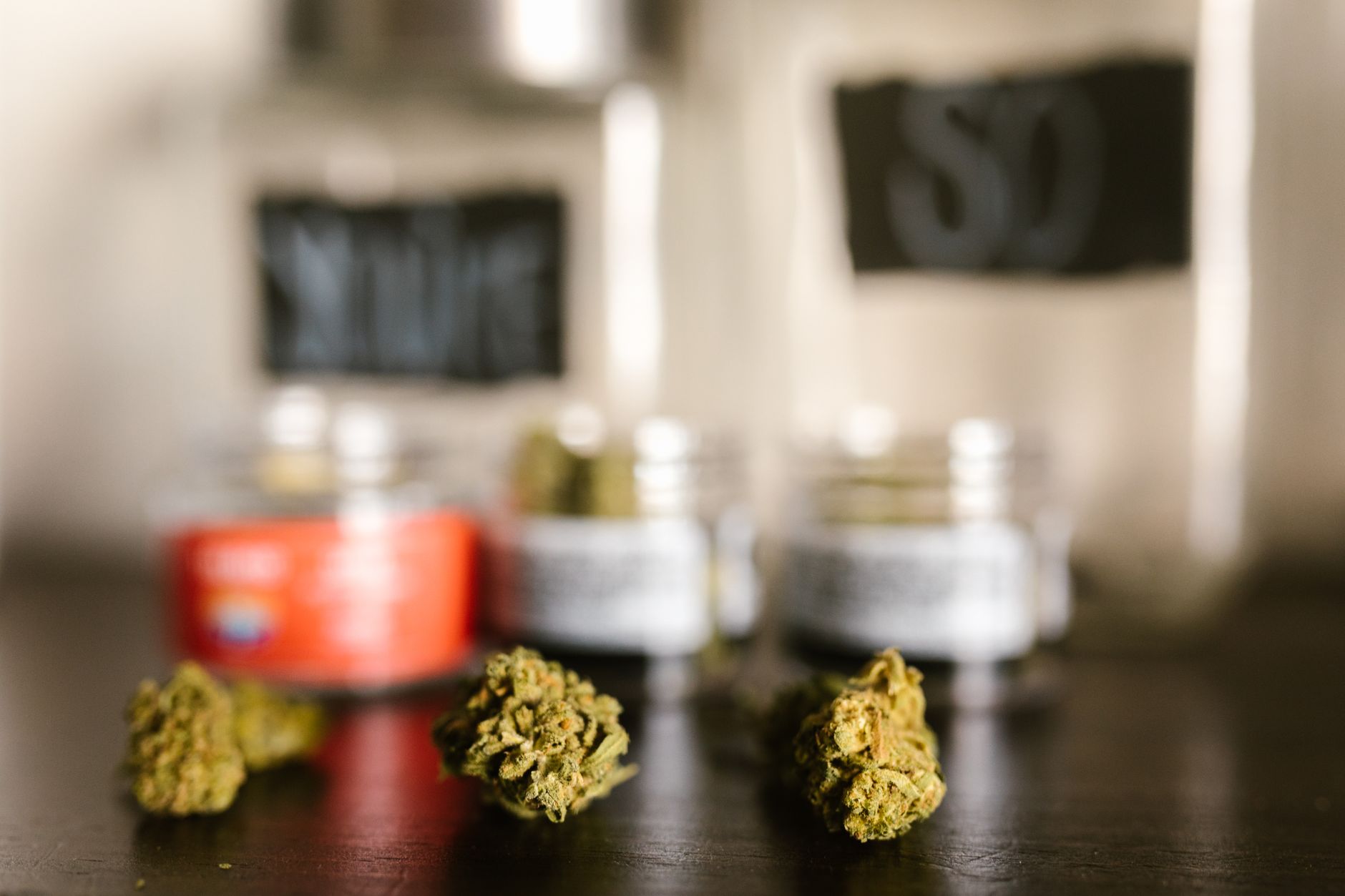
 Photo: Jess Loiterton / Pexels
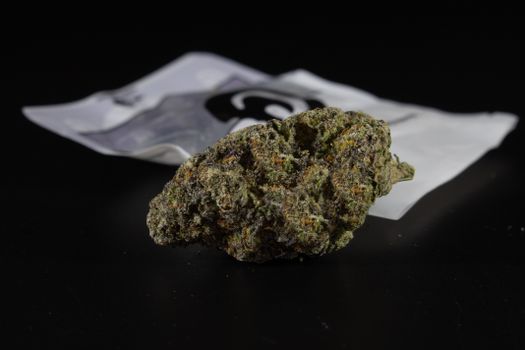 Photo: Terrance Barksdale / Pexels
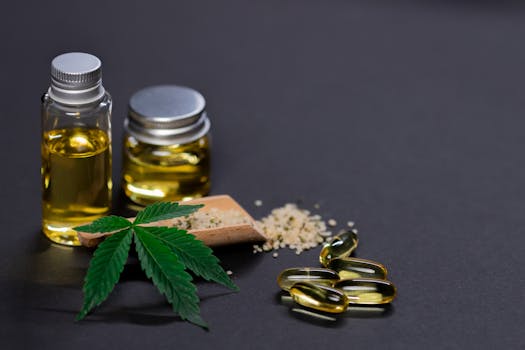 Photo: Kindel Media / Pexels