Cannabis Concentrates vs Flower CA: Your Ultimate Guide
June 26, 2026 16 min read 3,117 words
Unlock the nuances of cannabis flower and concentrates to make informed choices in the California market.
Explore Your Options
Understanding Cannabis Flower in California
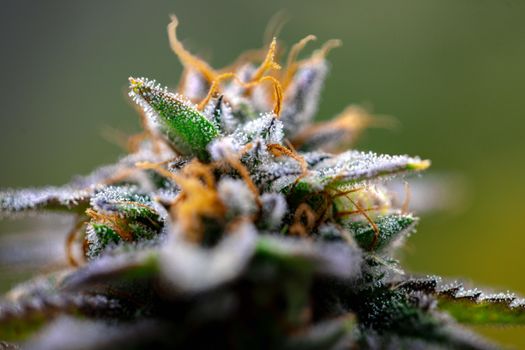 Photo: Diego Barros / Pexels
Cannabis flower, often simply called 'weed' or 'bud,' is the traditional and most widely recognized form of cannabis. It refers to the dried and cured buds of the cannabis plant, which contain the plant's active compounds, including cannabinoids like THC and CBD, and aromatic terpenes. In California, the legal adult-use and medical cannabis markets offer an astonishing array of flower strains, each with unique profiles and effects. Understanding the nuances of flower is crucial for any consumer in the Golden State, whether you're a seasoned enthusiast or new to the world of cannabis. The appeal of flower often lies in its holistic, 'full-spectrum' experience. When you consume cannabis flower, you're not just getting THC; you're also benefiting from the synergistic interaction of hundreds of other compounds, a phenomenon known as the 'entourage effect.' This intricate interplay of cannabinoids and terpenes is believed to modulate the overall effects, potentially leading to a more nuanced and balanced experience compared to isolated compounds. For instance, certain terpenes might enhance the sedative qualities of an indica strain, while others could contribute to the uplifting effects of a sativa. Consumers in California can choose from various strains categorized broadly as indica, sativa, or hybrid, though many modern strains exhibit complex genetic lineages that defy simple classification. The visual appeal, aroma, and texture of flower are also significant factors for many users. A well-cured bud will typically have a rich, pungent scent, vibrant colors, and a sticky, resinous feel, indicating a high concentration of trichomes – the tiny, crystal-like structures that produce cannabinoids and terpenes. The methods of consuming flower are diverse and familiar to many: smoking it in a pipe, bong, or joint, or vaporizing it using a dry herb vaporizer. Each method offers a slightly different onset time and intensity of effects. Smoking provides almost immediate effects as cannabinoids are rapidly absorbed into the bloodstream through the lungs. Vaporizing, while also quick-acting, is often considered a 'cleaner' method as it heats the cannabis to a temperature that vaporizes the active compounds without combusting the plant material, thus producing fewer harmful byproducts. The social aspect of sharing a joint or packing a bowl is also a cherished tradition for many cannabis users. Furthermore, the accessibility and relative affordability of flower make it a popular choice. In California, licensed dispensaries provide detailed information about each strain's cannabinoid and terpene profile, allowing consumers to make informed decisions based on their desired effects and personal preferences. While the THC content of flower typically ranges from 15% to 30%, it's important to remember that potency isn't the only metric of a quality cannabis experience. The overall cannabinoid and terpene profile, as well as the grower's cultivation and curing practices, contribute significantly to the final product. For those seeking a traditional, aromatic, and potentially more balanced cannabis experience, flower remains an unparalleled choice in the diverse California market. For more on the basics of cannabis, check out this
comprehensive guide to cannabis.
Exploring Cannabis Concentrates in the Golden State
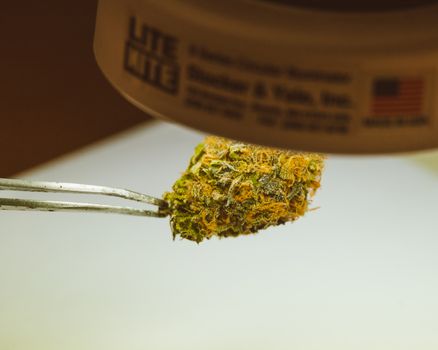 Photo: Jess Loiterton / Pexels
Cannabis concentrates represent a significant evolution in cannabis consumption, offering a potent and versatile alternative to traditional flower. As the name suggests, concentrates are products derived from the cannabis plant that have been processed to extract and concentrate the desirable compounds, primarily cannabinoids and terpenes, while removing much of the plant material. The result is a product with significantly higher potency, often ranging from 60% to over 90% THC, compared to flower's typical 15-30%. This heightened potency is a primary draw for many consumers, especially those seeking stronger effects for recreational enjoyment or profound therapeutic relief. The world of concentrates is vast and continually expanding, with various types distinguished by their extraction methods and resulting textures. Some of the most popular forms available in California include shatter (a brittle, glass-like substance), wax (a softer, crumbly texture), live resin (made from fresh, flash-frozen cannabis for enhanced terpene preservation), rosin (solventless concentrate produced with heat and pressure), and oils (often used in vape cartridges). Each type offers a unique sensory experience and consumption method. The extraction processes for concentrates can be broadly categorized into solvent-based and solventless methods. Solvent-based extractions, such as butane hash oil (BHO) or CO2 oil, utilize chemical solvents to strip cannabinoids and terpenes from the plant material. These processes require sophisticated equipment and expertise to ensure the removal of all residual solvents, making it crucial to purchase from reputable, licensed producers in California. Solventless concentrates, like rosin and traditional hash, rely on physical separation techniques, often involving ice water or heat and pressure, which many users prefer for their 'cleaner' profile. Consumption methods for concentrates are generally more specialized than for flower. Dabbing is a common technique, involving heating a 'nail' (a surface, often titanium or quartz) with a torch and then applying a small amount of concentrate to the hot surface, instantly vaporizing it for inhalation through a 'dab rig.' Concentrate vaporizers, often pen-style devices, offer a more portable and discreet option, heating the concentrate to produce vapor without combustion. Edible concentrates, such as distillate, are also used in a wide range of infused products. The rapid onset and intense effects of concentrates mean that new users or those with lower tolerances should start with very small doses. The experience can be significantly more overwhelming than smoking flower, and responsible consumption is paramount. For medical cannabis patients, concentrates can offer powerful relief from symptoms like chronic pain, severe nausea, or intractable spasms, where high doses of cannabinoids are beneficial. The discreet nature of some concentrate forms, especially vape pens, also appeals to users who prefer not to emit the strong odor associated with smoking flower. The California market for concentrates is highly innovative, with producers constantly developing new products and refining extraction techniques. This means consumers have access to an ever-evolving selection of high-quality, lab-tested concentrates, provided they purchase from licensed dispensaries that adhere to strict state regulations. Understanding the different types, their potencies, and appropriate consumption methods is key to navigating this exciting segment of the cannabis industry. To learn more about specific cannabis products, consider exploring resources on
different forms of cannabis.
Potency, Experience, and Consumption Methods Compared
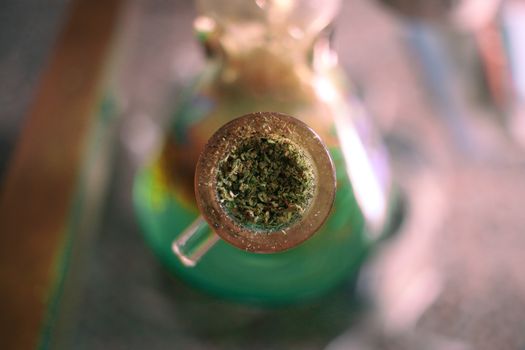 Photo: Laura Alessia / Pexels
When comparing cannabis flower and concentrates in California, three critical factors stand out: potency, the overall experience they deliver, and their respective consumption methods. These distinctions are fundamental in helping consumers make informed choices tailored to their preferences and desired outcomes. Let's delve deeper into each of these areas.
**Potency:** The most striking difference between flower and concentrates is their cannabinoid concentration, particularly THC. Cannabis flower typically contains between 15% and 30% THC, with some rare strains occasionally exceeding this range. This level of potency is suitable for most users, providing a manageable and often predictable experience. Concentrates, on the other hand, boast significantly higher THC levels, frequently ranging from 60% to over 90%. This extreme potency means that a much smaller amount of concentrate is needed to achieve desired effects, and the onset can be much more rapid and intense. For new users, or those with low tolerance, starting with flower is almost always recommended to avoid overconsumption and potential discomfort from the powerful effects of concentrates. Even experienced users often find that concentrates require a more cautious approach to dosing.
**Experience:** The 'experience' encompasses more than just potency; it includes the onset, duration, and overall qualitative effects. Flower, with its lower THC and broader spectrum of cannabinoids and terpenes, often provides a more nuanced and 'rounded' high. The entourage effect, where various compounds work synergistically, is often more pronounced with flower, potentially leading to a more balanced and less overwhelming sensation. The effects of smoking or vaping flower typically set in within minutes and can last for 1-3 hours, depending on the individual and strain. Concentrates, due to their high potency and rapid absorption (especially via dabbing), can deliver an almost instantaneous and intensely powerful experience. The effects can be profoundly cerebral or deeply sedative, depending on the concentrate's profile, and may last for 2-4 hours or even longer. While this intensity is sought after by many for strong recreational effects or significant therapeutic relief, it can also be overwhelming for others. The lack of certain plant compounds in some concentrates might also lead to a different qualitative experience compared to the full spectrum of flower.
**Consumption Methods:** The way you consume flower versus concentrates also differs considerably and impacts the overall experience. Flower is most commonly smoked in joints, pipes, or bongs, or vaporized using dry herb vaporizers. These methods are relatively simple, require minimal specialized equipment, and are widely understood. The ritual of grinding flower, rolling a joint, or packing a bowl is part of the experience for many users. Concentrates, however, typically require more specialized equipment and techniques. Dabbing, using a dab rig and a torch, involves precise heating and immediate inhalation of vapor. While effective, it has a steeper learning curve and can be intimidating for novices. Concentrate vape pens offer a more discreet and convenient option, but still differ significantly from smoking flower. The choice of consumption method often comes down to convenience, discretion, and the desired intensity of effects. For example, a quick, potent hit from a vape pen might be ideal for a discreet session, while a leisurely joint might suit a social setting. In California, understanding these distinctions is vital for navigating the vast cannabis market. Whether you prioritize the traditional, full-bodied experience of flower or the potent, efficient delivery of concentrates, the state's diverse offerings ensure there's a product suitable for every preference. Responsible consumption, regardless of your choice, always begins with knowing your product and your limits. For more insights into responsible consumption, explore this
guide on safe cannabis practices.
Choosing Your Ideal Cannabis Product in CA: Tips and Considerations
Navigating the rich and varied cannabis landscape in California can be an exciting journey, but also a potentially overwhelming one given the sheer number of options. When deciding between cannabis flower and concentrates, several key considerations can help guide your choice and ensure a satisfying experience. Here are some tips and common mistakes to avoid:
**Tips for Choosing:**
* **Assess Your Tolerance and Experience Level:** If you're new to cannabis or have a low tolerance, always start with flower. Its lower potency provides a more controllable and gentle introduction to cannabis effects. Concentrates are generally better suited for experienced users who understand their limits and how different potencies affect them.
* **Define Your Desired Effects:** Are you looking for mild relaxation, targeted pain relief, intense euphoria, or something else? Flower often provides a more balanced, full-spectrum high due to the entourage effect, while concentrates deliver a more pronounced, potent impact that can be highly effective for specific needs like severe chronic pain.
* **Consider Consumption Method Preference:** Do you prefer the traditional ritual of smoking or vaping flower, or are you open to investing in specialized equipment like a dab rig or concentrate vaporizer? Convenience and discretion are also factors; vape pens are often more discreet than smoking flower.
* **Evaluate Your Budget:** While concentrates can be more expensive per gram, their high potency means you often use less product, potentially balancing out the cost over time. Flower can be more budget-friendly for occasional use, but prices vary widely based on strain and quality.
* **Prioritize Lab Testing and Licensed Dispensaries:** In California, always purchase from licensed dispensaries. These establishments sell products that have undergone rigorous lab testing for potency, pesticides, heavy metals, and residual solvents. This ensures safety and accurate labeling, regardless of whether you choose flower or concentrates.
* **Talk to Budtenders:** Don't hesitate to ask questions at your local dispensary. Experienced budtenders can offer personalized recommendations based on your preferences, past experiences, and desired outcomes.
**Common Mistakes to Avoid:**
* **Starting with Concentrates as a Beginner:** This is perhaps the most common and potentially uncomfortable mistake. The high potency can lead to anxiety, paranoia, or an overwhelming experience, deterring new users from exploring cannabis further.
* **Ignoring Terpene Profiles:** While THC and CBD content are important, terpenes play a crucial role in the 'entourage effect' and can significantly influence the type of high you experience. Don't just look at THC percentages; ask about or research the terpene profiles of strains or concentrates.
* **Overdosing on Concentrates:** Even experienced users can misjudge a dab. Always start with a very small amount (a 'rice grain' sized dab) and wait to assess the effects before consuming more. It's much easier to add more than to take away too much.
* **Not Researching Consumption Equipment:** If you're new to concentrates, understand that a dab rig requires specific accessories and a torch. Don't assume you can use concentrates with your existing flower consumption devices.
* **Buying from Unlicensed Sources:** This is a major safety risk. Illegally produced concentrates may contain harmful residual solvents or pesticides. Always stick to licensed California dispensaries for your safety and to ensure product quality.
