Mastering Cannabis Cultivation California: Your Ultimate Guide
August 20, 2026 14 min read 2,771 words
Navigate California's unique cannabis landscape to achieve optimal yields and compliance with expert-backed strategies.
Start Growing Now
Navigating California's Cannabis Cultivation Regulatory Landscape
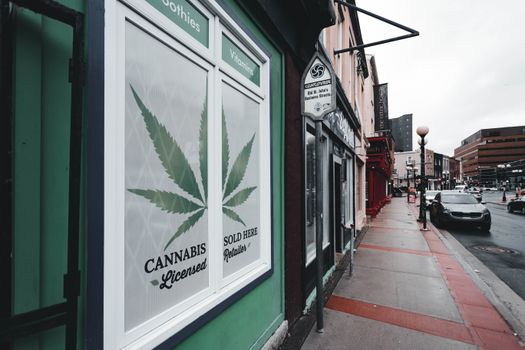 Photo: Erik Mclean / Pexels
California's journey into legal cannabis cultivation has been a pioneering, yet complex, endeavor. The state, a global leader in cannabis production, operates under a dual licensing system, requiring both a state license from the Department of Cannabis Control (DCC) and a local permit from the city or county where cultivation takes place. This intricate framework is designed to ensure public safety, environmental protection, and a regulated marketplace, but it also presents significant hurdles for new and existing cultivators. Understanding the nuances of these regulations is the foundational step for anyone considering cannabis cultivation in California.
State licenses are categorized by cultivation type (e.g., outdoor, indoor, mixed-light), canopy size, and specialty. For instance, a small outdoor cultivator might apply for a 'Type 1A' license, while a large indoor facility would seek a 'Type 3' or 'Type 4' license. Each license type comes with specific requirements regarding environmental impact, water usage, security, and quality control. Beyond the initial application, cultivators must demonstrate ongoing compliance, including detailed record-keeping, seed-to-sale tracking through the California Cannabis Track-and-Trace (CCTT) system, and adherence to strict pesticide and testing protocols. Failure to comply can result in hefty fines, license suspension, or even revocation, underscoring the importance of meticulous attention to detail.
Local regulations add another layer of complexity. California's 58 counties and hundreds of cities each have the authority to establish their own ordinances regarding cannabis businesses, including outright bans in some areas. Where cultivation is permitted, local jurisdictions often impose additional zoning requirements, setback rules, odor control measures, and cultivation taxes. For example, some counties might restrict outdoor grows to specific agricultural zones, while others might only allow indoor operations. Aspiring cultivators must conduct thorough due diligence at the local level, engaging with city planners and county officials early in the process. This decentralized approach means that a successful cultivation strategy in Humboldt County might be entirely different from one in Santa Barbara or Los Angeles. The regulatory landscape is also dynamic, with new rules and amendments frequently introduced, necessitating continuous monitoring and adaptation. Staying informed through industry associations and legal counsel is paramount for sustainable operation in this highly regulated environment. For more insights into the broader industry, explore
the world of cannabis.
Environmental regulations are a significant focus in California, particularly concerning water use and runoff, given the state's frequent droughts and commitment to ecological preservation. Cultivators are often required to implement strict water conservation plans, manage waste responsibly, and prevent environmental contamination. This includes proper disposal of nutrient-rich wastewater, managing light pollution from mixed-light operations, and protecting wildlife habitats. The stringent environmental standards reflect California's progressive stance on sustainability and aim to mitigate the ecological footprint of large-scale cannabis farming. These regulations, while challenging, also foster innovation in sustainable cultivation practices, pushing the industry towards more eco-friendly methods.
Optimizing Your Grow: Cultivation Techniques for California Climates
California's diverse microclimates offer unique opportunities and challenges for cannabis cultivators, making the choice of cultivation technique critical for success. From the foggy coastal regions to the arid inland valleys, understanding how to leverage or mitigate environmental factors is key to producing high-quality yields. The three primary methods – outdoor, indoor, and mixed-light – each have distinct advantages and require tailored approaches to thrive in the Golden State.
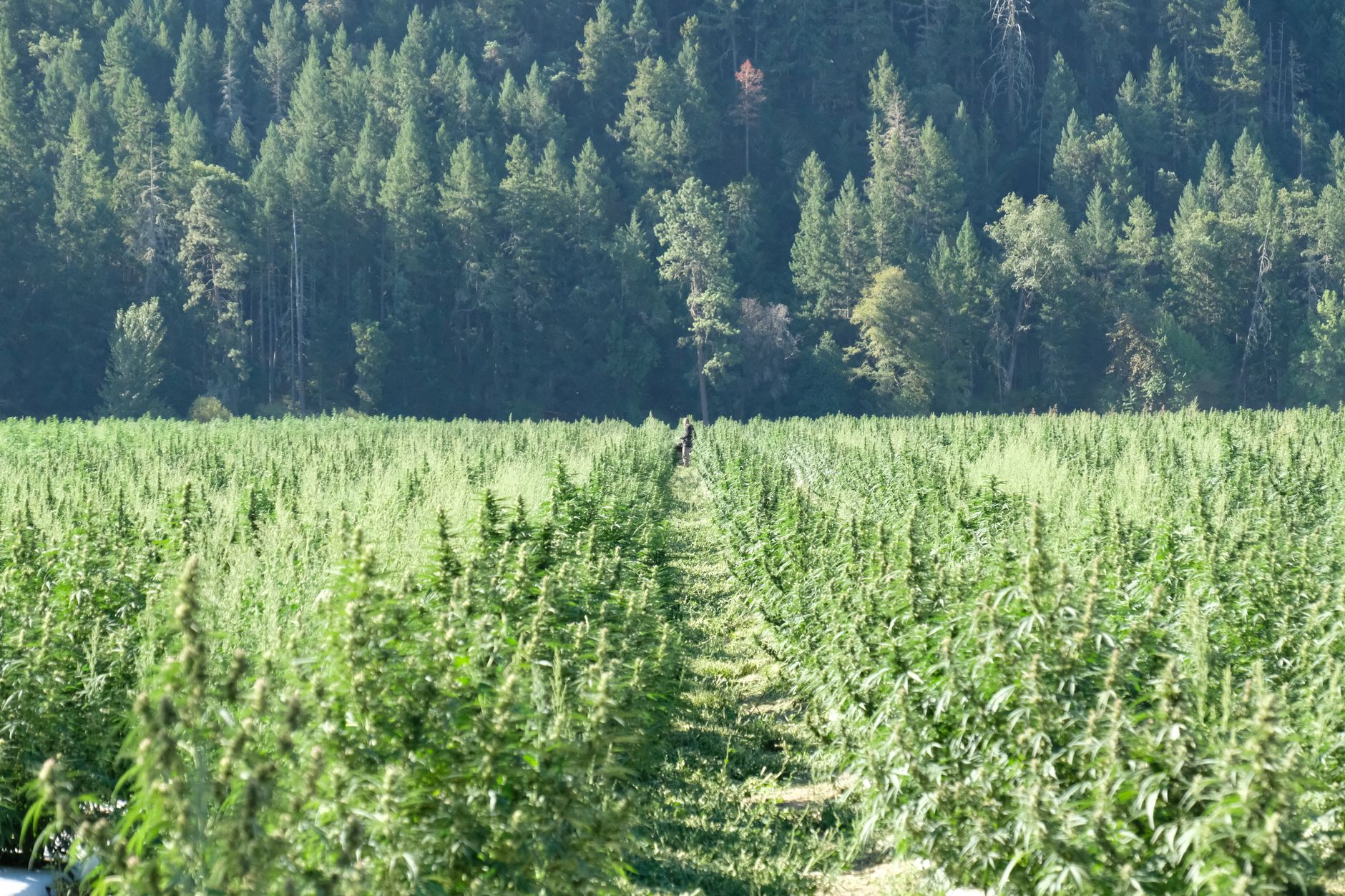
Outdoor cultivation, historically dominant in California, benefits from abundant sunshine and natural air circulation, significantly reducing energy costs. Regions like the Emerald Triangle (Humboldt, Mendocino, and Trinity counties) are famous for their outdoor operations, where plants can grow to impressive sizes, producing large yields. However, outdoor growing is highly susceptible to weather fluctuations, pests, diseases, and light pollution, all of which can impact crop quality and yield. Cultivators must employ robust integrated pest management (IPM) strategies, select genetics well-suited to the local climate, and implement effective water management systems. Strategies such as companion planting, beneficial insects, and organic soil amendments are crucial for maintaining plant health and resilience against environmental stressors. The long growing season in many parts of California allows for generous harvest windows, but careful planning is required to avoid late-season rains or early frosts.
Indoor cultivation offers unparalleled control over environmental variables, allowing cultivators to precisely manage temperature, humidity, CO2 levels, and light cycles. This method is ideal for producing high-potency, consistent quality cannabis year-round, regardless of external weather conditions. It also provides superior security and discretion, which can be advantageous in urban or semi-urban settings. However, indoor grows are energy-intensive, requiring significant investments in HVAC systems, lighting (LEDs or HPS), and dehumidifiers. The high operational costs necessitate efficient systems and optimized grow strategies to ensure profitability. Advanced techniques like hydroponics, aeroponics, and deep water culture (DWC) are often employed in indoor setups to maximize growth rates and yields, further enhancing control over nutrient delivery and root health. The controlled environment also allows for precise genetic expression, leading to a more predictable and consistent final product. For those looking to dive deeper into the science of growing, understanding
cannabis plant anatomy is essential.
Mixed-light cultivation, often referred to as greenhouse growing, combines the benefits of natural sunlight with supplemental artificial lighting. This hybrid approach capitalizes on free sunlight while providing the ability to extend day length, control light intensity, and manage environmental factors during adverse conditions. Greenhouses offer a balance between the energy efficiency of outdoor grows and the environmental control of indoor facilities. They can be equipped with automated climate control systems, shade cloths, and blackout curtains to manipulate light cycles and protect plants from extreme weather or pests. This method is particularly popular in California as it can significantly reduce energy consumption compared to fully indoor operations, while still allowing for multiple harvests per year and greater control over product quality. Selecting the right greenhouse structure, glazing material, and supplemental lighting system is crucial for optimizing a mixed-light operation, ensuring efficient light penetration and thermal regulation tailored to the specific California climate zone.
Sustainable Practices and Advanced Technologies in California Cannabis Cultivation
As the cannabis industry matures in California, there's a growing emphasis on sustainable cultivation practices and the adoption of advanced technologies to minimize environmental impact and enhance operational efficiency. California's environmental consciousness, coupled with regulatory pressures, is driving cultivators to innovate and implement greener solutions. This shift is not just about compliance; it's about building a resilient, responsible, and economically viable industry for the long term.
Water conservation is paramount in California, a state frequently battling droughts. Sustainable cultivators are implementing sophisticated irrigation systems, such as drip irrigation and hydroponics, which significantly reduce water usage compared to traditional methods. Rainwater harvesting and greywater recycling systems are also gaining traction, allowing cultivators to capture and reuse water resources. Beyond direct water use, managing runoff and preventing nutrient pollution are critical. Closed-loop hydroponic systems, for example, recirculate nutrient solutions, preventing waste and minimizing environmental discharge. These practices not only conserve a precious resource but also help cultivators meet stringent state environmental regulations, which are becoming increasingly strict.
Energy efficiency is another major area of focus, particularly for indoor and mixed-light operations. High-efficiency LED lighting systems are rapidly replacing traditional HPS (High-Pressure Sodium) lamps, drastically cutting electricity consumption and heat output. Coupled with advanced environmental controls, such as smart HVAC systems, variable speed fans, and geothermal heating/cooling, cultivators can optimize their energy footprint. Renewable energy sources, including solar panels and wind turbines, are also being integrated into cultivation facilities, further reducing reliance on grid power and lowering operational costs. The initial investment in these technologies can be substantial, but the long-term savings and environmental benefits make them an attractive option for forward-thinking cultivators. Investing in energy-efficient solutions also aligns with California's broader climate goals.
Advanced technologies are transforming every aspect of cannabis cultivation, from seed to sale. Automation is playing a significant role, with automated watering systems, nutrient delivery, and climate control platforms minimizing human error and optimizing growing conditions. Sensor-based technologies provide real-time data on everything from soil moisture and pH to nutrient levels and plant health, allowing cultivators to make data-driven decisions. AI and machine learning are beginning to be used for predictive analytics, forecasting yields, identifying potential plant issues, and optimizing growing recipes. Robotics are also emerging in tasks like trimming and harvesting, improving efficiency and consistency. The integration of these technologies not only boosts productivity and product quality but also provides a competitive edge in a saturated market. For those interested in the broader economic impact, understanding the
economic factors of cannabis is crucial.
Integrated Pest Management (IPM) strategies are also becoming more sophisticated, moving away from broad-spectrum chemical pesticides towards biological controls, beneficial insects, and organic solutions. This approach protects both the environment and consumer health, aligning with California's strict testing requirements for pesticide residues. Cultivators are employing sterile growing environments, sticky traps, and regular scouting to prevent pest outbreaks before they become severe. The emphasis on natural and biological pest control is a testament to the industry's commitment to producing clean, safe products while minimizing ecological harm. This holistic approach to sustainability ensures that cannabis cultivation in California is not only profitable but also responsible.
Common Mistakes and Expert Tips for Cannabis Cultivation in California
Embarking on cannabis cultivation in California, while potentially lucrative, is fraught with common pitfalls that can derail even the most ambitious projects. Avoiding these mistakes and adopting expert tips can significantly increase your chances of success and compliance in this highly regulated and competitive market. Understanding what not to do is often as important as knowing what to do.
One of the most frequent mistakes is underestimating the complexity of California's regulatory framework. Many new cultivators fail to secure all necessary state and local licenses, leading to legal issues, fines, or even forced closure. Another common error is inadequate due diligence regarding local ordinances; what's allowed in one county might be strictly prohibited in another. Furthermore, improper record-keeping and failure to comply with seed-to-sale tracking (CCTT) are significant compliance violations.
Another pitfall is poor environmental control. Inconsistent temperature, humidity, or CO2 levels can stress plants, reduce yields, and invite pests or diseases. For outdoor growers, neglecting robust pest management strategies can lead to devastating crop losses. Overwatering or underwatering, and improper nutrient management, are also prevalent issues that impact plant health and product quality. Many cultivators also make the mistake of not investing enough in quality genetics, which is the foundation of a successful grow.
**Expert Tips for Success:**
* **Thorough Regulatory Research:** Before investing, fully understand both state (DCC) and local (city/county) licensing and operational requirements. Consult with cannabis-specific legal counsel.
* **Strategic Location Selection:** Choose a location that is not only suitable climatically but also legally permissive and offers access to necessary infrastructure and resources.
* **Invest in Quality Genetics:** Start with high-quality, stable genetics that are well-suited to your chosen cultivation method and local climate conditions. This is crucial for yield and potency.
* **Implement Robust IPM:** Develop a comprehensive Integrated Pest Management plan from day one, focusing on preventative measures and biological controls to avoid chemical pesticides.
* **Optimize Environmental Control:** Invest in reliable environmental control systems (HVAC, dehumidifiers, sensors) for indoor/mixed-light grows, and understand your local microclimate for outdoor operations.
* **Data-Driven Cultivation:** Utilize monitoring systems and data analytics to track plant health, environmental conditions, and resource usage. Make informed decisions based on real-time data.
* **Prioritize Water & Energy Efficiency:** Adopt sustainable practices like drip irrigation, rainwater harvesting, LED lighting, and renewable energy to reduce operational costs and environmental impact.
* **Continuous Education & Networking:** The industry is constantly evolving. Stay informed about new regulations, technologies, and best practices. Network with other cultivators and industry experts.
* **Secure Funding & Business Plan:** Develop a solid business plan that accounts for high startup costs, ongoing operational expenses, and potential market fluctuations. Secure adequate funding.
* **Compliance Above All:** Treat compliance as a core operational principle, not an afterthought. Regular audits and meticulous record-keeping are essential for long-term success.