Cannabis Cultivation Laws California Home Grow: Your Guide
cannabis cultivation laws California home grow

Cannabis Cultivation Laws California Home Grow: Your Guide

Unlock the secrets to legally cultivating your own cannabis plants in the Golden State, ensuring compliance and peace of mind.

Start Growing Legally

Key Takeaways

  • ✓ Adults 21+ can grow up to 6 cannabis plants per residence.
  • ✓ Cultivation must be in a locked, secure area, out of public view.
  • ✓ Local jurisdictions can impose additional restrictions, but cannot ban home grow entirely.
  • ✓ Medical cannabis patients may be allowed to cultivate more plants with a doctor's recommendation.

How It Works

1
Understand State Regulations

Familiarize yourself with Proposition 64 (AUMA) and subsequent state laws. These set the baseline for personal cannabis cultivation in California.

2
Check Local Ordinances

Contact your city or county planning department to inquire about specific local rules. These can include zoning, permitting, and cultivation method restrictions.

3
Secure Your Grow Space

Ensure your cultivation area is private, locked, and not visible from public spaces. This protects your plants and maintains compliance with privacy laws.

4
Monitor Plant Count and Usage

Strictly adhere to the 6-plant limit per residence for adult-use. Remember, harvested cannabis must be for personal use only, not for sale.

Understanding California's Adult-Use Cannabis Home Cultivation Laws
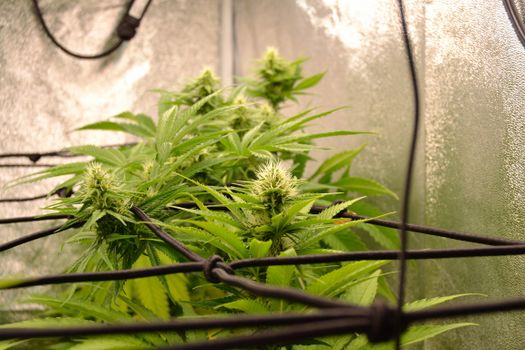
Close-up of healthy cannabis plant with buds in a controlled indoor environment. Photo: MySeeds DE / Pexels
California's journey with cannabis legalization has been a long and evolving one, culminating in the passage of Proposition 64, the Adult Use of Marijuana Act (AUMA), in 2016. This landmark legislation fundamentally reshaped the landscape of cannabis in the state, making it legal for adults 21 and over to possess, use, and, crucially, cultivate cannabis for personal use. However, the seemingly straightforward right to home grow comes with a nuanced set of regulations that every aspiring cultivator must understand to avoid legal pitfalls. At its core, AUMA permits adults to grow up to six living cannabis plants per private residence. This isn't six plants per person, but per household, regardless of how many adults reside there. This distinction is vital for multi-person households to avoid inadvertently exceeding the legal limit. The intent behind this limit is to allow individuals to cultivate enough cannabis for personal consumption without enabling commercial-scale operations under the guise of home grow. The law also specifies that cultivation must occur in a locked space, not visible from a public place. This provision aims to address public safety concerns, deter theft, and maintain community aesthetics. Whether you're growing indoors in a spare room or outdoors in a backyard, discretion and security are paramount. For indoor cultivation, this often means ensuring windows are covered or plants are not directly visible. For outdoor grows, a secure fence, tall hedges, or a locked greenhouse might be necessary. The harvested cannabis from these plants is also subject to possession limits. While you can possess all the cannabis from your six plants, as long as it's for personal use, there are limits on how much dried flower you can carry in public (typically 1 ounce or 28.5 grams) and how much concentrate (8 grams). It's important to remember that these limits apply to processed cannabis, not the living plants themselves. The spirit of these laws is to empower individuals to have control over their cannabis supply, ensuring quality and personal preference, while preventing the unregulated distribution that could undermine the licensed market. Navigating these state-level requirements is the first critical step in ensuring your home grow operation is fully compliant with California's cannabis cultivation laws. Understanding these foundational rules provides a solid basis before delving into the additional layers of local regulations that can further shape your home cultivation experience.

Local Ordinances and Their Impact on California Home Grows

A detailed view of the Gothic-style Town Hall in Brussels with flags and intricate stonework. Photo: Diego F. Parra / Pexels
While Proposition 64 established the statewide framework for cannabis home cultivation, it also granted significant authority to local jurisdictions – cities and counties – to enact their own ordinances. This means that while the state guarantees the right to grow up to six plants per residence, your specific city or county can impose additional restrictions, provided they do not outright ban personal cultivation. This local control creates a patchwork of regulations across California, making it imperative for anyone considering a home grow to research their specific local laws. Common local restrictions often revolve around zoning, location, and cultivation methods. For instance, some cities might require outdoor cultivation to be completely enclosed by a solid fence at least six feet high, or prohibit it entirely in certain residential zones. Others might mandate that indoor cultivation spaces meet specific building codes, such as requiring proper ventilation systems to prevent mold or excessive humidity, or electrical permits for grow lights. Some municipalities have even implemented permitting requirements for home grows, necessitating an application process and potentially an inspection to ensure compliance with local standards. The rationale behind these local ordinances varies. Many are designed to address concerns about public nuisance, such as strong odors, visual blight, or potential fire hazards associated with improper electrical setups. Others aim to maintain neighborhood character or address concerns from residents about perceived impacts on property values. It's not uncommon for local governments to also impose setbacks, requiring plants to be a certain distance from property lines, schools, or parks. To ascertain the specific rules in your area, the best course of action is to contact your city or county planning department or clerk's office. Many jurisdictions have dedicated sections on their websites detailing cannabis regulations. Ignoring local ordinances can lead to fines, forced removal of plants, or even more severe penalties, despite being compliant with state law. Therefore, a thorough understanding of both state and local

Medical Cannabis Patients: Expanded Cultivation Rights
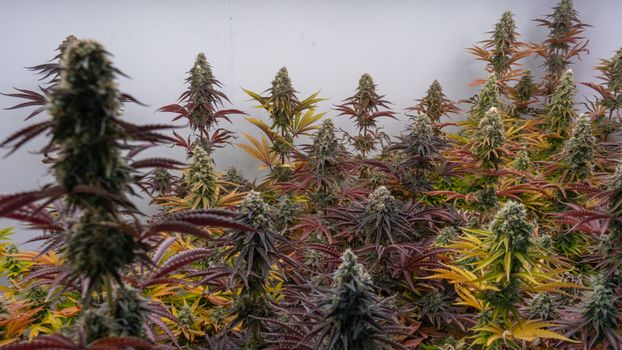
Vibrant indoor cannabis plants in a cultivation room, Silla, Spain. Photo: GB The Green Brand / Pexels
For registered medical cannabis patients and their primary caregivers in California, the cultivation landscape offers a degree of flexibility beyond the standard adult-use limits. While Proposition 64 primarily focused on adult-use, it did not repeal the Compassionate Use Act of 1996 (Proposition 215) or the Medical Marijuana Program Act (SB 420). Instead, it integrated and clarified how medical patients' rights interact with the new adult-use framework. Medical cannabis patients who possess a valid physician's recommendation or a state-issued Medical Marijuana Identification Card (MMIC) are generally allowed to cultivate more than the six-plant limit if their doctor determines that more plants are medically necessary to meet their personal medical needs. This provision acknowledges that some medical conditions may require a higher volume of cannabis than what six plants can reliably produce, or necessitate specific strains that might be difficult to source consistently. The key here is 'medical necessity,' which must be documented by a licensed physician. The recommendation should specify the amount of cannabis needed, which can then be translated into a reasonable number of plants required to produce that amount. It's not an open-ended right to grow an unlimited number of plants, but rather an allowance tailored to individual patient needs. Patients and caregivers are also typically exempt from certain sales and use taxes on medical cannabis, further distinguishing their rights from adult-use consumers. However, even with expanded cultivation rights, medical patients are still subject to local ordinances regarding cultivation methods, security, and visibility. A city that prohibits outdoor cultivation for adult-use might still prohibit it for medical patients, or impose similar restrictions on indoor grows. Therefore, medical patients must also diligently check with their local city or county planning departments to understand any specific zoning, permitting, or cultivation method requirements that apply to them. Furthermore, the cultivated cannabis must strictly be for the patient's personal medical use and cannot be sold or distributed to others. Operating as a medical cannabis collective or cooperative also has its own complex set of regulations and licensing requirements, which are distinct from personal home cultivation. Understanding the interplay between state medical cannabis laws and local ordinances is crucial for medical patients to ensure their cultivation remains fully compliant and avoids any legal complications. This dual framework ensures that while medical patients have greater access, their cultivation practices remain within a regulated and responsible structure, safeguarding both the patient and the community. This nuanced approach to cannabis cultivation laws in California reflects the state's long history with medical marijuana.

Common Mistakes and Best Practices for California Home Growers
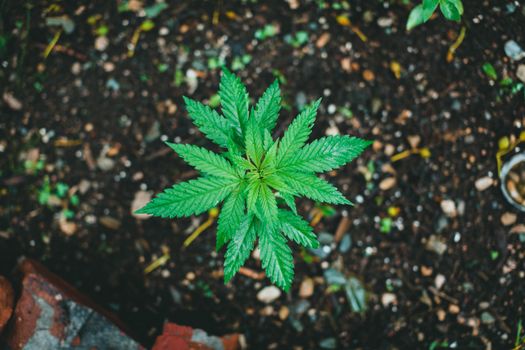
Aerial view of a thriving cannabis plant against soil backdrop. Photo: Jonathan Cooper / Pexels
Successfully navigating the cannabis cultivation laws in California for home grow requires more than just knowing the plant limit; it demands adherence to best practices and an awareness of common pitfalls. Avoiding these mistakes can save you from legal trouble, ensure a healthy crop, and maintain good neighborly relations. Here are some key considerations: **Common Mistakes to Avoid:** * **Exceeding the 6-Plant Limit (or Medical Patient Limit):** This is the most straightforward violation. Always count your living plants carefully. Remember, it's per residence, not per person. * **Public Visibility:** Growing plants where they can be seen from public spaces (streets, sidewalks, parks) is a direct violation. Even a glimpse through a fence can be problematic. * **Lack of Security:** Not securing your grow area with a lock or adequate barriers can lead to theft, which can be a safety concern and a legal liability. * **Ignoring Local Ordinances:** Assuming state law is the only law is a critical error. Local zoning, permitting, and specific cultivation method rules are legally binding. * **Odor Nuisance:** Cannabis plants can produce strong odors, especially during flowering. Failing to mitigate this can lead to neighbor complaints and potential code enforcement issues. * **Improper Electrical or Ventilation:** DIY electrical setups or inadequate ventilation can create fire hazards and mold issues, posing risks to your property and health. * **Selling Home-Grown Cannabis:** Personal cultivation is for personal use only. Selling or distributing your home-grown cannabis, even to friends, is illegal without a commercial license. **Best Practices for Compliant Home Cultivation:** * **Thorough Research:** Before planting, confirm both state and local regulations for your specific address. Check city/county websites or call their planning departments. * **Secure and Discreet Location:** Choose a grow space that is naturally private and can be easily secured. Consider indoor grow tents with carbon filters for odor control. * **Invest in Quality Equipment:** Proper lighting, ventilation, and environmental controls not only lead to better yields but also prevent issues like mold and fire hazards. * **Odor Control:** Use carbon filters, air purifiers, and ensure good air circulation, especially for indoor grows, to minimize scent leakage. * **Maintain Good Neighbor Relations:** Be mindful of your neighbors. Open communication, if appropriate, or simply ensuring your grow is discreet and doesn't cause nuisance, can prevent complaints. * **Document Medical Necessity (if applicable):** If you're a medical patient growing more than six plants, keep your physician's recommendation readily accessible. * **Stay Informed:** Laws can change. Periodically check for updates to state and local cannabis regulations to ensure ongoing compliance. By proactively addressing these areas, California home growers can enjoy the benefits of cultivating their own cannabis while remaining fully within the bounds of the law and fostering a safe, responsible growing environment.

Comparison

FeatureAdult-Use Home GrowMedical Patient Home GrowCommercial Cultivation
Plant Limit (per residence)Up to 6 living plantsMore than 6 (with doctor's recommendation)Unlimited (with license)
Purpose of CultivationPersonal use onlyPersonal medical use onlySale and distribution
Local Ordinance ImpactSubject to local rulesSubject to local rulesStrict local zoning/permitting
Public VisibilityMust be locked & not visibleMust be locked & not visibleVaries by license type/location
Taxation on ProductNo sales tax on home growExempt from some sales taxSubject to all state/local taxes
Requires State License
Requires Doctor's Rec.✓ (for >6 plants)

What Readers Say

"This guide was incredibly helpful in understanding the cannabis cultivation laws in California for home grow. I was worried about local ordinances, but the advice on checking with the city planning department saved me a lot of potential headaches. My first grow is now perfectly legal and thriving!"

Sarah J. · Oakland, CA

"As a medical patient, I needed clarity on growing more than six plants. This article clearly explained the requirements for physician recommendations and how it interacts with state and local cannabis cultivation laws California home grow. Feeling confident in my expanded grow now."

Mark T. · San Diego, CA

"I used to just guess, but after reading this, I realized I was making a few mistakes regarding privacy and security. Implementing the best practices outlined here immediately improved my setup and gave me peace of mind about my cannabis cultivation laws California home grow compliance."

Emily R. · Sacramento, CA

"Good overview, though I wish there was a more direct link or resource for finding specific city ordinances. Still, it highlighted the importance of checking local rules, which I hadn't fully considered before. Very useful for navigating cannabis cultivation laws California home grow."

David L. · Los Angeles, CA

"The comparison table was a fantastic addition! It really helped differentiate between adult-use and medical patient rights for cannabis cultivation laws California home grow. It's a comprehensive resource for anyone looking to grow legally in California."

Jessica M. · Santa Cruz, CA

Frequently Asked Questions

What is the maximum number of cannabis plants I can grow at home in California?

For adults 21 and over, the state limit is six living cannabis plants per private residence, regardless of the number of adults residing there. Medical cannabis patients with a valid doctor's recommendation may be allowed to cultivate more plants if deemed medically necessary, but this must be properly documented.

Do I need a permit to grow cannabis at home in California?

At the state level, no specific permit is required for personal home cultivation of up to six plants. However, many local jurisdictions (cities and counties) have enacted their own ordinances that may require permits, inspections, or specific zoning approvals for home grows. It is crucial to check with your local planning department.

How do I ensure my home grow is not visible from public spaces?

To ensure your home grow is not visible from public spaces, you must cultivate in a locked, secure area. For indoor grows, this means ensuring plants aren't visible through windows. For outdoor grows, use tall fences, hedges, or a secure greenhouse that completely obscures the plants from public view. Discretion and security are key.

Can I sell the cannabis I grow at home in California?

No, cannabis cultivated under California's home grow laws is strictly for personal use. Selling, bartering, or otherwise distributing your home-grown cannabis without a commercial license is illegal and can lead to significant penalties. The intent of home grow is self-sufficiency, not commercial enterprise.

What is the difference between state and local cannabis cultivation laws California home grow?

State laws (like Proposition 64) set the baseline, guaranteeing the right to grow up to six plants per residence. Local laws (city/county ordinances) can add further restrictions on top of state law, such as specific zoning requirements, limits on outdoor cultivation, or mandates for ventilation and security, but they cannot ban home cultivation entirely.

Who should be particularly careful about cannabis cultivation laws California home grow?

Anyone considering home cultivation should be careful, but especially those living in rental properties (as landlords can prohibit cultivation), those in HOAs with specific rules, and individuals who are unsure about their local city or county's specific ordinances. Medical patients growing more than six plants also need to ensure their doctor's recommendation is clear and properly documented.

What are the risks of not complying with California's home grow laws?

Non-compliance can lead to various penalties, including fines, confiscation of plants, and potential criminal charges, especially for exceeding plant limits, selling cannabis, or causing public nuisance. Ignoring local ordinances can also result in code enforcement actions and fines. It's essential to understand and follow all applicable laws to avoid these risks.

Will cannabis cultivation laws California home grow change in the future?

Cannabis laws in California are dynamic and subject to change as the market matures and new legislation is considered. Both state and local governments may amend existing regulations or introduce new ones. Staying informed by regularly checking official government websites and reputable cannabis news sources is the best way to keep up with potential future changes.

Empower yourself with the knowledge to cultivate cannabis legally and responsibly in the Golden State. By understanding and adhering to California's cannabis cultivation laws for home grow, you can enjoy the benefits of your own harvest with complete peace of mind. Start your compliant home grow journey today.

Topics: cannabis cultivation laws California home growCalifornia cannabis home cultivationCA marijuana growing lawspersonal cannabis cultivation Californialegal cannabis plants California
Leo List

IE Escorts NO Escorts US Escorts NZ Escorts AU Escorts
Brampton weed
Adultwork EstrelaBet Vai de Bet R7 Bet Betão Galera Bet Rainbet Bet9ja Shop SportyBet BetKing Sisal Loto Foot Hollywoodbets YesPlay Odibets RushBet Jugabet BetWarrior BetCity MSport betPawa Fortebet