Your Cannabis Cultivation License CA Guide
cannabis cultivation license CA

Your Cannabis Cultivation License CA Guide

A vibrant indoor greenhouse with abundant cannabis plants thriving under natural light.Photo: Cannafornia / Pexels

Your Cannabis Cultivation License CA Guide

Unlock the secrets to obtaining and maintaining your California cannabis cultivation license for a thriving enterprise.

Start Your Application

Key Takeaways

  • ✓ California offers over a dozen distinct cannabis cultivation license types.
  • ✓ Local authorization is a mandatory prerequisite for state licensing.
  • ✓ The application process involves multiple state agencies: DCC, CDFA, and local jurisdictions.
  • ✓ Compliance with environmental regulations, water usage, and labor laws is crucial.

How It Works

1
Secure Local Approval

Before approaching the state, you must obtain all necessary permits and approvals from your local city or county. This is a non-negotiable first step that dictates where you can operate.

2
Choose Your License Type

California offers various cultivation license types based on canopy size and grow method. Carefully select the one that aligns with your business model and operational scale.

3
Prepare Your Application

Gather extensive documentation, including ownership information, cultivation plans, environmental impact reports, and proof of legal land use. Accuracy and completeness are paramount for approval.

4
Maintain Compliance & Renew

Once licensed, ongoing compliance with state and local regulations is mandatory, including track-and-trace reporting and regular inspections. Licenses require annual renewal to remain valid.

Understanding California's Cannabis Cultivation License Landscape
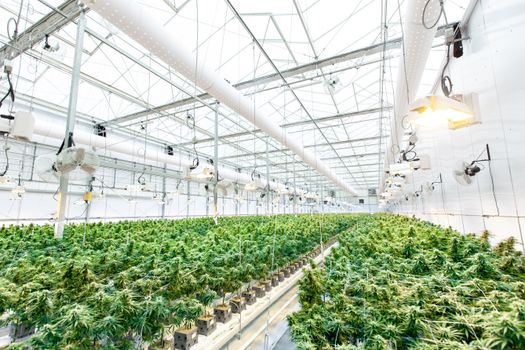
Vibrant cannabis plants growing inside a well-lit greenhouse facility for organic hemp cultivation.Photo: Richard T / Pexels
Navigating the regulatory environment for a cannabis cultivation license in CA can feel like traversing a dense jungle. California, as the largest legal cannabis market in the world, has established a comprehensive, albeit complex, framework for its cannabis industry. This framework is designed to ensure public safety, protect the environment, and foster a fair and competitive market. For aspiring cultivators, understanding this landscape is not just beneficial; it’s absolutely essential for success and legal operation. The state's regulatory bodies, primarily the Department of Cannabis Control (DCC), oversee the licensing process, but they work in conjunction with various other agencies, including the California Department of Food and Agriculture (CDFA) for cultivation-specific regulations. These regulations span everything from the initial application to ongoing operational compliance, including environmental protections, water sourcing, labor practices, and product safety. One of the first and most critical aspects to grasp is the dual-licensing requirement. In California, you cannot obtain a state cannabis cultivation license without first securing local authorization from the city or county where your cultivation site is located. This means that even if you meet all state-level criteria, a lack of local approval will halt your application dead in its tracks. Local jurisdictions have significant autonomy in deciding whether to allow cannabis cultivation within their borders, and if so, what specific local permits, zoning requirements, and operational standards they will impose. This often involves lengthy public hearings, environmental reviews, and substantial fees at the local level before you can even think about the state application. Furthermore, the state offers a range of cultivation license types, categorized primarily by canopy size and cultivation method (indoor, outdoor, mixed-light). These categories include specialty cottage, specialty, small, medium, and large licenses, with sub-types like 'Type 1A' for outdoor cultivation or 'Type 3B' for mixed-light. Each license type has specific requirements, fees, and operational limitations. For instance, a 'Specialty Cottage Outdoor' license allows for a canopy size of up to 25 plants or 2,500 square feet, whereas a 'Medium Indoor' license permits up to 22,000 square feet of canopy. Choosing the correct license type is foundational to your business plan, impacting everything from your projected yield to your infrastructure investments and compliance obligations. It's crucial to meticulously review these distinctions to ensure your proposed operation aligns perfectly with the chosen license. Ignoring these details or misrepresenting your operation can lead to significant delays, denials, or even revocation of your cannabis cultivation license CA. For more detailed information on California's cannabis regulations, explore the nuances of California cannabis law.

The Intricate Application Process for Your Cannabis Cultivation License CA
A close-up image of cannabis buds in a glass container on a desk, emphasizing a natural and relaxed setting.Photo: Yash Lucid / Pexels
Securing a cannabis cultivation license in CA is not a simple form-filling exercise; it's a rigorous, multi-faceted process demanding meticulous preparation and attention to detail. The application requires a comprehensive submission of documentation, designed to provide the state with a complete picture of your business, your operational plans, and your commitment to compliance. This includes, but is not limited to, detailed business formation documents, proof of legal right to occupy the proposed cultivation site, and a robust cultivation plan outlining everything from seed to sale. You'll need to demonstrate compliance with environmental regulations, including water sourcing and discharge plans, waste management protocols, and energy efficiency measures. California places a high emphasis on environmental stewardship, and your application must reflect a clear strategy for minimizing your ecological footprint. The application also delves into the financial viability and ownership structure of your enterprise. All individuals with a significant ownership interest or control over the business will undergo background checks. This is a critical component, as the state aims to prevent illicit activities and ensure that licensees are reputable and responsible operators. Transparency in ownership and financial dealings is non-negotiable. Moreover, you must provide a detailed security plan that addresses both physical security measures for your cultivation site and cybersecurity protocols for your data. This includes fencing, surveillance systems, alarm systems, and procedures for preventing diversion and unauthorized access. A significant hurdle for many applicants is the environmental compliance aspect, particularly regarding water usage. California requires cultivators to demonstrate legal water sources and adhere to strict water conservation and quality standards. This often involves securing water rights, developing detailed water management plans, and obtaining permits from the State Water Resources Control Board. The complexity of these requirements necessitates early engagement with environmental consultants and legal experts specializing in cannabis regulations. Failure to adequately address these environmental concerns is a common reason for application delays or denials. Once your application is submitted, it undergoes a thorough review by the DCC. This review can be lengthy, often involving requests for additional information (RFIs) or clarification on submitted documents. It is imperative to respond to these RFIs promptly and thoroughly to avoid further delays. The state's goal is to ensure that every licensed cultivator operates safely, legally, and responsibly, and the application process is designed to vet applicants rigorously. Patience, persistence, and proactive engagement with the regulatory bodies are key to successfully navigating this intricate path to obtaining your cannabis cultivation license CA.

See also: Weed Dank.

Maintaining Compliance and Ensuring Longevity for Your CA Cannabis Cultivation Business
Close-up of cannabis packaging with a THC warning label on a purple background, highlighting safety and regulatory compliance.Photo: Sadi Hockmuller / Pexels
Obtaining your cannabis cultivation license CA is a monumental achievement, but it's merely the first step. The ongoing journey of a licensed cannabis cultivator in California is defined by a continuous commitment to compliance, operational excellence, and adaptability. The regulatory landscape is dynamic, with new rules and amendments frequently introduced, requiring cultivators to stay informed and agile. Post-licensing compliance encompasses a broad spectrum of responsibilities, from stringent record-keeping and inventory management to adherence to labor laws and environmental regulations. One of the most critical aspects of ongoing compliance is participation in California's track-and-trace system, METRC. This seed-to-sale tracking system is mandatory for all licensed cannabis businesses and requires meticulous data entry and reporting for every plant, product, and transaction. From the moment a seed is planted or a clone is propagated, its journey must be logged in METRC, providing real-time visibility to regulators. Errors or omissions in METRC reporting can lead to significant penalties, including fines, license suspension, or even revocation. Proper training for all staff involved in inventory management and sales is essential to ensure accurate and timely data submission. Beyond METRC, cultivators must adhere to strict packaging and labeling requirements, ensuring that all products are clearly identified, accurately labeled with THC/CBD content, and free from contaminants. This includes compliance with California's Proposition 65 warnings and child-resistant packaging mandates. Regular testing of cannabis products by state-licensed laboratories is also compulsory to ensure product safety and potency accuracy. These tests screen for pesticides, heavy metals, residual solvents, microbials, and foreign materials, safeguarding consumer health and maintaining market integrity. Environmental compliance also remains a paramount concern. Licensed cultivators must continue to manage water resources responsibly, adhere to waste disposal regulations, and implement energy-efficient practices. Inspections by state and local authorities are routine, and cultivators must be prepared to demonstrate compliance at all times. This includes maintaining accessible records, providing access to facilities, and addressing any deficiencies identified during inspections promptly. Neglecting these ongoing responsibilities not only jeopardizes your license but also your reputation and market standing. For an in-depth look at regulatory frameworks, see our guide on California cannabis regulations. Furthermore, labor compliance is another area of intense scrutiny. California's labor laws are among the most robust in the nation, and cannabis businesses are not exempt. This includes adherence to minimum wage laws, overtime regulations, workplace safety standards, and providing employee benefits. The cannabis industry is also subject to specific labor peace agreement requirements in some jurisdictions, which aim to protect workers' rights. Proactive engagement with legal counsel specializing in labor law and cannabis regulations can help ensure your business remains compliant and avoids costly disputes or penalties. Ultimately, maintaining your cannabis cultivation license CA requires continuous vigilance, a commitment to best practices, and a proactive approach to regulatory changes.

Common Pitfalls and Expert Tips for Your Cannabis Cultivation License CA
A red sign featuring a cannabis emblem on a city building facade, indicating a store direction.Photo: Wendy Wei / Pexels
Embarking on the journey to obtain a cannabis cultivation license in CA is fraught with potential pitfalls that can derail even the most well-intentioned entrepreneurs. Being aware of these common mistakes can save you significant time, money, and frustration. One of the most frequent errors is underestimating the complexity and cost associated with local permitting. Many applicants focus solely on state requirements, only to find themselves stuck in a bureaucratic quagmire at the city or county level. Local processes can be lengthy, require substantial fees, and often involve navigating unique zoning ordinances and community opposition. Another significant pitfall is inadequate financial planning. The startup costs for a compliant cannabis cultivation operation are substantial, encompassing real estate, infrastructure, security, licensing fees, legal and consulting expenses, and operational capital for the initial months. Many businesses fail because they run out of capital before even beginning operations or before reaching profitability. It's crucial to have a robust business plan with realistic financial projections and sufficient reserves. Here are some expert tips to navigate these challenges and increase your chances of success: * **Engage Local Officials Early:** Before investing heavily in property or business plans, connect with your target city or county planning department. Understand their specific cannabis ordinances, application processes, and community sentiment. A positive relationship with local authorities can smooth the path. * **Assemble a Professional Team:** Don't go it alone. Surround yourself with experienced professionals, including cannabis business consultants, attorneys specializing in cannabis law, environmental consultants, and financial advisors. Their expertise can help you avoid costly mistakes and streamline the application process. * **Master Your Business Plan:** Develop a comprehensive business plan that details your operational procedures, financial projections, marketing strategy, and compliance protocols. This document will be critical for both your application and attracting investors. * **Prioritize Environmental Compliance:** Proactively address water sourcing, waste management, and energy efficiency. These are major areas of scrutiny. Invest in sustainable practices from the outset. * **Stay Informed and Adaptable:** The regulatory landscape is constantly evolving. Subscribe to updates from the DCC, CDFA, and local agencies. Be prepared to adapt your operations and compliance strategies as new regulations emerge. * **Invest in METRC Training:** Ensure all relevant staff are thoroughly trained on California's track-and-trace system. Accurate and timely reporting is non-negotiable for maintaining your license. * **Build Relationships with Other Licensees:** Network with other licensed cultivators. Their experiences, insights, and lessons learned can be invaluable as you navigate your own journey. Collaboration, not just competition, can foster a stronger industry.

Comparison

FeatureSmall Indoor (Type 2A)Medium Outdoor (Type 1B)Specialty Cottage Mixed-Light (Type 1C)
Canopy Size (sq ft)Up to 10,000Up to 1 acre (43,560)Up to 2,500
Cultivation MethodIndoorOutdoorMixed-light (greenhouse)
Water Source RequirementsStrict, detailed planStrict, detailed planStrict, detailed plan
Environmental ImpactControlled environmentHigher natural exposureReduced energy use
Initial State Fee (approx.)$2,400 - $11,000$4,000 - $28,000$1,000 - $4,000
Local Approval Required
METRC Tracking

What Our Readers Say

5 ★★★★★

"This guide was a lifesaver for navigating the cannabis cultivation license CA process. The breakdown of local vs. state requirements saved me months of wasted effort. Highly recommend for any aspiring cultivator."

5 ★★★★★

"The details on environmental compliance and METRC were incredibly helpful. We used this resource to build out our internal SOPs and passed our first state inspection with flying colors."

5 ★★★★★

"Thanks to this article, we secured our Type 2A cannabis cultivation license CA faster than we anticipated. The section on common pitfalls was particularly valuable for avoiding delays."

4 ★★★★☆

"While comprehensive, the sheer volume of information can be a bit overwhelming for a newcomer. However, it's all accurate and necessary for anyone serious about getting a California cannabis cultivation license."

5 ★★★★★

"As a small-scale operator, the comparison table helped me understand which license type was best for my mixed-light operation. This guide is an indispensable tool for new and established growers alike."

Frequently Asked Questions

What is the very first step to get a cannabis cultivation license CA?
The absolute first step is to secure local authorization from the city or county where you intend to cultivate. Without local approval, you cannot proceed with a state application. This involves researching local ordinances, zoning requirements, and obtaining any necessary local permits.
How long does it typically take to get a cannabis cultivation license in California?
The timeline varies significantly, often ranging from 6 months to over 2 years. This depends heavily on the responsiveness of local jurisdictions, the completeness of your application, and the complexity of your proposed operation. Local approval can often be the longest phase.
What documentation is required for a CA cannabis cultivation license application?
You'll need extensive documentation including business formation documents, proof of legal right to occupy the property, detailed cultivation plans, water source information, waste management plans, security plans, and environmental impact reports. Background checks for all owners are also mandatory.
What are the costs associated with obtaining and maintaining a cannabis cultivation license CA?
Costs include application fees (state and local, ranging from hundreds to tens of thousands of dollars), annual licensing fees based on canopy size and projected revenue, legal and consulting fees, environmental study costs, infrastructure investments, and ongoing compliance expenses like METRC reporting and product testing. It's a significant financial commitment.
Can I operate a cannabis cultivation business in CA without a license?
No, operating a cannabis cultivation business in California without both state and local licenses is illegal. Doing so can result in severe penalties, including fines, imprisonment, and forfeiture of assets. Strict compliance is essential for legal operation.
Who should apply for a cannabis cultivation license CA?
Anyone looking to legally grow cannabis for commercial purposes in California, whether for recreational or medicinal markets, must apply for and obtain the appropriate cannabis cultivation license CA. This includes small-scale craft growers, medium-sized operations, and large-scale industrial cultivators.
What are the biggest risks if I don't comply with my cannabis cultivation license CA requirements?
Non-compliance carries significant risks, including fines, license suspension, license revocation, criminal charges, and civil penalties. Additionally, non-compliant businesses face market exclusion, reputational damage, and difficulty accessing financial services or insurance.
What future trends might impact cannabis cultivation license CA holders?
Future trends include increased emphasis on sustainable cultivation practices, potential consolidation of license types, evolving social equity programs, advancements in cultivation technology requiring regulatory updates, and potential federal legalization impacting interstate commerce and banking regulations.

Embarking on the journey to obtain a cannabis cultivation license CA is a complex but rewarding endeavor. By understanding the intricate requirements, meticulously preparing your application, and committing to ongoing compliance, you can establish a successful and sustainable cannabis cultivation business in California. Don't navigate this path alone; leverage expert resources and strategic planning to secure your future in the golden state's booming cannabis industry.

Topics: cannabis cultivation license CACalifornia cannabis permitsmarijuana growing licensecannabis business complianceCDFA cannabis licensing
Leo List
Brampton weed
Adultwork