✓ California offers various cultivation license types based on canopy size and grow method.
✓ Dual licensing (state and local) is mandatory for all cultivators.
✓ The California Department of Food and Agriculture (CDFA) through CalCannabis Cultivation Licensing issues state licenses.
✓ Compliance with environmental regulations, water usage, and security is critical.
How It Works
1
Understand License Types
Familiarize yourself with the different state cultivation license categories (e.g., Small, Medium, Large, Specialty) and their specific requirements. Your business model will dictate the most appropriate license type.
2
Secure Local Approval
Before applying for a state license, you must obtain a local permit or authorization from the city or county where your cultivation site is located. Local regulations vary widely and are often more restrictive.
3
Prepare Your Application
Gather all necessary documentation, including facility diagrams, operating procedures, environmental plans, and proof of legal possession of the cultivation site. This stage requires meticulous attention to detail.
4
Submit & Comply
Submit your comprehensive application to CalCannabis Cultivation Licensing and prepare for potential inspections. Ongoing compliance with all state and local regulations is essential to maintain your license.
Navigating the California Cannabis Cultivation License Landscape
Photo: Sadi Hockmuller / Pexels
California's journey to legalizing commercial cannabis cultivation has been a complex one, culminating in a robust regulatory framework designed to ensure public safety, environmental protection, and a fair marketplace. For aspiring cultivators, understanding this landscape is the foundational step toward obtaining a cannabis cultivation license California. The primary state agency responsible for issuing these licenses is the California Department of Food and Agriculture (CDFA), specifically through its CalCannabis Cultivation Licensing division. However, it's crucial to grasp that California operates under a dual-licensing system. This means that in addition to state approval, every cultivator must also secure a license or permit from their local jurisdiction – be it a city or a county. The interplay between state and local regulations can be intricate, as local governments often impose additional requirements or outright bans on cultivation activities. Therefore, the very first action for any prospective cultivator is to research and understand the local ordinances in their desired cultivation area.
The CDFA categorizes cultivation licenses based on several factors, primarily canopy size (the area where mature cannabis plants are grown) and the method of cultivation (indoor, outdoor, mixed-light). These categories are designed to accommodate a diverse range of operations, from small craft growers to large-scale commercial facilities. For instance, a 'Specialty Outdoor' license permits up to 5,000 square feet of canopy, while a 'Medium Indoor' license allows for 10,001 to 22,000 square feet. Each license type comes with its own set of fees, operational requirements, and compliance obligations. Understanding these distinctions is paramount, as selecting the wrong license type can lead to significant delays, increased costs, or even rejection of your application. Furthermore, California places a strong emphasis on environmental stewardship. Cultivators are expected to adhere to stringent regulations regarding water usage, waste discharge, pesticide application, and energy efficiency. These environmental mandates are not mere suggestions; they are integral components of the licensing process and ongoing compliance. Prospective licensees must demonstrate a clear plan for sustainable practices, which often involves working with environmental consultants and obtaining various environmental permits even before applying for the cultivation license itself. This intricate web of regulations, while daunting, is designed to create a responsible and sustainable cannabis industry in the state. Successfully navigating it requires meticulous planning, significant capital, and a deep understanding of both state and local legal frameworks.
Detailed Requirements for Your California Cannabis Cultivation License Application
Photo: Keloke Grow / Pexels
The application process for a cannabis cultivation license in California is rigorous and demands comprehensive documentation and strategic planning. Beyond simply filling out forms, applicants must demonstrate a thorough understanding of regulatory compliance, operational feasibility, and environmental responsibility. One of the most critical initial steps is securing the legal right to occupy and use the proposed cultivation site. This typically involves providing proof of ownership, a lease agreement, or a notarized affidavit from the property owner granting permission for cannabis cultivation. Without this fundamental element, your application cannot proceed. Alongside property documentation, a detailed site plan is essential. This plan must accurately depict the layout of your cultivation facility, including cultivation areas, processing zones, storage facilities, security measures, and waste management areas. It should also illustrate how your operation complies with setback requirements from schools, parks, and residential zones, which are often dictated by local ordinances.
Operational plans are another cornerstone of a successful application. These include a comprehensive cultivation plan detailing your growing methods, pesticide use policies (which must adhere to California's strict guidelines), and harvesting procedures. You'll also need a robust security plan outlining measures to prevent diversion, such as surveillance systems, access controls, and alarm systems. Waste management is a significant component, requiring a detailed plan for the disposal of cannabis waste in accordance with state regulations to prevent illegal diversion or environmental contamination. Water source and usage plans are critically scrutinized, especially in California's drought-prone climate. Applicants must demonstrate legal access to water and provide a water management plan that outlines conservation efforts and compliance with water quality regulations. This often involves obtaining permits from regional water quality control boards.
Financial transparency is also a key requirement. Applicants must disclose all individuals with an ownership interest in the business, along with their financial contributions and background checks. This is to prevent illicit financial activities and ensure transparency in the industry. Furthermore, a business plan outlining your operational goals, market analysis, and financial projections is often required by both state and local authorities. This demonstrates the viability and professionalism of your proposed cultivation operation. The sheer volume and specificity of these requirements necessitate careful preparation, often involving legal counsel and specialized consultants to ensure all aspects are covered accurately and completely. Missing or incomplete documentation is a primary reason for application delays or rejections, making thoroughness non-negotiable.
The Application Process: From Local Approval to State Licensure for Cannabis Cultivators
Photo: Kindel Media / Pexels
Embarking on the application journey for a cannabis cultivation license California is a multi-stage process that demands patience and precision. The overarching principle is that local approval precedes state licensure. This means your first major hurdle will be securing a permit, license, or authorization from the city or county where your proposed cultivation site is located. This step is often the most variable and potentially time-consuming, as local regulations differ dramatically across California. Some jurisdictions have embraced cannabis cultivation, establishing clear pathways for licensing, while others have implemented moratoria or outright bans. It's imperative to engage with local planning departments and relevant city/county officials early in your planning process to understand their specific requirements, zoning ordinances, public hearing processes, and application timelines. Securing local approval often involves submitting a separate application to the municipality, undergoing environmental review (such as CEQA compliance), and potentially participating in public meetings to address community concerns. This local vetting process can take anywhere from several months to over a year, depending on the jurisdiction's specific procedures and backlog.
Once local authorization is secured, you can then proceed with your application to the state's CalCannabis Cultivation Licensing division. The state application is submitted online through the CalCannabis licensing portal. Before you begin, ensure you have gathered all necessary documentation, which includes your local authorization, detailed site plans, cultivation plans, security plans, waste management plans, water source information, environmental compliance documentation, and proof of legal right to occupy the property. You will also need to provide personal information for all owners and financial interest holders, which will be subject to background checks. The application fee will also need to be paid at this stage, which varies depending on the license type and canopy size. The state will then review your application for completeness and compliance with all state regulations. This review process can involve requests for additional information (RFIs) or clarification on submitted documents. It's crucial to respond promptly and thoroughly to all inquiries from CalCannabis to avoid delays. Cultivators should also be prepared for potential inspections of their proposed facility by state regulators to verify compliance with the submitted plans and ensure operational readiness. The entire state application process, from submission to final license issuance, can take several months, contingent on the completeness of your application and the volume of applications being processed. Maintaining open communication with both local and state regulators throughout the process is key to a smoother experience.
Key Compliance Challenges and Tips for Cannabis Cultivation License Holders
Photo: Alesia Kozik / Pexels
Obtaining a cannabis cultivation license in California is a significant achievement, but maintaining it requires unwavering commitment to ongoing compliance. The regulatory environment is dynamic, with new rules and interpretations emerging regularly. One of the primary challenges for cultivators is staying abreast of these changes and integrating them into their standard operating procedures. Here are key compliance challenges and practical tips for success:
* **Track-and-Trace (METRC) System:** California mandates the use of the METRC seed-to-sale tracking system. Every plant, batch, and product must be meticulously tracked from propagation to sale. Errors in data entry, delays in reporting, or discrepancies can lead to significant penalties. **Tip:** Designate and thoroughly train dedicated staff for METRC management, conduct regular audits of your data, and integrate METRC reporting into daily operations rather than treating it as an afterthought.
* **Pesticide Use and Testing:** California has some of the strictest pesticide regulations in the cannabis industry. Only approved pesticides can be used, and all harvested cannabis must pass rigorous laboratory testing for pesticides, heavy metals, and microbial contaminants. **Tip:** Implement an Integrated Pest Management (IPM) program that prioritizes biological controls and approved organic methods. Work closely with your lab to understand testing requirements and maintain detailed records of all pest control applications.
* **Environmental Compliance:** Ongoing adherence to water usage limits, waste discharge requirements, and energy efficiency standards is critical. Environmental permits often require regular reporting and monitoring. **Tip:** Appoint an environmental compliance officer or engage a consultant to ensure continuous adherence to permits. Invest in water-saving technologies and renewable energy sources where feasible.
* **Security Protocols:** Maintaining robust security measures is non-negotiable. This includes functional surveillance systems, access control logs, and protocols for handling and transporting cannabis. **Tip:** Regularly review and update your security plan. Conduct periodic drills and ensure all staff are trained on security procedures and reporting protocols.
* **Record Keeping:** Regulators can request extensive records at any time. This includes cultivation logs, sales records, employee training records, security logs, and financial documents. **Tip:** Implement a systematic and organized record-keeping system, preferably digital, that allows for easy retrieval of documents during audits or inspections. Back up all critical data regularly.
* **Local Ordinance Compliance:** Beyond state rules, cultivators must continually comply with local jurisdiction-specific requirements, which can include operational hours, odor control, and community relations. **Tip:** Maintain an open dialogue with local planning and enforcement departments. Participate in local industry associations to stay informed about potential changes.
Comparison
Feature
Specialty Outdoor (Small)
Medium Mixed-Light
Large Indoor
Canopy Size (sq ft)
Up to 5,000
10,001 - 22,000
22,001 - 100,000
Cultivation Method
Outdoor
Mixed-Light (Greenhouse)
Indoor
Initial State Fee (approx.)
$1,000 - $5,000
$5,000 - $25,000
$25,000 - $125,000+
Environmental Impact
Lower (typically)
Moderate
Higher (energy use)
Complexity of Operation
Moderate
High
Very High
Water Use Scrutiny
✓
✓
✓
What Readers Say
★★★★★
"Getting our cannabis cultivation license in California felt overwhelming, but this guide broke down the local and state requirements perfectly. We used it as a checklist and got approved faster than expected. Highly recommend for any new grower!"
Sarah J. · Humboldt County, CA
★★★★★
"The detailed breakdown of environmental compliance and METRC was invaluable. It helped us avoid common pitfalls and streamlined our application process. Our farm is now fully compliant and operational thanks to understanding these steps."
Mark T. · Santa Barbara, CA
★★★★★
"We struggled with the local permitting process for our cannabis cultivation license California. This resource highlighted the critical need for early engagement with county officials, which ultimately saved us months of delays and helped us secure our conditional use permit."
Jessica L. · Mendocino County, CA
★★★★★
"While the guide was extremely helpful for state licensing, navigating LA's specific local regulations still proved quite challenging. It provided a solid framework though, and I appreciated the emphasis on thorough documentation for the state application."
David R. · Los Angeles, CA
★★★★★
"As a small-scale outdoor cultivator, understanding the 'Specialty Outdoor' license requirements from this guide was key. It demystified the process and gave us the confidence to submit a strong application, allowing us to legally operate our boutique farm."
Emily K. · Sonoma County, CA
Frequently Asked Questions
What is the most crucial first step in obtaining a cannabis cultivation license in California?
The most crucial first step is securing local authorization. Before you can even apply for a state license, you must obtain a permit, license, or some form of approval from the city or county where your cultivation site is located. Local regulations vary significantly, so understanding and complying with them is paramount.
How long does it typically take to get a cannabis cultivation license in California?
The timeline can vary significantly, often taking anywhere from 6 months to 2 years or more. This duration depends heavily on the complexity of local permitting processes, the completeness of your application, and the current workload of state and local regulatory agencies. Thorough preparation can help expedite the process.
What are the main categories of cannabis cultivation licenses in California?
California offers several license categories primarily based on canopy size and cultivation method. These include Specialty (up to 5,000 sq ft), Small (5,001-10,000 sq ft), Medium (10,001-22,000 sq ft), and Large (22,001-100,000 sq ft), further broken down by cultivation type: Outdoor, Indoor, and Mixed-Light (greenhouse).
What are the approximate costs involved in obtaining a cannabis cultivation license?
Costs vary widely. State application and licensing fees can range from a few hundred dollars for small operations to over $100,000 for large ones. Local fees can also be substantial. Beyond fees, expect significant investments in facility build-out, security systems, environmental compliance, consultants, and legal counsel.
Is it possible to cultivate cannabis without a license in California?
No, commercial cannabis cultivation without both a state and local license is illegal in California. Operating an unlicensed cultivation facility carries significant legal risks, including substantial fines, criminal penalties, and potential asset forfeiture. Compliance is mandatory for all commercial operations.
Who should apply for a cannabis cultivation license in California?
Individuals or entities looking to legally grow cannabis commercially within California should apply. This includes small craft growers, large-scale agricultural operations, and those looking to supply cannabis to licensed distributors, manufacturers, or dispensaries within the state's regulated market.
What are the biggest risks of non-compliance after obtaining a license?
The biggest risks of non-compliance include hefty fines, license suspension or revocation, product recalls, and even criminal charges. Non-compliance can stem from issues like improper METRC tracking, pesticide violations, environmental breaches, or failure to maintain security standards. Consistent adherence to regulations is vital.
What future trends should cannabis cultivators in California be aware of?
Future trends include increasing emphasis on sustainable cultivation practices, potential consolidation of smaller operations, evolving regulations around new product types, and continued advancements in cultivation technology. Staying informed about legislative changes and industry best practices will be crucial for long-term success.
Ready to turn your cultivation dreams into a legal reality? Navigating the path to a cannabis cultivation license in California is complex, but with diligent preparation and a clear understanding of the requirements, success is within reach. Start planning your compliant and prosperous cannabis cultivation business today.
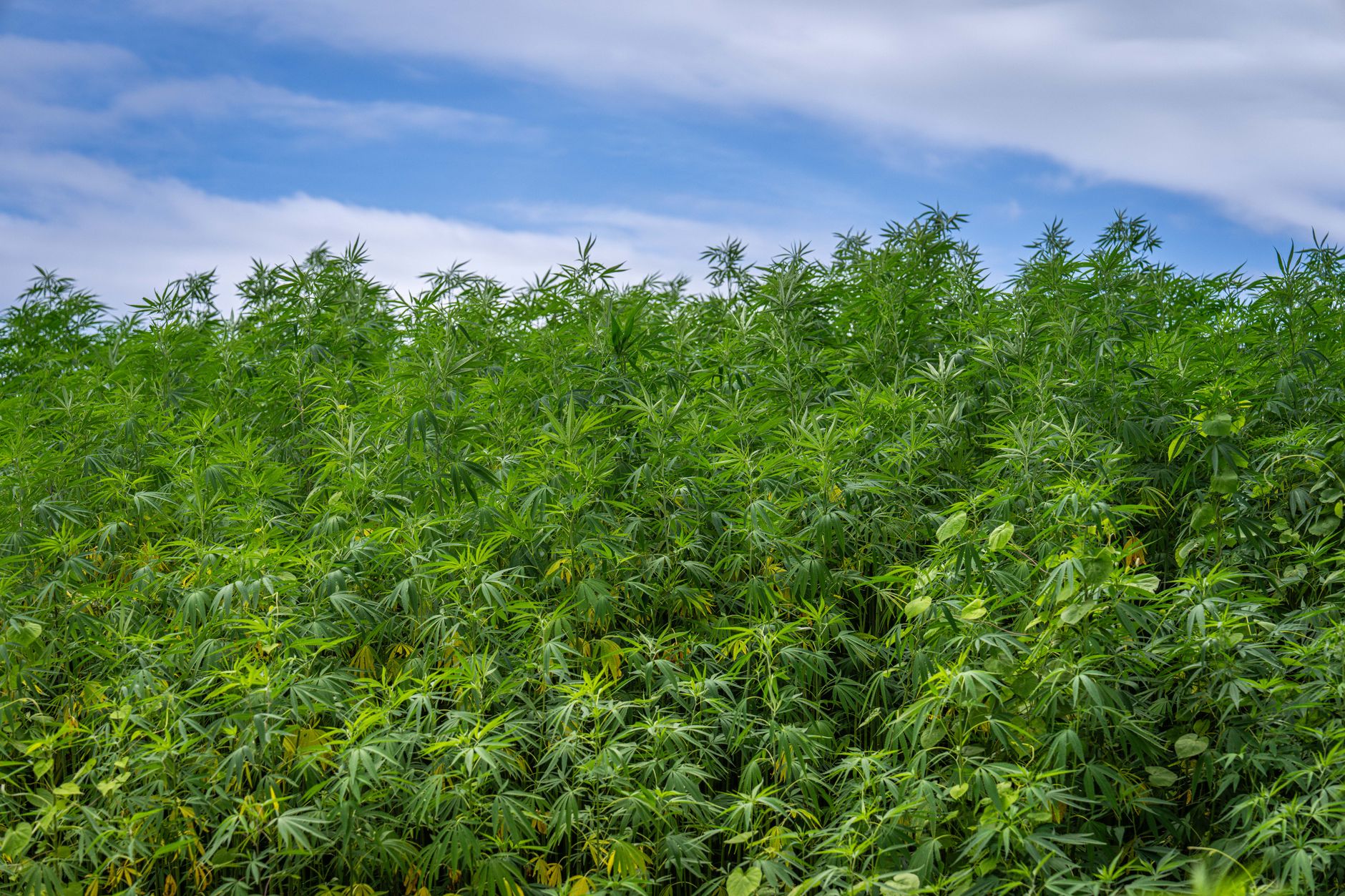
 Photo: Sadi Hockmuller / Pexels
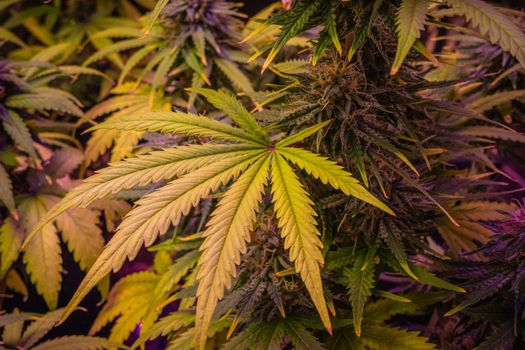 Photo: Keloke Grow / Pexels
 Photo: Kindel Media / Pexels
 Photo: Alesia Kozik / Pexels