✓ Cannabis edibles for sleep in California often combine THC and CBD with minor cannabinoids and terpenes.
✓ Onset time for edibles is typically 30 minutes to 2 hours, with effects lasting 4-8 hours.
✓ California's regulated market ensures product testing for potency and contaminants.
✓ Starting with a low dose (e.g., 2.5mg THC) and gradually increasing is crucial for new users.
How It Works
1
Understand Your Sleep Needs
Identify whether your sleep issues are related to falling asleep, staying asleep, or both. This helps in choosing the right edible formulation.
2
Choose the Right Edible Type
Select edibles with appropriate cannabinoid ratios (THC:CBD), terpene profiles, and additional sleep-inducing ingredients like CBN or melatonin. Gummies, chocolates, and capsules are common forms.
3
Determine Your Ideal Dosage
Begin with a very low dose, especially if you are new to cannabis edibles. Titrate slowly over several nights until you find the minimum effective dose that promotes sleep without unwanted side effects.
4
Incorporate into Your Routine
Take your chosen edible 30-90 minutes before your desired bedtime, allowing sufficient time for onset. Maintain a consistent sleep schedule and comfortable sleep environment for best results.
Navigating California's Cannabis Landscape for Sleep Edibles
Photo: Terrance Barksdale / Pexels
California, a trailblazer in cannabis legalization, offers a vast and diverse market for consumers seeking cannabis edibles for sleep. Understanding this landscape is paramount for safe and effective use. The state's robust regulatory framework, overseen by the Department of Cannabis Control (DCC), ensures that all legal cannabis products sold in dispensaries undergo rigorous testing for potency, pesticides, heavy metals, and other contaminants. This level of oversight provides a significant advantage for consumers in California compared to unregulated markets, ensuring product safety and accurate labeling. When exploring cannabis edibles for sleep, it's crucial to purchase from licensed dispensaries, whether physical storefronts or delivery services. These establishments are staffed by knowledgeable budtenders who can guide you through the myriad of options available, explaining the nuances between different cannabinoid profiles, terpene blends, and product formats. For those new to cannabis or specifically seeking sleep aids, the sheer volume of products can be overwhelming. Edibles designed for sleep often feature specific cannabinoid ratios, such as higher CBD to THC, or include minor cannabinoids like CBN (cannabinol), which is often referred to as the 'sleepy cannabinoid.' Additionally, some formulations incorporate terpenes like myrcene or linalool, known for their sedative properties, or even include non-cannabis sleep aids such as melatonin or valerian root. The legal age for purchasing recreational cannabis in California is 21, with a valid government-issued ID required for all transactions. Medical cannabis patients, with a physician's recommendation, may purchase at 18. Possession limits for recreational users include up to 28.5 grams of non-concentrated cannabis and 8 grams of concentrated cannabis. Edibles are typically sold with a maximum of 10mg THC per serving and 100mg THC per package. This standardization helps consumers manage their dosage, especially important for sleep products where precise dosing can make the difference between restful sleep and an uncomfortable experience. The availability of diverse product forms, from gummies and chocolates to tinctures and capsules, allows individuals to choose what best fits their preferences and lifestyle. Gummies and chocolates are popular for their discrete nature and palatable flavors, while capsules offer a precise, consistent dose without any flavor. Tinctures provide faster absorption if held sublingually, but their effects are still more akin to edibles than inhaled cannabis due to the metabolic process. Always read product labels carefully, paying attention to THC and CBD percentages, other cannabinoids, and recommended serving sizes. Understanding the legal landscape and product offerings in California empowers you to make informed decisions when selecting cannabis edibles for sleep, ensuring a safer and more effective experience. The state's commitment to consumer safety and product quality makes it an ideal place to explore cannabis as a potential sleep aid.
The Science Behind Cannabis Edibles and Sleep Induction
Photo: Yash Lucid / Pexels
The effectiveness of cannabis edibles for sleep stems from the intricate interaction between cannabinoids and the body's endocannabinoid system (ECS). The ECS is a complex cell-signaling system that plays a crucial role in regulating a wide range of bodily functions, including sleep, mood, appetite, memory, and pain. When you consume cannabis edibles, the cannabinoids – primarily THC (tetrahydrocannabinol) and CBD (cannabidiol) – are absorbed through the digestive system and metabolized by the liver before entering the bloodstream. This metabolic process converts THC into 11-hydroxy-THC, a more potent and longer-lasting compound, which is why edibles often produce more intense and prolonged effects compared to inhalation. The primary cannabinoids, THC and CBD, interact with cannabinoid receptors (CB1 and CB2) located throughout the brain and body. THC is known for its psychoactive properties, and at lower doses, it can induce relaxation and sedation, which may help individuals fall asleep faster. However, at higher doses, THC can sometimes lead to anxiety or disrupt sleep architecture, highlighting the importance of proper dosing. CBD, on the other hand, is non-psychoactive and is often lauded for its anxiolytic (anxiety-reducing) and anti-inflammatory properties. While CBD may not directly induce sleep, its ability to calm the nervous system and reduce pain can create a more conducive environment for sleep. Many sleep-focused edibles in California feature a combination of THC and CBD, often in varying ratios, to leverage the entourage effect – a theory suggesting that cannabinoids and terpenes work synergistically to enhance therapeutic benefits. Beyond THC and CBD, minor cannabinoids like CBN (cannabinol) are gaining significant attention for their potential sleep-inducing properties. CBN is a byproduct of THC degradation, and while research is still emerging, anecdotal evidence and some preliminary studies suggest it may have sedative effects, making it a common additive in sleep-specific formulations. Terpenes, the aromatic compounds found in cannabis, also contribute to the plant's therapeutic profile. Myrcene, for example, is known for its musky, earthy aroma and is often associated with sedative effects. Linalool, also found in lavender, is another terpene thought to promote relaxation and sleep. When choosing cannabis edibles for sleep, considering the full cannabinoid and terpene profile can be as important as the THC/CBD ratio. The extended onset time (30 minutes to 2 hours) and prolonged duration of effects (4-8 hours) of edibles are particularly beneficial for sleep. Unlike inhaled cannabis, which provides rapid but short-lived effects, edibles deliver a sustained release of cannabinoids, which can help individuals stay asleep throughout the night. This sustained effect is a key reason why many Californians turn to edibles as a long-acting solution for chronic sleep issues. Understanding these scientific principles empowers consumers to select products that align with their specific sleep challenges and to use them effectively for optimal rest.
Dosage, Types, and Safe Consumption Practices for Sleep Edibles
Photo: Kindel Media / Pexels
When it comes to using cannabis edibles for sleep in California, understanding proper dosage, the various types available, and safe consumption practices is absolutely critical for a positive and effective experience. The golden rule for edibles, especially for sleep, is 'start low and go slow.' For new users, a starting dose of 2.5mg THC is generally recommended. Even experienced users should exercise caution when trying a new product or brand, as potency can vary, and individual responses differ significantly. It's advisable to wait at least 1.5 to 2 hours after your initial dose before considering taking more, as the onset of effects can be delayed. Taking too much too soon can lead to an uncomfortable, over-sedated, or even anxious state, which is counterproductive to achieving restful sleep. Once you find a dose that works, stick with it. Consistent dosing is key to understanding your body's response and maintaining a predictable sleep routine. There are numerous types of cannabis edibles specifically formulated for sleep available in California's licensed dispensaries. Gummies are perhaps the most popular, offering a discreet and tasty way to consume cannabinoids. Many sleep gummies are infused with specific ratios of THC, CBD, and CBN, often alongside other sleep-inducing ingredients like melatonin. Chocolates and other confectioneries provide similar benefits with a different flavor profile. For those who prefer to avoid sugar or want a more precise, flavorless option, capsules or softgels are an excellent choice. These typically contain a measured dose of cannabinoid oil, often with added terpenes or minor cannabinoids. Tinctures, while technically not edibles in the traditional sense, are consumed orally and metabolized similarly. They offer flexibility in dosing as you can adjust the number of drops, and some users find they have a slightly faster onset if absorbed sublingually before swallowing. Safe consumption practices extend beyond just dosage. Always purchase your edibles from licensed California dispensaries to ensure they have undergone mandatory lab testing for potency and contaminants. Store edibles in their original, child-resistant packaging, and keep them out of reach of children and pets. Misidentification of edibles as regular candy is a significant public safety concern. Never consume edibles on an empty stomach, as this can lead to faster and more intense effects. A light meal beforehand can help with absorption and mitigate potential discomfort. Avoid mixing cannabis edibles with alcohol or other sedatives, as this can amplify their effects and lead to over-sedation or impaired judgment. Pay attention to the ingredients list, especially if you have allergies or dietary restrictions. Many edibles contain common allergens like nuts, dairy, or gluten. Lastly, remember that while cannabis can be a valuable sleep aid, it's not a substitute for healthy sleep hygiene. Maintain a consistent sleep schedule, create a relaxing bedtime routine, ensure your sleep environment is dark and quiet, and limit screen time before bed. Combining responsible edible use with good sleep habits will yield the best results for improving your sleep quality in California. Cannabis edibles are a powerful tool, and with informed and safe consumption, they can be a significant ally in your quest for better sleep.
Common Mistakes to Avoid When Using Cannabis Edibles for Sleep
Photo: cottonbro studio / Pexels
While cannabis edibles offer a promising pathway to improved sleep for many Californians, there are several common pitfalls that new and even experienced users should be aware of to ensure a positive experience. Avoiding these mistakes is crucial for harnessing the full potential of edibles as a sleep aid without encountering unwanted side effects. The first and most prevalent mistake is **improper dosing**, particularly starting with too high a dose. The delayed onset of edibles often leads people to believe the product isn't working, prompting them to take more. This can result in an overwhelming experience once the initial dose finally kicks in, leading to anxiety, paranoia, or excessive grogginess, which is the exact opposite of the desired effect. Always begin with the lowest recommended dose (e.g., 2.5mg THC) and wait at least 90 minutes, or even up to 2 hours, before considering a small additional amount. Patience is key with edibles. Another common error is **not understanding product labels**. California's regulations require clear labeling, but it's up to the consumer to read and comprehend the THC/CBD content per serving and per package, as well as the full cannabinoid and terpene profiles. Some edibles are designed for daytime use, while others are specifically formulated for sleep. Misinterpreting these details can lead to taking a stimulating edible before bed, or a highly potent one without realizing it. **Mixing edibles with other substances**, especially alcohol or prescription sleep medications, is a significant mistake. Both alcohol and many sleep aids are central nervous system depressants, and combining them with cannabis edibles can amplify sedative effects to dangerous levels, leading to severe impairment, excessive drowsiness, or respiratory depression. Always consult with a healthcare professional before combining cannabis with any other medications. **Ignoring the timing of consumption** is another frequent misstep. Because edibles take time to be digested and metabolized, taking them right before you get into bed means the effects might not peak until you're already trying to fall asleep, or worse, after you've woken up in the middle of the night. For most people, taking a sleep edible 60-90 minutes before their desired bedtime allows the effects to properly set in by the time they are ready to sleep. **Failing to consider tolerance and individual sensitivity** is also a common oversight. Everyone's endocannabinoid system is unique, meaning what works for one person may not work for another. Factors like body weight, metabolism, and previous cannabis experience all influence how an edible will affect you. Don't assume a friend's recommended dose will be right for you. Lastly, **relying solely on edibles without addressing underlying sleep hygiene issues** is a mistake. While edibles can be very helpful, they are not a magic bullet. Poor sleep habits, such as inconsistent bedtimes, excessive screen time before bed, or a noisy sleep environment, will still undermine your efforts. Incorporate edibles as part of a comprehensive approach to sleep, alongside healthy lifestyle choices. By being mindful of these common mistakes, Californians can use cannabis edibles more effectively and safely to achieve the restorative sleep they seek.
Comparison
Feature
Sleep Gummies (THC/CBD/CBN)
Sleep Capsules (CBD/CBN)
THC-Dominant Edibles
CBD-Only Edibles
Psychoactive Effect
Mild to Moderate
Minimal to None
Moderate to Strong
None
Onset Time
45-90 min
60-120 min
30-90 min
60-120 min
Duration of Effect
4-8 hours
6-10 hours
4-8 hours
6-10 hours
Targeted Sleep Issue
Falling & Staying Asleep
Staying Asleep, Anxiety
Falling Asleep
Anxiety, Relaxation
Ingredients
Cannabinoids, Terpenes, Melatonin
Cannabinoids, Terpenes
THC, Terpenes
CBD, Terpenes
Discretion
✓
✓
✓
✓
What Readers Say
★★★★★
"These cannabis edibles for sleep California have been a game-changer. I used to toss and turn for hours, but now I take a small dose and drift off peacefully within an hour. My sleep quality is so much better."
Sarah J. · Los Angeles, CA
★★★★★
"I was skeptical, but the sleep gummies from a licensed dispensary here in California really work. I wake up feeling refreshed, not groggy, which was a big concern for me. Highly recommend for anyone with insomnia."
Mark D. · San Francisco, CA
★★★★★
"After years of struggling, I finally found relief with cannabis edibles for sleep. The 5mg THC/2mg CBN blend helps me fall asleep faster and stay asleep the entire night. It's truly transformed my evenings."
Emily R. · San Diego, CA
★★★★★
"The sleep capsules are effective, though the onset can be a bit slow for me sometimes. Once they kick in, I get a solid 7-8 hours of uninterrupted sleep. I'm glad I found a natural alternative."
David L. · Sacramento, CA
★★★★★
"As a busy professional, quality sleep is essential. The cannabis edibles for sleep California have become an indispensable part of my nightly routine. They help quiet my racing mind and usher in deep rest."
Jessica M. · Oakland, CA
Frequently Asked Questions
What is the recommended starting dose for cannabis edibles for sleep in California?
For new users, a starting dose of 2.5mg THC is generally recommended for cannabis edibles for sleep. It's crucial to wait at least 90 minutes to 2 hours to assess the effects before considering a small additional dose, as individual responses can vary significantly.
Are cannabis edibles for sleep legal in California?
Yes, cannabis edibles for sleep are legal for adults aged 21 and over in California for recreational use, and for individuals 18 and over with a valid medical cannabis recommendation. Always purchase from licensed dispensaries to ensure product safety and compliance with state regulations.
How long do cannabis edibles for sleep take to work, and how long do effects last?
Cannabis edibles for sleep typically take 30 minutes to 2 hours for effects to onset, as they must be digested and metabolized. Once active, the effects can last anywhere from 4 to 8 hours, making them suitable for sustained sleep support.
How much do cannabis edibles for sleep cost in California?
The cost of cannabis edibles for sleep in California varies widely depending on the brand, cannabinoid profile, potency, and package size. Prices can range from $15 to $40+ for a package containing 100mg of THC (typically 10 doses of 10mg each), with CBD or CBN-rich options sometimes priced differently.
How do cannabis edibles for sleep compare to prescription sleep aids?
Cannabis edibles for sleep offer a more natural alternative to many prescription sleep aids, often working by interacting with the body's endocannabinoid system to promote relaxation and sedation. Unlike some prescriptions, they may carry a lower risk of dependence or severe side effects, but individual responses vary, and professional medical advice should always be sought when considering alternatives.
Who should consider using cannabis edibles for sleep California?
Individuals in California struggling with insomnia, difficulty falling asleep, or maintaining sleep may find cannabis edibles beneficial. They are often sought by those looking for a natural alternative to traditional sleep aids, or by those experiencing pain or anxiety that interferes with sleep.
Are there any side effects or risks associated with cannabis edibles for sleep?
Potential side effects of cannabis edibles for sleep include dry mouth, red eyes, impaired coordination, and, if too high a dose is consumed, anxiety or paranoia. It's crucial to start with a low dose and avoid mixing with alcohol or other sedatives to minimize risks. Long-term effects are still being studied.
What are the future trends for cannabis edibles for sleep in California?
Future trends for cannabis edibles for sleep in California include increased innovation in cannabinoid and terpene blends (e.g., more CBN, CBG, or specific terpene isolates), personalized dosing options, and integration with broader wellness and health tracking technologies to optimize sleep outcomes.
Ready to transform your nights? Explore the wide selection of premium cannabis edibles for sleep in California's licensed dispensaries. Find the perfect blend to help you achieve the deep, restorative sleep you deserve and wake up feeling refreshed.

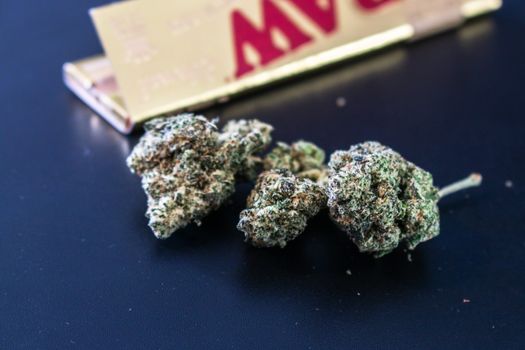 Photo: Terrance Barksdale / Pexels
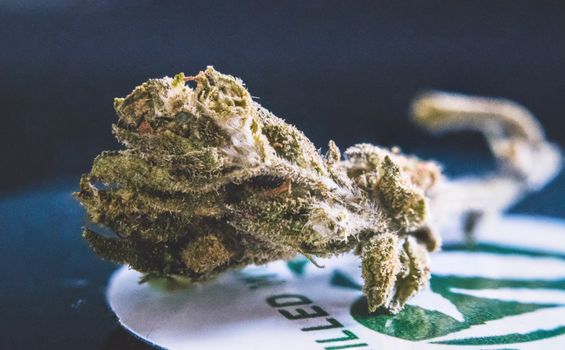 Photo: Yash Lucid / Pexels
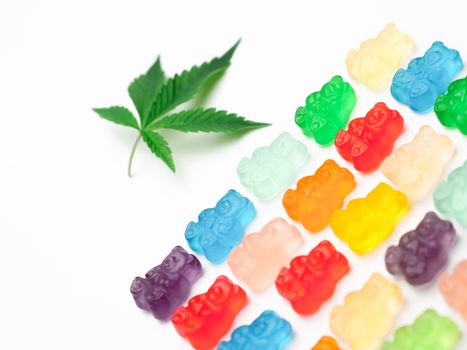 Photo: Kindel Media / Pexels
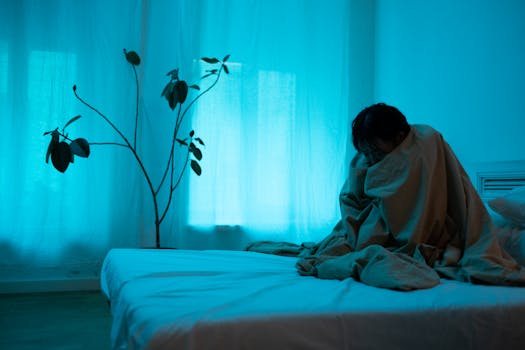 Photo: cottonbro studio / Pexels