Unlock Restful Nights: Cannabis Edibles for Sleep California
cannabis edibles for sleep California

Unlock Restful Nights: Cannabis Edibles for Sleep California

Explore the world of cannabis-infused edibles designed to promote tranquil sleep and enhance your overall well-being.

Find Your Sleep Solution

Key Takeaways

  • ✓ California has a regulated market for cannabis edibles, ensuring product safety and potency.
  • ✓ Edibles offer a smoke-free, discreet, and long-lasting alternative for sleep support.
  • ✓ Both THC and CBD, and their various ratios, play roles in cannabis-induced sleep.
  • ✓ Onset time for edibles can range from 30 minutes to 2 hours, with effects lasting 4-8 hours.

How It Works

1
Understand Your Needs

Identify your specific sleep challenges, such as difficulty falling asleep or staying asleep. This helps in choosing the right type of edible.

2
Choose the Right Product

Select edibles with appropriate cannabinoid ratios (THC, CBD, CBN) and formulations (indica, hybrid) from licensed dispensaries. Consider dosage carefully.

3
Start Low and Go Slow

Begin with a very small dose, typically 2.5mg or 5mg THC, especially if you're new to edibles. Wait at least 2 hours before considering more.

4
Incorporate into Routine

Consume your chosen edible 1-2 hours before your desired bedtime. Create a relaxing environment to maximize the sleep-inducing effects.

The Science Behind Cannabis Edibles for Restful Sleep
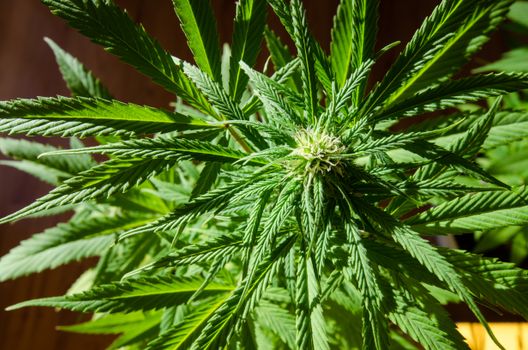
Detailed view of a cannabis plant in sunlight, showcasing vibrant green leaves and natural growth. Photo: Frank Schrader / Pexels
For many Californians struggling with sleepless nights, the quest for a natural, effective solution often leads to exploring the potential of cannabis edibles. The science behind how these products interact with our bodies to promote sleep is fascinating and rooted in the intricate workings of the endocannabinoid system (ECS). The ECS is a complex cell-signaling system identified in the early 1990s by researchers exploring THC, a well-known cannabinoid. It plays a crucial role in regulating a wide range of functions and processes, including sleep, mood, appetite, memory, and fertility. When you consume a cannabis edible, the cannabinoids within it, primarily THC (tetrahydrocannabinol), CBD (cannabidiol), and CBN (cannabinol), interact with the cannabinoid receptors (CB1 and CB2) located throughout your brain and body. This interaction can influence neurotransmitter release, ultimately affecting your sleep cycle. THC, the primary psychoactive compound in cannabis, is often associated with the sedative effects that can aid sleep. At lower doses, THC can reduce the time it takes to fall asleep and may increase deep sleep stages. However, higher doses can sometimes have the opposite effect, leading to anxiety or fragmented sleep in some individuals, which underscores the importance of proper dosing. CBD, on the other hand, is non-intoxicating and is widely recognized for its anxiolytic (anxiety-reducing) and anti-inflammatory properties. By calming the nervous system and alleviating pain, CBD can create a more conducive environment for sleep, even if it doesn't directly induce drowsiness in the same way THC might. Many sleep-focused edibles in California now feature a combination of THC and CBD, often in varying ratios, to leverage the entourage effect – the synergistic interaction between cannabinoids and other compounds like terpenes, which are aromatic molecules found in cannabis and other plants. This synergy is believed to enhance the therapeutic benefits of the plant, including its sleep-promoting qualities. Understanding the different cannabinoids and their individual effects is key to selecting the right edible for your sleep needs. CBN, a lesser-known cannabinoid, is also gaining attention for its potential sedative properties, often found in aged cannabis. Some specialized sleep edibles specifically formulate with CBN for enhanced drowsiness. The liver metabolizes edibles, converting THC into 11-hydroxy-THC, a more potent and longer-lasting compound, which contributes to the extended effects experienced with edibles compared to inhalation. This metabolic pathway is why edibles have a delayed onset but a prolonged duration, making them ideal for sustained sleep throughout the night. The careful selection of strains (Indica-dominant varieties are often preferred for sleep due to their typically higher levels of sedating terpenes like myrcene) and cannabinoid profiles by California's licensed manufacturers ensures consumers have access to precisely formulated products designed for specific outcomes, including deep, restorative sleep.

Navigating California's Edible Landscape for Better Sleep
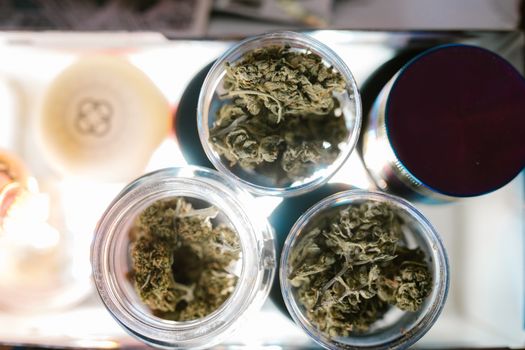
Close-up of cannabis buds in jars from above, highlighting marijuana storage. Photo: RDNE Stock project / Pexels
California's regulated cannabis market offers an unparalleled variety of edibles specifically formulated to address sleep issues. This diverse landscape means consumers have numerous options, from gummies and chocolates to tinctures and capsules, each with unique characteristics regarding onset, duration, and cannabinoid profiles. Understanding these distinctions is crucial for selecting the most effective product for your individual needs. When shopping for cannabis edibles for sleep in California, the first step is always to visit a licensed dispensary. These establishments adhere to strict state regulations regarding product testing, labeling, and sales, ensuring you receive a safe, accurately dosed, and high-quality product. Dispensary staff, often referred to as budtenders, are knowledgeable resources who can guide you through the various options and help you make an informed decision based on your sleep challenges and cannabis experience. One of the primary considerations is the cannabinoid ratio. Many sleep-focused edibles feature a balanced ratio of THC to CBD (e.g., 1:1 or 2:1 THC:CBD), or even higher CBD ratios (e.g., 5:1 or 10:1 CBD:THC) for those sensitive to THC's psychoactive effects. Some products also incorporate CBN, a cannabinoid known for its sedative properties, often marketed as 'sleepy' formulas. Beyond cannabinoids, terpenes play a significant role. Terpenes like myrcene (found in mangoes and hops) and linalool (found in lavender) are associated with relaxing and sedative effects and are often present in Indica-dominant strains used for sleep edibles. Look for product descriptions that highlight these terpene profiles. The form of the edible also impacts its effectiveness. Gummies and chocolates are popular for their taste and ease of dosing, but their onset can be slower as they must be fully digested. Tinctures, absorbed sublingually (under the tongue), offer a quicker onset, typically within 15-45 minutes, making them suitable for those who need faster relief. Capsules provide a discreet, precise, and consistent dose, with an onset similar to traditional edibles. California's rigorous testing requirements mean that all licensed edibles are tested for potency, pesticides, heavy metals, and microbial contaminants. This ensures consumer safety and accurate labeling, allowing you to trust the dosage information provided. Always check the packaging for the total cannabinoid content and the per-serving dose. For new users, starting with a low dose, typically 2.5mg to 5mg of THC, is highly recommended. The effects of edibles can be more intense and longer-lasting than inhaled cannabis, so patience and caution are key. Remember that the legal age for purchasing recreational cannabis in California is 21, and a valid ID is required. By understanding the options and utilizing the resources available at licensed dispensaries, Californians can effectively navigate the edible market to find a tailored solution for their sleep needs.

Optimizing Your Experience: Dosage, Timing, and Environment
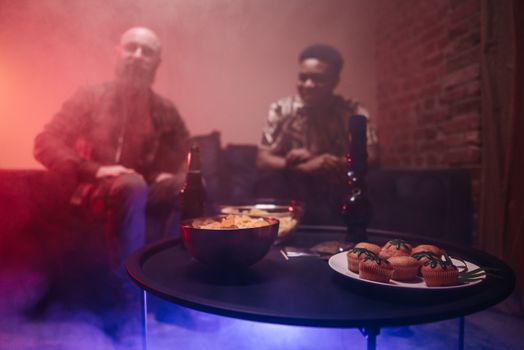
Two people in a dimly lit room with smoke, enjoying drinks and snacks on a table. Photo: Pavel Danilyuk / Pexels
Achieving optimal results with cannabis edibles for sleep in California involves more than just selecting the right product; it requires a thoughtful approach to dosage, timing, and creating a conducive sleep environment. These factors collectively influence how effectively an edible can help you drift into a peaceful slumber and maintain it throughout the night. The most critical aspect of using edibles for sleep is dosage. Unlike smoking or vaping, where effects are felt almost immediately, edibles have a delayed onset because they must be digested and metabolized by the liver. This process converts THC into 11-hydroxy-THC, a more potent and longer-lasting compound. Consequently, it's easy to overconsume if you don't wait long enough for the effects to kick in. The golden rule for edibles, especially for sleep, is 'start low and go slow.' For beginners, a starting dose of 2.5mg to 5mg of THC is generally recommended. If you're using a product with a higher CBD content or specific CBN formulations, you might find that a slightly higher THC dose is tolerable, as CBD can mitigate some of THC's psychoactive effects. Wait at least 1.5 to 2 hours before considering taking more, even if you don't feel anything initially. Patience is paramount to avoid an uncomfortable experience. Timing is another crucial element. Since edibles can take 30 minutes to 2 hours to take effect and their benefits can last 4 to 8 hours, it's best to consume your sleep edible 1 to 2 hours before your desired bedtime. This allows the cannabinoids to fully enter your system and begin working as you prepare for sleep. Consuming it too close to bedtime might mean the effects don't peak until you're already trying to fall asleep, or worse, you might wake up feeling groggy if the effects are still strong in the morning. Experimentation within safe limits is often necessary to find your personal sweet spot for both dosage and timing. Additionally, the environment in which you consume the edible and attempt to sleep plays a significant role. Just as with any sleep aid, cannabis edibles work best when combined with good sleep hygiene. Creating a relaxing bedtime routine can significantly enhance the efficacy of your edible. This might include dimming the lights, avoiding screens (phones, tablets, TVs) for at least an hour before bed, taking a warm bath, reading a book, or practicing meditation. A cool, dark, and quiet bedroom is also essential. Avoid heavy meals or caffeine close to bedtime, as these can counteract the sedative effects of the edible. Consistency in your sleep schedule, even on weekends, helps regulate your body's natural circadian rhythm, further supporting the benefits of cannabis edibles for sleep. By meticulously managing dosage, timing, and your sleep environment, Californians can harness the full potential of cannabis edibles to achieve consistent, high-quality sleep.

Common Mistakes to Avoid and Expert Tips for Success
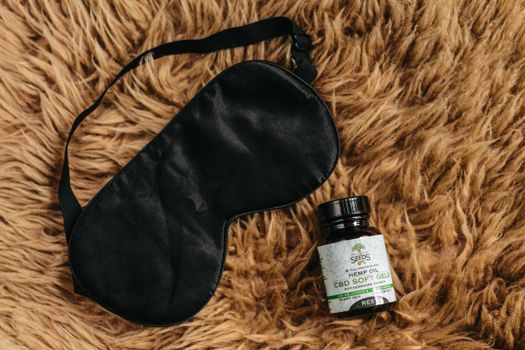
CBD soft gels and black eye mask laid on brown fur promoting relaxation and sleep. Photo: Tree of Life Seeds / Pexels
While cannabis edibles offer a promising pathway to better sleep for many Californians, navigating their use effectively requires awareness of common pitfalls and adherence to expert recommendations. Avoiding these mistakes can significantly enhance your experience and ensure you achieve the restful sleep you desire. **Common Mistakes to Avoid:** * **Overdosing:** This is by far the most frequent mistake. New users often take too much too soon because they don't feel immediate effects. Always remember the 'start low, go slow' mantra. A small dose (2.5mg-5mg THC) is ample for beginners. * **Impatience:** Edibles take time to work. Waiting less than 1.5-2 hours before taking another dose can lead to an overwhelming and unpleasant experience once the initial dose fully kicks in. * **Ignoring Cannabinoid Ratios:** Not all edibles are created equal. Choosing a high-THC product without considering CBD content or the presence of CBN might not be ideal for sleep, especially if you're sensitive to psychoactive effects. * **Poor Sleep Hygiene:** Relying solely on an edible without addressing other sleep disruptors (e.g., excessive screen time, caffeine, inconsistent sleep schedule) will yield suboptimal results. * **Mixing with Alcohol or Other Sedatives:** Combining cannabis edibles with alcohol or other central nervous system depressants can amplify their effects, leading to excessive drowsiness, impaired coordination, and potential safety risks. * **Purchasing from Unlicensed Sources:** Unregulated products may contain inaccurate dosages, contaminants, or harmful ingredients. Always buy from licensed California dispensaries. **Expert Tips for Success:** * **Keep a Sleep Journal:** Document the type of edible, dosage, time of consumption, and your sleep quality. This helps you identify what works best for your body. * **Consider Microdosing:** For some, very low doses (1mg-2.5mg THC) can provide relaxation without significant psychoactive effects, making it easier to fall asleep naturally. * **Explore Different Formulations:** If gummies aren't working, try a tincture for faster onset or a capsule for consistent dosing. Experiment with different cannabinoid ratios (e.g., CBD:THC, CBN-infused products). * **Prioritize Indica-Dominant Strains:** While not a hard rule, Indica-leaning edibles often contain terpenes (like myrcene) that are more associated with sedative effects. * **Stay Hydrated:** Drinking water throughout the day can help your body process cannabinoids and may reduce morning grogginess. * **Consult a Professional:** If you have underlying health conditions or are taking other medications, consult a doctor or a cannabis-savvy healthcare professional before incorporating edibles into your routine. * **Create a Consistent Routine:** Take your edible at the same time each night, about 1-2 hours before bed, as part of a relaxing pre-sleep ritual. By being mindful of these common mistakes and implementing these expert tips, Californians can safely and effectively utilize cannabis edibles to unlock the potential for truly restorative sleep.

Comparison

FeatureCannabis EdiblesOver-the-Counter Sleep AidsPrescription Sleep Aids
Onset Time30-120 min30-60 min15-60 min
Duration of Effect4-8 hours4-6 hours6-8 hours
Psychoactive EffectsPossible (THC)RarePossible (some types)
Addiction PotentialLow (THC), None (CBD)LowModerate to High
Natural Ingredients✓ (Plant-derived)✗ (Synthetic)✗ (Synthetic)
Legal Status (CA)Legal (21+)LegalPrescription only
Side EffectsDry mouth, grogginessDrowsiness, dizzinessMemory issues, dependence

What Readers Say

"These cannabis edibles for sleep in California have been a game-changer. I used to toss and turn for hours, but now I take a 5mg gummy an hour before bed and sleep soundly through the night. No grogginess in the morning either!"

Sarah L. · Los Angeles, CA

"I was skeptical, but my friend recommended a CBD:THC edible for my insomnia. I picked one up from a licensed dispensary here in California and it works wonders. I finally get consistent, deep sleep."

Mark D. · San Francisco, CA

"After years of struggling, I tried a CBN-infused cannabis edible for sleep from a local California shop. It helped me fall asleep faster and stay asleep, which is a huge relief. My energy levels are so much better now."

Jessica R. · San Diego, CA

"The edibles definitely help with my sleep, but finding the right dose took some trial and error. I started with 10mg and felt a bit too drowsy the next morning. Now I stick to 5mg, and it's perfect for a full night's rest."

David P. · Sacramento, CA

"As someone who travels frequently for work, jet lag was a nightmare. A low-dose cannabis edible for sleep from a California dispensary helps me adjust quickly and get quality rest, even in different time zones."

Emily C. · Oakland, CA

Frequently Asked Questions

What is the recommended starting dose for cannabis edibles for sleep in California?

For beginners, a starting dose of 2.5mg to 5mg of THC is generally recommended for cannabis edibles for sleep. It's crucial to wait at least 1.5 to 2 hours to assess the effects before considering a second dose, as edibles have a delayed onset due to liver metabolism.

Are cannabis edibles for sleep legal in California?

Yes, cannabis edibles for sleep are legal for adults aged 21 and over in California for both recreational and medicinal use. They must be purchased from licensed dispensaries that adhere to strict state regulations regarding testing, potency, and packaging.

How long do the effects of sleep edibles last?

The effects of cannabis edibles typically last between 4 to 8 hours, depending on the dosage, individual metabolism, and the specific cannabinoid profile of the product. This extended duration makes them suitable for maintaining sleep throughout the night.

How much do cannabis edibles for sleep cost in California?

The cost of cannabis edibles for sleep in California can vary widely based on brand, potency, type (gummies, chocolates, tinctures), and dispensary location. Prices can range from $15-$40 for a package containing multiple doses, offering good value for consistent use.

How do cannabis edibles compare to traditional sleep medications?

Cannabis edibles offer a more natural, plant-derived alternative to many traditional sleep medications. They typically have a lower risk of dependence compared to some prescription drugs and can provide a more holistic approach to sleep by interacting with the body's endocannabinoid system, often with fewer severe side effects.

Who should consider using cannabis edibles for sleep in California?

Individuals in California who struggle with insomnia, difficulty falling asleep, staying asleep, or those seeking a natural alternative to traditional sleep aids might consider cannabis edibles. It's especially suitable for those who prefer a smoke-free, discreet, and long-lasting method of cannabis consumption.

Are there any risks or side effects associated with cannabis edibles for sleep?

Potential side effects of cannabis edibles can include dry mouth, red eyes, increased heart rate, and in higher doses, anxiety or paranoia. Starting with a low dose and purchasing from licensed dispensaries minimizes risks. It's not recommended for pregnant or nursing individuals, or those with certain heart conditions.

What future trends are expected for cannabis edibles for sleep in California?

Future trends for cannabis edibles for sleep in California are likely to include more precise dosing options, a wider array of cannabinoid blends (e.g., more CBN and minor cannabinoids), advanced terpene formulations for targeted effects, and innovative delivery methods for faster or more controlled onset, further enhancing personalized sleep solutions.

If you're in California and seeking a natural, effective path to restorative sleep, exploring cannabis edibles might be your answer. Visit a licensed dispensary today to discover the diverse range of products designed to help you achieve the peaceful nights you deserve.

Topics: cannabis edibles for sleep Californiasleep aids CaliforniaTHC edibles sleepCBD for sleep CAmarijuana for insomnia California
Leo List
Brampton weed
Adultwork