Unlock Restful Nights: Cannabis for Sleep California
cannabis for sleep California

Unlock Restful Nights: Cannabis for Sleep California

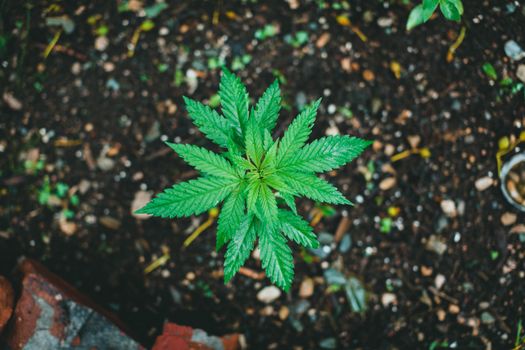
Aerial view of a thriving cannabis plant against soil backdrop.Photo: Jonathan Cooper / Pexels

Unlock Restful Nights: Cannabis for Sleep California

Navigate California's cannabis landscape to find effective, legal solutions for a better night's sleep.

Find Your Rest

Key Takeaways

  • ✓ California has a well-regulated adult-use cannabis market since 2018.
  • ✓ Specific cannabinoids like CBN and THC are often sought for sleep benefits.
  • ✓ Various product forms exist, including edibles, tinctures, and vapes.
  • ✓ Consulting with a licensed budtender or healthcare professional is recommended.

How It Works

1
Understand Your Sleep Issues

Identify whether your sleep problems are related to difficulty falling asleep, staying asleep, or poor sleep quality. This helps in selecting the most appropriate cannabis product and dosage.

2
Explore Cannabis Options

Research different cannabis strains (Indica-dominant), cannabinoids (THC, CBD, CBN), and product types (edibles, tinctures, vapes). Each offers a unique onset time and duration of effects.

3
Consult and Purchase Legally

Visit a licensed California dispensary and speak with a knowledgeable budtender. They can guide you through legal products, proper dosages, and potential interactions, ensuring you make an informed decision.

4
Start Low, Go Slow, and Observe

Begin with a very low dose of your chosen cannabis product and gradually increase it until you find the effective amount. Keep a sleep journal to track effects, allowing for personalized adjustment.

Navigating California's Legal Cannabis Landscape for Sleep
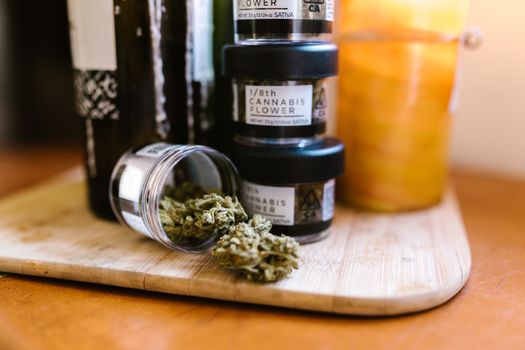
Cannabis buds in glass jars on a wooden board indoors with soft lighting.Photo: RDNE Stock project / Pexels
For many Californians struggling with sleep, the state's progressive cannabis laws offer a potential pathway to relief. Since the passage of Proposition 64 in 2016, adults aged 21 and over can legally purchase and consume cannabis for recreational purposes, including as a sleep aid. This open market means a wide array of products are available, from traditional flower to advanced edibles and tinctures, all subject to rigorous state testing and labeling requirements. Understanding this regulatory environment is the first crucial step for anyone considering cannabis for sleep in California. The legal framework ensures product safety, potency accuracy, and consumer protection, which is paramount when using any substance for medicinal purposes. However, the sheer volume of options can be overwhelming. Dispensaries, both brick-and-mortar and delivery services, are abundant, especially in metropolitan areas like Los Angeles, San Francisco, and San Diego. Each licensed establishment is staffed by budtenders trained to guide consumers through their product selection. It's essential to differentiate between licensed and unlicensed operations; only licensed dispensaries guarantee products have undergone mandatory testing for pesticides, heavy metals, and potency. Unlicensed products pose significant health risks and should be avoided. The California Department of Cannabis Control (DCC) provides a public database of licensed businesses, making it easy for consumers to verify where they are purchasing from. Beyond legality, understanding the different types of cannabis products is key. While some individuals might prefer the immediate effects of inhaled cannabis, others might opt for the longer-lasting relief offered by edibles or tinctures. Each method of consumption has a different onset time and duration, which directly impacts its suitability for sleep. For instance, an edible might take 60-90 minutes to kick in but can provide effects for 6-8 hours, making it ideal for maintaining sleep throughout the night. Conversely, vaping or smoking offers near-instant effects, which could be beneficial for those struggling to fall asleep quickly. Furthermore, the legal landscape in California also means that research into cannabis and sleep is slowly expanding. While federal prohibition still hinders large-scale clinical trials, state-level initiatives and private research are contributing to a growing body of knowledge. Consumers can access information about specific cannabinoids, terpenes, and their potential effects on sleep, which empowers them to make more informed choices. The availability of diverse products and information, all within a regulated market, positions California as a leader in exploring the therapeutic potential of cannabis, particularly for common ailments like insomnia. This robust infrastructure is what makes exploring cannabis for sleep in California a uniquely accessible and generally safe endeavor, provided consumers adhere to legal guidelines and seek professional advice when necessary.

Understanding Cannabinoids and Terpenes for Effective Sleep
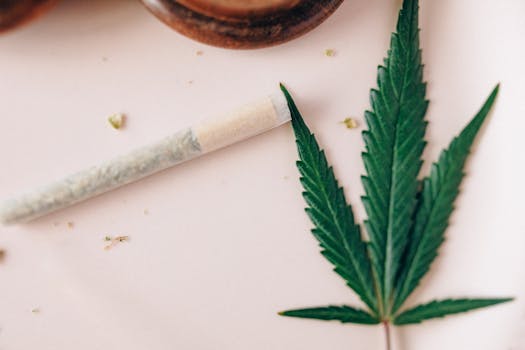
A close-up display of a cannabis leaf and rolled joint on a soft pink surface, ideal for wellness themes.Photo: Nataliya Vaitkevich / Pexels
The effectiveness of cannabis for sleep doesn't solely depend on whether it's an Indica or Sativa, but rather on the intricate interplay of its chemical compounds: cannabinoids and terpenes. While THC (Tetrahydrocannabinol) is the most well-known cannabinoid for its psychoactive effects, other cannabinoids like CBD (Cannabidiol) and CBN (Cannabinol) are gaining significant attention for their potential sleep-inducing properties. THC, in moderate doses, can contribute to sedation and muscle relaxation, helping some individuals fall asleep faster. However, high doses of THC can sometimes lead to anxiety or fragmented sleep in sensitive individuals, highlighting the importance of finding the right balance. CBD, on the other hand, is non-intoxicating and is often praised for its anxiolytic (anxiety-reducing) and anti-inflammatory properties, which can indirectly promote better sleep by addressing underlying causes of insomnia, such as stress or chronic pain. While it may not directly induce sleepiness, a calm body and mind are prerequisites for restful sleep. Many users find a combination of THC and CBD to be more effective, as CBD can mitigate some of the potential psychoactive side effects of THC while enhancing its therapeutic benefits through what is known as the 'entourage effect.' CBN is perhaps the most intriguing cannabinoid when it comes to sleep. Often referred to as the 'sleepy cannabinoid,' CBN is a byproduct of THC degradation. As THC ages, it converts into CBN, which is why older cannabis or specific aged products might have higher CBN content. Early research and anecdotal evidence suggest CBN has significant sedative properties, potentially even more so than THC, without the strong psychoactive effects. Products specifically formulated with higher CBN content are increasingly available in California dispensaries, targeting consumers primarily seeking sleep relief. Terpenes, the aromatic compounds found in cannabis, also play a crucial role in shaping its effects. Beyond giving cannabis its distinctive smell and flavor, terpenes interact with cannabinoids and the endocannabinoid system to modulate the overall experience. For sleep, terpenes like Myrcene, Linalool, and Caryophyllene are particularly noteworthy. Myrcene, often found in Indica strains, is known for its sedative and muscle-relaxant properties. Linalool, also present in lavender, is associated with calming and anti-anxiety effects. Caryophyllene, found in black pepper, has anti-inflammatory properties and can interact with CB2 receptors, potentially aiding pain relief that disrupts sleep. Understanding these compounds allows consumers to move beyond generic strain classifications and select products with a specific cannabinoid and terpene profile tailored to their sleep needs, thereby maximizing the therapeutic potential of cannabis for sleep in California.

See also: How we choose body safe products.

Choosing the Right Cannabis Product and Dosage for Your Sleep Needs
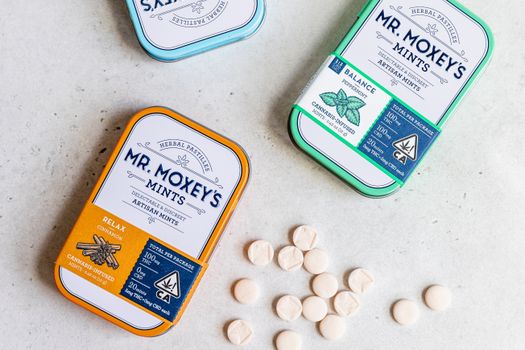
Top view of cannabis-infused artisan mints in colorful tins by Mr. Moxey's, showcasing relaxation and balance.Photo: Elsa Olofsson / Pexels
Selecting the optimal cannabis product and determining the correct dosage are critical steps in effectively using cannabis for sleep in California. With the vast array of options available, personalization is key. The choice often comes down to consumption method, cannabinoid ratio, and desired onset/duration of effects. For those seeking immediate relief to fall asleep, inhalation methods like smoking flower or vaping concentrates might be preferred. These methods deliver cannabinoids to the bloodstream rapidly, with effects typically felt within minutes, lasting for 1-3 hours. However, the short duration might not be ideal for individuals who struggle to stay asleep throughout the night. Edibles and tinctures offer a different experience. Edibles, such as gummies, chocolates, or baked goods, are metabolized through the liver, leading to a delayed onset (30-90 minutes) but a significantly longer duration of effects (4-8 hours or more). This extended relief can be highly beneficial for maintaining sleep. Tinctures, taken sublingually (under the tongue), offer a quicker onset than edibles (15-45 minutes) and a duration similar to edibles, making them a versatile option. They also allow for more precise dosing, as users can adjust the number of drops. When it comes to cannabinoid ratios, products rich in THC are often chosen for their sedative effects, but it's crucial to start with a very low dose, especially for new users. High THC can sometimes cause anxiety or next-day grogginess. Many find success with balanced THC:CBD ratios (e.g., 1:1 or 2:1), where CBD can temper some of THC's psychoactive aspects while enhancing overall therapeutic benefits. For those sensitive to THC or seeking non-intoxicating options, CBD-dominant products or those with higher CBN content (e.g., 2:1 or 3:1 CBN:THC) are excellent alternatives specifically formulated for sleep. Dosing is perhaps the most challenging aspect, as individual tolerance and metabolism vary greatly. The mantra for cannabis consumption, especially for sleep, is "start low, go slow." A common starting dose for edibles might be 2.5mg-5mg of THC, with users waiting at least 2 hours before considering a second dose. Tinctures allow for microdosing, often starting with just a few drops. Keeping a sleep journal to track the product used, dosage, time of consumption, and resulting sleep quality can be invaluable. This methodical approach helps in identifying the sweet spot that provides restful sleep without unwanted side effects. Consulting with a knowledgeable budtender at a licensed California dispensary can provide personalized recommendations based on your specific sleep challenges and desired outcomes, ensuring a safe and effective approach to using cannabis for sleep in California.

Essential Tips for Safe and Effective Cannabis Use for Sleep in California
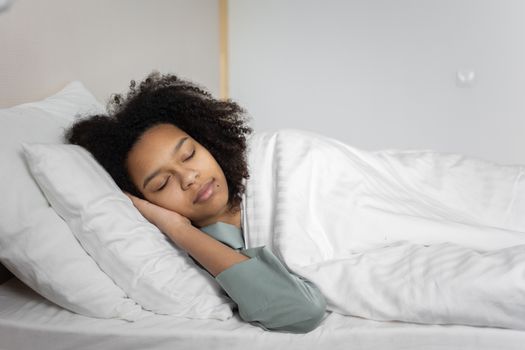
A serene scene of a woman with afro hair peacefully sleeping in a cozy bedroom.Photo: KATRIN BOLOVTSOVA / Pexels
Using cannabis for sleep effectively and safely in California requires adherence to certain best practices. While the state's legal framework provides a safe marketplace, responsible consumption remains paramount. Here are essential tips to ensure you achieve restful nights without encountering unwanted side effects or legal issues: * **Always Purchase from Licensed Dispensaries:** This cannot be stressed enough. Licensed dispensaries in California sell products that have undergone rigorous testing for potency, pesticides, heavy metals, and other contaminants. Unlicensed products are unregulated and can be dangerous. Look for the state-mandated universal symbol on all packaging and verify dispensary licenses through the California Department of Cannabis Control website. * **Start with a Low Dose and Go Slow (the 'Low & Slow' Method):** This is the golden rule for cannabis consumption, especially when using it for therapeutic purposes like sleep. Begin with the smallest possible dose (e.g., 1-2.5mg of THC for edibles) and wait for the full effects to manifest before considering another dose. For edibles, this could mean waiting 1.5-2 hours. Gradually increase your dosage over several nights until you find the minimum effective dose that helps you sleep without causing grogginess or anxiety. * **Understand Onset and Duration:** Different consumption methods have varying onset times and durations. Inhaled cannabis (smoking, vaping) acts quickly but fades faster. Edibles have a delayed onset but last much longer. Tinctures fall in between. Choose a method that aligns with your specific sleep challenge – fast-acting for falling asleep, long-lasting for staying asleep. * **Pay Attention to Cannabinoid and Terpene Profiles:** Don't just look for 'Indica.' Educate yourself on the roles of THC, CBD, CBN, and key terpenes like Myrcene, Linalool, and Caryophyllene. Many products are now labeled with specific cannabinoid ratios (e.g., 1:1 THC:CBD, high CBN) designed to target sleep. A knowledgeable budtender can help you interpret these labels. * **Time Your Dosing Appropriately:** For edibles, consume 1-2 hours before your desired bedtime to allow for peak effects when you're ready to sleep. For tinctures, 30-60 minutes might suffice. Avoid consuming cannabis too close to bedtime if using fast-acting methods, as the initial stimulating phase of some cannabinoids might interfere with falling asleep. * **Create a Conducive Sleep Environment:** Cannabis is a tool, not a magic bullet. Combine its use with good sleep hygiene practices. This includes a dark, quiet, cool room, avoiding screens before bed, and maintaining a consistent sleep schedule. * **Avoid Daily Use (if possible):** Regular daily cannabis use, especially of high-THC products, can lead to tolerance and potentially disrupt natural sleep cycles over time. Consider using it intermittently or as needed, rather than every night, to maintain its effectiveness and avoid dependence. Consult with a healthcare professional regarding long-term use. * **Consult a Healthcare Professional:** If you have underlying health conditions, are taking other medications, or have persistent sleep issues, speak with your doctor. They can provide personalized advice and ensure cannabis use won't interact negatively with your existing health regimen. * **Be Aware of Potential Side Effects:** While generally well-tolerated, cannabis can cause dry mouth, red eyes, dizziness, or next-day grogginess, especially with higher doses. Some individuals may experience anxiety or paranoia. If you experience adverse effects, reduce your dose or try a different product with a different cannabinoid profile. By following these guidelines, Californians can responsibly explore cannabis as a potential aid for improving their sleep quality, harnessing its benefits while minimizing risks.

Comparison

FeatureEdibles (Gummies, Chocolates)Tinctures (Sublingual)Vapes/Flower (Inhaled)
Onset Time60-90 minutes15-45 minutes2-10 minutes
Duration of Effects4-8+ hours4-8 hours1-3 hours
Dosing PrecisionModerate (per piece)High (per drop)Low (variable hits)
Discretion
Ideal ForStaying asleepFalling & staying asleepFalling asleep quickly

What Our Readers Say

5 ★★★★★

"I used to toss and turn for hours, but a low-dose CBN edible from my local Oakland dispensary has been a game-changer. I fall asleep gently and wake up feeling truly rested, not groggy. It's transformed my nights."

5 ★★★★★

"Living in San Diego, I've tried various cannabis products for my insomnia. A 1:1 THC:CBD tincture taken an hour before bed has provided the most consistent and deep sleep I've had in years. Highly recommend trying a balanced approach."

5 ★★★★★

"After years of struggling, I found a specific Indica strain (Granddaddy Purple) at a LA dispensary that helps me relax completely. I smoke a small amount about 30 minutes before bed, and I'm out like a light, waking up refreshed."

4 ★★★★☆

"Cannabis has definitely helped with my restless nights, though finding the right dose took some trial and error. Some products made me a bit groggy the next morning, but a CBD:CBN blend has been much better, offering relaxation without the heavy feeling."

5 ★★★★★

"My chronic pain often kept me awake, but a high-CBD cannabis oil from a San Francisco delivery service has significantly reduced my discomfort. While it doesn't knock me out, the pain relief allows me to finally get peaceful, uninterrupted sleep."

Frequently Asked Questions

Is cannabis for sleep legal in California?
Yes, cannabis for adult recreational use, including as a sleep aid, has been legal in California for individuals 21 and older since 2018. You can purchase products from licensed dispensaries throughout the state. It's crucial to buy only from licensed establishments to ensure product safety and compliance.
Will cannabis make me groggy the next day?
It can, especially with higher doses of THC or certain strains. The key is to start with a very low dose (e.g., 2.5mg of THC for edibles) and gradually increase until you find your optimal amount. Products with higher CBD or CBN content may reduce the likelihood of next-day grogginess compared to high-THC options.
How do I choose the right cannabis product for sleep?
Consider your specific sleep issue: difficulty falling asleep, staying asleep, or both. For falling asleep, faster-acting vapes or tinctures might work. For staying asleep, longer-lasting edibles are often preferred. Look for products with Indica-dominant profiles, or those rich in CBD and CBN. Consulting a knowledgeable budtender at a licensed dispensary is highly recommended for personalized guidance.
How much does cannabis for sleep cost in California?
The cost varies significantly based on product type, brand, potency, and dispensary location. Edibles can range from $15-$40, tinctures from $20-$60, and flower ounces from $30-$100+. While it's an investment, the value often comes from improved sleep quality, which can significantly impact overall well-being. Always compare prices at licensed dispensaries.
How does cannabis compare to over-the-counter sleep aids?
Cannabis offers a different mechanism of action compared to many OTC sleep aids, which often rely on antihistamines or melatonin. While OTC aids can be effective for some, cannabis provides a broader range of effects through its interaction with the endocannabinoid system, potentially addressing underlying issues like pain or anxiety. However, individual responses vary, and what works best is highly personal.
Who should avoid using cannabis for sleep in California?
Individuals under 21, pregnant or breastfeeding women, those with a history of psychosis or severe mental health conditions, and people on certain medications should generally avoid cannabis or consult a healthcare professional first. It's also not recommended for those with respiratory issues if considering inhaled methods. Always prioritize your health and consult a doctor.
Are there any side effects of using cannabis for sleep?
Common side effects can include dry mouth, red eyes, dizziness, or temporary impairment of coordination. Higher doses of THC can sometimes lead to anxiety, paranoia, or next-day grogginess. These effects are usually dose-dependent and can often be mitigated by starting with low doses and choosing products with balanced cannabinoid profiles. Long-term effects are still being studied.
What are the future trends for cannabis and sleep in California?
Future trends include continued innovation in cannabinoid and terpene-specific formulations, particularly focusing on CBN, CBG, and other minor cannabinoids for sleep. We can expect more precisely dosed products, enhanced delivery methods, and a growing body of localized research. The industry will likely see a rise in personalized sleep solutions, driven by consumer demand for targeted, natural remedies.

Ready to reclaim your nights? Explore the diverse world of cannabis for sleep in California, find the perfect product, and embark on your journey to truly restful slumber. Visit a licensed dispensary today and speak with an expert to tailor your path to better sleep.

Topics: cannabis for sleep Californiamarijuana for insomnia CAsleep aid cannabis Californiabest cannabis strains for sleeplegal cannabis sleep products CA
Leo List
Brampton weed
Adultwork