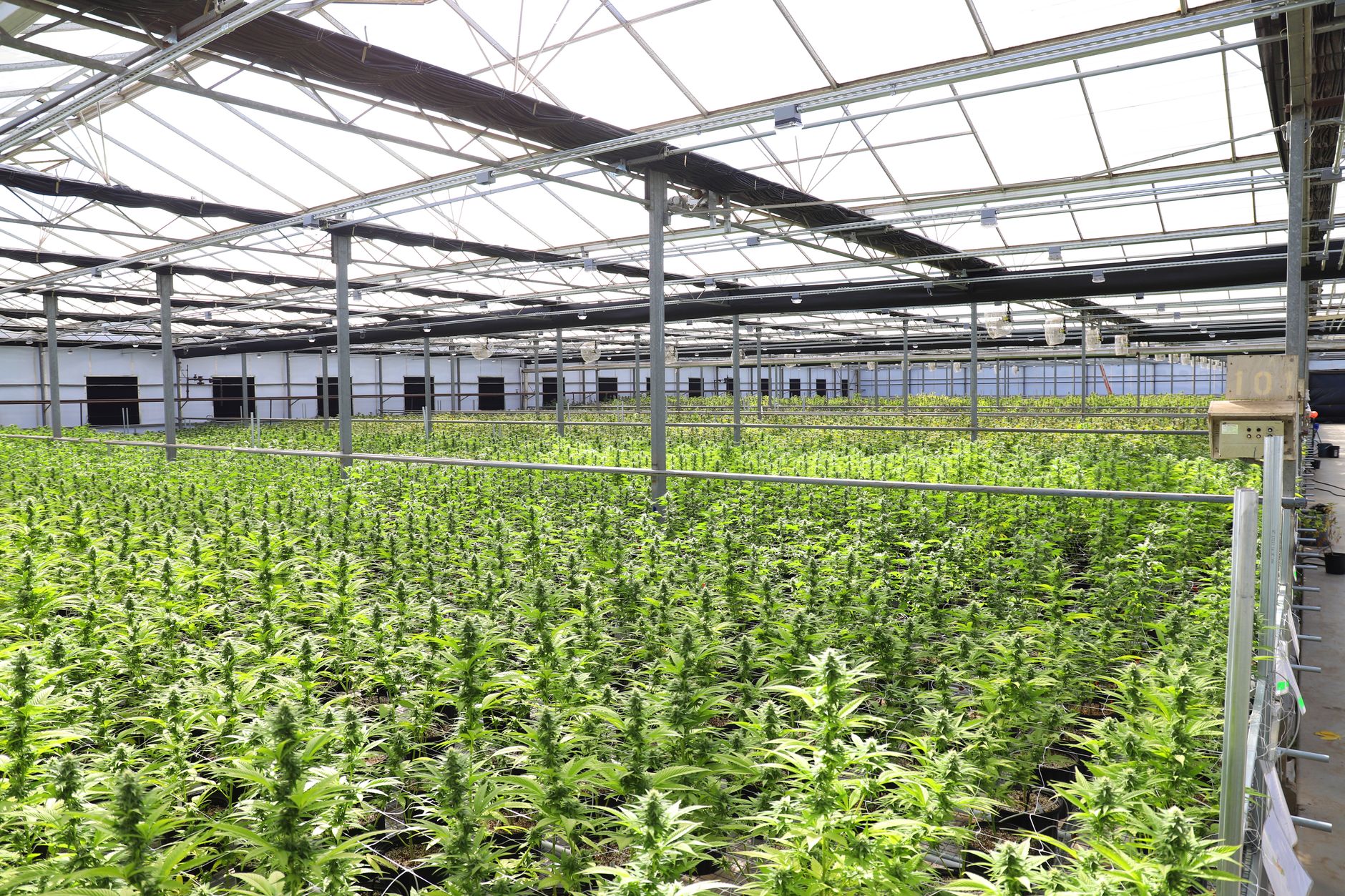
Mastering Cannabis Growing Tips California
cannabis growing tips California

Mastering Cannabis Growing Tips California

Navigate California's unique climate and regulations to cultivate thriving cannabis plants, maximizing your yield and quality.

Start Growing Today

Key Takeaways

  • ✓ California's diverse microclimates demand tailored growing strategies.
  • ✓ Understanding Prop 64 is crucial for legal home cultivation.
  • ✓ Pest and disease management is paramount in the Golden State.
  • ✓ Optimizing light, water, and nutrients is key to high yields.

How It Works

1
Understand Legal Framework

Familiarize yourself with California's Proposition 64, which allows adults 21 and over to grow up to six cannabis plants for personal use. Ensure your cultivation adheres to local ordinances and state guidelines.

2
Assess Your Environment

Determine if you'll grow indoors or outdoors, considering California's varied climate. Analyze factors like temperature, humidity, and sunlight exposure specific to your location to select appropriate strains.

3
Select Genetics & Medium

Choose cannabis strains best suited for California's conditions and your growing environment. Decide on your growing medium – soil, coco coir, or hydroponics – based on experience and desired control over nutrients.

4
Implement Cultivation Cycle

Follow the full cultivation cycle from germination, vegetative growth, and flowering to harvest and curing. Apply proper feeding, watering, lighting, and pest management techniques throughout each stage for optimal results.

Navigating California's Cannabis Cultivation Landscape
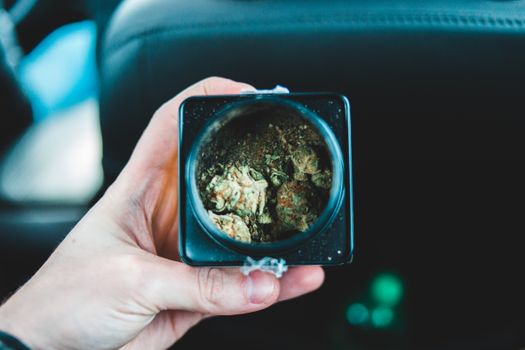
From above anonymous person showing box with marijuana while sitting on back seat of car Photo: Erik Mclean / Pexels
California, a pioneer in cannabis legalization, offers an unparalleled environment for cultivators, yet it comes with its own set of unique challenges and opportunities. Understanding the intricate legal framework is the first, and arguably most critical, step for anyone embarking on their growing journey in the Golden State. Proposition 64, passed in 2016, allows adults 21 and over to cultivate up to six cannabis plants per residence for personal use. However, this seemingly straightforward rule is often complicated by local municipal ordinances, which can further restrict plant counts, dictate cultivation locations (indoors vs. outdoors), and impose specific security measures. Before you even think about germinating your first seed, a thorough review of your city and county's specific cannabis cultivation laws is absolutely essential. Ignoring these local regulations can lead to significant legal repercussions, including fines and confiscation of your plants. Many municipalities have online portals where you can find this information, or a quick call to your local planning department can clarify any ambiguities. Beyond personal cultivation, California also boasts a robust regulated commercial cannabis market. While this article focuses on personal use, understanding the broader industry landscape can provide insights into best practices and available resources, such as reputable seed banks and nutrient suppliers. The state's Department of Cannabis Control (DCC) oversees commercial licensing and regulations, setting standards that, while not directly applicable to home growers, often reflect best practices in cultivation, safety, and quality control. This regulatory environment fosters a culture of innovation and high standards within the state's cannabis community, indirectly benefiting home growers through improved product availability and educational resources. Furthermore, California's diverse geography presents a fascinating challenge and advantage for growers. From the arid deserts to the humid coastlines and mountainous regions, each microclimate offers distinct conditions that influence strain selection, pest management strategies, and optimal growing techniques. For instance, coastal growers might contend with higher humidity and the risk of mold, necessitating mold-resistant strains and excellent airflow, while growers in inland valleys might face intense summer heat requiring heat-tolerant varieties and careful irrigation. Understanding your specific microclimate is paramount to selecting the right genetics and developing a successful cultivation plan. This deep dive into local conditions and regulations sets the foundation for a successful and compliant grow, ensuring your efforts are rewarded with healthy, potent plants. For more general information on cannabis cultivation, consult broader guides, but always remember to tailor advice to California's specific context.

Optimizing Your California Grow: Climate and Strain Selection
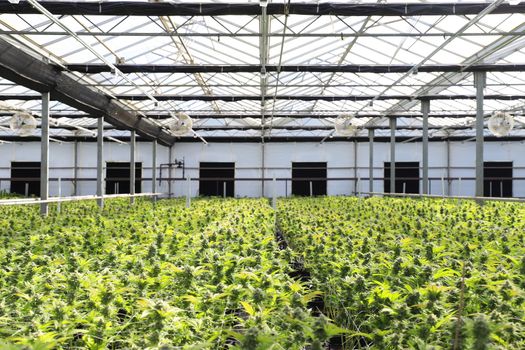
A vibrant indoor greenhouse with abundant cannabis plants thriving under natural light. Photo: Cannafornia / Pexels
California's unparalleled climatic diversity is both a blessing and a curse for cannabis cultivators. While it offers a wide range of environments, it also means that a one-size-fits-all approach to growing is destined for failure. Successful cultivation in California hinges on a deep understanding of your specific microclimate and selecting strains that thrive within those conditions. For outdoor growers, this means paying close attention to average temperatures, humidity levels, sunlight hours, and seasonal variations. Coastal regions, for example, often experience cool, foggy mornings and moderate temperatures, with higher humidity. Strains like those with Skunk or Haze genetics, which can be more susceptible to mold, might struggle without excellent air circulation and preventative measures. Conversely, strains known for their mold resistance, such as certain indicas or hybrids, could flourish. Growers in the Central Valley, on the other hand, face scorching summers with low humidity, demanding heat-tolerant strains and robust irrigation systems to prevent dehydration. Desert regions present even more extreme challenges, requiring highly resilient genetics and careful management of water resources. Mountainous areas offer unique conditions with cooler temperatures and shorter growing seasons, making fast-flowering or auto-flowering strains particularly attractive. Indoor growers in California have more control over their environment, but local climate still plays a role in energy costs for heating, cooling, and dehumidification. Selecting the right genetics is crucial, regardless of your growing environment. Begin by researching strains known to perform well in conditions similar to yours. Consider factors like flowering time, resistance to pests and diseases common in California (such as powdery mildew or spider mites), and desired yield and cannabinoid profile. Sativas often prefer longer, warmer growing seasons, making them suitable for many parts of California's longer summer. Indicas, with their typically shorter flowering times and bushier stature, can be more forgiving in areas with shorter windows of ideal weather or for indoor setups with limited vertical space. Hybrid strains offer a blend of characteristics, allowing growers to select for specific traits like resilience, potency, or flavor. Reputable California seed banks and dispensaries often provide detailed information on strain characteristics and suitability for local conditions, making them excellent resources. Don't be afraid to experiment with a few different strains initially to discover what truly thrives in your unique California garden. This thoughtful approach to climate and genetics is the cornerstone of a successful and rewarding cannabis cultivation experience in the Golden State.

Essential Practices for Healthy Cannabis Growth in California
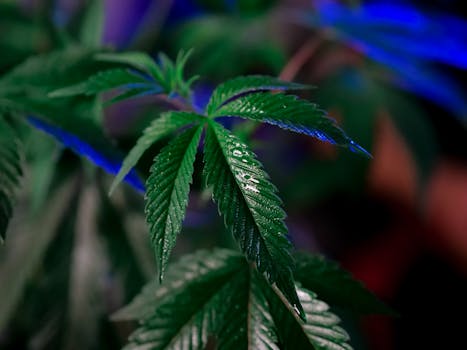
Detailed close-up of lush cannabis leaves with water droplets, exhibiting vibrant green hues. Photo: Kindel Media / Pexels
Beyond understanding the legal landscape and selecting the right genetics, implementing sound horticultural practices is paramount for healthy cannabis growth in California. This involves a holistic approach to nutrition, watering, pest management, and environmental control. For nutrition, cannabis plants are heavy feeders, but the exact nutrient regimen depends heavily on your chosen growing medium. Soil growers often start with nutrient-rich organic soils, requiring less supplemental feeding initially, then gradually introducing balanced nutrients as the plant matures. Hydroponic and coco coir growers, conversely, rely entirely on dissolved nutrients, requiring precise measurement and regular adjustments. California's water quality can vary significantly by region, from soft to hard, impacting nutrient availability and pH levels. Testing your tap water is a wise first step, and many growers opt for filtered or reverse osmosis water to maintain consistent pH and prevent nutrient lockout. Proper watering is critical; overwatering is a common mistake that can lead to root rot and nutrient deficiencies. Allow the top inch or two of your growing medium to dry out before watering again, and ensure adequate drainage. Environmental control, whether indoors or outdoors, involves managing temperature, humidity, and airflow. Indoors, this means using fans, exhaust systems, and potentially air conditioners or dehumidifiers to maintain optimal ranges (typically 70-85°F and 40-60% humidity during vegetative growth, slightly cooler and drier during flowering). Outdoors, strategic plant placement, shading during extreme heat, and ensuring good air circulation around plants can mitigate environmental stressors. Pest and disease management is an ongoing battle for California growers. Common pests include spider mites, aphids, thrips, and fungus gnats, while powdery mildew and bud rot are frequent fungal threats, especially in humid coastal areas. Integrated Pest Management (IPM) strategies are highly recommended. This involves regular plant inspections, maintaining cleanliness, using beneficial insects (like ladybugs or predatory mites), and employing organic pesticides or fungicides as a last resort. Early detection is key; a small infestation can quickly spiral out of control. Pruning and training techniques, such as topping, FIMming, LST (Low Stress Training), or ScroG (Screen of Green), can significantly increase yields and improve light penetration. These methods encourage bushier growth and more uniform canopy development, ensuring that all parts of the plant receive adequate light. Understanding the plant's life cycle, from germination through vegetative growth and flowering, allows you to tailor your care to its specific needs at each stage, culminating in a successful harvest. For more in-depth guidance on specific cannabis cultivation techniques, explore dedicated horticultural resources.

Harvesting and Curing: Maximizing Potency and Flavor in California
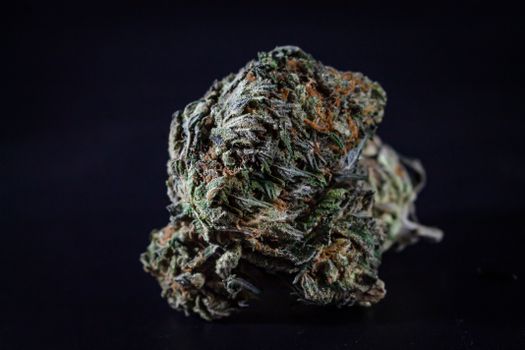
Detailed image of a cannabis bud against a black background, highlighting texture and detail. Photo: Terrance Barksdale / Pexels
The final stages of the cannabis cultivation journey – harvesting and curing – are often overlooked but are absolutely critical to maximizing the potency, flavor, and overall quality of your California-grown cannabis. Rushing these steps can diminish weeks or months of diligent work. Knowing when to harvest is a delicate art. The primary indicator is the trichomes, the tiny, mushroom-shaped glands on the buds and sugar leaves that produce cannabinoids and terpenes. Using a jeweler's loupe or a digital microscope, observe their color. Initially, trichomes are clear, then they turn milky white, and finally amber. Most growers aim for a mix of milky and amber trichomes – typically 70-80% milky and 20-30% amber – for a balanced effect. Clear trichomes indicate immaturity, while too many amber ones suggest degradation of THC into CBN, leading to a more sedative effect. Pistil color, the hair-like structures on the buds, also offers a clue; when 70-90% have darkened and curled inward, the plant is likely ready. Once harvested, the drying process begins. This should be done slowly and evenly to preserve terpenes and cannabinoids. Hang whole branches or individual buds in a dark room with good air circulation, maintaining a temperature of 60-70°F (15-21°C) and a relative humidity of 50-60%. A slow dry, typically 7-14 days, prevents the outside of the bud from drying too quickly while the inside remains moist, which can lead to mold or a harsh smoke. The buds are ready for curing when the smaller stems snap rather than bend. Curing is the process of storing dried cannabis in airtight containers, usually glass jars, to allow chlorophyll to break down and residual moisture to equalize throughout the bud. This significantly improves flavor, aroma, and smoothness of the smoke. Fill jars about 75% full, sealing them tightly. For the first week or two, 'burp' the jars by opening them for 15-30 minutes once or twice a day to release moisture and replenish oxygen. After this initial period, burping can be reduced to a few times a week. The curing process typically lasts for at least two to four weeks, but many connoisseurs cure for several months to achieve peak quality. Proper curing is what transforms good cannabis into great cannabis, unlocking its full potential. Patience during these final stages will undoubtedly be rewarded with a superior product from your California grow.

Comparison

FeatureOutdoor Grow (CA)Indoor Grow (CA)Greenhouse Grow (CA)
Initial CostLowHighMedium
Environmental ControlLimitedFullPartial
Yield PotentialVery HighHighVery High
Pest/Disease RiskHigherLowerMedium
Energy ConsumptionLowHighMedium
DiscretionLowerHigherMedium
Climate DependencyHighLowMedium
MaintenanceMediumHighMedium

What Readers Say

"These cannabis growing tips California specific were a game-changer! I finally understood how to deal with our coastal humidity and my plants have never been healthier. The advice on strain selection for my microclimate was spot on."

Sarah J. · Oakland, CA

"As a first-time grower in California, I was overwhelmed. This guide broke down the legal aspects and provided practical steps that made sense for my region. My first harvest was a huge success thanks to these cannabis growing tips California."

Mark D. · Sacramento, CA

"The detailed section on pest management for California was incredibly helpful. I had issues with spider mites last season, but following these cannabis growing tips California, I've kept my plants pest-free and yielded nearly 30% more this year!"

Jessica L. · Los Angeles, CA

"Great resource for cannabis growing tips California! While some of the advice was broadly applicable, the emphasis on local regulations and climate considerations truly set it apart. Wish there was a bit more on advanced training techniques."

David R. · San Diego, CA

"Living in Northern California, I deal with unique challenges. This article's focus on microclimates and specific cannabis growing tips California helped me choose the right strains and refine my drying process for our damp environment. Fantastic results!"

Emily S. · Eureka, CA

Frequently Asked Questions

What are the primary legal considerations for cannabis growing in California?

In California, adults 21 and over can legally cultivate up to six cannabis plants per residence for personal use under Proposition 64. However, it's crucial to check local city and county ordinances, as some municipalities may impose further restrictions on plant count, cultivation location (indoors only), or require specific security measures. Always ensure your grow is not publicly visible.

Is it better to grow cannabis indoors or outdoors in California?

Both indoor and outdoor cultivation have advantages in California, largely depending on your specific microclimate and resources. Outdoor growing can yield larger plants and lower energy costs, especially in regions with long, sunny summers. Indoor growing offers complete environmental control, year-round cultivation, and better discretion. Greenhouses offer a hybrid approach, balancing control with natural light.

How do I choose the right cannabis strain for my California location?

Selecting the right strain involves understanding your local climate (temperature, humidity, sunlight hours) and your growing environment (indoor/outdoor). For humid coastal areas, choose mold-resistant strains. For hot inland valleys, select heat-tolerant varieties. Fast-flowering or auto-flowering strains are good for cooler, shorter seasons. Research reputable seed banks for genetics suited to California conditions.

What are the typical costs associated with starting a cannabis grow in California?

Initial costs can vary widely. Outdoor grows can start relatively cheaply (seeds/clones, soil, nutrients, basic tools – a few hundred dollars). Indoor grows are significantly more expensive due to equipment like grow lights, ventilation systems, tents, and environmental controllers, often ranging from $500 to several thousand dollars for a basic setup. Ongoing costs include electricity, water, and nutrients.

How does California's climate affect pest and disease management for cannabis?

California's diverse climate influences common pests and diseases. Humid coastal areas are prone to powdery mildew and bud rot, while drier inland regions might see more spider mites and thrips. Organic pest control, beneficial insects, regular plant inspection, and maintaining good airflow are crucial. Choosing resistant strains can also significantly reduce these risks.

Who should use these cannabis growing tips California?

These cannabis growing tips are ideal for any adult (21+) in California looking to cultivate cannabis for personal use, from complete beginners seeking foundational knowledge to experienced growers wanting to optimize their techniques for California's unique environmental and legal landscape. It's particularly useful for those navigating specific microclimates.

Are there specific water quality issues to consider when growing cannabis in California?

Yes, California's water quality varies by region, from very hard to soft, which can impact nutrient uptake and pH levels. It's advisable to test your tap water's pH and TDS (Total Dissolved Solids) levels. Many growers opt for filtered or reverse osmosis water to provide a clean slate for nutrient mixing and maintain consistent pH levels, preventing nutrient lockout issues.

What future trends might impact cannabis growing in California?

Future trends in California cannabis growing may include increased adoption of sustainable practices like water recycling and solar power, advancements in LED lighting technology for indoor grows, and the rise of smart farming automation. Additionally, ongoing legislative adjustments and evolving consumer preferences for specific cannabinoid profiles or organic cultivation methods will continue to shape the industry.

Armed with these comprehensive cannabis growing tips California, you're now ready to embark on a successful cultivation journey. Understand your local laws, embrace California's unique climate, and apply these expert techniques to grow your own premium cannabis. Start cultivating with confidence and enjoy the fruits of your labor!

Topics: cannabis growing tips CaliforniaCalifornia cannabis cultivationgrow weed CAlegal cannabis growing Californiaoutdoor cannabis California
Leo List
Brampton weed
Adultwork EstrelaBet Vai de Bet R7 Bet Betão Galera Bet Rainbet Bet9ja Shop SportyBet BetKing Sisal Loto Foot Hollywoodbets YesPlay Odibets RushBet Jugabet BetWarrior BetCity MSport betPawa Fortebet