✓ Cannabis contains over 100 cannabinoids, including THC and CBD, which interact with the body's endocannabinoid system.
✓ Medical cannabis is legally accessible in Canada for a range of conditions with a healthcare practitioner's authorization.
✓ Research supports cannabis for chronic pain, nausea, multiple sclerosis spasticity, and improving sleep quality.
✓ Dosage, consumption method, and individual physiology significantly impact the therapeutic effects and potential side effects.
How It Works
1
Consult a Healthcare Professional
Before considering cannabis for health benefits, speak with a doctor or nurse practitioner. They can assess your condition and determine if medical cannabis is an appropriate treatment option for you.
2
Obtain Medical Authorization
If deemed suitable, your healthcare provider will provide a medical document. This authorization is required to register with a licensed producer or to purchase medical cannabis from authorized retailers.
3
Choose Your Cannabis Product
Work with your healthcare provider or a cannabis educator to select the right product type (e.g., flower, oils, edibles), cannabinoid profile (e.g., high CBD, balanced THC/CBD), and strain for your specific needs. Start with low doses and go slow.
4
Monitor and Adjust
Begin with a low dose and carefully observe its effects on your symptoms and overall well-being. Keep a journal to track dosage, effects, and any side effects, and adjust as needed under professional guidance.
Understanding the Science Behind Cannabis Health Benefits
Photo: Jess Loiterton / Pexels
The burgeoning interest in cannabis health benefits isn't just anecdotal; it's deeply rooted in the complex science of the human body and the plant's unique chemistry. At the heart of cannabis's therapeutic potential lies its interaction with the endocannabinoid system (ECS), a crucial regulatory system found in all mammals. The ECS plays a vital role in maintaining homeostasis, influencing functions such as pain sensation, mood, appetite, memory, and immune response. It comprises endocannabinoids (cannabinoids produced by the body), receptors (CB1 and CB2), and enzymes that synthesize and degrade endocannabinoids.
Cannabis contains over 100 active compounds called cannabinoids, with the most well-known being Delta-9-tetrahydrocannabinol (THC) and cannabidiol (CBD). THC is primarily responsible for the psychoactive effects associated with cannabis, but it also possesses significant therapeutic properties, including pain relief, anti-inflammatory effects, and appetite stimulation. CBD, on the other hand, is non-intoxicating and has gained widespread recognition for its potential to reduce anxiety, inflammation, seizures, and improve sleep, without the 'high.'
Beyond THC and CBD, other minor cannabinoids like CBG (cannabigerol), CBN (cannabinol), and CBC (cannabichromene) are also being investigated for their unique contributions to the plant's overall medicinal profile. The 'entourage effect' theory suggests that these various cannabinoids, along with terpenes (aromatic compounds also found in cannabis), work synergistically to enhance each other's therapeutic effects and mitigate potential side effects, offering a more comprehensive and effective treatment than isolated compounds. Understanding this intricate interplay is key to unlocking the full spectrum of cannabis health benefits and tailoring treatments to individual needs. In Canada, ongoing research continues to shed light on these mechanisms, empowering healthcare professionals and patients alike.
Targeting Specific Ailments: How Cannabis Offers Relief
Photo: Terrance Barksdale / Pexels
For many Canadians grappling with chronic conditions, cannabis has emerged as a viable and often preferred alternative or adjunct therapy. One of the most widely recognized cannabis health benefits is its efficacy in managing chronic pain. Whether it's neuropathic pain, fibromyalgia, or inflammatory pain from conditions like arthritis, both THC and CBD have demonstrated analgesic properties. THC interacts with CB1 receptors in the brain and spinal cord to reduce pain perception, while CBD's anti-inflammatory actions can alleviate pain at its source. Patients often report a significant reduction in pain intensity, improved functionality, and a decreased reliance on opioid medications, which carry a higher risk of addiction and severe side effects.
Beyond pain, cannabis also offers substantial relief for conditions impacting mental health and sleep. CBD, in particular, has shown promise in reducing anxiety and depression. Its anxiolytic effects are believed to stem from its interaction with serotonin receptors, promoting a sense of calm and well-being without sedation. For individuals struggling with insomnia or disrupted sleep patterns, cannabis, especially strains with higher THC or CBN content, can help induce sleep and improve sleep quality. The sedative properties can shorten the time it takes to fall asleep and increase total sleep time, providing much-needed rest for those who have exhausted other options.
Furthermore, cannabis is frequently used to combat nausea and stimulate appetite, particularly in patients undergoing chemotherapy or those with conditions like HIV/AIDS. THC's antiemetic properties are well-documented, making it highly effective in preventing and treating chemotherapy-induced nausea and vomiting. Its ability to stimulate appetite, often referred to as the 'munchies,' can be crucial for patients experiencing cachexia or significant weight loss. This multifaceted approach to symptom management highlights why cannabis is becoming an increasingly important tool in palliative care and chronic disease management across Canada, offering a holistic pathway to improved quality of life.
Navigating Legal Access and Responsible Use in Canada
Photo: Sadi Hockmuller / Pexels
Canada has been at the forefront of cannabis legalization, making it accessible for both medical and recreational purposes. However, harnessing the cannabis health benefits responsibly requires a clear understanding of the legal framework and best practices for consumption. For medical use, individuals must obtain a medical document from a healthcare practitioner, such as a physician or nurse practitioner. This document allows them to register with a licensed producer (LP) to purchase medical cannabis directly or, in some provinces, to purchase from authorized provincial retailers. The medical pathway ensures access to specific strains and formulations tailored to therapeutic needs, often with higher potency and a wider range of product types than recreational markets.
Responsible use is paramount to maximizing benefits and minimizing risks. Dosage is a critical factor; starting with a low dose and gradually increasing it (often referred to as 'start low, go slow') is recommended to find the optimal therapeutic window. The method of consumption also plays a significant role in how quickly effects are felt and how long they last. Inhalation (smoking or vaping) offers rapid onset but shorter duration, while edibles and oils have a slower onset but prolonged effects. Understanding these differences helps users tailor their consumption to their lifestyle and needs. For instance, an oil might be preferred for sustained pain relief throughout the day, while vaping might be chosen for immediate relief of acute symptoms.
It's also essential to be aware of potential interactions with other medications and pre-existing health conditions. Always inform your healthcare provider about your cannabis use, especially if you are taking other prescriptions. While cannabis is generally considered safe, it can interact with certain drugs, such as blood thinners or sedatives. Furthermore, individuals with a history of psychosis or heart conditions should exercise extreme caution. Educating oneself about the specific cannabinoid profiles (THC:CBD ratios) of products and their potential effects is crucial. Resources from Health Canada and licensed producers provide valuable information to help Canadians make informed decisions about their cannabis use, ensuring they can safely and effectively leverage its health benefits. Adhering to legal guidelines and practicing informed self-care are the cornerstones of responsible medical cannabis consumption in Canada.
Maximizing Your Cannabis Benefits: Tips and Common Misconceptions
Photo: RDNE Stock project / Pexels
To truly unlock the cannabis health benefits, it's not just about what you use, but how you use it. Here are some essential tips and clarifications on common misconceptions:
* **Tip 1: Personalization is Key.** Not all cannabis is created equal, and what works for one person may not work for another. Experiment with different strains, cannabinoid ratios (THC:CBD), and consumption methods to find what best addresses your specific symptoms. Keep a journal to track effects, dosages, and product types.
* **Tip 2: Understand the Entourage Effect.** Don't solely focus on THC or CBD. Terpenes and minor cannabinoids contribute significantly to the overall therapeutic profile. Look for full-spectrum or broad-spectrum products that preserve these compounds.
* **Tip 3: Dosage Matters Immensely.** 'Start low, go slow' is the golden rule. Especially with edibles, the effects can be delayed and more intense. Overconsumption can lead to anxiety or discomfort, negating potential benefits. Gradually titrate your dose until you find the minimum effective amount.
* **Tip 4: Consider Your Consumption Method.** Vaping or smoking offers rapid onset, ideal for acute relief, but effects are shorter-lived. Edibles and oils provide a delayed but prolonged effect, better for sustained relief. Tinctures offer a middle ground.
* **Tip 5: Store Your Cannabis Properly.** Light, air, and humidity can degrade cannabinoids and terpenes, reducing potency and flavor. Store cannabis in airtight containers in a cool, dark place to preserve its efficacy.
**Common Misconceptions:**
* **Misconception 1: More THC Means More Relief.** While THC is a powerful pain reliever, higher doses can sometimes increase anxiety or other adverse effects. A balanced THC:CBD ratio or even CBD-dominant products can be more effective for many conditions, especially if psychoactivity is a concern.
* **Misconception 2: All Cannabis is the Same.** The vast array of strains (Indica, Sativa, Hybrid) and their unique chemical profiles mean that different products will produce different effects. Researching specific strains and their reported benefits is crucial.
* **Misconception 3: You'll Get Addicted.** While psychological dependence is possible, especially with frequent high-dose THC use, physical addiction to cannabis is less common and severe than with many other substances. Responsible use and breaks can mitigate this risk.
* **Misconception 4: Cannabis is a Cure-All.** While it offers significant relief for many symptoms, cannabis is a management tool, not a universal cure. It should be integrated into a comprehensive health plan under medical guidance.
Comparison
Feature
Medical Cannabis
Recreational Cannabis
CBD Isolate
Access in Canada
Requires medical document
19+/21+ (provincial)
Widely available
THC Content
Varied, often high THC or balanced
Varied, often high THC
Typically 0% THC
CBD Content
Varied, often high CBD or balanced
Varied
High concentration
Psychoactive Effects
Can be, depending on THC
Yes (THC-dependent)
No
Targeted Conditions
Chronic pain, MS, epilepsy, etc.
General wellness, relaxation
Anxiety, inflammation, sleep
Medical Oversight
✓
✗
✗
Product Variety
Often wider range (oils, capsules)
Flower, edibles, vapes
Oils, capsules, topicals
What Readers Say
★★★★★
"After years of struggling with chronic back pain, medical cannabis has been a game-changer. I use a CBD-rich oil daily, and it significantly reduces my inflammation and allows me to move more freely without constant discomfort."
Sarah L. · Vancouver, BC
★★★★★
"My doctor recommended cannabis for my severe anxiety, and I'm so glad I tried it. A low-dose THC/CBD balanced strain helps calm my racing thoughts and allows me to focus better throughout the day. It's truly improved my quality of life."
Mark T. · Toronto, ON
★★★★★
"As a cancer patient, the nausea from chemotherapy was debilitating. Cannabis edibles have been incredibly effective at managing my nausea and stimulating my appetite, helping me maintain my weight and energy levels during treatment."
Emily R. · Calgary, AB
★★★★★
"While cannabis has been very helpful for my insomnia, finding the right strain and dosage took some trial and error. I appreciate the relief it provides, but I'm still learning how to best integrate it into my nightly routine without feeling groggy."
David P. · Montreal, QC
★★★★★
"For my multiple sclerosis spasticity, cannabis has provided relief that traditional medications couldn't. The muscle relaxation I get from a specific indica strain allows me to perform daily tasks with much less pain and stiffness."
Jessica M. · Halifax, NS
Frequently Asked Questions
What are the most common cannabis health benefits?
The most commonly reported cannabis health benefits include chronic pain management (neuropathic, inflammatory), reduction of nausea and vomiting (especially chemotherapy-induced), alleviation of muscle spasticity, improved sleep quality, and reduction of anxiety and depression symptoms. Research continues to explore its potential in other areas.
Is cannabis safe for everyone to use for health purposes?
No, cannabis is not safe for everyone. Individuals with a history of psychosis, certain heart conditions, or those who are pregnant or breastfeeding should avoid cannabis. It can also interact with other medications. Always consult a healthcare professional before using cannabis for health purposes.
How do I legally access medical cannabis in Canada?
To legally access medical cannabis in Canada, you need to obtain a medical document from a licensed healthcare practitioner (doctor or nurse practitioner). With this document, you can register with a licensed producer or purchase from provincially authorized medical cannabis retailers.
How much does medical cannabis cost in Canada?
The cost of medical cannabis in Canada varies widely depending on the product type, strain, potency, and licensed producer. Prices can range from $5 to $15 per gram for dried flower, with oils and capsules often costing more. Some private insurance plans may offer coverage, but it's not universally covered by public health.
How does cannabis compare to traditional medications for pain relief?
Cannabis offers a different mechanism of action for pain relief compared to traditional medications like NSAIDs or opioids. It can be particularly effective for neuropathic pain that doesn't respond well to conventional treatments, often with a different side effect profile. For many, it provides an alternative or complementary option, reducing reliance on more potent drugs.
Who should consider using cannabis for health benefits?
Individuals suffering from chronic conditions such as persistent pain, multiple sclerosis, epilepsy, chemotherapy-induced nausea, severe anxiety, or sleep disorders, who have not found adequate relief from conventional treatments, may consider discussing cannabis health benefits with their healthcare provider. It's typically considered after other options have been explored.
What are the potential risks or side effects of using cannabis for health?
Potential side effects can include dry mouth, red eyes, increased heart rate, dizziness, impaired coordination, and short-term memory issues. High-THC strains can induce anxiety or paranoia in some individuals. Long-term risks, while still being studied, include potential respiratory issues (from smoking) and, for some, psychological dependence.
What does the future hold for cannabis health benefits research in Canada?
The future of cannabis health benefits research in Canada is promising. With legal frameworks in place, more robust clinical trials are underway to explore specific cannabinoid effects, optimal dosing for various conditions, and the potential of minor cannabinoids and terpenes. Expect to see more targeted cannabis-derived medicines and personalized treatment approaches emerge.
Ready to explore the potential cannabis health benefits for your well-being? Consult with your Canadian healthcare provider today to see if medical cannabis is the right path for you, and begin your journey towards a better quality of life.
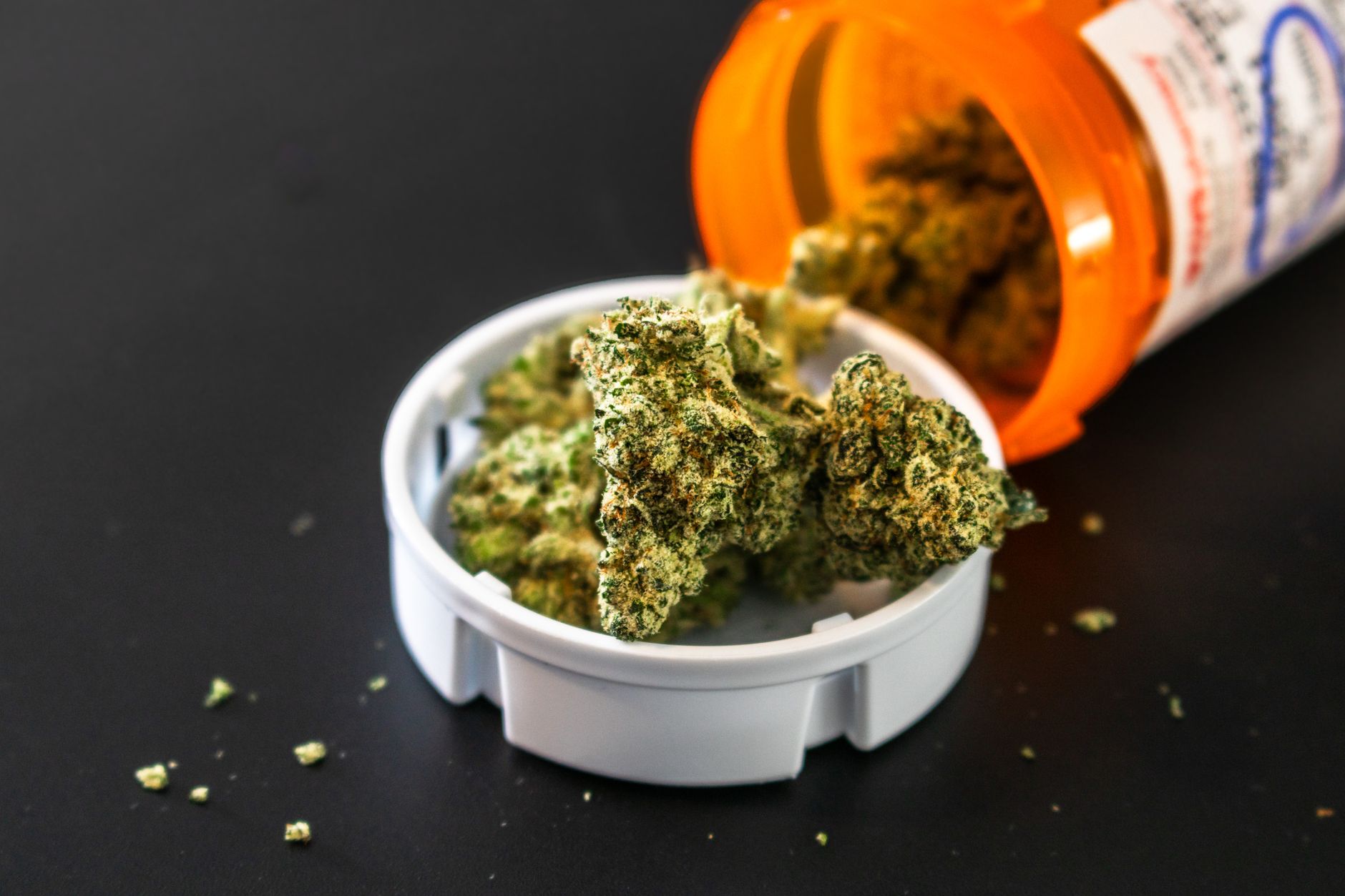
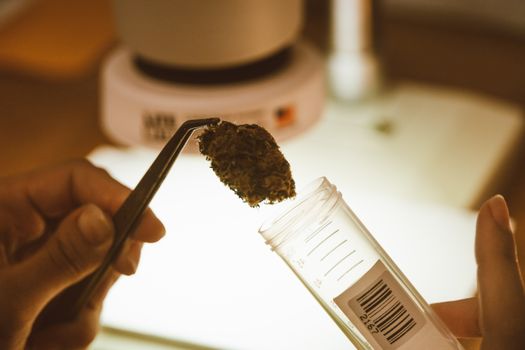 Photo: Jess Loiterton / Pexels
 Photo: Terrance Barksdale / Pexels
 Photo: Sadi Hockmuller / Pexels
 Photo: RDNE Stock project / Pexels