✓ Recreational cannabis is legal for adults 21+ in California.
✓ Medical cannabis has been legal since 1996 under Proposition 215.
✓ Adults can possess up to 1 ounce (28.5 grams) of cannabis flower and 8 grams of concentrate.
✓ Cultivation of up to 6 mature plants per residence is permitted for personal use.
✓ Consumption in public places, schools, and federal land remains illegal.
How It Works
1
Understand Personal Use Limits
Familiarize yourself with the maximum amounts of cannabis flower and concentrates you can legally possess as an adult (21+). This prevents accidental violations and ensures compliance with state law.
2
Know Where You Can Consume
Cannabis consumption is restricted to private property or licensed consumption lounges. Public areas, workplaces, and federal land are strictly off-limits to avoid legal penalties.
3
Learn About Home Cultivation
If you plan to grow your own cannabis, understand the 6-plant limit per residence and ensure your grow is secure and not visible to the public. Local ordinances may impose additional restrictions.
4
Distinguish Medical vs. Recreational
While both are legal, medical cannabis patients may have higher possession limits, access to specific products, and lower taxes. Understand the benefits of a medical recommendation if applicable.
The Evolution of Cannabis Laws in California: A Historical Overview
Photo: Stephen Leonardi / Pexels
California has long been at the forefront of cannabis reform in the United States, pioneering both medical and recreational legalization. The journey began officially in 1996 with the passage of Proposition 215, known as the Compassionate Use Act (CUA). This landmark legislation made California the first state to legalize cannabis for medical purposes, allowing patients with a doctor’s recommendation to possess and cultivate marijuana for personal medical use. The CUA was a monumental shift, providing a legal defense for patients and caregivers, and setting a precedent for other states to follow. However, Prop 215 was intentionally broad, leading to a period of ambiguity and a patchwork of local regulations. This lack of specific state-level guidance created challenges for law enforcement, patients, and providers alike, as the scope of 'medical use' and the parameters for dispensaries were not clearly defined. This era was characterized by a rapid proliferation of unregulated dispensaries and a gray market that, while serving a need, often operated outside clear legal boundaries.
The need for more comprehensive regulation became apparent, leading to the Medical Cannabis Regulation and Safety Act (MCRSA) in 2015. MCRSA was a significant step towards a more structured medical cannabis industry, introducing licensing requirements for cultivators, manufacturers, distributors, and retailers. It aimed to create a robust regulatory framework that would ensure product safety, track cannabis from seed to sale, and provide clear operational guidelines for businesses. This act laid much of the groundwork for the future recreational market. Then came Proposition 64, the Adult Use of Marijuana Act (AUMA), passed by voters in November 2016. AUMA legalized recreational cannabis for adults aged 21 and older, allowing personal possession, cultivation, and the establishment of a regulated commercial market. This was a pivotal moment, transforming California's cannabis landscape entirely. Prop 64 integrated and built upon MCRSA, eventually leading to the unified regulatory system under the Bureau of Cannabis Control (BCC), now the Department of Cannabis Control (DCC). The passage of Prop 64 signaled a complete societal shift, moving cannabis from the shadows into a legitimate, taxed, and regulated industry. It also addressed social justice aspects, including provisions for resentencing and expungement of past cannabis-related convictions, aiming to rectify historical harms of prohibition. Understanding this historical progression is crucial for comprehending the current state of cannabis laws in California, as each legislative step has built upon the last, creating the complex yet comprehensive system we see today.
Understanding Personal Possession and Cultivation Limits
Photo: Kindel Media / Pexels
For adults aged 21 and older in California, the law clearly defines what is permissible for personal use, both in terms of possession and home cultivation. When it comes to possession, individuals can legally carry up to 1 ounce (28.5 grams) of non-concentrated cannabis, such as flower. Additionally, adults are permitted to possess up to 8 grams of concentrated cannabis, which includes products like oils, waxes, and edibles. These limits apply to personal possession and are designed to allow for recreational use without triggering commercial distribution penalties. It's important to note that these limits are cumulative; you cannot possess 1 ounce of flower *and* 8 grams of concentrate *per product type* if it exceeds the total allowed concentrate limit. Exceeding these limits can lead to misdemeanor charges, and in some cases, felony charges if there's an intent to sell without a license. Always ensure you are within the legal boundaries to avoid potential legal ramifications.
Home cultivation is another significant aspect of California's cannabis laws. Adults 21 and over are permitted to cultivate up to six living cannabis plants per private residence, regardless of how many adults reside there. This means if two adults live in the same house, they still cannot grow more than six plants collectively. These plants must be kept in a locked area and not be visible from a public place. While this provision allows for personal cultivation, local jurisdictions have the authority to enact reasonable regulations pertaining to the indoor cultivation of cannabis, such as requiring permits or establishing safety standards. However, local governments cannot completely ban indoor cultivation for personal use. Outdoor cultivation, on the other hand, is subject to more stringent local controls, and many cities and counties have outright banned it or imposed significant restrictions. Before starting any home grow, it is essential to check your specific city and county ordinances to ensure compliance. Failure to adhere to these cultivation rules can result in fines, confiscation of plants, and potential criminal charges. Always prioritize understanding and following both state and local regulations to ensure your personal cannabis activities remain within legal bounds.
Where You Can and Cannot Consume Cannabis in California
Photo: Kampus Production / Pexels
Navigating the rules around cannabis consumption in California is crucial to avoid legal issues. Generally, cannabis consumption is permitted in private residences or at state-licensed cannabis consumption lounges. A private residence includes your own home or a private property where you have explicit permission to consume. It's important to remember that landlords have the right to prohibit cannabis use on their property, even if it's legal under state law, similar to how they can prohibit tobacco smoking. Always check your lease agreement or seek landlord permission before consuming cannabis in a rented property. The rise of licensed consumption lounges offers a public, yet regulated, space for adults to enjoy cannabis products. These lounges are typically found in specific cities that have opted to permit them, and they operate under strict state and local guidelines regarding hours of operation, product types, and on-site consumption rules. These venues provide a social and legal alternative to private home consumption, particularly for those living in restrictive housing situations or tourists without access to private property.
Conversely, there are many places where cannabis consumption remains strictly prohibited, and violating these rules can lead to significant penalties. Public consumption, including on sidewalks, parks, beaches, and in any public building, is illegal. This prohibition extends to places where tobacco smoking is banned, such as restaurants, bars, and within 1,000 feet of schools, daycares, or youth centers while children are present. Driving under the influence of cannabis is also illegal and carries severe penalties, similar to those for alcohol. Even having an open container of cannabis or cannabis products in a vehicle, unless it's in the trunk or a sealed package, is prohibited. Furthermore, cannabis remains illegal under federal law, which means its use, possession, or cultivation is strictly forbidden on federal lands, including national parks, national forests, and military bases, even within California. This federal prohibition supersedes state law on federal property. Employers also retain the right to maintain drug-free workplaces and test employees for cannabis use, regardless of its legal status for recreational or medical purposes. Understanding these restrictions is paramount for responsible and legal cannabis use in California, ensuring you can enjoy its benefits without facing unnecessary legal repercussions. Always be aware of your surroundings and local ordinances when considering where to consume marijuana.
Common Mistakes and Misconceptions About California Cannabis Laws
Photo: Will Oliveira / Pexels
Despite broad legalization, many individuals still make critical mistakes or hold misconceptions about cannabis laws in California. One common error is believing that because cannabis is legal, you can consume it anywhere. As discussed, public consumption is illegal, and this includes seemingly private areas that are still publicly accessible, like balconies visible from the street. Another significant misconception is that all cannabis products are treated equally. Edibles, for instance, have potency limits per serving (10mg THC) and per package (100mg THC), which differ from flower or concentrate limits. Exceeding these purchase limits can lead to issues. Many also misunderstand the rules around driving with cannabis. While possession in a car is allowed, it must be in a sealed container or stored in the trunk, out of reach of the driver and passengers. Driving under the influence (DUI) of cannabis is a serious offense, and law enforcement is equipped to detect impairment. Do not drive while impaired by cannabis.
Here are some other common mistakes and tips to avoid them:
* **Ignoring Local Ordinances:** State law sets the baseline, but cities and counties can impose additional restrictions, especially on businesses and outdoor cultivation. Always check your local jurisdiction's specific rules before engaging in cannabis activities.
* **Transporting Cannabis Across State Lines:** Federal law prohibits the transport of cannabis across state lines, even if both states have legalized it. This applies to personal use amounts as well. Avoid taking cannabis out of California.
* **Purchasing from Unlicensed Sources:** While tempting due to potentially lower prices, purchasing from unlicensed dispensaries or individuals means you're buying unregulated products that may not be tested for pesticides, heavy metals, or potency. This is also illegal and supports the illicit market.
* **Believing Medical Card Offers Absolute Immunity:** While a medical recommendation provides certain benefits (like higher possession limits or lower taxes), it does not exempt you from all cannabis laws, such as public consumption bans or DUI laws.
* **Misunderstanding Employment Rights:** Employers in California can still maintain drug-free workplace policies and test for cannabis, even for medical cardholders. Legal recreational use does not protect you from employment consequences.
Staying informed and adhering to both state and local regulations is crucial for responsible and legal cannabis use in California.
Comparison
Feature
Recreational (Adult Use)
Medical (Qualified Patient)
Illegal (Unlicensed/Underage)
Age Requirement
21+
18+ with physician's recommendation
Under 21 (Recreational), Any (Unlicensed)
Possession Limit (Flower)
1 oz (28.5g)
8 oz (as per physician's recommendation)
Any amount
Possession Limit (Concentrates)
8 grams
As per physician's recommendation
Any amount
Home Cultivation
6 plants per residence
As per physician's recommendation (may exceed 6 if medically necessary)
Any amount
Purchase Limits
Daily limits apply
Higher daily limits apply
None (but illegal)
Sales Tax
State & local sales tax + excise tax
Excise tax (sales tax often exempt)
None (but illegal)
Public Consumption
✗
✗
✗
What Readers Say
★★★★★
"This guide clarified so many questions I had about cannabis laws California. Especially helpful was the section on public consumption – I always thought it was okay in certain outdoor areas, but now I know better!"
Sarah J. · Los Angeles, CA
★★★★★
"As a medical patient, understanding the differences between recreational and medical limits was key. This article breaks down prop 64 California very clearly, making it easy to stay compliant."
Mark D. · San Francisco, CA
★★★★★
"I was confused about home cultivation, but this guide explained the 6-plant limit and local ordinances perfectly. Now I feel confident starting my own small grow without breaking any cannabis regulations CA."
Emily R. · San Diego, CA
★★★★★
"The historical overview was fascinating and really helped put the current marijuana legal status California into perspective. While comprehensive, a little more detail on workplace policies would be great."
David L. · Oakland, CA
★★★★★
"This resource is invaluable for anyone living in or visiting California. The section on common mistakes saved me from a potential misunderstanding about transporting cannabis. Highly recommend!"
Jessica M. · Sacramento, CA
Frequently Asked Questions
What is the legal age to purchase and consume cannabis in California?
The legal age to purchase and consume recreational cannabis in California is 21 years old or older. For medical cannabis, individuals aged 18 and older can qualify with a valid physician's recommendation. Proper identification is always required for purchases at licensed dispensaries.
Can I consume cannabis anywhere in California if I'm 21+?
No, you cannot consume cannabis anywhere. Consumption is generally restricted to private residences or state-licensed cannabis consumption lounges. Public consumption, including in parks, on sidewalks, or in vehicles, remains illegal and can result in fines.
How many cannabis plants can I grow at home for personal use?
Adults 21 and over are permitted to cultivate up to six living cannabis plants per private residence, regardless of the number of adults living there. These plants must be kept in a locked area and not be visible from a public place. Local ordinances may impose additional restrictions on cultivation.
Are there different tax rates for medical vs. recreational cannabis in California?
Yes, there are differences. Both medical and recreational cannabis are subject to a state excise tax. However, qualified medical cannabis patients are exempt from state sales and use taxes on purchases if they possess a valid Medical Marijuana Identification Card (MMIC) issued by the state. Local sales taxes may still apply.
Is it legal to drive with cannabis in my car in California?
Yes, it is legal to drive with cannabis in your car, but it must be in a sealed container or stored in the trunk, out of reach of the driver and passengers. It is illegal to have an open container of cannabis in the passenger compartment of a vehicle. Driving under the influence of cannabis is strictly prohibited and carries severe penalties.
Who should use cannabis laws California?
Anyone living in, working in, or visiting California who plans to purchase, consume, or cultivate cannabis should familiarize themselves with these laws. This includes recreational users, medical patients, cannabis business owners, and employees in the cannabis industry to ensure full compliance and avoid legal issues.
What are the risks of buying cannabis from an unlicensed source?
The risks of buying from an unlicensed source are significant. Products may not be tested for harmful contaminants like pesticides, heavy metals, or mold, posing health risks. Potency levels may be inaccurately labeled, and you could face legal penalties for purchasing from or supporting the illicit market. Always buy from licensed dispensaries.
How might cannabis laws California change in the future?
Cannabis laws in California are dynamic and subject to ongoing adjustments. Future changes could include updates to tax structures, expanded license types, further social equity initiatives, and potential federal reforms that might impact interstate commerce or banking for cannabis businesses. Staying informed through official state channels is advisable.
Understanding the nuances of cannabis laws in California is essential for responsible consumption and compliance. Equip yourself with this knowledge to navigate the state's cannabis landscape confidently and legally. Always refer to official government resources for the most current regulations.

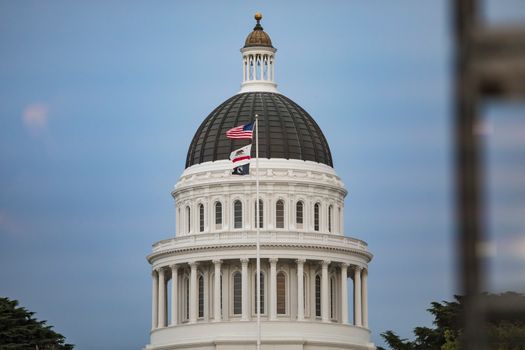 Photo: Stephen Leonardi / Pexels
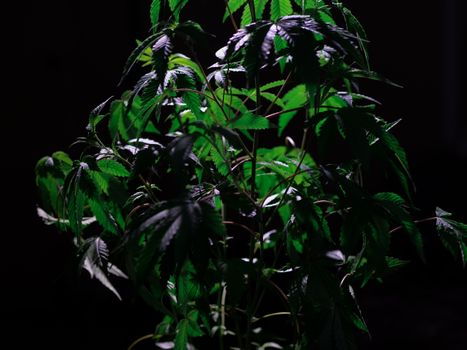 Photo: Kindel Media / Pexels
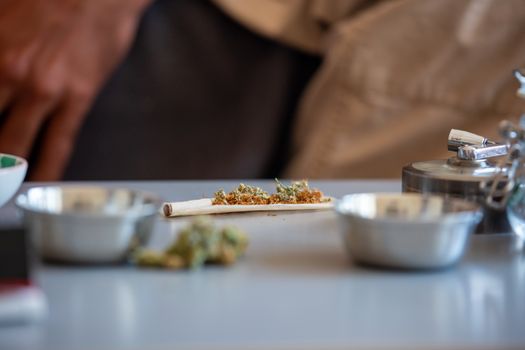 Photo: Kampus Production / Pexels
 Photo: Will Oliveira / Pexels