Navigating Cannabis Packaging Regulations California
cannabis packaging regulations California

Navigating Cannabis Packaging Regulations California

Unlock comprehensive insights into California's stringent cannabis packaging and labeling laws for seamless compliance.

Understand the Rules

Key Takeaways

  • ✓ All cannabis products in California must be sold in child-resistant packaging.
  • ✓ Packaging must be opaque and resealable for multi-use products.
  • ✓ Strict labeling requirements include THC/CBD content, net weight, and warnings.
  • ✓ Marketing and branding cannot appeal to minors or make health claims.

How It Works

1
Review Current Regulations

Regularly check the Department of Cannabis Control (DCC) website for the latest updates. California's regulations are dynamic and subject to change.

2
Design Compliant Packaging

Work with packaging manufacturers and designers who specialize in cannabis. Ensure all materials meet child-resistant and opaque requirements.

3
Implement Accurate Labeling

Develop robust internal processes for label creation and verification. Double-check all required information, including cannabinoid content and warnings.

4
Conduct Internal Audits

Perform regular internal audits of your packaging and labeling processes. This proactive approach helps identify and correct issues before they lead to violations.

Understanding California's Cannabis Packaging Framework

California's adult-use cannabis market, established under Proposition 64, is one of the most regulated in the world. The state's Department of Cannabis Control (DCC) oversees all aspects of the cannabis supply chain, with an intense focus on consumer safety and preventing youth access. This translates into an intricate web of cannabis packaging regulations California businesses must meticulously adhere to. These regulations are not merely suggestions; they are legally binding requirements that, if violated, can lead to severe penalties, including hefty fines, product recalls, and even license suspension or revocation. Therefore, a deep and thorough understanding of this framework is paramount for any cultivator, manufacturer, distributor, or retailer operating within the Golden State. The overarching goal of these regulations is multifaceted: to protect public health by ensuring product integrity, to prevent diversion to the illicit market, and crucially, to keep cannabis products out of the hands of minors. This means packaging must be designed not only for aesthetic appeal or brand recognition but primarily for safety and compliance. The requirements cover everything from the materials used, the design of child-resistant features, to the exact information that must be displayed on every label. Navigating this landscape requires continuous vigilance, as regulations are subject to updates and interpretations. Businesses must stay abreast of any changes issued by the DCC, often through emergency regulations or guidance documents. This dynamic environment necessitates a flexible and adaptive approach to packaging design and production. For example, what might have been compliant last year could be non-compliant today. Understanding the nuances of cannabis law is foundational to success in this highly competitive market. Furthermore, the regulations differentiate between various product types—edibles, concentrates, flower, topicals—each with its own specific set of rules regarding dosage, serving size, and packaging format. For instance, edible cannabis products have stringent limitations on total THC per package and individual serving size, which directly impacts how they can be packaged and portioned. Flower products, while seemingly simpler, still require opaque, child-resistant containers that often must be resealable. Concentrates and vape products also have unique considerations, particularly concerning their consumption method and potential for accidental ingestion or misuse. The complexity is compounded by the fact that many businesses outsource their packaging design and manufacturing. This introduces another layer of due diligence, as the cannabis business remains ultimately responsible for the compliance of its products, regardless of who designed or produced the packaging. Establishing clear communication and contractual agreements with packaging partners that explicitly address California's cannabis packaging regulations is essential. This proactive approach helps mitigate risks and ensures that all parties are aligned with the stringent legal requirements. Ignoring or misinterpreting these regulations is not an option; it's a direct path to operational disruption and financial loss. Therefore, investing time and resources into understanding and implementing a robust compliance program for packaging and labeling is an indispensable part of doing business in California's legal cannabis industry.

Mandatory Child-Resistant and Opaque Packaging Standards

One of the most critical components of cannabis packaging regulations California mandates is the requirement for child-resistant and opaque packaging. This isn't just a recommendation; it's a non-negotiable legal standard for virtually all cannabis products sold in the state. The primary objective is to prevent accidental consumption by minors, a public health concern that state regulators take very seriously. Child-resistant packaging must be difficult for children under five years of age to open, but not unreasonably difficult for adults. This isn't a subjective standard; it's typically tested and certified according to federal protocols, specifically 16 CFR Part 1700.20, which outlines the testing procedures for special packaging. Manufacturers must obtain documentation from their packaging suppliers proving that their containers meet these rigorous child-resistant certification standards. Without this certification, a package cannot be deemed compliant, regardless of its design or perceived difficulty to open. The implications for businesses are significant, as selecting the right packaging supplier who understands and can provide these certifications is paramount. Beyond child-resistance, packaging must also be opaque. This means that the product inside cannot be visible through the packaging. The rationale behind this requirement is twofold: first, to prevent marketing appeal to minors by obscuring the product's visual characteristics, and second, to protect the product from degradation due to light exposure, thus preserving its quality and potency. This opacity rule applies to the primary packaging (the immediate container holding the cannabis product) as well as any secondary packaging. For example, a clear plastic container holding flower would not be compliant, even if placed inside an opaque box, unless the inner container itself is also opaque or the outer box is sealed in a way that the inner container cannot be opened without first opening the outer, opaque layer. This often leads to multi-layered packaging solutions, which add to both the cost and the environmental footprint of cannabis products. Furthermore, if a cannabis product is intended for multiple uses or servings (e.g., a package of edibles with several pieces, or a resealable bag of flower), the packaging must be resealable and maintain its child-resistant properties after initial opening. This is a crucial distinction, as a single-use child-resistant package would not suffice for multi-serving products. The resealable requirement ensures that after a consumer uses a portion of the product, the remainder can be safely stored away from children. This aspect of the regulation often presents design challenges for packaging manufacturers, as it requires innovative solutions that balance functionality, compliance, and user experience. The DCC conducts regular inspections and audits to ensure compliance with these packaging standards. Non-compliant packaging can result in immediate product quarantine, mandatory recalls, and significant fines. The financial burden of a recall, which includes the cost of retrieving and destroying non-compliant products, loss of sales, and damage to brand reputation, can be devastating for a cannabis business. Therefore, investing in robust, certified child-resistant and opaque packaging is not an expense, but a critical investment in the long-term viability and integrity of a cannabis brand in California. Businesses must prioritize sourcing packaging from reputable suppliers who can provide verifiable documentation of compliance with these strict requirements, ensuring every product meets the highest safety standards required by California law.

Comprehensive Labeling Requirements for California Cannabis

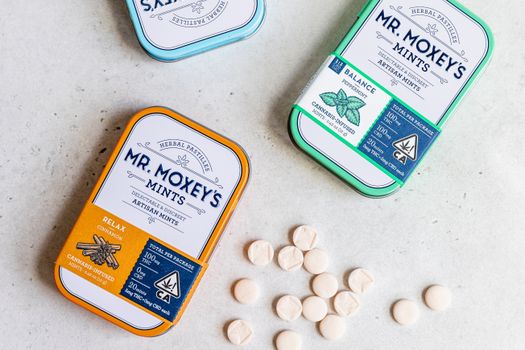
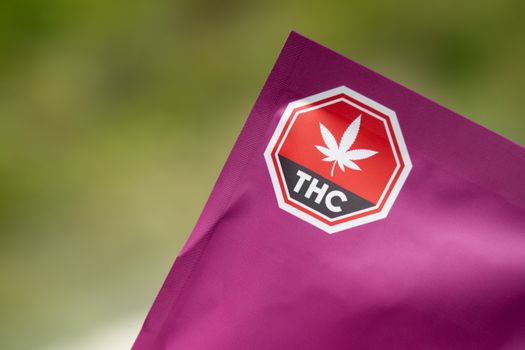
The labeling requirements under cannabis packaging regulations California has established are arguably the most detailed and frequently updated aspect of compliance. Every single cannabis product sold in the state must carry specific information on its label, designed to inform consumers, ensure product traceability, and deter illicit activities. These requirements apply to both the primary package (the container directly holding the cannabis) and any secondary packaging (e.g., an outer box or bag). The sheer volume of mandatory information often presents a significant design challenge, as all text must be legible and meet minimum font size requirements. Key elements that must appear on every cannabis product label include: the product identity (e.g., 'Cannabis Flower,' 'Cannabis Edibles'), the net weight or volume of the cannabis, the universal cannabis symbol (a specific logo mandated by the DCC), the licensed manufacturer's name and contact information, the date of packaging, and the unique batch or lot number. This batch number is crucial for traceability, allowing regulators to track products back to their origin in case of a recall or safety issue. Furthermore, labels must prominently display cannabinoid content, specifically THC, THCA, CBD, and CBDA, expressed as percentages and milligrams per package. For edibles, the total milligrams of THC per serving and per package must be clearly stated, along with the serving size. This is particularly important for consumer safety, helping individuals dose responsibly. All cannabinoid content information must be derived from laboratory testing conducted by a state-licensed and accredited laboratory, and the results must be accurate to within a very tight tolerance. Misrepresenting cannabinoid content, even accidentally, can lead to severe penalties. Health warnings are another critical component. Labels must include specific, standardized warnings about the potential risks associated with cannabis use, such as 'KEEP OUT OF REACH OF CHILDREN AND ANIMALS,' 'FOR ADULT USE ONLY,' and warnings about impaired driving. These warnings are often prescribed word-for-word by the regulations and must meet specific font size and placement requirements to ensure visibility. Marketing restrictions are also embedded within labeling rules. Labels cannot make unproven health claims, depict images that appeal to minors (like cartoons or candy-like graphics), or imply that the product is anything other than cannabis. This means no misleading branding or imagery that could confuse consumers or entice underage individuals. For instance, an edible product cannot be shaped like a common candy or snack item, nor can its packaging use branding similar to popular non-cannabis products. The DCC also requires a scannable QR code or link to a website that provides additional product information, including the certificate of analysis (COA) from the lab testing. This enhances transparency and allows consumers to verify product safety and potency. Staying updated on labeling changes is a continuous process, as the DCC frequently issues guidance and revises requirements. Businesses often invest in specialized labeling software or work with compliance consultants to ensure their labels are always current and accurate. The cost of non-compliance—ranging from fines to product destruction—far outweighs the investment in meticulous labeling processes. Therefore, a robust quality control system for label generation and application is indispensable for any cannabis operation in California.

Common Packaging Mistakes and How to Avoid Them

Navigating the intricate cannabis packaging regulations California has enacted can be challenging, and even well-intentioned businesses can fall prey to common pitfalls. Avoiding these mistakes is crucial for maintaining compliance, protecting your brand reputation, and ensuring smooth operations. Here are some of the most frequent errors and practical tips on how to circumvent them: * **Failure to Obtain Child-Resistant Certification:** Many businesses assume their packaging is child-resistant because it's difficult for an adult to open. However, California law requires actual certification from a third-party lab, adhering to 16 CFR Part 1700.20. Without this documentation, your packaging is non-compliant. Always demand certification from your packaging supplier and keep it on file. * **Inadequate Opacity:** Clear or translucent packaging for cannabis products is a common mistake. All primary and secondary packaging must be opaque, meaning the product inside cannot be seen. This prevents accidental appeal to minors and protects product integrity. If your inner container is clear, it must be fully enclosed within an opaque, sealed outer package. * **Incorrect or Missing Label Information:** This is perhaps the most common area of non-compliance. Labels frequently miss required warnings, display incorrect cannabinoid percentages, omit batch numbers, or use non-compliant font sizes. Ensure every single piece of information mandated by the DCC is present, accurate, and legible. Use a checklist for every product type. * **Marketing Appeal to Minors:** Using bright colors, cartoon characters, or branding that mimics popular candies or snacks is strictly forbidden. This rule is designed to prevent youth consumption. Packaging design should be sophisticated and clearly targeted at adults, avoiding any imagery or themes that could be attractive to children. * **Non-Resealable Multi-Use Packaging:** For products intended for multiple servings (e.g., edibles with several pieces, or an ounce of flower), the packaging must be resealable and maintain its child-resistant properties after initial opening. A common error is using single-use child-resistant packaging for multi-serving items. Always verify the resealable functionality and child-resistance after opening. * **Outdated Regulations Knowledge:** Cannabis regulations are dynamic. What was compliant last year might not be today. Failing to stay updated with the latest DCC guidelines, emergency regulations, and interpretation documents is a significant risk. Subscribe to DCC alerts, regularly check their website, and consider joining industry associations that provide regulatory updates. * **Inconsistent Labeling Across SKUs:** Even within the same product line, variations in cannabinoid content or net weight require distinct labels. Applying a generic label across similar products is a recipe for compliance issues. Each unique SKU needs its own precise and accurate label. * **Poor Quality Control in Production:** Even if your packaging design is compliant, errors can occur during printing or application. Smudged labels, misaligned text, or incorrect batch number application are common production-related issues. Implement rigorous quality control checks at every stage of packaging and labeling. * **Lack of Traceability Information:** Omitting or incorrectly displaying the batch/lot number and date of packaging makes it impossible to trace a product. This is a critical component for public safety and regulatory oversight. Ensure these details are always prominent and accurate. By meticulously reviewing these common mistakes and implementing proactive strategies to address them, cannabis businesses in California can significantly reduce their risk of non-compliance and build a stronger, more trusted brand in the market. Investing in education, robust internal processes, and reliable partners are key to navigating this complex regulatory landscape successfully.

Comparison

FeatureCompliant CA PackagingNon-Compliant Example 1Non-Compliant Example 2
Child-ResistanceCertified 16 CFR Part 1700.20Difficult to open, but no certificationEasy to open by children
OpacityFully opaque containerClear container inside opaque boxTranslucent container
Resealable (Multi-Use)Yes, maintains CR after openingSingle-use CR for multi-servingNot resealable at all
Labeling AccuracyAccurate THC/CBD, warnings, batch #Missing warnings, incorrect cannabinoidNo batch number, small unreadable text
Marketing AppealAdult-oriented, no cartoonsCandy-like brandingBright colors, cartoon characters

What Readers Say

"This guide on cannabis packaging regulations California is incredibly thorough. It clarified so many ambiguities about child-resistant requirements that I couldn't find elsewhere."

Sarah J. · Los Angeles, CA

"As a small edibles producer, staying compliant is tough. This article broke down the labeling mandates perfectly, helping us redesign our packaging to avoid fines."

Mark D. · Oakland, CA

"The information on opaque packaging and resealable features was a game-changer. We updated our flower bags based on this, ensuring full compliance and peace of mind."

Jessica L. · San Diego, CA

"Very helpful, especially the common mistakes section. I wish there was a more direct link to the DCC's specific documents, but the advice is solid for cannabis packaging regulations California."

Alex P. · Sacramento, CA

"Even as a distributor, understanding the packaging rules is vital for accepting compliant products. This article provided an excellent overview of what to look for."

Chloe R. · Santa Rosa, CA

Frequently Asked Questions

What is the most critical aspect of cannabis packaging regulations California?

The most critical aspect is ensuring all packaging is child-resistant and opaque. This is a non-negotiable requirement for virtually all cannabis products to prevent accidental consumption by minors and protect product integrity. Businesses must obtain third-party certification for child-resistance to prove compliance with federal standards.

How often do California's cannabis packaging regulations change?

California's cannabis packaging regulations are dynamic and can change frequently. The Department of Cannabis Control (DCC) regularly issues updates, emergency regulations, and guidance documents. Businesses must proactively monitor the DCC's official website and subscribe to industry alerts to stay informed and avoid non-compliance.

How do I ensure my packaging is child-resistant and compliant?

To ensure child-resistant compliance, you must source packaging that has been tested and certified according to federal standards, specifically 16 CFR Part 1700.20. Always request and keep on file the certification documentation from your packaging supplier. Additionally, for multi-serving products, the packaging must remain child-resistant after being opened and resealed.

What are the penalties for non-compliant cannabis packaging in California?

Penalties for non-compliant cannabis packaging can be severe. They range from significant fines, mandatory product recalls and destruction, to suspension or even revocation of your cannabis license. The financial and reputational costs of non-compliance can be devastating for a business operating within California's legal cannabis market.

Are there different packaging rules for various cannabis product types?

Yes, California's regulations include specific nuances for different product types. For example, edibles have strict limits on THC per serving and per package, while flower products often require resealable, opaque, child-resistant bags or jars. Concentrates and vape products also have unique considerations regarding their packaging and labeling, all designed for consumer safety and clear information.

Who should use cannabis packaging regulations California as a guide?

This guide is essential for anyone involved in the California cannabis supply chain: cultivators, manufacturers, distributors, retailers, and even packaging suppliers. Understanding these regulations is critical for ensuring product compliance, avoiding legal issues, and successfully operating within California's highly regulated cannabis market.

What kind of marketing is prohibited on cannabis packaging?

California prohibits any marketing or branding on cannabis packaging that could appeal to minors. This includes using cartoon characters, bright colors, imagery resembling candy or snacks, or making unproven health claims. All packaging must be designed to be sophisticated and clearly targeted at adult consumers, preventing accidental or intentional appeal to children.

What is the future trend for cannabis packaging in California?

Future trends for cannabis packaging in California are likely to focus on sustainability, while still adhering to strict safety and compliance. We may see more innovations in eco-friendly, child-resistant, and resealable materials. There will also be continued emphasis on clear, consumer-friendly labeling and potentially more digital integration for product information and traceability, reflecting a balance between environmental responsibility and regulatory rigor.

Mastering cannabis packaging regulations California is not just about avoiding penalties; it's about building a trustworthy brand and ensuring consumer safety. Leverage this comprehensive guide to navigate the complexities, maintain compliance, and thrive in California's dynamic cannabis market. Start optimizing your packaging strategy today for long-term success.

Topics: cannabis packaging regulations CaliforniaCA cannabis compliancemarijuana packaging lawscannabis labeling requirementschild-resistant cannabis packaging
Leo List
Brampton weed
Adultwork EstrelaBet Vai de Bet R7 Bet Betão Galera Bet Rainbet Bet9ja Shop SportyBet BetKing Sisal Loto Foot Hollywoodbets YesPlay Odibets RushBet Jugabet BetWarrior BetCity MSport betPawa Fortebet