✓ California was the first state to legalize medical cannabis in 1996.
✓ Both THC and CBD play crucial roles in cannabis's analgesic properties.
✓ Various consumption methods offer different onset times and durations of effect.
✓ Understanding California's cannabis laws is essential for safe and legal use.
How It Works
1
Understand the Endocannabinoid System
Cannabis interacts with your body's endocannabinoid system (ECS), a complex network of receptors that regulate pain, mood, appetite, and more. Phytocannabinoids like THC and CBD mimic your body's natural endocannabinoids to modulate these functions.
2
Identify Your Pain Type
Different types of pain (neuropathic, inflammatory, chronic) may respond better to specific cannabinoid profiles or strains. Tailoring your approach based on the nature of your pain is key to effective relief.
3
Choose the Right Product & Method
California offers a vast array of cannabis products: flower, edibles, tinctures, topicals, and concentrates. Each has unique characteristics regarding onset, duration, and effects, allowing for personalized treatment strategies.
4
Consult a Cannabis Professional
Given the complexity, seeking advice from a qualified physician or a knowledgeable dispensary consultant is highly recommended. They can help navigate strain selection, dosing, and potential interactions for optimal results.
Understanding the Science Behind Cannabis for Pain Relief California
Photo: Terrance Barksdale / Pexels
The journey to understanding how cannabis provides pain relief begins with a deep dive into the human body's intricate endocannabinoid system (ECS). This biological system, discovered in the early 1990s, is a complex cell-signaling system that plays a crucial role in regulating a wide range of functions and processes, including pain, mood, sleep, appetite, memory, and immune response. The ECS consists of three core components: endocannabinoids (cannabinoids produced by your body), receptors (CB1 and CB2 receptors found throughout the body), and enzymes (that break down endocannabinoids). When you introduce phytocannabinoids like THC and CBD from the cannabis plant, they interact with these CB1 and CB2 receptors, influencing the ECS to produce therapeutic effects. For instance, CB1 receptors are predominantly found in the brain and central nervous system and are responsible for the psychoactive effects of THC, as well as its analgesic properties. CB2 receptors are more common in the peripheral nervous system and immune cells, playing a significant role in reducing inflammation and pain. The synergy between these cannabinoids and the ECS is what makes cannabis such a powerful tool for pain management. THC, or Tetrahydrocannabinol, is well-known for its potent pain-relieving and anti-inflammatory properties, often providing a more immediate and noticeable reduction in pain perception, especially for chronic and severe pain. However, its psychoactive effects can be a deterrent for some. This is where CBD, or Cannabidiol, comes into play. CBD is non-psychoactive and has been extensively studied for its anti-inflammatory, analgesic, and anxiolytic (anxiety-reducing) effects. It can help reduce pain indirectly by mitigating inflammation, a common underlying cause of many types of pain. Furthermore, CBD can modulate the effects of THC, reducing its potential psychoactivity while enhancing its therapeutic benefits, a phenomenon known as the 'entourage effect.' This synergistic interaction suggests that the full spectrum of compounds in the cannabis plant, including minor cannabinoids, terpenes, and flavonoids, work together to produce a more profound therapeutic effect than any single compound alone. Understanding this complex interplay is fundamental for patients seeking effective cannabis for pain relief in California, as it informs decisions about strain selection and cannabinoid ratios. Researchers are continually uncovering new aspects of the ECS and its interaction with cannabis, paving the way for more targeted and personalized pain relief strategies.
Navigating California's Cannabis Landscape for Medical Use
Photo: Erik Mclean / Pexels
California has long been at the forefront of cannabis legalization, starting with Proposition 215 in 1996, which legalized medical cannabis. This landmark legislation paved the way for patients with qualifying medical conditions to access cannabis for therapeutic purposes. While Proposition 64, passed in 2016, legalized adult-use recreational cannabis, the medical cannabis program in California still offers distinct advantages for patients seeking cannabis for pain relief. One of the primary benefits for medical cannabis patients is the exemption from certain sales and excise taxes, making access more affordable. Additionally, medical patients often have higher purchase limits and may access a wider range of products, including those with higher potency, which can be crucial for managing severe or chronic pain. To become a qualified medical cannabis patient in California, you generally need to obtain a recommendation from a licensed physician. This recommendation confirms that you have a medical condition that could benefit from cannabis use. While chronic pain is a widely accepted qualifying condition, the specific criteria can vary slightly, so it's important to consult with a doctor knowledgeable about medical cannabis. After receiving a recommendation, patients can apply for a Medical Marijuana Identification Card (MMIC) through their county's health department, though this is not strictly required to purchase medical cannabis from licensed dispensaries. The MMIC provides an additional layer of legal protection and simplifies the process at dispensaries. When considering cannabis for pain relief in California, it's vital to purchase products from licensed dispensaries. These establishments adhere to strict state regulations regarding cultivation, testing, and labeling, ensuring product safety, potency, and purity. Unlicensed sources often sell untested products that may contain pesticides, heavy metals, or inaccurate cannabinoid profiles, posing significant health risks. California's robust regulatory framework mandates comprehensive testing for contaminants and accurate labeling of cannabinoid content, empowering patients to make informed decisions about their treatment. Furthermore, understanding the nuances of local ordinances is also important, as some cities or counties may have additional regulations concerning cannabis businesses or consumption. Staying informed about these legal aspects ensures a safe, compliant, and effective experience when utilizing cannabis for pain management in the Golden State.
Choosing the Right Cannabis Product and Strain for Your Pain
Photo: Elsa Olofsson / Pexels
Selecting the appropriate cannabis product and strain is paramount for achieving optimal pain relief. The vast array of options available in California's dispensaries can be overwhelming, but understanding the key differences can help you make informed choices. Cannabis strains are broadly categorized into Sativa, Indica, and Hybrid. Indica strains are traditionally associated with full-body relaxation, pain relief, and sedation, making them popular for nighttime use or chronic pain that impacts sleep. Sativa strains, on the other hand, are often described as uplifting and energizing, potentially better suited for daytime pain management when mental clarity and functionality are desired. Hybrid strains offer a balance of both, with effects varying depending on their dominant genetics. Beyond strain type, the cannabinoid profile is crucial. High-THC strains are often sought for severe pain due to their potent analgesic effects, while high-CBD strains are preferred for their anti-inflammatory properties without significant psychoactivity. Many patients find a balanced THC:CBD ratio to be most effective, leveraging the entourage effect for comprehensive relief. Terpenes, the aromatic compounds in cannabis, also play a significant role. For example, Myrcene is known for its sedative and anti-inflammatory properties, Limonene for mood elevation and stress relief, and Caryophyllene for its anti-inflammatory effects through direct interaction with CB2 receptors. When it comes to consumption methods, each has its own characteristics. Inhalation (smoking or vaping) offers rapid onset (minutes) and shorter duration (2-4 hours), ideal for acute pain flares. Edibles provide a delayed onset (30-90 minutes) but much longer-lasting effects (4-8 hours), making them suitable for chronic, sustained pain relief. Tinctures offer sublingual absorption, providing a quicker onset than edibles and more precise dosing control. Topicals, such as balms and lotions, are excellent for localized pain, as they provide targeted relief without psychoactive effects. Concentrates offer high potency and rapid effects, but require careful dosing. Consulting with a knowledgeable budtender or a medical cannabis doctor can help you navigate these choices, considering your specific pain type, lifestyle, and desired effects. Experimenting cautiously with different products and dosages, often starting low and going slow, is key to finding your personalized cannabis pain relief regimen.
Tips for Safe and Effective Cannabis Pain Management in California
Photo: Saul Rivera / Pexels
Achieving safe and effective pain relief with cannabis involves more than just selecting a product; it requires a mindful approach to dosing, consumption, and integration into your overall health strategy. Here are essential tips for patients in California:
* **Start Low, Go Slow:** This is perhaps the most critical piece of advice for any new cannabis user, especially for pain management. Begin with a very small dose, especially with edibles, and wait to see how your body reacts before considering increasing the amount. This minimizes the risk of unwanted side effects and helps you find your minimum effective dose.
* **Keep a Journal:** Documenting your cannabis use—including strain, product type, dosage, consumption method, time of day, and the level of pain relief achieved—can be invaluable. This helps you identify what works best for your specific pain and allows for more informed adjustments.
* **Understand Onset and Duration:** Different consumption methods have varying onset times and durations. Inhaled cannabis acts quickly but fades faster, while edibles take longer to kick in but provide sustained relief. Plan your consumption according to your pain patterns and daily activities.
* **Stay Hydrated and Nourished:** Cannabis can sometimes cause dry mouth (cottonmouth) or affect appetite. Maintaining good hydration and a balanced diet supports overall well-being and can mitigate minor side effects.
* **Consult with Healthcare Professionals:** While dispensaries offer valuable guidance, a doctor knowledgeable about medical cannabis can provide personalized advice, especially if you are on other medications. They can help you understand potential drug interactions and tailor a treatment plan that complements your existing health regimen.
* **Prioritize Product Quality:** Always purchase cannabis products from licensed California dispensaries. These products are lab-tested for potency and purity, ensuring they are free from harmful contaminants like pesticides, heavy metals, and molds.
* **Store Properly:** Store your cannabis products in a cool, dark place, away from direct sunlight and extreme temperatures, to preserve their potency and freshness. Keep them out of reach of children and pets.
* **Be Mindful of Tolerance:** Regular cannabis use can lead to increased tolerance, meaning you may need higher doses to achieve the same effects over time. Consider taking 'tolerance breaks' if you notice diminished effectiveness.
* **Combine with Other Therapies:** Cannabis can be a powerful adjunct to other pain management strategies, such as physical therapy, acupuncture, or mindfulness. It’s not always a standalone solution but can enhance the effectiveness of a holistic approach.
Comparison
Feature
High-THC Flower
High-CBD Tincture
THC/CBD Edible
CBD Topical
Psychoactive Effect
Strong
Minimal/None
Moderate to Strong
None
Onset Time
Minutes
15-45 minutes
30-90 minutes
10-30 minutes
Duration of Effect
2-4 hours
4-6 hours
4-8+ hours
2-4 hours
Best For
Acute severe pain
Chronic inflammation, anxiety
Sustained chronic pain
Localized muscle/joint pain
Dosing Control
Moderate
High (drops)
Moderate (pre-dosed)
Low (external use)
Convenience
Moderate
High
High
High
What Readers Say
★★★★★
"For years, my fibromyalgia pain made daily life unbearable. Finding the right cannabis strain in California has been a game-changer. I use a balanced THC/CBD edible nightly, and I can finally sleep through the night and function during the day with significantly less pain."
Sarah J. · Los Angeles, CA
★★★★★
"As a veteran with chronic back pain, I was skeptical. My doctor recommended cannabis for pain relief in California, and now I use a high-CBD tincture daily. It reduces inflammation and allows me to stay active without constant discomfort, much better than traditional meds."
Mark D. · San Francisco, CA
★★★★★
"My migraines were debilitating. After consulting with a cannabis specialist here in California, I started using a specific vape pen for immediate relief when a migraine hits. It cuts down the severity and duration significantly, letting me get back to my day."
Emily R. · San Diego, CA
★★★★★
"I've been using cannabis for my arthritis pain. It's incredibly effective, especially the topicals for my knees. Sometimes finding the exact right product takes a little trial and error, but the relief is worth it. Still exploring different options at my local dispensary."
David L. · Sacramento, CA
★★★★★
"After a car accident, I had persistent nerve pain. My physical therapist suggested exploring cannabis for pain relief in California. I found a CBD-rich Indica flower that helps calm my nervous system and reduce the sharp pain, allowing me to continue my rehab exercises."
Jessica M. · Oakland, CA
Frequently Asked Questions
Is cannabis for pain relief legal in California?
Yes, cannabis for both medical and recreational adult use is legal in California. Medical patients with a doctor's recommendation may also be eligible for specific benefits like tax exemptions and higher purchase limits, making it a well-regulated option for pain management.
Will cannabis make me 'high' if I use it for pain?
Whether cannabis makes you 'high' depends on the product's cannabinoid profile. Products high in THC are psychoactive, while those high in CBD are non-psychoactive. Many patients find relief with balanced THC:CBD products or CBD-only options that provide therapeutic benefits without a significant high.
How do I choose the right strain for my specific pain?
Choosing the right strain involves considering your pain type (neuropathic, inflammatory, etc.), desired effects (sedation, energy), and tolerance. Consulting with a qualified physician or a knowledgeable dispensary budtender is highly recommended to help navigate the vast selection of Indica, Sativa, and Hybrid strains, as well as their cannabinoid and terpene profiles.
How much does cannabis for pain relief cost in California?
The cost of cannabis products in California varies widely based on product type, potency, brand, and location. While medical patients may qualify for tax exemptions, prices can range from $20-$60 for an eighth of flower, $15-$50 for edibles, and $30-$100+ for tinctures or concentrates. It's an investment in your well-being.
How does cannabis compare to traditional pain medications?
Cannabis offers a natural alternative or complement to traditional pain medications, often with fewer or different side effects, especially compared to opioids. It works by interacting with the body's endocannabinoid system, providing anti-inflammatory and analgesic effects. However, it's crucial to discuss any changes to your pain management regimen with your doctor to avoid potential interactions.
Who should consider using cannabis for pain relief in California?
Individuals suffering from chronic pain conditions, neuropathic pain, inflammatory pain, cancer-related pain, and those seeking alternatives to traditional pharmaceuticals may consider cannabis. It's particularly suitable for those who haven't found adequate relief from conventional treatments or are looking for a more natural approach to pain management, after consulting with a medical professional.
Are there any risks or side effects associated with cannabis for pain?
Like any medication, cannabis can have side effects, especially with high THC doses. These can include dry mouth, red eyes, dizziness, anxiety, or paranoia. Long-term use might lead to tolerance. It's crucial to start with low doses, understand potential interactions with other medications, and purchase from licensed dispensaries to ensure product safety and purity.
What are the future trends for cannabis pain relief in California?
The future of cannabis pain relief in California is moving towards more personalized medicine, with advancements in cannabinoid and terpene research leading to highly targeted products. Expect to see more minor cannabinoid formulations (like CBG, CBN), innovative delivery methods, and increased integration into mainstream healthcare, as medical understanding and acceptance continue to grow.
Ready to explore the potential of cannabis for pain relief in California? Empower yourself with knowledge, consult with experienced professionals, and discover a path to natural, effective pain management. Your journey to a more comfortable life starts now.
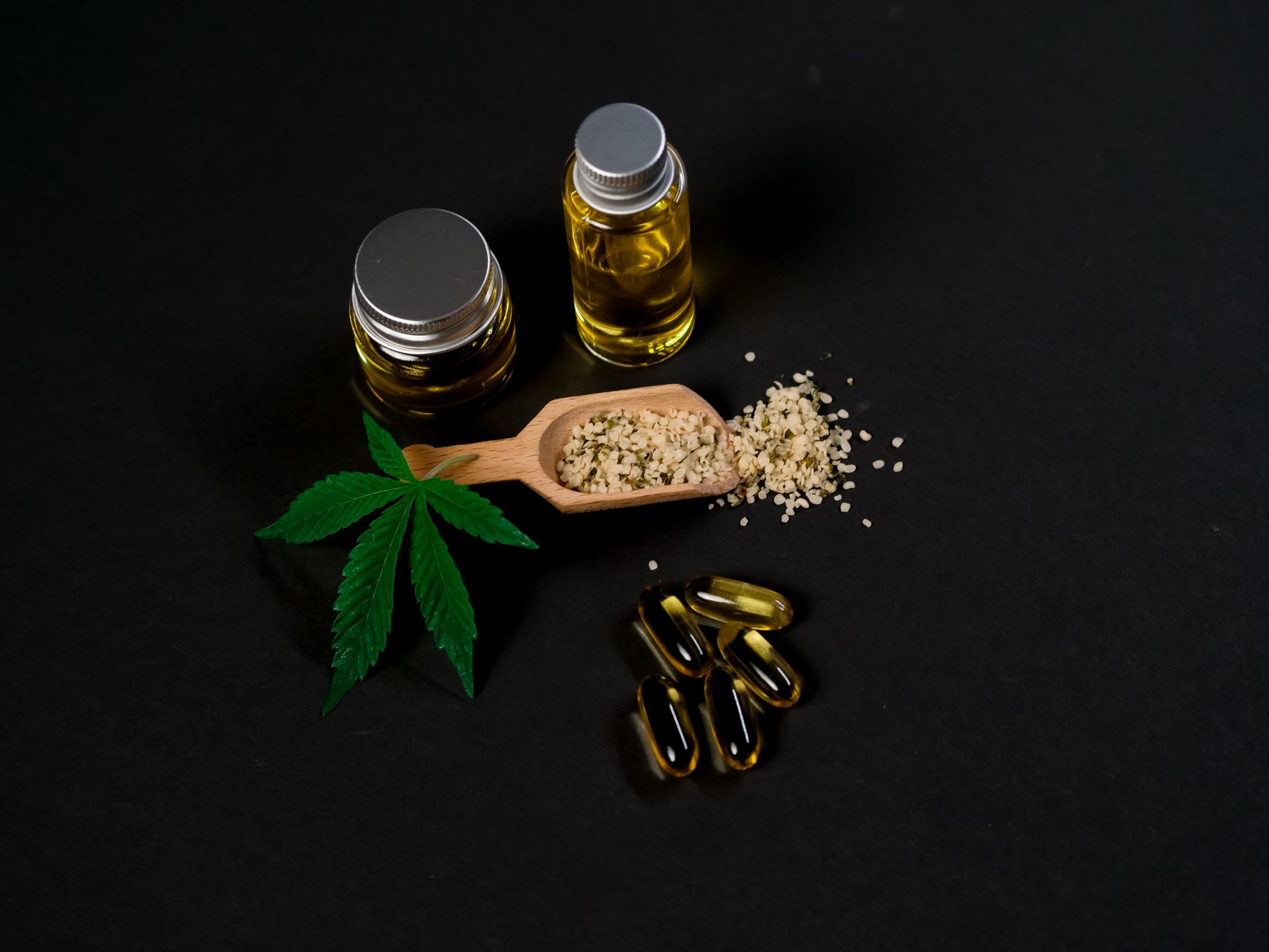
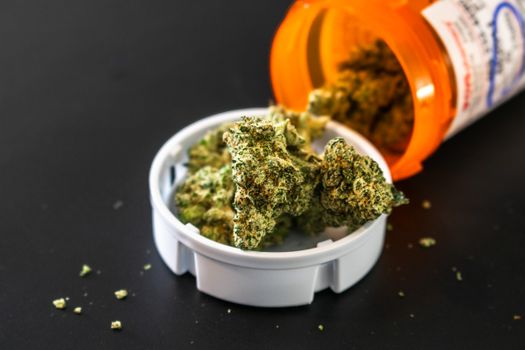 Photo: Terrance Barksdale / Pexels
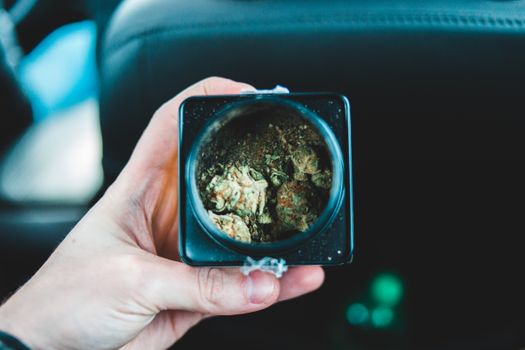 Photo: Erik Mclean / Pexels
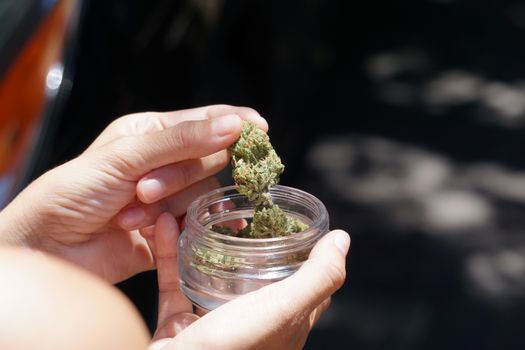 Photo: Elsa Olofsson / Pexels
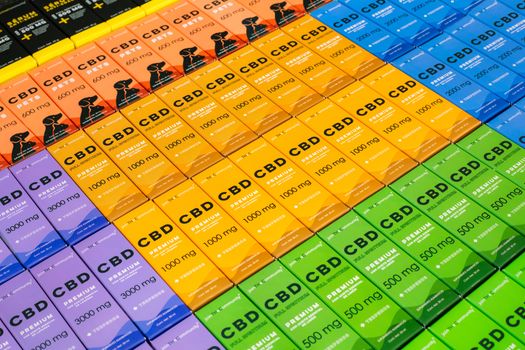 Photo: Saul Rivera / Pexels