Navigating Cannabis Regulations for Consumers CA
June 21, 2026 16 min read 3,194 words
Your definitive guide to understanding California's cannabis laws for safe and legal enjoyment.
Explore CA Laws Now
Understanding Legal Cannabis Purchase and Possession in California
 Photo: Alesia Kozik / Pexels
California's journey to legalizing adult-use cannabis has been a complex but ultimately transformative one, establishing a robust regulatory framework designed to ensure consumer safety, product quality, and responsible consumption. For consumers, understanding the nuances of these regulations is paramount to enjoying cannabis legally and without incident. The fundamental pillar of California's cannabis law is the age restriction: you must be 21 years or older to purchase or possess cannabis for recreational use. This is strictly enforced at all licensed retail locations, where valid, government-issued identification is a mandatory requirement for every transaction. Without proper ID proving you meet the age requirement, no purchase can be made, regardless of how minor the amount. This age limit mirrors that of alcohol consumption, aiming to prevent underage access and protect public health.
Once you meet the age requirement, the next crucial aspect is understanding possession limits. California law dictates how much cannabis an individual can legally possess at any given time. For cannabis flower, the limit is 28.5 grams (approximately one ounce). For concentrated cannabis products, such as oils, waxes, or edibles, the limit is 8 grams. It's important to note that these limits apply to the total amount you possess, whether on your person, in your vehicle, or at your residence. Exceeding these limits, even slightly, can lead to legal consequences ranging from civil infractions to more serious misdemeanor charges, depending on the quantity. This regulation is designed to distinguish between personal use and potential illicit distribution, ensuring that individuals are not accumulating quantities that suggest commercial intent outside the regulated market. Always double-check product weights when purchasing to ensure you stay within these defined boundaries.
Furthermore, the law specifies that all cannabis products must be purchased from state-licensed dispensaries. These establishments are easily identifiable by their state license numbers, which are typically displayed prominently. Purchasing cannabis from unlicensed sources, whether individuals, pop-up shops, or online vendors without proper state authorization, is not only illegal but also highly risky. Unlicensed products are not subject to the rigorous testing and quality control mandates that licensed products undergo. This means they could contain harmful pesticides, heavy metals, or inaccurately labeled cannabinoid content, posing significant health risks to consumers. The state's licensing system is a critical safeguard, ensuring that consumers receive products that meet strict safety and quality standards, from cultivation to processing and final sale. Consumers are encouraged to verify a dispensary's license through the California Department of Cannabis Control (DCC) website, an essential step in responsible cannabis consumption. For more information on verifying licensed retailers, consult the DCC's official resources.
Understanding California's cannabis market is crucial for safe consumption.
Beyond personal possession, the law also addresses the cultivation of cannabis for personal use. Adults 21 and over are permitted to cultivate up to six cannabis plants per residence, regardless of how many adults reside there. These plants must be grown in a secure, locked area that is not visible from a public place. This provision allows individuals to grow their own cannabis while preventing large-scale, unregulated cultivation that could undermine the legal market or pose public safety concerns. However, local jurisdictions may have additional ordinances regarding cultivation, such as requiring permits or imposing specific zoning restrictions. Therefore, it is always advisable to check with your local city or county government for any additional rules that might apply to home cultivation in your area. Adhering to these cultivation guidelines is just as important as following possession limits to remain compliant with California law. The intent behind these regulations is to provide a safe and regulated environment for cannabis use, balancing individual freedom with public interest.
Navigating Public Consumption and Transport Regulations
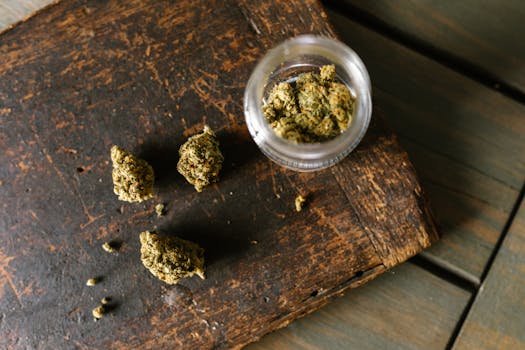 Photo: RDNE Stock project / Pexels
While California has legalized adult-use cannabis, this does not grant individuals the right to consume it anywhere they please. Public consumption of cannabis remains largely prohibited throughout the state, a critical distinction that many new consumers might overlook. The general rule of thumb is that if you cannot consume alcohol in a particular public space, you likely cannot consume cannabis there either. This includes sidewalks, parks, beaches, restaurants, bars, and any other public area where people are generally present. Violating public consumption laws can result in fines, with penalties varying depending on the specific local ordinance and the discretion of law enforcement. The rationale behind these restrictions is to maintain public order, prevent secondhand smoke exposure, and respect the preferences of individuals who may not wish to be exposed to cannabis use. Some private businesses, even if they are open to the public, may also prohibit cannabis consumption on their premises, and their rules must be respected.
There are, however, limited exceptions to the public consumption rule. Some licensed cannabis consumption lounges are beginning to emerge in California, offering designated, regulated spaces where adults can legally consume cannabis products on-site. These lounges operate under specific state and local licenses and provide a controlled environment for consumption. The availability of these lounges is still somewhat limited and varies significantly by city and county, so it's essential to research local options if you're looking for a legal place to consume outside of a private residence. Additionally, landlords and property owners retain the right to prohibit cannabis use on their private property, including within rental units. Even if you are consuming in a private residence, if that residence is a rental, you must check your lease agreement for any specific clauses regarding cannabis use to avoid potential eviction or other penalties. Respecting these private property rules is just as important as adhering to public consumption bans.
Transporting cannabis in California also comes with specific regulations designed to ensure safety and prevent impaired driving. The most crucial rule is that cannabis, whether flower, edibles, or concentrates, must be transported in a sealed container or in the trunk of your vehicle. It cannot be in an open container or readily accessible to the driver or passengers in the main cabin of the vehicle while it is being driven. This regulation mirrors open container laws for alcohol and aims to prevent immediate consumption during transit, which could lead to impaired driving. If you are pulled over by law enforcement and cannabis is found in an unsealed container or within reach, you could face citations and fines, even if you are not actively consuming it. The intent is to keep cannabis out of reach and sight, preventing temptation and potential misuse while driving.
Furthermore, driving under the influence of cannabis is strictly illegal and carries severe penalties, similar to those for alcohol-impaired driving. California has zero tolerance for impaired driving, and law enforcement officers are trained to detect impairment from cannabis. This can include field sobriety tests and, in some cases, blood tests to determine the level of active THC in a driver's system. The consequences of a cannabis DUI can include hefty fines, license suspension, mandatory DUI education programs, increased insurance rates, and even jail time. It is critical to understand that even if you feel you are not impaired, any detectable level of impairment that affects your ability to drive safely can lead to a DUI conviction. Always plan for alternative transportation if you intend to consume cannabis, just as you would with alcohol. Prioritizing safety on the road is a non-negotiable aspect of responsible cannabis use in California. These transport and consumption rules are in place to protect both consumers and the general public, fostering a safe environment for everyone.
Understanding Cannabis Product Labeling and Safety Standards
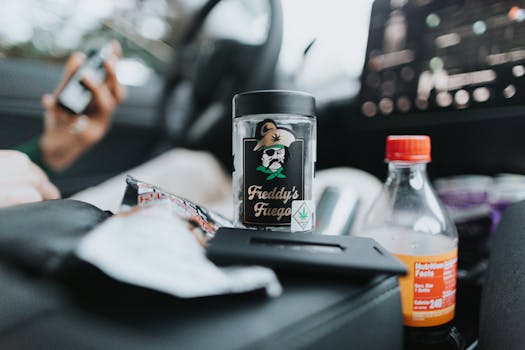 Photo: WoodysMedia / Pexels
One of the most significant benefits of California's regulated cannabis market for consumers is the stringent product labeling and safety standards mandated by the state. Unlike the unregulated market, where product information is often scarce or unreliable, licensed cannabis products in California come with comprehensive labeling that provides vital information to help consumers make informed decisions and ensure safe use. Every legally sold cannabis product must feature a label that includes the product's net weight or volume, the date it was packaged, and a unique batch number for traceability. This allows consumers to identify the product and, in the event of a recall or issue, trace it back to its origin. More importantly, labels must clearly display the cannabinoid content, including the percentages of THC, CBD, and other major cannabinoids. This empowers consumers to understand the potency of what they are purchasing, allowing them to dose responsibly and avoid accidental overconsumption. For edibles, the total amount of THC per package and per serving must be explicitly stated, with a standard serving size of 10mg THC.
Beyond cannabinoid content, labels also provide crucial safety information. This includes a list of all ingredients, especially important for edibles or infused products where allergens might be present. Products must also carry a clear list of potential allergens, similar to food products, to protect consumers with sensitivities. Furthermore, all licensed cannabis products are subjected to mandatory laboratory testing for contaminants. This testing checks for pesticides, heavy metals, residual solvents (from extraction processes), microbial impurities (like mold and bacteria), and foreign materials. The results of these tests, often summarized or linked via a QR code, assure consumers that the product meets the state's rigorous safety thresholds. If a product fails any of these tests, it cannot be sold in the licensed market. This extensive testing regime is a cornerstone of California's regulatory framework, directly addressing public health concerns associated with unregulated cannabis products.
Navigating the cannabis product landscape requires attention to these details.
Another critical aspect of product safety is child-resistant packaging. All cannabis products sold in California must be packaged in child-resistant containers to prevent accidental ingestion by minors. This is a non-negotiable requirement designed to protect children from potentially harmful exposure. Packaging must also be opaque and resealable, further enhancing safety and preventing degradation of the product. Additionally, labels must include universal warning symbols, such as the California cannabis symbol (a triangle with a cannabis leaf and an exclamation mark), and explicit health warnings. These warnings inform consumers about potential risks associated with cannabis use, including impairment, addiction, and risks during pregnancy or while breastfeeding. The presence of these warnings underscores the state's commitment to consumer education and public health.
Understanding these labeling requirements allows consumers to confidently navigate the vast array of cannabis products available. It enables them to choose products that align with their desired effects, potency preferences, and dietary restrictions, all while being assured of their safety and quality. Always take the time to read product labels thoroughly before consumption. If a product lacks clear, comprehensive labeling or seems to be missing any of the required information, it is a strong indicator that it might not be from a licensed source and should be avoided. The state's investment in these stringent labeling and safety standards is a direct benefit to consumers, providing transparency and protection that were previously absent in the cannabis market.
Essential Tips for Responsible Cannabis Use and Avoiding Common Mistakes
Responsible cannabis consumption in California goes beyond simply adhering to the legal framework; it involves making informed choices that prioritize your well-being and respect those around you. One of the most critical tips for any consumer, especially those new to cannabis, is to 'start low and go slow.' This means beginning with a very small dose, particularly with edibles where effects can be delayed and more intense, and waiting at least an hour or two before considering consuming more. Edibles, in particular, can take anywhere from 30 minutes to 2 hours to take effect, and their duration can be significantly longer than inhaled cannabis. Overconsumption is a common mistake that can lead to uncomfortable and sometimes distressing experiences, even if not physically dangerous. Understanding your tolerance and how different consumption methods affect you is key to a positive experience.
Another common pitfall is purchasing from unlicensed sources. As discussed, the allure of lower prices or unique products from the black market can be tempting, but the risks far outweigh any perceived benefits. Unlicensed products are unregulated, untested, and can contain harmful contaminants. They also contribute to an illegal economy that undermines the regulated market designed to protect consumers. Always verify a dispensary's license before making a purchase. Look for the state license number, which typically starts with 'C' for adult-use retail, and cross-reference it with the California Department of Cannabis Control's (DCC) online database. This simple step ensures you are supporting a legal, safe, and quality-controlled supply chain.
Here are some essential tips for consumers to ensure compliance and a positive experience:
* **Always Carry ID:** Even if you're a regular, dispensaries are required to check ID every time. Keep it handy.
* **Understand Potency:** Pay close attention to THC and CBD percentages. If you're unsure, ask a budtender for guidance on products suited to your experience level.
* **Store Safely:** Keep all cannabis products in child-resistant packaging and out of reach of children and pets. Consider a locked container for added security.
* **Never Drive Impaired:** Plan for a designated driver, ride-share, or public transport if you intend to consume cannabis. The legal consequences of a DUI are severe.
* **Respect Public Spaces:** Avoid consuming cannabis in public. Stick to private residences where allowed, or licensed consumption lounges if available.
* **Be Aware of Local Laws:** While state law provides a baseline, individual cities and counties can impose additional restrictions on dispensaries, cultivation, and consumption. A quick search of your local municipal codes can prevent surprises.
* **Travel Smart:** Remember that transporting cannabis across state lines, even to other legal states, is illegal under federal law. When traveling within California, ensure cannabis is in a sealed container and out of reach.
By following these guidelines, consumers can confidently navigate California's cannabis landscape, ensuring their experiences are safe, legal, and enjoyable. Education and awareness are your best tools for responsible consumption.
