Cannabis Tinctures for Pain Relief: Your Ultimate Guide
cannabis tinctures for pain relief

Cannabis Tinctures for Pain Relief: Your Ultimate Guide

Unlock natural, targeted relief from chronic pain with the power of cannabis tinctures.

Find Your Relief

Key Takeaways

  • ✓ Tinctures offer precise dosing and fast absorption.
  • ✓ They combine cannabinoids (THC, CBD) and terpenes for enhanced effects.
  • ✓ Sublingual application bypasses digestion for quicker onset.
  • ✓ Legal and regulated in Canada for medical and recreational use.

How It Works

1
Sublingual Absorption

Place drops under the tongue for rapid absorption directly into the bloodstream through capillaries. This bypasses the digestive system, leading to quicker effects.

2
Endocannabinoid System Interaction

Cannabinoids in the tincture interact with the body's endocannabinoid system (ECS), a complex network regulating pain, mood, appetite, and more. This interaction modulates pain signals.

3
Targeted Relief

Depending on the cannabinoid profile (THC, CBD, or balanced), tinctures can reduce inflammation, alter pain perception, and provide muscle relaxation. This offers targeted relief for various pain types.

4
Customizable Dosing

The dropper allows for precise measurement, enabling users to fine-tune their dosage to achieve optimal pain relief with minimal side effects. This personalized approach is key to effective management.

Understanding Cannabis Tinctures: A Primer for Pain Management
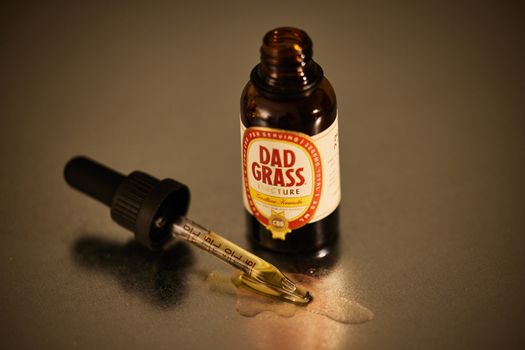
An open CBD tincture bottle with a dropper on a reflective surface. Photo: Dad Grass / Pexels
Pain, whether acute or chronic, can significantly diminish quality of life. Millions of Canadians grapple with persistent discomfort, often seeking alternatives to traditional pharmaceuticals that may come with undesirable side effects or the risk of dependency. This is where cannabis tinctures for pain relief emerge as a compelling and increasingly popular option. But what exactly are these tinctures, and how do they work their magic? At their core, cannabis tinctures are concentrated cannabis extracts dissolved in a liquid base, typically alcohol, glycerin, or a carrier oil like MCT oil. They've been around for centuries, long before the advent of modern pharmaceuticals, and represent one of the oldest forms of cannabis consumption. Their resurgence in popularity is largely due to their discreet nature, ease of use, precise dosing capabilities, and the growing scientific understanding of cannabis's therapeutic potential. Unlike smoking or vaping, which deliver cannabinoids rapidly but can be harsh on the respiratory system, tinctures are primarily consumed sublingually – meaning drops are placed under the tongue. This method allows cannabinoids like THC (tetrahydrocannabinol) and CBD (cannabidiol) to be absorbed directly into the bloodstream through the mucous membranes, bypassing the digestive system and the liver's first-pass metabolism. The result is a quicker onset of effects compared to edibles (typically 15-45 minutes vs. 1-2 hours) and a more consistent, predictable experience. Another significant advantage of tinctures is their ability to preserve the full spectrum of beneficial compounds found in the cannabis plant. This includes not only cannabinoids but also terpenes – aromatic compounds that contribute to the plant's unique scent and flavour, and which are increasingly recognized for their own therapeutic properties. The synergistic interaction between cannabinoids and terpenes is known as the 'entourage effect,' and it's believed to enhance the overall therapeutic benefits, including pain relief, compared to isolated compounds. For instance, certain terpenes like myrcene or caryophyllene have known anti-inflammatory properties that can augment the pain-relieving effects of cannabinoids. In Canada, the legal framework for cannabis has opened doors for extensive research and product development, making high-quality cannabis tinctures readily available for those seeking pain management solutions. Whether you're dealing with neuropathic pain, inflammatory conditions like arthritis, muscle spasms, or general chronic discomfort, tinctures offer a versatile and customizable approach. The ability to precisely measure doses with a dropper is crucial for pain patients, allowing them to titrate their intake to find the 'sweet spot' that provides optimal relief without excessive psychoactive effects, especially for those new to cannabis or sensitive to THC. This precision is a game-changer for effective pain management, offering a level of control rarely found in other cannabis consumption methods. Understanding the basics of how cannabis works in the body is the first step toward harnessing its power for relief.

The Science of Relief: How Cannabinoids Alleviate Pain
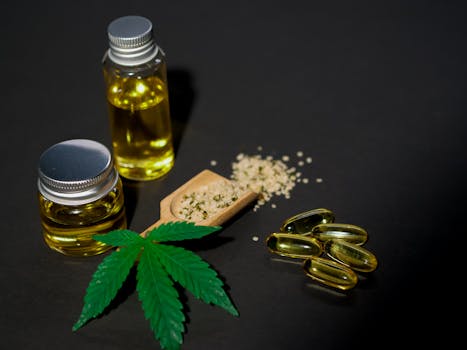
High-quality image featuring cannabis oil, seeds, leaves, and capsules on a dark background. Photo: Kindel Media / Pexels
The human body is an intricate network, and at the heart of how cannabis tinctures for pain relief exert their effects lies the endocannabinoid system (ECS). Discovered in the early 1990s, the ECS is a complex cell-signalling system that plays a crucial role in regulating a wide range of physiological functions, including pain, mood, appetite, sleep, and immune response. It consists of three main components: endocannabinoids (naturally produced cannabinoids in the body), cannabinoid receptors (CB1 and CB2, found throughout the brain and body), and enzymes that break down endocannabinoids. When you consume cannabis tinctures, the phytocannabinoids (plant-derived cannabinoids) like THC and CBD interact with your ECS. THC primarily binds to CB1 receptors, which are abundant in the central nervous system, including areas associated with pain processing. This interaction can alter pain perception, reduce inflammation, and produce a sense of euphoria, which can distract from pain. CBD, on the other hand, has a more indirect interaction with CB1 and CB2 receptors. Instead, it influences other non-cannabinoid receptors and modulates enzyme activity, leading to a broader range of therapeutic effects. CBD is renowned for its anti-inflammatory, analgesic, and anxiolytic (anxiety-reducing) properties, making it highly effective for pain relief without the significant psychoactive effects associated with THC. The beauty of tinctures for pain management often lies in the synergistic combination of THC and CBD, alongside the aforementioned terpenes. This 'entourage effect' suggests that these compounds work better together than in isolation, enhancing each other's therapeutic potential. For instance, CBD can mitigate some of the less desirable effects of THC, such as anxiety or excessive sedation, while enhancing its pain-relieving and anti-inflammatory actions. This balance is particularly important for individuals seeking chronic pain relief who need to maintain functionality throughout their day. Specific pain conditions respond differently to various cannabinoid profiles. For neuropathic pain, which arises from nerve damage, tinctures with a higher THC content or a balanced THC:CBD ratio might be more effective due to THC's direct interaction with pain pathways. For inflammatory pain, such as that caused by arthritis or fibromyalgia, CBD-dominant tinctures or balanced ratios are often preferred due to CBD's potent anti-inflammatory properties. The anti-inflammatory actions of cannabinoids are particularly significant, as inflammation is a common underlying factor in many chronic pain conditions. By reducing inflammation, cannabis can address the root cause of pain, not just mask the symptoms. Furthermore, cannabis can help improve sleep quality, which is often severely compromised in individuals living with chronic pain. A good night's sleep is essential for the body's healing processes and can significantly impact pain perception and overall well-being. Tinctures, with their precise dosing and controlled onset, can be tailored to help promote restful sleep without leading to grogginess the next day. The ongoing research into the ECS continues to uncover new ways cannabis can offer profound relief, solidifying its role as a powerful tool in modern pain management strategies.

Choosing the Right Cannabis Tincture for Your Pain in CA
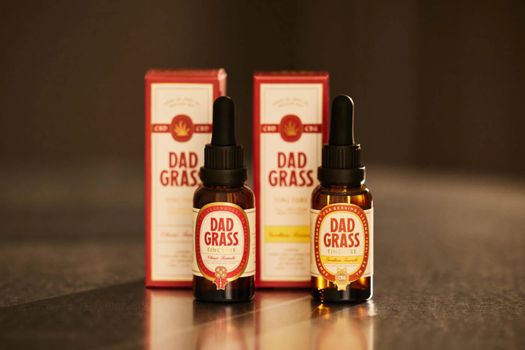
Close-up view of Dad Grass CBD oil tincture bottles and packaging, ideal for wellness branding. Photo: Dad Grass / Pexels
Navigating the world of cannabis tinctures for pain relief in Canada can feel overwhelming given the variety of products available. Making an informed choice is crucial for effective and safe pain management. The first step involves understanding the different types of tinctures and their primary cannabinoid profiles: THC-dominant, CBD-dominant, and balanced (e.g., 1:1 THC:CBD). **THC-Dominant Tinctures:** These products contain a higher concentration of THC and are often chosen for severe pain, neuropathic pain, or conditions where the psychoactive effects are either desired or tolerated. THC is a potent analgesic and can be highly effective in reducing pain perception and muscle spasms. However, beginners or those sensitive to THC should start with very low doses to assess their tolerance. The psychoactive effects can be significant, so timing and setting are important considerations. **CBD-Dominant Tinctures:** If you're seeking pain relief without the 'high,' CBD-dominant tinctures are an excellent choice. CBD is a powerful anti-inflammatory and analgesic, effective for conditions like arthritis, muscle soreness, and general inflammatory pain. It can also help with anxiety and sleep issues often associated with chronic pain. These tinctures are generally well-tolerated and have a favourable safety profile, making them a good starting point for many individuals new to cannabis for pain. **Balanced (1:1 THC:CBD) Tinctures:** Often considered the 'best of both worlds,' balanced tinctures leverage the entourage effect, where THC and CBD work synergistically. CBD can temper the psychoactive effects of THC while enhancing its therapeutic benefits, leading to more comprehensive pain relief with less intoxication. These ratios are popular for a wide range of chronic pain conditions, offering a potent analgesic effect with manageable side effects. Many users find a 1:1 ratio to be ideal for daily pain management. Beyond the cannabinoid ratio, consider the **spectrum** of the extract: full-spectrum, broad-spectrum, or isolate. Full-spectrum tinctures contain all the cannabinoids, terpenes, and other beneficial compounds naturally found in the cannabis plant, offering the most robust entourage effect. Broad-spectrum tinctures contain multiple cannabinoids and terpenes but are typically THC-free. Isolates contain only one specific cannabinoid (e.g., CBD isolate) and lack the entourage effect, though they can be useful for those who want to avoid all other compounds. When purchasing in Canada, always opt for products from licensed producers. These products undergo rigorous testing for potency, purity, and contaminants like pesticides, heavy metals, and residual solvents. Look for third-party lab results (Certificates of Analysis or COAs) to verify what's in your tincture. The carrier oil (MCT oil, hemp seed oil, etc.) can also impact absorption and flavour, so consider your preferences. Finally, always start with a low dose and gradually increase until you find your therapeutic window. Consulting with a healthcare professional knowledgeable about medical cannabis is highly recommended, especially if you are on other medications, to ensure safe and effective use. They can help guide you through the process of selecting the right tincture and establishing an appropriate dosing regimen tailored to your specific pain condition and individual needs.

Optimizing Your Experience: Tips for Using Cannabis Tinctures for Pain Relief

To truly harness the potential of cannabis tinctures for pain relief, understanding proper usage and common pitfalls is essential. Here are some expert tips to optimize your experience: **1. Start Low, Go Slow (Titration):** This is the golden rule for all cannabis consumption, especially with tinctures. Begin with a very small dose (e.g., 2.5 mg of THC or CBD) and wait at least 60-90 minutes before considering another dose. Increase your dosage gradually over several days or weeks until you find the minimum effective dose that provides relief with minimal side effects. This personalized approach prevents overconsumption and helps you discover your ideal therapeutic window. **2. Sublingual Application is Key:** For optimal and rapid absorption, place the tincture drops directly under your tongue and hold them there for 60-90 seconds before swallowing. This allows the cannabinoids to be absorbed directly into your bloodstream through the capillaries, bypassing the digestive system and liver for quicker onset and higher bioavailability. **3. Consistency is Crucial for Chronic Pain:** For chronic pain management, consistency in your dosing schedule can be more effective than sporadic use. Taking your tincture at regular intervals, perhaps two or three times a day, can help maintain a steady level of cannabinoids in your system, providing more sustained relief. **4. Consider the Time of Day:** The effects of tinctures can last for several hours. If your tincture contains THC, consider how its psychoactive effects might impact your daily activities. Many users prefer THC-dominant tinctures in the evening to aid sleep, while CBD-dominant or balanced options might be better for daytime use. **5. Keep a Journal:** Documenting your dosage, the time of day, the type of pain you're experiencing, and the effects (both positive and negative) can be incredibly helpful. This journal will provide valuable data for you and your healthcare provider to fine-tune your regimen. **6. Store Properly:** Store your cannabis tinctures in a cool, dark place away from direct sunlight and heat to preserve their potency and extend their shelf life. A cupboard or pantry is usually ideal. **7. Be Mindful of Interactions:** If you are taking other medications, always consult with a healthcare professional before incorporating cannabis tinctures. Cannabinoids can interact with certain drugs, particularly those metabolized by the cytochrome P450 enzyme system. **8. Choose the Right Carrier Oil:** Some tinctures use MCT oil, others hemp seed oil or alcohol. MCT oil is generally well-tolerated and can enhance absorption. Alcohol-based tinctures might have a stronger taste but can also be very effective. Experiment to see what works best for you. **9. Don't Expect Instant Cures:** While tinctures can provide significant relief, they are not a magic bullet. They are a tool for managing pain and improving quality of life. Be patient and allow your body to adjust. It might take some time to find the right product and dose. **10. Understand the Difference from Edibles:** While both are ingested, tinctures used sublingually bypass the digestive system. If you swallow the tincture immediately, it will act more like an edible, with a delayed onset (1-2 hours) and potentially more intense, longer-lasting effects. For quicker relief, always use the sublingual method. By following these tips, you can maximize the therapeutic benefits of cannabis tinctures for pain relief and integrate them effectively into your wellness routine.

Comparison

FeatureCannabis TincturesOral EdiblesTopicalsSmoking/Vaping
Onset Time15-45 mins (sublingual)60-120 mins10-30 mins (localized)1-5 mins
Duration of Effects4-8 hours6-12 hours2-4 hours (localized)1-3 hours
Dosing PrecisionHigh (dropper)Medium (pre-dosed)Low (variable absorption)Low (variable inhalation)
DiscretionVery HighHighVery HighLow (smell/vapor)
Lung ImpactNoneNoneNonePotential irritation
Systemic Relief✗ (localized)
Psychoactive PotentialVariable (THC content)Variable (THC content)NegligibleVariable (THC content)

What Readers Say

"I've struggled with chronic back pain for years, and cannabis tinctures for pain relief have been a lifesaver. I use a 1:1 THC:CBD tincture, and it helps me manage my pain throughout the day without making me feel overly high. I can finally sleep through the night."

Sarah J. · Vancouver, BC

"As someone with fibromyalgia, finding consistent relief has been a challenge. My CBD-dominant cannabis tincture has significantly reduced my inflammation and muscle stiffness. It's easy to dose and provides reliable comfort."

Mark T. · Toronto, ON

"After a car accident, I had persistent nerve pain. My doctor recommended trying cannabis tinctures for pain relief. With a THC-heavy tincture, I've seen a 70% reduction in my neuropathic pain, allowing me to resume many of my daily activities."

Emily R. · Calgary, AB

"Cannabis tinctures for pain relief have been helpful for my arthritis, but it took a bit of experimentation to find the right dosage. I appreciate the control I have with the dropper, though the taste of some can be a bit strong. Overall, a positive experience."

David L. · Montreal, QC

"My grandmother uses cannabis tinctures for her generalized body aches, and it's made a huge difference in her mobility and mood. She prefers a low-THC, high-CBD option, and it helps her stay active and enjoy her golden years without constant discomfort."

Jessica M. · Halifax, NS

Frequently Asked Questions

Are cannabis tinctures for pain relief legal in Canada?

Yes, cannabis tinctures are fully legal in Canada for both medical and recreational use for adults 19 years and older (18 in Alberta and Quebec), provided they are purchased from provincially licensed retailers. The products are regulated to ensure safety and accurate potency.

Will cannabis tinctures make me feel 'high'?

It depends on the tincture's THC content. THC-dominant tinctures will produce psychoactive effects, while CBD-dominant tinctures are non-intoxicating. Balanced (e.g., 1:1 THC:CBD) tinctures offer therapeutic benefits with milder psychoactive effects, as CBD can mitigate the 'high' from THC.

How do I properly dose cannabis tinctures for pain relief?

Begin with a low dose, typically 2.5-5 mg of cannabinoids, placed under the tongue. Hold for 60-90 seconds before swallowing. Wait at least 60-90 minutes to assess effects before considering another dose. Gradually increase your dose over several days until you find your optimal therapeutic window. Consistency and patience are key.

How much do cannabis tinctures for pain relief cost in Canada?

The cost of cannabis tinctures varies widely based on brand, cannabinoid content, size, and spectrum (full-spectrum, broad-spectrum, isolate). You can expect to pay anywhere from $30 to $100+ for a 30ml bottle. While initial cost might seem higher than some over-the-counter options, the sustained relief and potential reduction in other medications can offer significant value.

How do cannabis tinctures compare to edibles for pain relief?

Tinctures, especially when used sublingually, have a faster onset (15-45 minutes) and can offer more precise dosing compared to edibles. Edibles have a delayed onset (1-2 hours) but often provide longer-lasting effects. Both bypass the respiratory system, but tinctures allow for more immediate and controlled relief.

Who should use cannabis tinctures for pain relief?

Cannabis tinctures are suitable for individuals seeking natural, discreet, and precisely dosed relief from various types of pain, including chronic pain, neuropathic pain, inflammatory conditions (like arthritis), and muscle spasms. They are particularly beneficial for those who prefer to avoid smoking or vaping and desire customizable effects.

Are there any side effects or risks associated with cannabis tinctures?

Potential side effects, especially with THC-containing tinctures, include dry mouth, red eyes, dizziness, drowsiness, and altered perception. CBD is generally well-tolerated but can cause mild side effects like fatigue or diarrhea in high doses. Always consult a healthcare professional, especially if you're on other medications, to discuss potential interactions and risks.

What's the future of cannabis tinctures for pain management?

The future looks promising, with ongoing research into specific cannabinoid and terpene profiles for targeted pain relief. Expect to see more sophisticated formulations, personalized medicine approaches based on individual genetics, and increased integration into mainstream healthcare as understanding and acceptance grow. Advancements in delivery methods and bioavailability are also on the horizon.

Embrace a new chapter of comfort and well-being. Explore the diverse world of cannabis tinctures for pain relief and discover a natural, effective solution tailored to your needs. Consult with a healthcare professional to start your journey towards a pain-managed life today.

Topics: cannabis tinctures for pain reliefCBD tinctures for painTHC tinctures for chronic paincannabis pain managementmarijuana tinctures Canada
Leo List
Brampton weed
Adultwork EstrelaBet Vai de Bet R7 Bet Betão Galera Bet Rainbet Bet9ja Shop SportyBet BetKing Sisal Loto Foot Hollywoodbets YesPlay Odibets RushBet Jugabet BetWarrior BetCity MSport betPawa Fortebet