Cannabis vs Hemp California: Your Ultimate Guide
cannabis vs hemp California

Cannabis vs Hemp California: Your Ultimate Guide

Minimalist image of a single green cannabis leaf isolated on a white background.Photo: Kindel Media / Pexels

Cannabis vs Hemp California: Your Ultimate Guide

Unlock the nuances of California's cannabis and hemp industries to make informed decisions for your health and wellness.

Explore Your Options

Key Takeaways

  • ✓ Cannabis and hemp are both varieties of the plant Cannabis sativa L.
  • ✓ The primary legal differentiator in California (and federally) is THC content: hemp contains less than 0.3% Delta-9 THC.
  • ✓ Cannabis (marijuana) is regulated for recreational and medicinal use in California, with higher THC levels.
  • ✓ Hemp-derived products, including CBD, are widely available in California for various wellness purposes.

How It Works

1
Understand the Legal Definition

Familiarize yourself with California's specific laws distinguishing cannabis from hemp based on THC concentration. This fundamental difference dictates cultivation, processing, and sales regulations.

2
Identify Product Categories

Recognize whether a product is derived from cannabis (high-THC) or hemp (low-THC). This will guide you to the appropriate retail channels and ensure compliance with state laws.

3
Assess Your Needs

Determine if you're seeking psychoactive effects, specific therapeutic benefits without intoxication, or industrial applications. Your desired outcome will direct you towards either cannabis or hemp products.

4
Source Responsibly

Always purchase from licensed dispensaries for cannabis products and reputable retailers for hemp-derived goods. Look for third-party lab testing to verify potency and purity.

The Botanical Divide: Cannabis Sativa L. and its Varieties
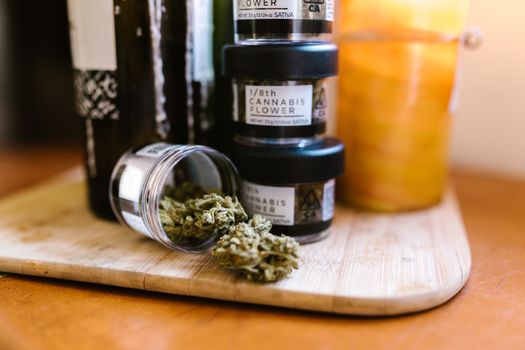
Cannabis buds in glass jars on a wooden board indoors with soft lighting.Photo: RDNE Stock project / Pexels
To truly grasp the distinction between cannabis and hemp in California, we must first understand their botanical origins. Both are varieties of the same plant species, Cannabis sativa L., a fact that often causes confusion among consumers and even some regulators. Historically, the terms 'cannabis' and 'hemp' were used somewhat interchangeably or to describe different uses of the plant. However, modern legal frameworks, particularly in California, have created a clear, albeit somewhat arbitrary, line in the sand based on a single chemical compound: Delta-9 tetrahydrocannabinol (THC). Cannabis sativa L. is a remarkably versatile plant, capable of producing a wide array of cannabinoids, terpenes, and other compounds. The difference between what we call 'hemp' and what we call 'marijuana' (which is the common term for high-THC cannabis) boils down to the concentration of Delta-9 THC. Hemp, by federal and California law, is defined as Cannabis sativa L. containing less than 0.3% Delta-9 THC on a dry weight basis. Anything above this threshold is legally classified as cannabis or marijuana. This seemingly small percentage has massive implications for cultivation, processing, sale, and consumption. This distinction isn't just a legal technicality; it reflects fundamental differences in the plant's chemical profile and its effects on the human body. High-THC cannabis is primarily cultivated for its psychoactive properties, often associated with recreational use or specific medical applications where THC's effects are desired. Hemp, on the other hand, is cultivated for its fibers, seeds, and its rich content of other cannabinoids, most notably cannabidiol (CBD), which does not produce intoxicating effects. Understanding this botanical and chemical foundation is the first crucial step in navigating the California landscape of these two related, yet legally distinct, plant products. It's not about two entirely different plants, but rather two different expressions of the same plant species, guided by selective breeding and legal definitions. The agricultural practices, genetic selection, and end-product applications diverge significantly once this THC threshold is considered. For consumers in California, recognizing this core difference is paramount to making informed choices and ensuring compliance with state regulations regarding cannabis products.

Navigating California's Legal Framework: High-THC Cannabis

California has been at the forefront of cannabis legalization in the United States, first with medicinal cannabis in 1996 (Proposition 215) and later with adult-use recreational cannabis in 2016 (Proposition 64, the Adult Use of Marijuana Act or AUMA). This progressive stance has created a robust and highly regulated market for high-THC cannabis. For any product to be legally considered 'cannabis' or 'marijuana' in California, it must contain Delta-9 THC levels exceeding the 0.3% threshold. This classification triggers a cascade of stringent regulations governing every aspect of the supply chain, from seed to sale. Cultivation of high-THC cannabis in California requires specific state and local licenses. Growers must adhere to strict environmental standards, pesticide use regulations, and tracking protocols (using the state’s track-and-trace system, METRC). Processing facilities, where cannabis is transformed into edibles, concentrates, topicals, and other products, face equally rigorous licensing and operational requirements. All cannabis products intended for sale in California's regulated market must undergo mandatory third-party lab testing. These tests verify cannabinoid potency (including THC and CBD levels), screen for contaminants such as pesticides, heavy metals, residual solvents, and microbial impurities, and ensure product safety and accurate labeling. This testing regime is designed to protect consumers and maintain the integrity of the legal market. Retail sales of high-THC cannabis are restricted to licensed dispensaries, both storefront and delivery services. Consumers must be 21 years or older (or 18 with a valid medical recommendation) to purchase. There are also possession limits (e.g., 28.5 grams of flower, 8 grams of concentrate) and restrictions on public consumption. The tax structure for cannabis in California is also complex, involving cultivation taxes, excise taxes, and local sales taxes, which significantly impact the final price of products. Understanding these layers of regulation is crucial for consumers, businesses, and anyone interacting with California's legal cannabis market. The goal is to ensure a safe, legal, and transparent industry, distinguishing it sharply from the unregulated illicit market. These regulations are continually evolving, reflecting the state's ongoing commitment to refining its cannabis regulatory framework.

The World of Hemp: CBD, Fibers, and Beyond in the Golden State

While high-THC cannabis operates under strict recreational and medicinal regulations, hemp in California exists in a different, though still evolving, legal landscape. The 2018 Farm Bill federally legalized industrial hemp, defining it as Cannabis sativa L. with less than 0.3% Delta-9 THC. California quickly aligned with this federal definition, opening the door for widespread cultivation, processing, and sale of hemp-derived products. This has led to a boom in the market for cannabidiol (CBD), a non-intoxicating cannabinoid, as well as a renewed interest in hemp for its industrial applications. California's hemp industry encompasses a broad spectrum of products. CBD, extracted from hemp, is found in everything from oils, tinctures, and capsules to edibles, topicals, and even pet products. These products are widely available in health food stores, pharmacies, online retailers, and even some grocery stores, a stark contrast to the dispensary-only access for high-THC cannabis. The legal framework for hemp-derived CBD in California has faced its own set of challenges, particularly regarding its inclusion in food, beverages, and dietary supplements. Initially, California's Department of Public Health (CDPH) took a cautious stance, aligning with federal FDA guidance that generally prohibits CBD in these categories if it's marketed as a drug ingredient. However, subsequent legislation, notably AB 45, has sought to clarify and regulate the sale of hemp-derived cannabinoids, including CBD, in food, beverages, and cosmetics, establishing testing, labeling, and manufacturing standards similar to those for other consumer goods. Beyond CBD, hemp's utility extends to its fibers and seeds. Hemp fibers are incredibly strong and durable, used in textiles, paper, building materials, and bioplastics. Hemp seeds are a nutritional powerhouse, rich in protein, essential fatty acids, and minerals, often consumed as a superfood or pressed for oil. California's climate is highly suitable for hemp cultivation, and farmers are increasingly exploring it as an alternative crop. The regulations for hemp cultivation focus on ensuring the THC content remains below the legal limit, requiring regular testing of crops. While the hemp industry doesn't face the same stringent licensing and taxation as high-THC cannabis, it is still subject to agricultural regulations, consumer product safety laws, and specific rules for cannabinoid products. This dual-track approach allows California to harness the diverse potential of the Cannabis sativa L. plant, distinguishing between its psychoactive and non-psychoactive applications while striving for consumer safety across both sectors. The growth of the hemp market is transforming how Californians think about cannabinoid products.

Choosing Wisely: Tips for California Consumers

Navigating the diverse world of cannabis and hemp products in California requires an informed approach. With different legal statuses, intended uses, and product availabilities, making the right choice depends on understanding your needs and the nuances of the market. Here are essential tips for California consumers: * **Understand Your Desired Outcome:** Are you seeking the psychoactive effects of THC for recreational enjoyment or specific medical conditions? Or are you looking for the non-intoxicating wellness benefits often associated with CBD and other hemp compounds? Your primary goal will dictate whether you should be looking at high-THC cannabis or hemp-derived products. * **Verify Product Sourcing:** For high-THC cannabis, always purchase from licensed dispensaries. These facilities are regulated by the Department of Cannabis Control (DCC) and ensure products are tested, safe, and accurately labeled. For hemp-derived CBD, seek out reputable brands that provide third-party lab results (Certificates of Analysis or COAs) for each batch. These COAs verify cannabinoid content and confirm the absence of contaminants like pesticides, heavy metals, and residual solvents. * **Read Labels Carefully:** Labels on both cannabis and hemp products are crucial. For cannabis, look for THC and CBD percentages, strain information, and testing results. For hemp products, verify the Delta-9 THC content (should be below 0.3%), the total CBD or other cannabinoid content, and the type of extract (full-spectrum, broad-spectrum, or isolate). Full-spectrum hemp extracts contain a wider range of cannabinoids and terpenes, including trace amounts of THC, which some users prefer for the 'entourage effect.' Broad-spectrum contains multiple cannabinoids but no THC, while isolates contain only CBD. * **Be Aware of Legal Limits:** Remember that even though hemp is legal, there are still rules. While you can generally possess unlimited amounts of hemp products, high-THC cannabis has strict possession limits. Also, consuming any cannabis product in public remains largely illegal. Driving under the influence of either cannabis or high-dose CBD is also prohibited and can lead to OUI charges. * **Consult Professionals:** If you're using cannabis or hemp for health reasons, consult with a healthcare professional, especially if you're taking other medications. They can provide personalized advice on dosage, potential interactions, and product suitability. Dispensary budtenders can also offer valuable insights into high-THC cannabis products, while knowledgeable staff at reputable CBD stores can guide you through hemp options. * **Stay Informed on Regulations:** California's cannabis and hemp laws are dynamic. Stay updated on changes from the DCC and CDPH to ensure you're always making legal and safe choices. This includes understanding new product categories or evolving testing requirements. By following these tips, California consumers can confidently navigate the complex, yet rewarding, world of cannabis and hemp, ensuring safe, effective, and compliant product use.

Comparison

FeatureHigh-THC Cannabis (Marijuana)Hemp (CBD Products)Hemp (Industrial Use)
Delta-9 THC ContentAbove 0.3%Below 0.3%Below 0.3%
Psychoactive EffectsYes, intoxicatingNo, non-intoxicatingNo, non-intoxicating
Primary Cannabinoid FocusTHCCBD (also CBG, CBN, etc.)Minimal cannabinoid focus
Main UsesRecreational, MedicalWellness, Therapeutic (non-intoxicating)Fibers, Seeds, Bioplastics
Retail AccessLicensed Dispensaries OnlyVarious Retailers (online, health stores, etc.)Industrial Suppliers, Specialty Stores
California RegulationDCC (Department of Cannabis Control)CDPH (CA Dept. of Public Health) & DCCCA Dept. of Food & Agriculture
Federal LegalityIllegal (Schedule I)Legal (2018 Farm Bill)Legal (2018 Farm Bill)
Product ExamplesFlower, Vapes, Edibles, ConcentratesCBD Oils, Topicals, Edibles, CapsulesRopes, Textiles, Building Materials, Food

What Our Readers Say

5 ★★★★★

"Before reading this, I was so confused about cannabis vs hemp in California. Now I understand why my local dispensary sells one type of product and the health food store sells another. It's truly clarifying and helps me make safer choices."

5 ★★★★★

"As a medical cannabis patient, I've always known the difference, but this article breaks down the legal intricacies of California's market really well. It's a great resource for anyone new to the scene, highlighting the importance of licensed retailers."

5 ★★★★★

"I was looking for CBD for chronic pain and this guide helped me distinguish between legitimate hemp products and those that might be mislabeled. Thanks to the advice here, I found a reputable brand with third-party testing, and my pain has significantly improved."

4 ★★★★☆

"The details on California's regulatory bodies for both cannabis and hemp were particularly helpful. While I already knew some of the basics, the depth provided on AB 45 and the roles of DCC vs. CDPH was really insightful for a small business owner like myself."

5 ★★★★★

"Coming from a state where cannabis is still illegal, moving to California meant a whole new world. This guide on cannabis vs hemp California broke it down perfectly, making me feel much more confident about exploring the legal options responsibly."

Frequently Asked Questions

What is the key legal difference between cannabis and hemp in California?
The key legal difference in California, mirroring federal law, is the Delta-9 THC content. Hemp is defined as Cannabis sativa L. with less than 0.3% Delta-9 THC on a dry weight basis, while anything above this threshold is legally classified as cannabis or marijuana, subject to stricter regulations.
Can I legally buy CBD products from hemp anywhere in California?
Yes, hemp-derived CBD products (containing less than 0.3% Delta-9 THC) are widely available in California through various retailers, including health stores, pharmacies, and online. However, it's crucial to ensure the products are from reputable sources and comply with California's specific regulations for hemp-derived cannabinoids in consumer goods, such as those outlined in AB 45, which mandates testing and labeling.
How do I know if a product is cannabis or hemp-derived?
Check the product label. Legally compliant cannabis products sold in California dispensaries will clearly state THC content and be marked with a universal symbol indicating it contains cannabis. Hemp-derived products will often emphasize 'CBD' or 'Hemp Extract' and should clearly state that they contain less than 0.3% Delta-9 THC, often with a QR code linking to third-party lab results.
Are cannabis and hemp products expensive in California?
The cost varies significantly. High-THC cannabis products often include substantial state and local taxes, making them generally more expensive, especially at licensed dispensaries. Hemp-derived CBD products also vary in price based on brand, potency, and type, but typically do not carry the same high tax burden. Value depends on your desired effects and product quality.
Is full-spectrum CBD oil considered cannabis or hemp in California?
Full-spectrum CBD oil is derived from hemp, meaning it contains a wide range of cannabinoids and terpenes, including trace amounts of Delta-9 THC (up to 0.3%). As long as its Delta-9 THC content remains below 0.3%, it is legally classified as a hemp product in California, not high-THC cannabis, and is generally available outside of licensed dispensaries.
Who should choose cannabis vs hemp in California?
Individuals seeking psychoactive effects, intense euphoria, or specific medical benefits associated with higher THC levels should choose high-THC cannabis from licensed dispensaries. Those looking for non-intoxicating wellness support, relief without a 'high,' or industrial uses (like fibers) should opt for hemp-derived products, particularly CBD.
Are there risks associated with using either cannabis or hemp products?
Yes, both have potential risks. High-THC cannabis can cause intoxication, impaired judgment, and potential for dependence. Hemp-derived CBD is generally well-tolerated but can interact with medications and may cause side effects like drowsiness. Always start with low doses, purchase from reputable sources with lab testing, and consult a healthcare provider, especially if pregnant, breastfeeding, or on medication.
What are the future trends for cannabis and hemp in California?
Future trends in California include continued regulatory refinement for both sectors, potentially leading to more streamlined licensing and product innovation. Expect growth in niche cannabinoid products (e.g., CBG, CBN), sustainable cultivation practices, and increasing integration of hemp into various industrial applications, while the high-THC market may see further consolidation and expansion of delivery services.

Understanding the distinction between cannabis vs hemp in California empowers you to navigate this dynamic landscape with confidence. Whether for wellness, recreation, or industrial purposes, make informed choices by prioritizing legal compliance, product quality, and your personal needs. Explore the diverse offerings responsibly and safely.

Topics: cannabis vs hemp CaliforniaCalifornia cannabis lawshemp products CaliforniaCBD vs THC Californiamarijuana legal California
Leo List
Brampton weed
Adultwork