✓ California is the largest legal cannabis market in the world.
✓ Strict seed-to-sale tracking is mandated for all cannabis products.
✓ Wholesale distribution requires specific state and local licenses.
✓ The market is highly competitive, demanding strategic partnerships and pricing.
How It Works
1
Obtain Necessary Licenses
Secure both state and local cannabis distribution licenses. This involves extensive applications, background checks, and facility inspections.
2
Source Compliant Products
Establish relationships with licensed cultivators and manufacturers. Ensure all products meet California's stringent testing and labeling requirements.
3
Manage Logistics & Sales
Develop robust inventory management, secure transportation, and sales strategies. Connect with licensed dispensaries and retailers across the state.
4
Maintain Regulatory Compliance
Continuously monitor and adapt to evolving regulations. Accurate record-keeping and adherence to all state mandates are crucial for long-term success.
Navigating the California Cannabis Wholesale Landscape
Photo: Cannafornia / Pexels
The California cannabis market is a behemoth, representing the largest legal cannabis economy globally. For businesses looking to enter or expand within the cannabis wholesale California sector, understanding its unique intricacies is paramount. This isn't just about moving product; it's about navigating a highly regulated, rapidly evolving ecosystem that demands precision, compliance, and strategic foresight. From cultivation to retail, every step in the supply chain is meticulously tracked and regulated by the California Department of Cannabis Control (DCC). This regulatory framework, while complex, is designed to ensure product safety, prevent diversion, and promote fair market practices. Success in this environment hinges on more than just having a great product; it requires a deep understanding of licensing requirements, distribution channels, and the competitive landscape. The sheer scale of California's market, with its diverse consumer base and vast geographic spread, presents both incredible opportunities and significant challenges. Businesses must contend with varying local ordinances, a multitude of product categories, and an ever-present need for robust logistical solutions. Building strong, compliant relationships with cultivators, manufacturers, and retailers is the cornerstone of any successful wholesale operation. Moreover, staying abreast of market trends, consumer preferences, and legislative changes is not merely advantageous but essential for sustained growth. The Golden State's cannabis industry is a dynamic arena where only the most adaptable and well-informed players truly thrive. Understanding the nuances of cannabis regulations is key to unlocking its potential. Businesses must invest in legal counsel and compliance officers to ensure every transaction, every shipment, and every label meets the stringent state standards. This proactive approach minimizes risks and builds a reputation for reliability, which is invaluable in a market where trust is a premium commodity. The wholesale segment acts as the crucial bridge between production and retail, making its efficiency and integrity vital to the entire industry's health. Without a robust and compliant wholesale infrastructure, the flow of products to consumers would grind to a halt, underscoring its indispensable role.
Essential Licenses and Compliance for Wholesale Operations
Photo: Kindel Media / Pexels
Operating in cannabis wholesale California is impossible without the correct licenses. The state of California requires a Distributor License (Type 11) for businesses that transport cannabis goods between licensees, arrange for testing, and conduct quality assurance reviews. Additionally, a Distributor Transport Only License (Type 13) is available for those solely transporting cannabis goods between licensees. It's crucial to understand that these are state licenses, and local jurisdictions often impose their own additional permitting and operational requirements. This dual layer of regulation means that a business must not only satisfy the DCC but also comply with the specific rules of the city or county where their facility is located. The application process for these licenses is rigorous, demanding detailed business plans, financial disclosures, security plans, and environmental impact statements. Background checks are extensive, covering all owners, managers, and key personnel. Furthermore, maintaining compliance isn't a one-time event; it's an ongoing commitment. Licensees are subject to regular inspections, audits, and strict reporting requirements, including seed-to-sale tracking through the state's track-and-trace system, Metrc. Any deviation from these regulations can result in hefty fines, license suspension, or even revocation, making a robust compliance program non-negotiable. Investing in compliance software, training staff, and regularly reviewing operational procedures against the latest regulatory updates are vital strategies. The landscape of cannabis law is constantly shifting, with new regulations and amendments frequently introduced. A proactive approach to compliance, rather than a reactive one, is what distinguishes successful wholesale operations. This includes meticulous record-keeping for every transaction, from origin to destination, ensuring that all products are properly tested by licensed labs and that all packaging and labeling adhere to state guidelines. Failure in any of these areas can lead to significant disruptions and financial penalties, undermining the entire business. Therefore, cultivating a culture of compliance from the top down is not just good practice; it's a fundamental requirement for survival and prosperity in California's regulated cannabis market.
Building a Robust Supply Chain and Distribution Network
Photo: Diego Barros / Pexels
The backbone of any successful cannabis wholesale California operation is a meticulously constructed supply chain and an efficient distribution network. This involves forging strong, reliable partnerships with licensed cultivators, manufacturers, and retailers across the state. Sourcing high-quality, compliant products is the first step. This means working with growers who adhere to strict cultivation practices and manufacturers who produce safe, tested, and innovative products. Due diligence is critical; verify all partners' licenses, track records, and compliance history before entering into agreements. Once products are sourced, the challenge shifts to logistics. California's vast geography and diverse terrain demand sophisticated transportation solutions. Secure, compliant transport is not just about moving goods; it's about protecting valuable inventory and ensuring its integrity from the point of origin to the final destination. This often involves armored vehicles, GPS tracking, and trained security personnel, all operating within strict regulatory guidelines for transport manifests and delivery windows. Inventory management is another crucial component, requiring advanced systems to track stock levels, product freshness, and regulatory compliance. Effective inventory management minimizes waste, prevents stockouts, and ensures that products reach the market efficiently. Furthermore, building a strong sales and marketing strategy is essential to connect with licensed dispensaries and retailers. This involves understanding their specific needs, offering competitive pricing, and providing exceptional customer service. Networking within the industry, attending trade shows, and leveraging digital platforms can significantly expand a wholesale distributor's reach. The ability to offer a diverse portfolio of products, from flower and concentrates to edibles and topicals, sourced from various reputable brands, can give a distributor a significant competitive edge. The complexity of the California market also necessitates adaptability in distribution strategies. For instance, catering to the unique demands of urban centers versus more rural areas, or understanding the seasonal fluctuations in product availability and demand, requires a dynamic approach. A well-oiled distribution network ensures that products are not only available but also accessible, meeting the diverse needs of California's expansive consumer base. This holistic approach to supply chain and distribution is what ultimately drives growth and profitability in the competitive world of cannabis wholesale.
Key Strategies for Success in California Cannabis Wholesale
Photo: Kindel Media / Pexels
Thriving in the cannabis wholesale California market requires more than just licenses and products; it demands strategic acumen and continuous adaptation. Here are key strategies to consider:
* **Niche Specialization:** Instead of trying to be everything to everyone, consider specializing. Focus on a particular product category (e.g., high-end flower, organic edibles, specific concentrates) or a geographic region within California. This allows for deeper expertise, stronger relationships with specialized cultivators/manufacturers, and more targeted marketing efforts.
* **Technology Adoption:** Leverage technology for efficiency and compliance. This includes robust ERP (Enterprise Resource Planning) systems, CRM (Customer Relationship Management) software, and specialized cannabis compliance platforms that integrate with Metrc. Automation of inventory, sales, and reporting processes can significantly reduce errors and operational costs.
* **Brand Building & Marketing:** Even in wholesale, your company's brand matters. Develop a reputation for reliability, quality, and exceptional service. Attend industry events, participate in B2B marketing campaigns, and maintain a professional online presence. Strong relationships with both suppliers and buyers are invaluable.
* **Financial Prudence:** The cannabis industry is capital-intensive. Maintain strong financial controls, manage cash flow effectively, and seek out cannabis-friendly banking and financial services. Understanding tax implications and optimizing pricing strategies are crucial for profitability.
* **Risk Management:** Develop comprehensive risk management strategies, including robust insurance coverage (product liability, general liability, cargo), contingency plans for supply chain disruptions, and legal counsel for regulatory challenges. The dynamic nature of the industry means unforeseen issues can arise.
* **Customer Service Excellence:** In a competitive market, superior customer service can be a differentiator. Prompt communication, reliable deliveries, and proactive problem-solving build loyalty and encourage repeat business from dispensaries and retailers.
**Common Mistakes to Avoid:**
* **Underestimating Compliance Costs:** The cost of maintaining compliance, from legal fees to testing, can be substantial. Budget accordingly.
* **Ignoring Local Regulations:** State licenses are not enough. Failing to secure and adhere to local permits can lead to immediate operational shutdowns.
* **Poor Inventory Management:** Overstocking leads to spoilage and capital tie-up; understocking leads to missed sales opportunities.
* **Lack of Diversification:** Relying too heavily on a single supplier or a small handful of buyers can create significant vulnerabilities.
* **Neglecting Market Research:** The California market is dynamic. Failing to understand evolving consumer preferences and competitive pressures can lead to outdated product offerings or ineffective strategies.
By focusing on these strategies and avoiding common pitfalls, businesses can position themselves for sustained success in the challenging yet rewarding California cannabis wholesale market.
Comparison
Feature
Best Option (Full-Service Distributor)
Alternative 1 (Self-Distribution)
Alternative 2 (Brokerage Model)
Regulatory Burden
High (requires Type 11 license)
Very High (requires Type 11 + cultivation/manufacturing license)
Lower (facilitates deals, less direct handling)
Logistics & Transport
Managed by distributor
Managed by producer (significant overhead)
Arranged by parties, broker oversees
Market Reach
Extensive network of retailers
Limited to own sales efforts
Dependent on broker's network
Inventory Management
Handled by distributor
Handled by producer
Not directly handled by broker
Cost Structure
Commission/margin-based
High fixed costs + operational
Commission-based
Risk Exposure
Moderate (product liability, transport)
High (compliance, logistics, sales)
Lower (less direct product handling)
Compliance Expertise
✓
✗
✓
Scalability
High
Moderate
High
What Readers Say
★★★★★
"Partnering with a dedicated cannabis wholesale California distributor transformed our small cultivation business. They handled all the complex logistics and compliance, allowing us to focus solely on growing premium flower. Our market reach expanded exponentially."
Sarah J. · Los Angeles, CA
★★★★★
"As a dispensary owner, finding reliable cannabis wholesale California suppliers is critical. This service consistently delivers high-quality, compliant products on time, which is invaluable in maintaining our inventory and customer satisfaction. Their communication is excellent."
Mark T. · Oakland, CA
★★★★★
"We saw a 30% increase in sales within the first six months of optimizing our cannabis wholesale California strategy. The insights provided on market trends and effective distribution channels were truly game-changing for our manufacturing brand."
Jessica L. · Sacramento, CA
★★★★★
"The guidance on navigating California's licensing for cannabis wholesale was comprehensive, though the process itself remains challenging. The resources helped us avoid several common pitfalls, saving us time and potential fines. Highly recommend for the compliance expertise."
David R. · San Diego, CA
★★★★★
"From a small-batch edible producer, the support for cannabis wholesale California was phenomenal. They connected us with dispensaries we never would have reached on our own and streamlined our entire distribution process. A true partner in growth."
Emily C. · Santa Rosa, CA
Frequently Asked Questions
What licenses are required for cannabis wholesale in California?
To operate as a cannabis wholesaler in California, you primarily need a state Distributor License (Type 11) from the Department of Cannabis Control (DCC). If you only transport, a Distributor Transport Only License (Type 13) may suffice. Additionally, you must obtain local permits and licenses from the city or county where your business operates, as local regulations vary significantly.
Is the California cannabis wholesale market oversaturated?
While the California cannabis market is highly competitive with many licensed operators, it is not necessarily oversaturated for those who differentiate themselves. Success hinges on strategic specialization, strong compliance, reliable supply chains, and superior customer service. Niche markets, innovative products, and efficient operations can still find significant opportunities.
How do I find reliable cannabis suppliers for wholesale in California?
Finding reliable suppliers involves thorough due diligence. Look for licensed cultivators and manufacturers with a track record of quality and compliance. Attend industry trade shows, network with other licensees, use B2B cannabis platforms, and always verify licenses and product testing results. Building long-term relationships based on trust and mutual benefit is key.
What are the typical profit margins in cannabis wholesale California?
Profit margins in cannabis wholesale California can vary widely depending on product type, volume, operational efficiency, and market conditions. Distributors typically operate on a margin or commission basis, often ranging from 10% to 25% of the product's value. However, high operational costs, taxes, and intense competition can significantly impact net profitability, making efficient cost management crucial.
How does cannabis wholesale in California compare to other states?
California's cannabis wholesale market is unique due to its sheer size, diverse product offerings, and complex regulatory framework. It often features more stringent testing requirements, a highly competitive landscape, and a greater emphasis on brand building compared to smaller or newer state markets. The mature nature of California's industry also means more established infrastructure but also higher barriers to entry.
Who benefits most from engaging in cannabis wholesale California?
Both cultivators/manufacturers and retailers benefit significantly from a robust cannabis wholesale California infrastructure. Cultivators and manufacturers can leverage distributors to reach a broader market without incurring direct sales and logistics overhead. Retailers benefit from a diverse product selection, streamlined purchasing, and reliable delivery, ensuring their shelves are always stocked with compliant products.
What are the main risks associated with cannabis wholesale in California?
Key risks include regulatory non-compliance (leading to fines or license revocation), product liability issues, theft during transport, market price fluctuations, and cash flow challenges due to banking restrictions. Implementing strong compliance protocols, comprehensive insurance, secure logistics, and sound financial management are essential to mitigate these risks.
What are the future trends for cannabis wholesale in California?
Future trends include increased consolidation among distributors, greater emphasis on technology for efficiency and data analytics, continued evolution of product categories (e.g., more wellness-focused products), and potential for interstate commerce if federal laws change. Sustainability practices and social equity initiatives are also expected to play a larger role in shaping the industry.
Ready to navigate the dynamic world of cannabis wholesale California? Equip yourself with the knowledge and strategies to build a compliant, efficient, and profitable distribution network. Start your journey to success in the Golden State's thriving cannabis market today.
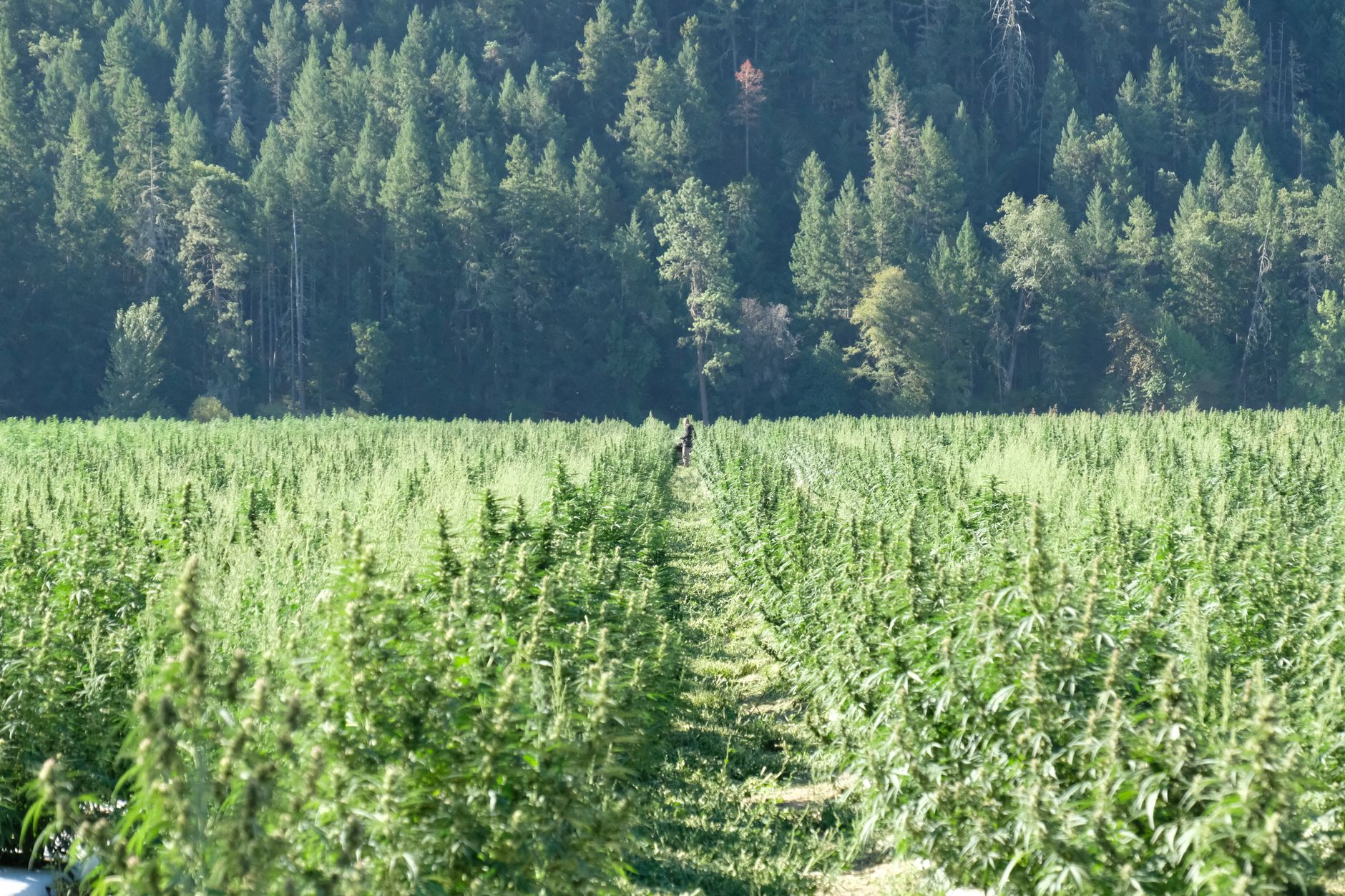
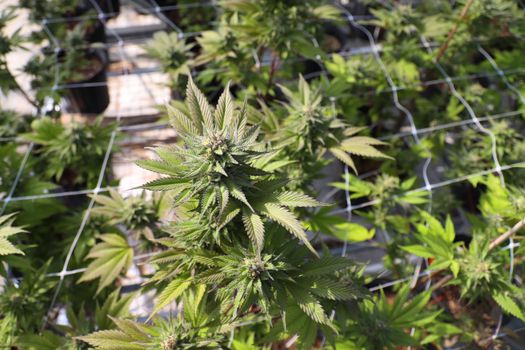 Photo: Cannafornia / Pexels
 Photo: Kindel Media / Pexels
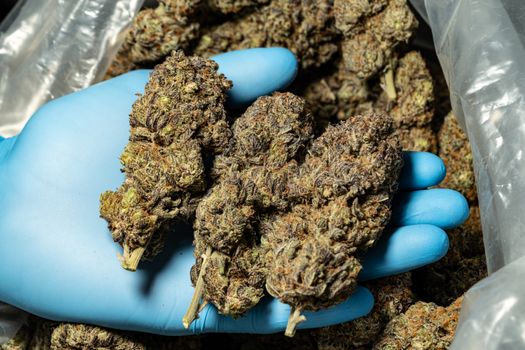 Photo: Diego Barros / Pexels