CBD vs THC Benefits California: Your Ultimate Guide
CBD vs THC benefits California

CBD vs THC Benefits California: Your Ultimate Guide

Navigate the world of cannabis in California, understanding the unique therapeutic potentials of CBD and THC for your well-being.

Discover Your Cannabis Path

Key Takeaways

  • ✓ CBD is non-intoxicating, while THC produces a 'high'.
  • ✓ Both CBD and THC interact with the body's endocannabinoid system.
  • ✓ California has legalized both medical and recreational cannabis.
  • ✓ The entourage effect suggests cannabinoids work best together.

How It Works

1
Understand the Basics

Familiarize yourself with what CBD (Cannabidiol) and THC (Tetrahydrocannabinol) are. Learn their fundamental differences in psychoactive effects and primary benefits.

2
Identify Your Needs

Consider your personal wellness goals or health concerns. Are you seeking pain relief, anxiety reduction, sleep improvement, or a recreational experience?

3
Consult a Professional

Before incorporating cannabis into your routine, especially for medical purposes, consult with a doctor or a qualified cannabis clinician in California. They can offer personalized advice.

4
Explore Product Options

Research different product types available in California, such as edibles, tinctures, vapes, and topicals. Understand dosage, onset times, and potential interactions.

Unpacking the Science: CBD vs THC Benefits in California
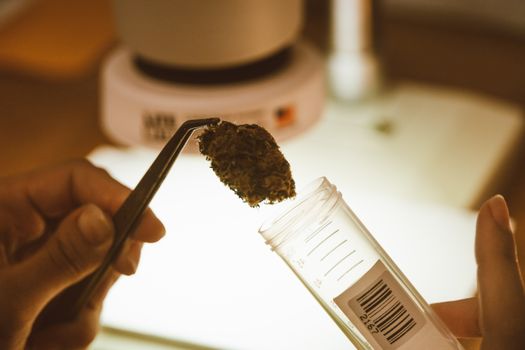
Detailed view of cannabis being prepared in a lab, focusing on analysis. Photo: Jess Loiterton / Pexels
California, a pioneering state in cannabis legislation, offers a diverse landscape for exploring the therapeutic potential of cannabis. When we delve into the world of cannabinoids, two compounds consistently emerge at the forefront: Cannabidiol (CBD) and Tetrahydrocannabinol (THC). While both originate from the cannabis plant, their effects, mechanisms of action, and legal standing within California are distinct, offering consumers a spectrum of choices for their wellness journeys. Understanding these differences is crucial for making informed decisions, especially in a state where access is readily available. The primary distinction lies in their psychoactivity. THC is the compound responsible for the 'high' associated with cannabis use, interacting primarily with CB1 receptors in the brain to produce euphoric and altered perception effects. CBD, on the other hand, is non-intoxicating. It doesn't produce the same psychoactive effects, making it an appealing option for those seeking the therapeutic benefits of cannabis without the mind-altering experience. This fundamental difference shapes how individuals approach their use and the specific conditions they aim to address. Beyond psychoactivity, their interaction with the body's endocannabinoid system (ECS) also varies. The ECS is a complex cell-signaling system that plays a crucial role in regulating a wide range of functions and processes, including sleep, mood, appetite, memory, and reproduction. Both CBD and THC interact with the ECS, but in different ways. THC directly binds to CB1 receptors, found predominantly in the central nervous system, and to a lesser extent, CB2 receptors. This direct binding is what elicits its psychoactive effects and many of its therapeutic properties, such as pain relief and appetite stimulation. CBD, however, does not bind directly to these receptors in the same manner. Instead, it influences the ECS indirectly, often by enhancing the body's natural endocannabinoids or by modulating other non-cannabinoid receptors and ion channels. This indirect action is believed to contribute to CBD's wide array of potential benefits, including anti-inflammatory, anxiolytic, and neuroprotective effects. Learn more about the endocannabinoid system and its profound role in human health. In California, the legal framework surrounding CBD and THC is well-established, allowing for broad access to both. For THC, recreational use is legal for adults 21 and over, with a robust medical cannabis program also in place. This means consumers can purchase THC-rich products from licensed dispensaries for various purposes. CBD, derived from hemp (cannabis with less than 0.3% THC), is federally legal and widely available in California, even outside licensed cannabis dispensaries, in health stores, and online. CBD derived from cannabis with higher THC content, however, falls under the state's cannabis regulations. This nuanced legal landscape offers both opportunities and complexities for consumers navigating the market. The availability of diverse product types, from edibles and tinctures to topicals and concentrates, further expands the options, allowing individuals to tailor their cannabis experience to their specific needs and preferences. Understanding the science behind these compounds is the first step towards harnessing their potential effectively and safely within the Californian context.

THC's Therapeutic Prowess: Relief and Recreation in California
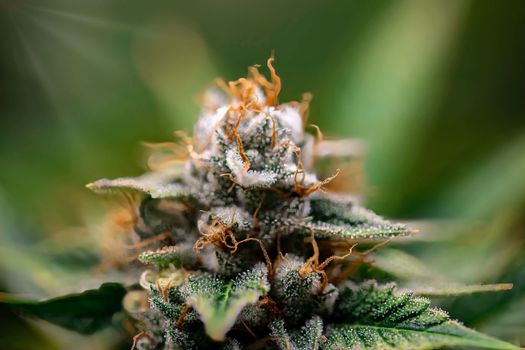
Close-up macro shot of a frosty cannabis bud with detailed trichomes. Photo: Diego Barros / Pexels
THC, or Tetrahydrocannabinol, is renowned for its psychoactive properties, but its appeal extends far beyond recreational use, offering significant therapeutic benefits that have been widely embraced in California. For many, THC is a powerful ally in managing chronic pain, a condition that affects millions. Its analgesic properties are well-documented, working by interacting with the ECS to reduce pain perception. This makes it a popular choice for individuals suffering from neuropathic pain, arthritis, and pain associated with cancer treatments. The ability of THC to alter sensory perception can also provide a distraction from pain, offering a dual mechanism of relief. Furthermore, THC is a potent anti-inflammatory agent, which can contribute to its pain-relieving effects, especially in conditions where inflammation plays a key role. Another significant benefit of THC is its efficacy as an antiemetic, particularly for patients undergoing chemotherapy. Nausea and vomiting are common and debilitating side effects of cancer treatment, and conventional antiemetics are not always effective. THC, in various forms, has been shown to significantly reduce these symptoms, improving patients' quality of life and enabling them to maintain their treatment regimens. This application has led to the development of synthetic THC drugs (like Marinol and Syndros) approved by the FDA for similar purposes, underscoring its recognized medical value. Beyond nausea, THC is also a powerful appetite stimulant. For individuals experiencing appetite loss due to medical conditions such as HIV/AIDS, cancer, or eating disorders, THC can help stimulate hunger, prevent weight loss, and improve nutritional intake. This 'munchies' effect, often associated with recreational use, has profound medical implications for those struggling with cachexia or wasting syndrome. For those grappling with sleep disorders, THC can be an effective sleep aid. Its sedative properties can help individuals fall asleep faster and stay asleep longer, particularly those with insomnia or sleep disturbances caused by pain or anxiety. However, it's important to note that while THC can induce sleep, long-term or high-dose use might impact sleep architecture, potentially reducing REM sleep. Finding the right dosage and strain is key to leveraging THC for sleep without adverse effects. In California, the accessibility of a wide range of THC products—from flower and concentrates to edibles and tinctures—allows consumers to choose the most suitable method of consumption for their specific needs. It's crucial for users to start with low doses and gradually increase, especially when using edibles, to avoid overconsumption and negative experiences. The legal market in California ensures that products are tested for potency and purity, providing a safer environment for consumers to explore the full spectrum of THC's therapeutic and recreational benefits.

CBD's Calm Revolution: Non-Psychoactive Wellness in California
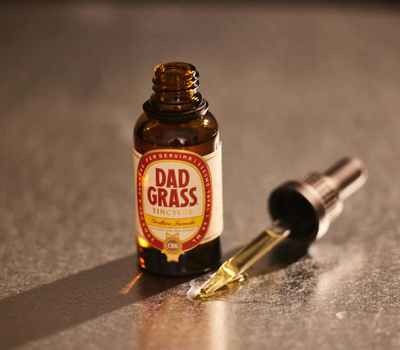
Close-up image of a Dad Grass tincture bottle and dropper against a neutral background. Photo: Dad Grass / Pexels
CBD, or Cannabidiol, stands as a beacon of non-intoxicating wellness in the cannabis world, offering a vast array of therapeutic benefits without the psychoactive 'high' associated with THC. This characteristic makes CBD particularly appealing to a broad demographic in California, including those who are sensitive to THC's effects or prefer to maintain mental clarity while addressing health concerns. One of CBD's most celebrated benefits is its potential to alleviate anxiety and stress. Research suggests that CBD interacts with serotonin receptors in the brain, which play a crucial role in mood regulation. By modulating these receptors, CBD may help reduce feelings of panic, improve social anxiety, and generally promote a sense of calm and well-being. Many Californians turn to CBD products, such as tinctures, capsules, and vapes, to navigate the stresses of daily life without impairment. This makes it a popular choice for managing generalized anxiety disorder, social anxiety disorder, and even post-traumatic stress disorder (PTSD). Beyond mental well-being, CBD is also a powerful anti-inflammatory agent. Its ability to reduce inflammation throughout the body makes it a promising compound for managing various inflammatory conditions. For individuals suffering from chronic pain, especially that which stems from inflammation like arthritis or muscle soreness, CBD offers a natural alternative for relief. Topicals infused with CBD are particularly popular for localized pain, allowing users to apply the compound directly to affected areas for targeted relief without systemic effects. Oral CBD products can also contribute to overall anti-inflammatory effects, benefiting conditions like irritable bowel syndrome (IBS) or other systemic inflammatory responses. Discover more about anti-inflammatory properties of cannabinoids. The neuroprotective properties of CBD are another area of significant scientific interest. Preliminary studies suggest that CBD may protect brain cells from damage and promote neurogenesis, the growth of new brain cells. This has led to research into CBD's potential role in treating neurological disorders such as epilepsy, multiple sclerosis, and Parkinson's disease. Epidiolex, a pharmaceutical-grade CBD product, has already received FDA approval for treating severe forms of epilepsy, marking a significant milestone in validating CBD's medical efficacy. For Californians seeking to support their neurological health, CBD offers a non-invasive and generally well-tolerated option. Furthermore, CBD has shown promise in improving sleep quality. While it doesn't typically induce drowsiness in the same way as THC, CBD can help address underlying issues that contribute to poor sleep, such as anxiety, pain, and restlessness. By promoting relaxation and reducing discomfort, CBD can create a more conducive environment for restful sleep. Many users report falling asleep more easily and experiencing more restorative sleep cycles after incorporating CBD into their evening routine. The wide availability of CBD products in California, ranging from oils and edibles to balms and bath bombs, provides consumers with numerous avenues to explore its diverse benefits, contributing to a holistic approach to health and wellness.

Navigating the California Cannabis Market: Tips for Safe Use
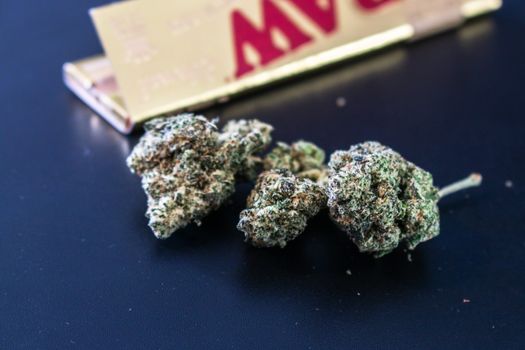
Macro image of cannabis buds accompanied by rolling paper on a dark surface. Photo: Terrance Barksdale / Pexels
Navigating the California cannabis market, with its vast array of CBD and THC products, requires a strategic and informed approach to ensure safe, effective, and compliant use. California's progressive cannabis laws mean that consumers have unprecedented access, but with this access comes the responsibility to understand product nuances, legal guidelines, and personal health considerations. One of the most critical aspects of safe use is understanding product labeling. In California, licensed cannabis products are subject to stringent testing and labeling requirements. This means you should always look for products that clearly state the cannabinoid content (THC, CBD, and other minor cannabinoids), terpene profile, net weight, ingredients, and most importantly, test results for pesticides, heavy metals, and residual solvents. A QR code linking to a Certificate of Analysis (COA) from an accredited third-party lab is a hallmark of a reputable product. Avoid products with vague labeling or those purchased from unlicensed sources, as these may not meet safety standards.
  • Start Low, Go Slow: This golden rule applies to all cannabis consumption, especially for new users or when trying a new product. Begin with a low dose, particularly with edibles where effects can be delayed and more intense. Wait at least 1-2 hours for edibles, or 10-15 minutes for inhaled products, before considering taking more. This approach helps you gauge your individual tolerance and sensitivity to cannabinoids, preventing unpleasant experiences.
  • Understand Delivery Methods: The way you consume cannabis significantly impacts its effects and onset time. Inhaling (smoking or vaping) offers rapid onset (minutes) but shorter duration. Edibles have a delayed onset (30 minutes to 2 hours) but longer-lasting, more potent effects. Tinctures offer a middle ground, with sublingual absorption providing faster onset than edibles. Topicals provide localized relief without systemic effects. Choose the method that aligns with your desired outcome and lifestyle.
  • Be Aware of the Entourage Effect: The entourage effect suggests that cannabinoids, terpenes, and other compounds in the cannabis plant work synergistically to enhance therapeutic benefits and modulate individual effects. Full-spectrum CBD products, for example, contain a range of cannabinoids and terpenes, which may offer more comprehensive benefits than CBD isolates. Similarly, THC products with diverse terpene profiles can produce different effects (e.g., indica-like relaxation or sativa-like invigoration).
  • Store Products Safely: Keep all cannabis products out of reach of children and pets. Store them in their original, child-resistant packaging in a cool, dark place to preserve potency and prevent degradation. Clear labeling also helps prevent accidental ingestion.
  • Consult with a Professional: If you're using cannabis for medical purposes, or if you have underlying health conditions, consult with your doctor or a qualified cannabis clinician. They can provide personalized advice on dosage, potential drug interactions, and suitability of cannabis for your specific needs.
  • Know California's Laws: While cannabis is legal, there are still regulations regarding possession limits, public consumption, and driving under the influence. Familiarize yourself with these laws to ensure compliant use.
By adhering to these tips, Californians can confidently and responsibly explore the vast potential of CBD and THC, maximizing their benefits while minimizing risks.

Comparison

FeatureCBD (Cannabidiol)THC (Tetrahydrocannabinol)CBD:THC Ratio Products
Psychoactive EffectNon-intoxicatingIntoxicating ('high')Mild to none, depending on ratio
Primary BenefitsAnxiety, pain, inflammation, sleep, neuroprotectionPain, nausea, appetite, sleep, muscle spasmsBalanced relief, enhanced 'entourage effect'
Legal Status (CA)Legal (hemp-derived)Legal (medical & recreational)Legal
Interaction with ECSIndirect, modulates receptorsDirectly binds to CB1/CB2Both direct and indirect
Potential Side EffectsMild (fatigue, diarrhea)Anxiety, paranoia, impaired memory, dry mouthDepends on THC content, generally milder than pure THC
Best for New Users✗ (start very low)✓ (with low THC ratios)
Onset Time (Edibles)30-90 minutes30 minutes - 2 hoursSimilar to THC-dominant edibles

What Readers Say

"Living in LA, I've tried various cannabis products. For my chronic back pain, a 1:1 CBD:THC tincture has been a game-changer. It gives me significant relief without making me feel overly high, allowing me to stay productive. Pure CBD helps with my anxiety during the day, but the balanced ratio is key for pain."

Sarah L. · Los Angeles, CA

"I used to rely on prescription meds for sleep, but a friend in California recommended exploring CBD vs THC. I found that a low-dose THC edible before bed works wonders for my insomnia, helping me fall asleep quickly. It's much more natural and I wake up refreshed, which is a huge benefit for my demanding job."

Mark T. · San Francisco, CA

"As an athlete, post-workout recovery is crucial. I use a CBD topical for muscle soreness, and it genuinely reduces inflammation and speeds up my recovery time. For occasional intense pain, a small amount of THC offers deeper relief, allowing me to push through my training. The combination of CBD vs THC benefits California offers is fantastic."

Jessica R. · San Diego, CA

"I appreciate the transparency of California's cannabis market. While I enjoy the recreational aspects of THC, I've also found CBD helpful for managing my general anxiety. Sometimes, pure THC can make me a bit paranoid, so I often opt for strains or products with a balanced CBD:THC ratio to get the best of both worlds without the jitters."

David P. · Oakland, CA

"My elderly mother has severe arthritis, and traditional medications weren't cutting it. After consulting with her doctor, we started her on a CBD-rich oil. The reduction in her pain and improvement in mobility has been remarkable. She doesn't experience any psychoactive effects, which was a major concern for her. It's truly improved her quality of life."

Elena M. · Sacramento, CA

Frequently Asked Questions

What is the main difference between CBD and THC in terms of effects?

The main difference is psychoactivity. THC is the compound responsible for the 'high' associated with cannabis, interacting directly with brain receptors. CBD is non-intoxicating and does not produce a 'high,' instead offering therapeutic benefits like anxiety relief and pain reduction without altering your mental state.

Is it legal to buy both CBD and THC products in California?

Yes, both CBD and THC products are legal to buy in California. Recreational cannabis (containing THC) is legal for adults 21 and over and can be purchased from licensed dispensaries. Hemp-derived CBD (containing less than 0.3% THC) is federally legal and widely available, while CBD derived from cannabis with higher THC content is also legal within California's regulated cannabis market.

How do I choose between CBD and THC for pain relief in California?

Choosing between CBD and THC for pain relief depends on your individual needs and tolerance. THC is a potent analgesic and anti-inflammatory, often providing strong relief, but with psychoactive effects. CBD offers anti-inflammatory and pain-modulating benefits without the high. Many find a balanced CBD:THC ratio to be most effective for comprehensive pain management, leveraging the entourage effect.

Are CBD and THC products in California expensive?

The cost of CBD and THC products in California can vary widely based on factors such as product type, potency, brand, and dispensary. While some premium products can be costly, there are also many affordable options available. It's advisable to compare prices and consider the cost-effectiveness per dose rather than just the upfront price. The regulated market ensures quality, which can sometimes be reflected in the price.

Can I use CBD and THC together for enhanced benefits?

Yes, many users and researchers believe that CBD and THC work better together due to the 'entourage effect.' This theory suggests that the various compounds in the cannabis plant, including cannabinoids and terpenes, synergize to enhance therapeutic benefits and mitigate potential side effects (e.g., CBD can help counteract THC-induced anxiety). Many products in California offer specific CBD:THC ratios to optimize this synergistic effect.

Who should consider using CBD vs THC benefits California products?

Individuals seeking relief from anxiety, inflammation, chronic pain, or sleep issues without psychoactive effects may prefer CBD. Those needing stronger pain relief, appetite stimulation, or help with severe nausea, and who are comfortable with psychoactivity, might lean towards THC. Anyone seeking a balanced approach for a broader range of benefits often finds CBD:THC ratio products ideal. Always consult a healthcare professional first.

Are there any safety concerns or side effects when using CBD or THC in California?

Both CBD and THC can have side effects, though typically mild. THC can cause anxiety, paranoia, dry mouth, red eyes, and impaired coordination, especially at higher doses. CBD side effects are generally less common and include fatigue, diarrhea, and changes in appetite. Both can interact with certain medications. Always start with a low dose, understand product potency, and consult a doctor, especially if you have underlying health conditions or are on other medications.

What are the future trends for CBD vs THC benefits in California?

Future trends in California are likely to focus on personalized cannabis medicine, with more sophisticated product formulations targeting specific conditions and desired effects. We can expect an increase in minor cannabinoid research (CBG, CBN, etc.), more precise dosing technologies, and continued innovation in delivery methods. The emphasis will remain on consumer education, product transparency, and leveraging the full spectrum of cannabis compounds for holistic wellness.

Whether you're exploring the non-intoxicating calm of CBD or the potent relief of THC, California offers a wealth of options. Empower yourself with knowledge, consult with experts, and discover how the unique CBD vs THC benefits in California can enhance your well-being. Your personalized cannabis journey starts here.

Topics: CBD vs THC benefits Californiacannabis wellness CaliforniaTHC effects CaliforniaCBD uses CaliforniaCalifornia cannabis laws
Leo List
Brampton weed
Adultwork EstrelaBet Vai de Bet R7 Bet Betão Galera Bet Rainbet Bet9ja Shop SportyBet BetKing Sisal Loto Foot Hollywoodbets YesPlay Odibets RushBet Jugabet BetWarrior BetCity MSport betPawa Fortebet