✓ California edibles are legally capped at 10mg THC per serving, 100mg per package.
✓ Individual tolerance varies widely based on metabolism, body weight, and experience.
✓ Onset time for edibles can range from 30 minutes to 2 hours, with effects lasting 4-8 hours.
✓ Always start low and go slow when experimenting with edibles.
How It Works
1
Understand Your Starting Point
Assess your prior cannabis experience and tolerance levels. Beginners should always start with the lowest possible dose, typically 2.5mg THC.
2
Consult the Dosage Chart
Refer to a reliable edibles dosage chart to understand the typical effects associated with different THC microdoses. This helps in setting realistic expectations.
3
Measure Accurately & Wait
Carefully measure your chosen dose, paying close attention to the product's stated THC content. Allow at least 2 hours for effects to fully manifest before considering another dose.
4
Observe & Adjust
Pay attention to how your body and mind respond to the dose. Use this information to fine-tune your future edible experiences for desired outcomes.
Navigating the California Edibles Landscape: What You Need to Know
Photo: Terrance Barksdale / Pexels
California's cannabis market is a vibrant and ever-evolving landscape, especially when it comes to edibles. Since recreational cannabis became legal, the state has implemented strict regulations to ensure consumer safety and product consistency. Understanding these regulations is the first crucial step in mastering your edibles dosage chart California experience. By law, all cannabis edibles sold in licensed dispensaries in California must adhere to specific potency limits: a maximum of 10mg of THC per single serving and no more than 100mg of THC per package. This standardization is a consumer-friendly measure, designed to help individuals dose more accurately and avoid accidental overconsumption. However, even with these clear guidelines, the effects of edibles can be profoundly individual. Factors such as your personal metabolism, body weight, tolerance to THC, and even what you've eaten that day can significantly influence how a particular dose affects you.
Beyond the legal limits, the variety of edibles available is astounding. From gummies and chocolates to tinctures, beverages, and baked goods, each product type can have subtle differences in how quickly it takes effect and how long those effects last. For instance, a sublingual tincture might act faster than a gummy, as some of the cannabinoids are absorbed directly into the bloodstream under the tongue, bypassing the digestive system initially. Understanding these nuances is key to a predictable and enjoyable experience. Always check the packaging for the exact THC content per serving and per package. Reputable brands will provide this information clearly. Furthermore, it's essential to purchase edibles only from licensed dispensaries. Unregulated products may not adhere to safety standards, could contain inaccurate THC labeling, or even harmful contaminants. The California Bureau of Cannabis Control (BCC) provides resources to verify licensed businesses, which is a vital step in ensuring you're consuming safe and accurately labeled products. Remember, the goal isn't just to get high, but to achieve a desired effect, whether that's relaxation, pain relief, or enhanced creativity, in a controlled and comfortable manner. This foundational knowledge forms the bedrock of responsible edible consumption and empowers you to make informed decisions before you even consider an edible dosage.
The Science Behind Edible Dosing: Why 'Start Low, Go Slow' Is Paramount
Photo: Kindel Media / Pexels
The mantra 'start low, go slow' isn't just a catchy phrase; it's a fundamental principle rooted in the unique way the human body processes ingested cannabis. When you smoke or vape cannabis, THC enters your bloodstream almost immediately through the lungs, leading to rapid onset of effects, usually within minutes. However, when you consume an edible, the THC must first pass through your digestive system and then be metabolized by your liver. This metabolic process transforms delta-9-THC (the primary psychoactive compound in raw cannabis) into 11-hydroxy-THC. This metabolite is significantly more potent and has a longer half-life than delta-9-THC, which is why edible effects can feel more intense, last longer, and often differ qualitatively from inhaled cannabis. The liver's role in this transformation explains the delayed onset time, which can range anywhere from 30 minutes to over 2 hours, and why effects can persist for 4 to 8 hours, or even longer for some individuals.
This delayed onset is precisely why patience is crucial. Many first-time or inexperienced edible users make the mistake of taking an initial dose, feeling nothing after an hour, and then consuming more. This often leads to an overwhelming and uncomfortable experience when both doses eventually kick in simultaneously. Understanding your individual metabolism is also critical. Some people have faster metabolisms, meaning they might feel effects sooner, while others with slower metabolisms may experience a longer delay. Body weight, diet (consuming edibles on a full stomach can slow absorption), and even genetics can play a role in how efficiently your liver processes THC. Furthermore, your endocannabinoid system (ECS), which plays a key role in regulating various bodily functions and interacting with cannabinoids, is unique to you. The density and distribution of cannabinoid receptors in your brain and body will influence how you perceive the effects of THC. Therefore, a dose that is perfect for one person might be too strong or too weak for another. This scientific understanding underscores the importance of a personalized approach to dosing and reiterates why a universal edibles dosage chart California serves as a guide, not a rigid rule. Always err on the side of caution, especially when trying a new product or a new brand, and give your body ample time to respond before considering an additional dose. This mindful approach ensures a safer and more predictable experience, allowing you to gradually find your optimal dose without unpleasant surprises.
Decoding the Edibles Dosage Chart California: Finding Your Sweet Spot
Photo: Saul Rivera / Pexels
An edibles dosage chart in California is an invaluable tool, but it's essential to understand how to interpret it correctly for your personal needs. These charts typically outline recommended THC dosages based on desired effects and experience levels, ranging from microdoses for subtle benefits to higher doses for more pronounced effects. For beginners or those highly sensitive to THC, a microdose of 1mg to 2.5mg is often recommended. At this level, users might experience mild pain relief, reduced anxiety, or improved focus without significant psychoactive effects. It's an excellent starting point for those looking to explore the therapeutic potential of cannabis without feeling 'high.' As you become more comfortable, a dose of 2.5mg to 5mg might be considered a 'low' dose, often resulting in more noticeable euphoria, enhanced sensory perception, and increased relaxation. This range is popular for social settings or for individuals seeking a gentle recreational experience.
Moving up, 5mg to 10mg is considered a 'moderate' dose, which can lead to stronger psychoactive effects, significant pain relief, and potential impairment of coordination and reaction time. This level is generally recommended for experienced users or those with higher tolerance who are seeking more pronounced therapeutic or recreational effects. It's crucial to remember that 10mg is the legal single-serving limit in California, so anything beyond this would require consuming multiple servings. Doses exceeding 10mg, while legal to purchase as part of a 100mg package (e.g., 20mg gummy, but labeled as 2 servings of 10mg each), enter the 'high' to 'very high' potency categories, often reserved for individuals with high tolerance, severe conditions, or those under medical supervision. At these higher doses, effects can include significant euphoria, altered perception, strong sedation, and potential discomfort for inexperienced users. It's also important to consider the type of edible. A fast-acting edible (often found in beverages or specially formulated gummies) might have a quicker onset, potentially leading to a more immediate, though still delayed, experience compared to a traditional chocolate bar. Always consult the specific product's labeling for onset times and duration estimates, as these can vary. The key is to approach the dosage chart as a guide, not a strict prescription, allowing you to incrementally explore what works best for your unique physiology and desired outcome, ensuring a safe and controlled cannabinoid experience.
Common Mistakes to Avoid and Tips for a Positive Edible Experience
Photo: Kindel Media / Pexels
Even with an edibles dosage chart California at hand, mistakes can happen. Avoiding common pitfalls is essential for a consistently positive experience. One of the most frequent errors is not waiting long enough before redosing. As discussed, edibles can take 30 minutes to 2 hours to kick in. Impatience often leads to taking a second dose too soon, resulting in an overwhelming experience when both doses activate. Always allow at least two hours, preferably three, to gauge the full effects of your initial dose before considering more. Another mistake is mixing edibles with alcohol or other substances. Alcohol can amplify the effects of THC, leading to increased impairment and a higher likelihood of an uncomfortable experience. It's always best to consume edibles on their own, especially when you're still figuring out your ideal dose. Ignoring your environment and mindset is also a common oversight. Edibles can enhance your sensory perception and emotional state, so a calm, comfortable environment with trusted company is ideal, particularly for higher doses. A stressful setting can amplify anxiety or paranoia.
Here are some crucial tips for a positive edible experience:
* **Start with a very low dose:** For beginners, 1-2.5mg THC is a sensible starting point. You can always take more, but you can't take less once consumed.
* **Read labels carefully:** Always check the THC content per serving and per package. Understand if it's THC, CBD, or a blend.
* **Patience is key:** Wait at least 2 hours, and up to 3, for effects to manifest before considering another dose.
* **Stay hydrated and nourished:** Consume edibles on a full stomach, and keep water or non-alcoholic beverages nearby.
* **Choose the right setting:** Opt for a comfortable, safe, and familiar environment, especially for your first few experiences.
* **Have a 'buddy' system:** If trying a higher dose or new product, have a sober friend present.
* **Keep CBD on hand:** If you feel overwhelmed, consuming CBD (which is non-psychoactive) can help mitigate some of the intense effects of THC.
* **Store safely:** Keep all cannabis products out of reach of children and pets, in their original, clearly labeled packaging.
* **Don't drive:** Never operate a vehicle or heavy machinery under the influence of edibles.
By following these guidelines and respecting the unique nature of edible cannabis, you can significantly enhance your chances of a safe, enjoyable, and predictable experience every time you consult your edibles dosage chart California.
Comparison
Feature
Beginner (1-2.5mg)
Moderate (5-10mg)
Experienced (10mg+)
Psychoactive Effects
Mild, subtle
Noticeable euphoria, relaxation
Strong, potentially intense
Onset Time
30-90 min
45-120 min
60-180 min
Duration
3-5 hours
4-7 hours
6-10+ hours
Recommended For
First-timers, microdosing
Social use, mild relief
High tolerance, severe symptoms
What Readers Say
★★★★★
"This edibles dosage chart California guide was a lifesaver! I used to just guess, but now I understand why 'start low, go slow' is so important. My experiences are much more consistent and enjoyable now."
Sarah J. · Los Angeles, CA
★★★★★
"As someone new to edibles, the detailed breakdown of doses and effects in this guide was incredibly helpful. It really demystified the process and gave me the confidence to try different strengths safely."
Mark D. · San Francisco, CA
★★★★★
"The section on metabolism and why edibles hit differently was fascinating. Since reading this, I've adjusted my waiting time, and it's made a huge difference in avoiding overconsumption. Highly recommend for anyone in CA using edibles!"
Emily R. · San Diego, CA
★★★★★
"Good information overall, especially the tips for avoiding common mistakes. I wish there was a bit more on specific product types, but the general dosing advice for the edibles dosage chart California is solid."
David L. · Sacramento, CA
★★★★★
"I primarily use edibles for sleep, and this guide helped me pinpoint my exact effective dose without feeling groggy the next day. The emphasis on patience and understanding individual response is spot-on."
Jessica M. · Oakland, CA
Frequently Asked Questions
What is the legal limit for THC in edibles in California?
In California, licensed cannabis edibles are legally limited to a maximum of 10mg of THC per single serving and no more than 100mg of THC per package. This regulation is designed to promote consumer safety and allow for easier, more controlled dosing.
How long does it take for edibles to kick in?
The onset time for edibles can vary significantly, typically ranging from 30 minutes to 2 hours. Factors like your metabolism, whether you've eaten recently, and the type of edible can influence how quickly you feel the effects.
How do I find my ideal edible dose?
To find your ideal dose, start with a very low amount (1-2.5mg THC), especially if you're new to edibles. Wait at least 2-3 hours to assess the full effects before considering a small additional dose. Gradually increase in small increments over multiple sessions until you achieve your desired effects.
Are higher doses of edibles always more effective for pain relief?
Not necessarily. While higher doses can provide stronger effects, there's a point of diminishing returns, and for some, too high a dose can lead to unwanted side effects like anxiety. Many find optimal therapeutic benefits at moderate doses, and some even benefit from microdosing. It's about finding your personal therapeutic window.
How do edibles differ from smoking or vaping cannabis?
When you consume edibles, THC is metabolized by your liver into 11-hydroxy-THC, a more potent and longer-lasting compound. This results in a delayed onset (30 min - 2 hours) and effects that can last 4-8+ hours, feeling more intense and 'body high' compared to the quicker onset and shorter duration of smoked or vaped cannabis.
Who should be cautious with edibles dosage chart California?
Individuals new to cannabis, those with a low tolerance, anyone with pre-existing heart conditions or anxiety disorders, and pregnant or breastfeeding individuals should exercise extreme caution or avoid edibles altogether. Always consult a healthcare professional if you have concerns.
What should I do if I've taken too much edible THC?
If you've consumed too much, try to remain calm. Find a safe, comfortable place, hydrate with water, and consider consuming some CBD, which can help counteract some of THC's psychoactive effects. Engaging in relaxing activities like listening to music or watching a show can also help. If symptoms are severe or persistent, seek medical attention.
Will edibles show up on a drug test?
Yes, THC from edibles will show up on a drug test. The metabolites of THC can be detected in urine, hair, blood, and saliva for varying periods, depending on frequency of use, metabolism, and the type of test.
Empower yourself with knowledge and ensure every cannabis edible experience in California is exactly what you intend it to be. Refer to this comprehensive edibles dosage chart California guide and embrace responsible, informed consumption for optimal enjoyment and well-being.
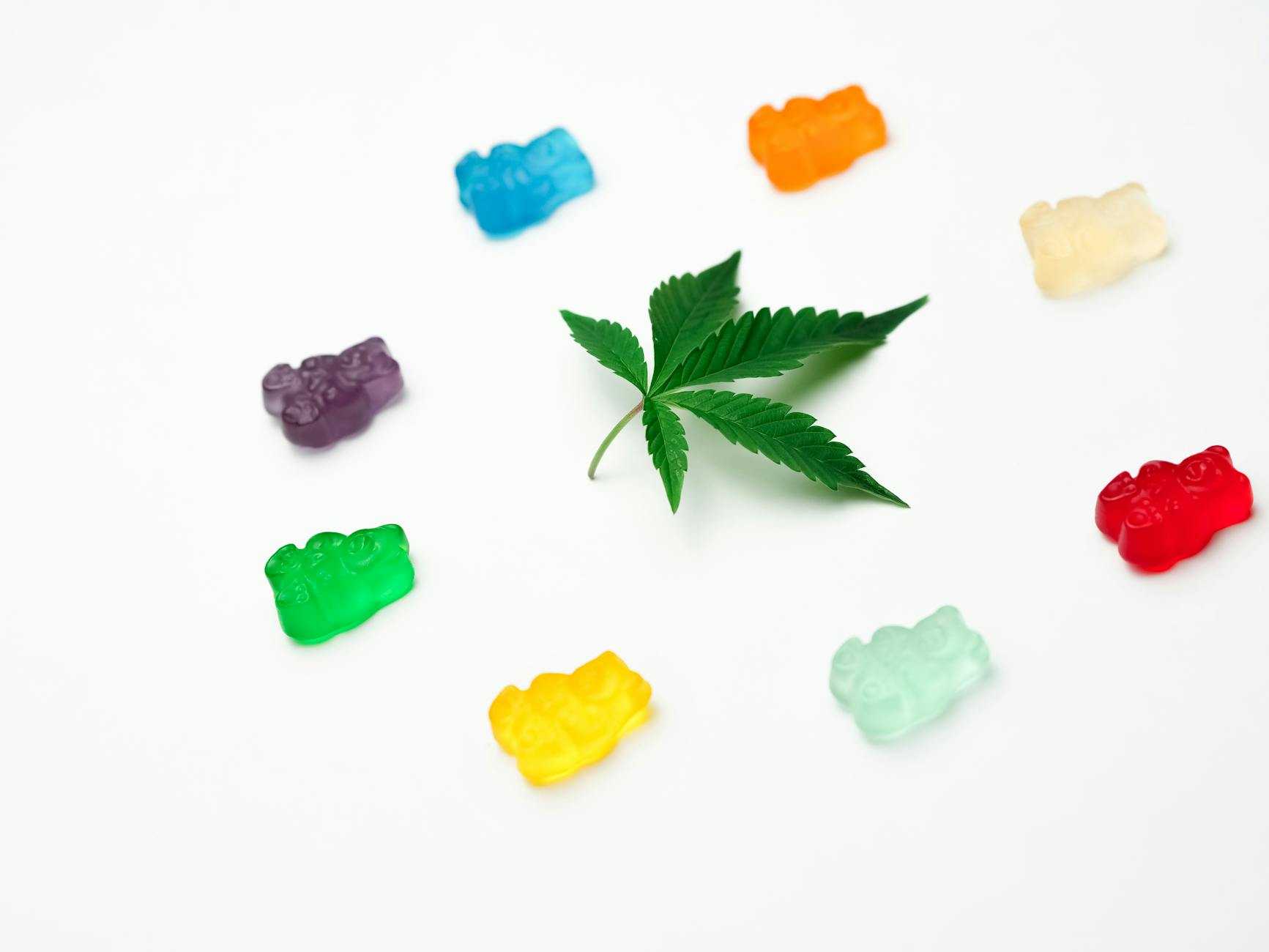
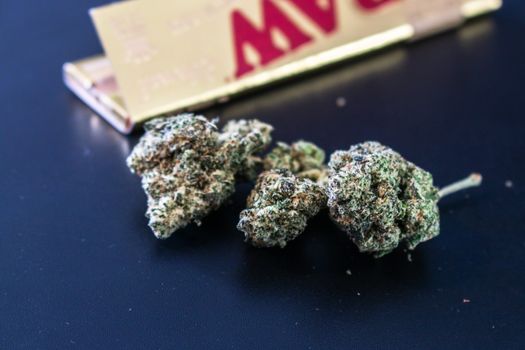 Photo: Terrance Barksdale / Pexels
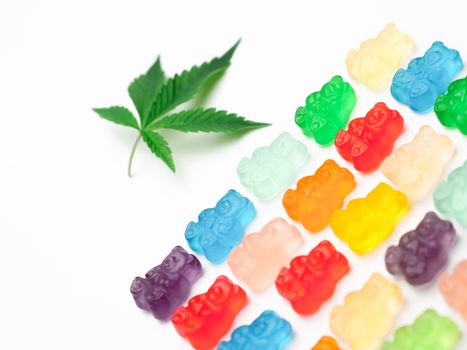 Photo: Kindel Media / Pexels
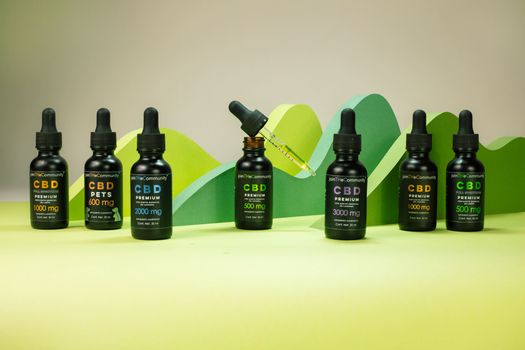 Photo: Saul Rivera / Pexels
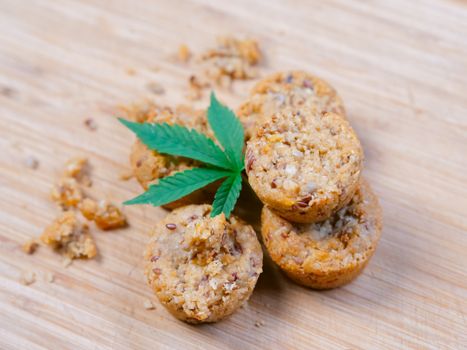 Photo: Kindel Media / Pexels