Navigate the complex landscape of high-potency cannabis in California, from therapeutic benefits to potential risks and responsible consumption practices.
✓ California has a robust legal cannabis market with high-THC products widely available.
✓ Individual response to high-THC cannabis varies significantly based on genetics, tolerance, and consumption method.
✓ Potential therapeutic benefits include pain relief, appetite stimulation, and sleep aid.
✓ Potential risks include anxiety, paranoia, impaired cognition, and increased heart rate.
✓ Responsible use involves starting low, going slow, understanding product labels, and avoiding impaired driving.
How It Works
1
Understanding THC Potency
THC (tetrahydrocannabinol) is the primary psychoactive compound in cannabis. High-THC products typically contain 20% or more THC by weight, with some concentrates exceeding 80%.
2
Interaction with the Endocannabinoid System
THC interacts with cannabinoid receptors (CB1 and CB2) in the brain and body. This interaction modulates various physiological processes, leading to its diverse effects.
3
Individual Variables and Response
The impact of high-THC cannabis is highly personal. Factors like an individual's unique endocannabinoid system, tolerance, previous experience, and even mood can drastically alter the experience.
4
Methods of Consumption
The onset and duration of effects are heavily influenced by how cannabis is consumed. Inhaling (smoking, vaping) leads to rapid onset, while edibles have a delayed but longer-lasting effect.
The Landscape of High-Potency Cannabis in California
Photo: Terrance Barksdale / Pexels
California stands at the forefront of cannabis innovation and accessibility, offering a vast array of products that often boast significantly higher THC concentrations than historically available. The state's legal framework, established with Proposition 64 in 2016, has fostered a sophisticated market where consumers can access everything from flower with 25%+ THC to concentrates exceeding 80% or even 90% THC. This evolution has profound implications for consumers, necessitating a deeper understanding of what these elevated potencies mean for individual experiences. The shift from traditional cannabis, which often contained 5-10% THC, to today's super-potent strains and concentrates is not merely a quantitative change; it represents a qualitative shift in the potential effects and considerations for users. Understanding the nuances of this market is crucial for anyone engaging with cannabis in California, whether for recreational enjoyment or medicinal relief. The sheer variety can be overwhelming, with dispensaries offering a dizzying selection of strains, edibles, vapes, and dabs, each with its own unique cannabinoid and terpene profile. While THC is the primary psychoactive compound, other cannabinoids like CBD, CBG, and CBN, along with terpenes, contribute to what is known as the 'entourage effect,' subtly modulating the overall experience. High-THC products are often sought after for their perceived stronger therapeutic benefits, such as intense pain relief or profound relaxation, but they also carry an increased potential for adverse reactions, especially in inexperienced users or those with lower tolerance. The regulatory environment in California attempts to balance consumer access with public health, imposing strict testing requirements for potency, pesticides, and contaminants. However, the onus remains on the consumer to educate themselves about product labels, understand their own tolerance levels, and practice responsible consumption. This section will delve into the types of high-THC products available, the general trends in potency, and the importance of informed decision-making within California's dynamic cannabis market. It's not just about the percentage; it's about how that percentage translates into a personal experience, shaped by individual biology and consumption choices.
Therapeutic Potential and Medical Applications of High THC Cannabis
For many, the appeal of high-THC cannabis extends beyond recreational use, deeply rooted in its potential therapeutic benefits. In California, where medical cannabis has a long history predating adult-use legalization, patients often seek out high-potency products for specific conditions. One of the most widely recognized benefits is pain management. THC has analgesic properties, interacting with the body's pain pathways to reduce the perception of pain, and higher concentrations can offer more profound relief for chronic conditions such as neuropathic pain, fibromyalgia, and cancer-related pain. Patients who have found conventional pharmaceuticals ineffective or accompanied by undesirable side effects often turn to high-THC cannabis as an alternative or complementary treatment. Beyond pain, high-THC cannabis is frequently used to stimulate appetite, particularly in individuals undergoing chemotherapy or those with conditions like HIV/AIDS that cause cachexia or 'wasting syndrome.' The 'munchies' effect, while often joked about in recreational contexts, is a critical therapeutic benefit for those struggling to maintain a healthy weight and nutritional intake. Furthermore, many individuals report using high-THC cannabis to combat insomnia and improve sleep quality. The sedative effects, especially with certain indica-dominant strains, can help induce sleep and reduce nighttime awakenings, offering respite to those with chronic sleep disorders. However, it's important to note that while some find sleep aid, others might experience increased wakefulness or anxiety, highlighting the individualized nature of cannabis effects. Other reported therapeutic applications include muscle spasm relief, particularly for conditions like multiple sclerosis, and reduction of nausea and vomiting. The antiemetic properties of THC are well-documented, making it a valuable tool for patients undergoing treatments that cause severe gastrointestinal distress. While the anecdotal evidence and patient testimonials are abundant, ongoing scientific research continues to explore and validate these therapeutic claims, aiming to understand optimal dosing, strain selection, and potential long-term effects. It's crucial for patients to consult with healthcare professionals, especially those knowledgeable about medical cannabis, to determine if high-THC products are appropriate for their specific condition and to navigate potential interactions with other medications. The legal framework in California allows for patient access, but responsible and informed use is paramount to harnessing the therapeutic potential while minimizing risks.
Navigating Potential Risks and Adverse Effects of High THC Cannabis
While the therapeutic potential of high-THC cannabis is significant, it's equally important to acknowledge and understand its potential risks and adverse effects, especially in a state like California where such products are readily available. The elevated potency means that even a small dose can produce intense psychoactive effects, which may not always be pleasant. One of the most commonly reported adverse effects is anxiety and paranoia. For some individuals, particularly those new to cannabis or those with a predisposition to anxiety disorders, high doses of THC can trigger feelings of unease, heightened self-consciousness, or even acute paranoia. This can manifest as racing thoughts, increased heart rate, and a general sense of impending dread, often leading to a highly uncomfortable experience. Another significant concern is impaired cognitive function. High-THC cannabis can temporarily impair memory, attention, and executive functions, making it challenging to perform tasks that require focus and complex thought. This is why operating machinery or driving under the influence of cannabis is illegal and extremely dangerous. The duration of these cognitive impairments can vary depending on the dose and individual, but responsible users always avoid activities requiring full mental acuity. Physical side effects can include dry mouth (xerostomia), red eyes, increased heart rate, and lowered blood pressure, which can lead to dizziness or lightheadedness. While generally not life-threatening for healthy individuals, those with pre-existing cardiovascular conditions should exercise extreme caution and consult a doctor. There's also a discussion around the potential for cannabis-induced psychosis in vulnerable individuals. Research suggests that high-THC cannabis use, particularly at a young age and in those with a genetic predisposition, may increase the risk of developing psychotic disorders like schizophrenia. This is a complex area of study, and it underscores the importance of cautious use, especially for adolescents whose brains are still developing. Furthermore, regular high-dose use can lead to tolerance and, for some, dependence. While cannabis dependence is generally less severe than with other substances, withdrawal symptoms like irritability, sleep disturbances, and cravings can occur upon cessation. Understanding these risks is not meant to deter use but to promote informed and responsible consumption. California's legal market provides access to tested products, but individual responsibility in understanding one's own tolerance and potential vulnerabilities remains paramount. Education on dosing, consumption methods, and recognizing signs of overconsumption are key to minimizing negative experiences and maximizing the benefits of cannabis.
Responsible Consumption: Tips for Navigating High-THC Products in CA
Navigating the world of high-THC cannabis in California requires a strategic and responsible approach to ensure a positive and safe experience. With the potency levels available today, it's more important than ever to be an informed consumer. Here are some essential tips for responsible consumption:
* **Start Low, Go Slow:** This is arguably the most crucial piece of advice. If you're new to high-THC products or trying a new form of consumption, begin with a very small dose. For edibles, this might mean 2.5mg or 5mg of THC. For inhaled products, take one small puff and wait 10-15 minutes to assess the effects before consuming more. Edibles, in particular, have a delayed onset (30 minutes to 2 hours) and can last for several hours, so patience is key.
* **Understand Product Labels:** California's legal market requires comprehensive labeling. Pay attention to the total THC percentage, the presence of other cannabinoids like CBD, and the terpene profile. CBD can modulate some of the psychoactive effects of THC, potentially reducing anxiety. Knowing the product's full cannabinoid and terpene makeup can help you predict its effects more accurately.
* **Choose Your Environment Wisely:** The setting and your mindset (set and setting) significantly influence your cannabis experience. When trying high-THC products, especially for the first time, ensure you are in a comfortable, familiar, and safe environment where you feel relaxed and have no pressing responsibilities. Avoid stressful situations.
* **Stay Hydrated and Have Snacks Ready:** Dry mouth is a common side effect. Keep water or other non-alcoholic beverages nearby. Also, having some snacks on hand can be enjoyable and help manage potential hunger pangs.
* **Avoid Mixing with Alcohol or Other Substances:** Combining high-THC cannabis with alcohol or other drugs can intensify effects, leading to unpredictable and potentially unpleasant experiences. It's best to consume cannabis on its own, especially when exploring higher potencies.
* **Do Not Drive or Operate Machinery Impaired:** This is non-negotiable. High-THC cannabis impairs judgment, reaction time, and coordination. Plan your consumption so you don't need to drive or engage in activities that require full cognitive function.
* **Know Your Tolerance:** Everyone's endocannabinoid system is unique, meaning what's a moderate dose for one person could be overwhelming for another. Pay attention to how your body responds and adjust your dosage accordingly. Tolerance can also build over time, so occasional breaks might be beneficial.
* **Store Safely:** Keep all cannabis products, especially high-THC items, in child-resistant packaging and out of reach of children and pets. Accidental ingestion can lead to severe adverse reactions, particularly in minors.
By adhering to these responsible consumption guidelines, consumers in California can better manage the effects of high-THC cannabis, minimizing risks and enhancing their overall experience.
Comparison
Feature
High-THC Cannabis
Low-THC / High-CBD Cannabis
Traditional Cannabis (Pre-2000)
Typical THC Range
20% - 90%+
0.3% - 10%
5% - 15%
Psychoactive Intensity
Very Strong
Mild to None
Moderate
Anxiety/Paranoia Risk
Higher
Lower
Moderate
Therapeutic Focus
Pain, Appetite, Sleep
Anxiety, Inflammation, Seizures
General Relief
Onset of Effects (Edibles)
1-2 hours
1-2 hours
1-2 hours
Duration of Effects (Inhaled)
2-4 hours
1-3 hours
2-3 hours
Cognitive Impairment
Significant
Minimal
Moderate
Tolerance Buildup
Faster
Slower
Moderate
What Readers Say
★★★★★
"As someone with chronic back pain, the effects of high THC cannabis in CA have been a game-changer. I find specific strains help me sleep through the night without discomfort, which no prescription ever achieved."
Sarah J. · Los Angeles, CA
★★★★★
"I was hesitant at first, but after careful dosing, high THC edibles from a CA dispensary really helped with my appetite during a tough medical treatment. It made a huge difference in my recovery process."
Mark D. · San Francisco, CA
★★★★★
"The concentrated high THC products available in CA have been incredibly effective for my severe muscle spasms. I can finally relax after a long day, and the relief is almost instantaneous with a vape."
Emily R. · San Diego, CA
★★★★★
"While the high THC flower in CA is potent and often provides great relief, I've learned that 'less is more' is truly the rule. A little too much can quickly lead to anxiety, so I always start with a very small amount."
Alex P. · Sacramento, CA
★★★★★
"I appreciate the transparency and testing requirements for high THC cannabis in CA. Knowing exactly what's in my product allows me to confidently manage my dose for therapeutic effects without worry."
Jessica L. · Oakland, CA
Frequently Asked Questions
What are the common immediate effects of high THC cannabis in CA?
Common immediate effects of high THC cannabis in California include euphoria, relaxation, altered perception of time and senses, increased appetite, and a sense of well-being. However, some individuals may experience anxiety, paranoia, increased heart rate, or dizziness, especially with higher doses or lower tolerance.
Is high THC cannabis safe for everyone in California?
No, high THC cannabis is not safe for everyone. Individuals with a history of anxiety or psychosis, pregnant or breastfeeding individuals, and those under 21 (unless for medical purposes with a recommendation) should avoid it. It's crucial to consult a healthcare professional, especially if you have pre-existing medical conditions or are taking other medications.
How can I mitigate potential negative effects from high THC cannabis in CA?
To mitigate negative effects, always start with a low dose and wait to assess its impact before consuming more. Ensure you are in a comfortable environment, stay hydrated, and have non-alcoholic beverages and snacks available. If you feel overwhelmed, try deep breathing, change your environment, or consume CBD, which can help counteract some THC effects.
What is the legal limit for THC in cannabis products in California?
California does not set a legal limit on the percentage of THC in cannabis flower or concentrates for adult recreational use. However, edibles are limited to 10mg of THC per serving and 100mg per package. All products sold in licensed dispensaries must undergo rigorous testing and clearly display their THC content on the label.
How does high THC cannabis compare to CBD-rich products available in CA?
High THC cannabis is primarily psychoactive, producing a 'high,' and is often sought for potent pain relief, appetite stimulation, and sleep. CBD-rich products, on the other hand, are non-psychoactive and typically used for inflammation, anxiety, and seizure management without the intoxicating effects. Many products in CA now offer a blend of both for a balanced experience.
Who should consider using high THC cannabis in California?
Adults over 21 in California who are seeking potent relief from chronic pain, severe nausea, lack of appetite, or profound sleep issues, and who have a good understanding of their tolerance and responsible consumption practices, might consider high THC cannabis. It is also used recreationally by experienced consumers seeking strong psychoactive effects.
Are there long-term risks associated with frequent high THC cannabis use in CA?
Long-term frequent high THC cannabis use can lead to tolerance and dependence, and in some vulnerable individuals, it may increase the risk of developing or exacerbating mental health conditions like anxiety or psychosis. Respiratory issues can also arise from frequent smoking. Responsible use and moderation are key to minimizing these potential risks.
What future trends are expected for high THC cannabis in California?
Future trends in California's high THC cannabis market are likely to include continued innovation in product forms (e.g., fast-acting edibles, new concentrates), a greater focus on specific cannabinoid and terpene profiles for targeted effects, and increased research into the nuanced interactions of high THC with other compounds for enhanced therapeutic outcomes. Expect more personalized recommendations based on individual biochemistry.
Understanding the effects of high THC cannabis in CA empowers you to make informed choices. Explore the diverse offerings responsibly, prioritize your well-being, and discover the potential benefits while minimizing risks in California's dynamic cannabis landscape.

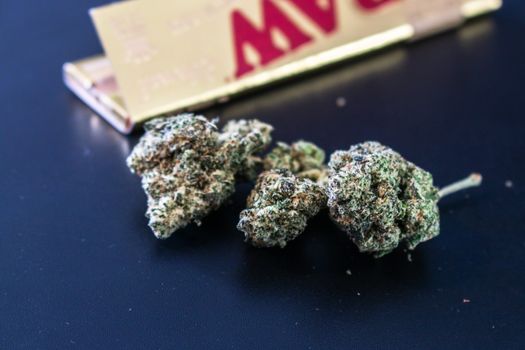 Photo: Terrance Barksdale / Pexels