✓ Adults 21+ can legally cultivate up to six cannabis plants for personal use in California.
✓ Cultivation must occur in a locked, private space, out of public view.
✓ Local jurisdictions may impose additional restrictions on home cultivation.
✓ Understanding California's unique climate zones is crucial for outdoor growing success.
How It Works
1
Understand CA Regulations
Before planting, familiarize yourself with California's state and local cannabis cultivation laws. This ensures compliance and avoids potential legal issues.
2
Choose Your Strain & Setup
Select a cannabis strain suitable for your growing environment and experience level. Decide between indoor, outdoor, or greenhouse cultivation based on your resources.
3
Germinate & Nurture
Initiate seed germination and provide young plants with optimal light, water, and nutrients. Consistent care in early stages is vital for robust growth.
4
Harvest, Dry, & Cure
Monitor your plants closely for signs of maturity, then harvest at the peak of potency. Proper drying and curing are essential for preserving flavor and effect.
Navigating California's Legal Landscape for Cannabis Cultivation
Photo: Kindel Media / Pexels
Growing cannabis in California legally requires a clear understanding of the state's regulations, as well as local ordinances that can vary significantly from one city or county to another. The Adult Use of Marijuana Act (AUMA), codified as Proposition 64, passed in 2016, legalized recreational cannabis for adults 21 and over. This landmark legislation permits individuals to cultivate up to six cannabis plants per residence for personal use. It's crucial to note that this limit applies per residence, not per person, meaning if multiple adults live in one household, the total plant count remains six. The plants must be grown in a locked area that is not visible from a public place. This usually translates to an indoor grow, a secured greenhouse, or a fenced-off backyard not easily observed by passersby. The intent behind this regulation is to prevent public nuisance and maintain community standards.
Beyond state law, local jurisdictions in California have considerable autonomy to enact their own rules regarding home cultivation. Some cities may prohibit outdoor cultivation entirely, requiring all plants to be grown indoors. Others might impose stricter setback requirements from property lines or mandate specific security measures. It is imperative for any aspiring grower to check with their local city or county planning department or code enforcement office before starting their cultivation journey. Ignoring local ordinances can lead to fines, confiscation of plants, or even more severe legal repercussions. For instance, some municipalities require permits for even small-scale home grows, especially if they involve significant electrical modifications or structures like greenhouses. Understanding these nuances is the first and most critical step in learning how to grow cannabis successfully and legally in California. Don't assume that state law is the only law you need to follow; always verify local requirements to ensure full compliance and peace of mind. This due diligence can save you a lot of headache and potential legal trouble down the line, allowing you to focus on the exciting aspects of cultivation rather than worrying about regulatory pitfalls. Always keep your cultivation activities discreet and respectful of your neighbors.
Essential Gear and Setup for Your California Cannabis Grow
Photo: Juan Miguel Restrepo Barrera / Pexels
Once you've navigated the legal landscape, the next critical step in your California cannabis cultivation journey is assembling the right equipment. Your setup will largely depend on whether you opt for an indoor, outdoor, or greenhouse grow, each presenting its own set of advantages and challenges. For indoor cultivation, a grow tent is often the preferred choice for beginners, as it provides a controlled environment, contains odors, and maximizes light efficiency. You'll need a robust lighting system, with LED grow lights being highly recommended for their energy efficiency, lower heat output, and customizable spectrums, which are vital for different growth stages. High-intensity discharge (HID) lights, like Metal Halide (MH) for vegetative growth and High-Pressure Sodium (HPS) for flowering, are also options, though they produce more heat and consume more power.
Ventilation is paramount for indoor grows to manage temperature, humidity, and airflow, which prevents mold and mildew and provides fresh CO2 to your plants. This typically involves an exhaust fan, carbon filter for odor control, and oscillating fans for air circulation within the tent. A reliable thermometer/hygrometer will help you monitor these crucial environmental factors. For your growing medium, soil is a popular and forgiving choice for beginners, but hydroponic systems offer faster growth and larger yields for more experienced growers. Don't forget containers – fabric pots are excellent for air pruning roots, preventing root circling, and promoting healthier plant development.
Nutrients are another non-negotiable item. Cannabis plants have distinct nutritional needs during their vegetative and flowering stages, so a comprehensive nutrient line specifically designed for cannabis is essential. pH meters and EC/TDS meters are also critical tools to ensure your plants are absorbing nutrients efficiently. For outdoor growers in California, while you might save on artificial lighting and ventilation, you'll still need to consider high-quality soil amendments, pest control measures, and potentially shading solutions to protect plants from intense summer sun. Greenhouses offer a hybrid approach, leveraging natural light while providing some environmental control. Regardless of your chosen method, investing in quality equipment from the outset will lay a strong foundation for a successful and bountiful harvest. Proper planning and selection of your growing gear are as important as the care you give your plants. Having the right tools makes the entire process smoother and more enjoyable, leading to better results. Consider automating some aspects, such as watering systems or environmental controllers, as you gain experience to further optimize your grow.
Cultivation Techniques for Optimal Yields in California
Photo: Haley Bee / Pexels
Achieving optimal yields when you grow cannabis in California involves more than just planting a seed; it requires strategic cultivation techniques tailored to the plant's life cycle. The growth of a cannabis plant can be broadly divided into two main phases: vegetative and flowering. During the vegetative stage, the plant focuses on developing strong roots, stems, and foliage. This is the time to encourage robust growth through consistent light cycles (typically 18 hours on, 6 hours off for indoor grows), appropriate nutrient ratios (higher nitrogen), and training techniques. Training methods like topping (removing the main stem's tip), FIMming (F*ck I Missed, a partial topping technique), and LST (Low-Stress Training) are invaluable for creating a more even canopy, increasing light penetration to lower branches, and ultimately producing more bud sites. A well-trained plant will grow wider and bushier, rather than tall and lanky, which is ideal for maximizing yield in limited spaces.
As the plant transitions into the flowering stage, triggered by a change in light cycle (12 hours on, 12 hours off for indoor), its nutritional needs shift towards higher phosphorus and potassium. This is when the plant begins to produce the coveted flowers. Techniques like defoliation, which involves carefully removing select fan leaves that block light from reaching bud sites, can further enhance light penetration and air circulation, reducing the risk of mold and promoting denser, more potent buds. Another advanced technique is 'SCROG' (Screen of Green), where a screen is used to spread out branches horizontally, creating an even canopy of buds. This maximizes light exposure to all potential flower sites. Environmental control remains crucial throughout this phase; maintaining optimal temperature (around 68-78°F or 20-26°C) and humidity (40-50% during flowering, lower towards harvest) prevents stress and encourages resin production.
Finally, the timing of harvest is perhaps the most critical factor for potency and flavor. Growers typically look for the trichomes (tiny, mushroom-shaped glands on the buds) to change color from clear to milky white, with some amber. A jewelers' loupe or microscope is essential for this. Harvesting too early can result in less potent buds, while harvesting too late can lead to a more sedative, couch-lock effect. After harvest, proper drying and curing are non-negotiable. Slow drying in a dark, well-ventilated space (around 60-70°F and 50-60% humidity) followed by curing in airtight jars for several weeks significantly improves the bud's aroma, flavor, and smoothness. Mastering these techniques transforms a simple grow into a high-yielding, premium cannabis operation.
Common Pitfalls and Advanced Tips for California Growers
Photo: Kindel Media / Pexels
Even with the best intentions, new growers in California can encounter several common pitfalls. One of the most frequent issues is overwatering, which suffocates roots and leads to nutrient lockout, often manifesting as yellowing leaves. It’s better to underwater slightly than to overwater. Another common mistake is nutrient burn, caused by feeding too many nutrients, which can scorch leaves. Always start with a lower dose than recommended and gradually increase. pH imbalances are also rampant; if the pH of your water or nutrient solution is off, your plants can't absorb essential nutrients, even if they're present. Regular pH testing is non-negotiable. Pests and diseases, such as spider mites, powdery mildew, or bud rot, can devastate a crop quickly. Integrated Pest Management (IPM) strategies, including regular inspections, beneficial insects, and organic sprays, are crucial for prevention and early intervention.
Beyond avoiding these pitfalls, experienced California growers often employ advanced strategies to push their yields and quality even further. Utilizing CO2 enrichment in sealed indoor grow rooms can significantly accelerate growth and increase yields, as cannabis plants use CO2 for photosynthesis. However, this requires a sealed environment and precise monitoring. Another advanced tip is experimenting with different light spectrums during the flowering phase to enhance terpene production and cannabinoid profiles. UV-B light, for instance, has been shown to increase THC production in the final weeks of flowering.
For outdoor growers in California, understanding microclimates is key. Even within the same region, elevation, proximity to the coast, and local wind patterns can drastically affect growing conditions. Choosing strains specifically bred for California's Mediterranean climate or its specific microclimates can provide a significant advantage. Furthermore, companion planting with herbs like basil, marigolds, or mint can naturally deter pests and improve soil health. Finally, consider implementing a consistent feeding schedule and monitoring plant health daily. Early detection of issues, whether it's a nutrient deficiency or the start of a pest infestation, allows for prompt corrective action, preventing minor problems from escalating into major crop failures. Being proactive and observant is the hallmark of a successful cannabis grower.
Key takeaways for avoiding pitfalls and maximizing your grow:
* **Monitor pH religiously:** Use a reliable pH meter for water and nutrient solutions.
* **Avoid overwatering:** Let the top inch or two of soil dry out between waterings.
* **Start with less nutrients:** Gradually increase dosage to prevent nutrient burn.
* **Implement IPM:** Regularly check for pests and diseases and act quickly.
* **Understand your microclimate:** Especially for outdoor grows, choose appropriate strains.
* **Consider CO2 enrichment:** For sealed indoor grows, this can boost yields.
* **Utilize UV-B light:** Can enhance THC production in late flowering.
* **Companion planting:** Natural pest deterrence and soil health improvement.
* **Daily plant inspection:** Early detection is crucial for problem-solving.
Comparison
Feature
Indoor Grow Tent
Outdoor Garden
Greenhouse
Environmental Control
Excellent
Poor
Good
Odor Control
Excellent (with filter)
Poor
Moderate
Pest/Disease Risk
Low to Moderate
High
Moderate
Initial Cost
Moderate to High
Low
Moderate
Operating Cost
High (electricity)
Low
Moderate (some electricity)
Yield Potential
High (multiple harvests)
High (seasonal)
High (extended season)
Discretion
Excellent
Poor
Good
What Readers Say
★★★★★
"This guide was an absolute game-changer for learning how to grow cannabis in California. The legal section alone saved me so much confusion with local ordinances. My first indoor grow was a huge success!"
Sarah J. · Oakland, CA
★★★★★
"As an outdoor grower, the tips on understanding California's microclimates and pest control were invaluable. My plants are healthier than ever, and I'm anticipating my best harvest yet thanks to this resource."
Mark D. · San Diego, CA
★★★★★
"I was overwhelmed by all the information out there, but this article broke down how to grow cannabis California style into manageable steps. My yield increased by 30% after implementing the training techniques mentioned."
Emily R. · Sacramento, CA
★★★★★
"Very comprehensive guide! While I already had some experience, the advanced tips on CO2 enrichment and UV-B light gave me new ideas to explore. Could have used a bit more on specific strain recommendations for CA."
Kevin L. · Los Angeles, CA
★★★★★
"From understanding Proposition 64 to the detailed drying and curing process, every aspect of how to grow cannabis California was covered. It's truly a premium resource for anyone looking to cultivate their own."
Jessica M. · Santa Cruz, CA
Frequently Asked Questions
Is it legal to grow cannabis at home in California?
Yes, adults 21 and over in California are legally permitted to cultivate up to six cannabis plants per private residence for personal use, as per Proposition 64. However, plants must be grown in a locked area, out of public view, and local jurisdictions may impose additional restrictions, so always check local ordinances.
What is the biggest challenge for new cannabis growers in California?
One of the biggest challenges for new cannabis growers in California is often navigating the complex interplay of state and local regulations, coupled with understanding fundamental plant care like proper watering, nutrient management, and pH balance. Overwatering and nutrient burn are very common beginner mistakes.
How do I choose the best cannabis strain for growing in California?
Choosing a strain depends on your growing environment (indoor vs. outdoor) and desired effects. For outdoor grows in California, consider strains known for resistance to pests and mold, and those that thrive in Mediterranean climates. For indoor, you have more control, so you can focus on yield or specific cannabinoid profiles.
What are the average startup costs for a home cannabis grow in California?
Startup costs can vary widely. A basic indoor grow tent setup (lights, fan, filter, tent) can range from $300-$800, plus ongoing costs for soil, nutrients, and electricity. Outdoor grows have lower initial equipment costs but might require more investment in soil amendments and pest control.
Is outdoor cannabis cultivation feasible in all parts of California?
While outdoor cultivation is possible across much of California, its feasibility and success depend heavily on the specific microclimate. Coastal areas might face humidity challenges, while inland regions can experience extreme heat. Selecting climate-appropriate strains and providing protection from harsh elements are crucial for success.
Who should consider growing their own cannabis in California?
Anyone over 21 living in California who is interested in controlling the quality, purity, and specific genetics of their cannabis, or who enjoys the therapeutic and horticultural aspects of plant cultivation, should consider growing their own. It offers a rewarding and educational experience.
What are the risks associated with home cannabis cultivation in California?
Risks include legal non-compliance if local ordinances are ignored, potential pest infestations or plant diseases, and fire hazards if electrical setups are not done correctly. Maintaining discretion and securing your grow space are also important to prevent theft.
How might future regulations impact home cannabis growing in California?
Future regulations in California could potentially refine existing rules regarding plant count, cultivation location, or even introduce new permitting requirements. It's essential for growers to stay informed by regularly checking state and local government websites for updates to remain compliant.
Ready to cultivate your own premium cannabis? This guide has provided you with the essential knowledge to confidently embark on your journey to grow cannabis in California. Start planning your grow today and experience the satisfaction of harvesting your own high-quality flower.
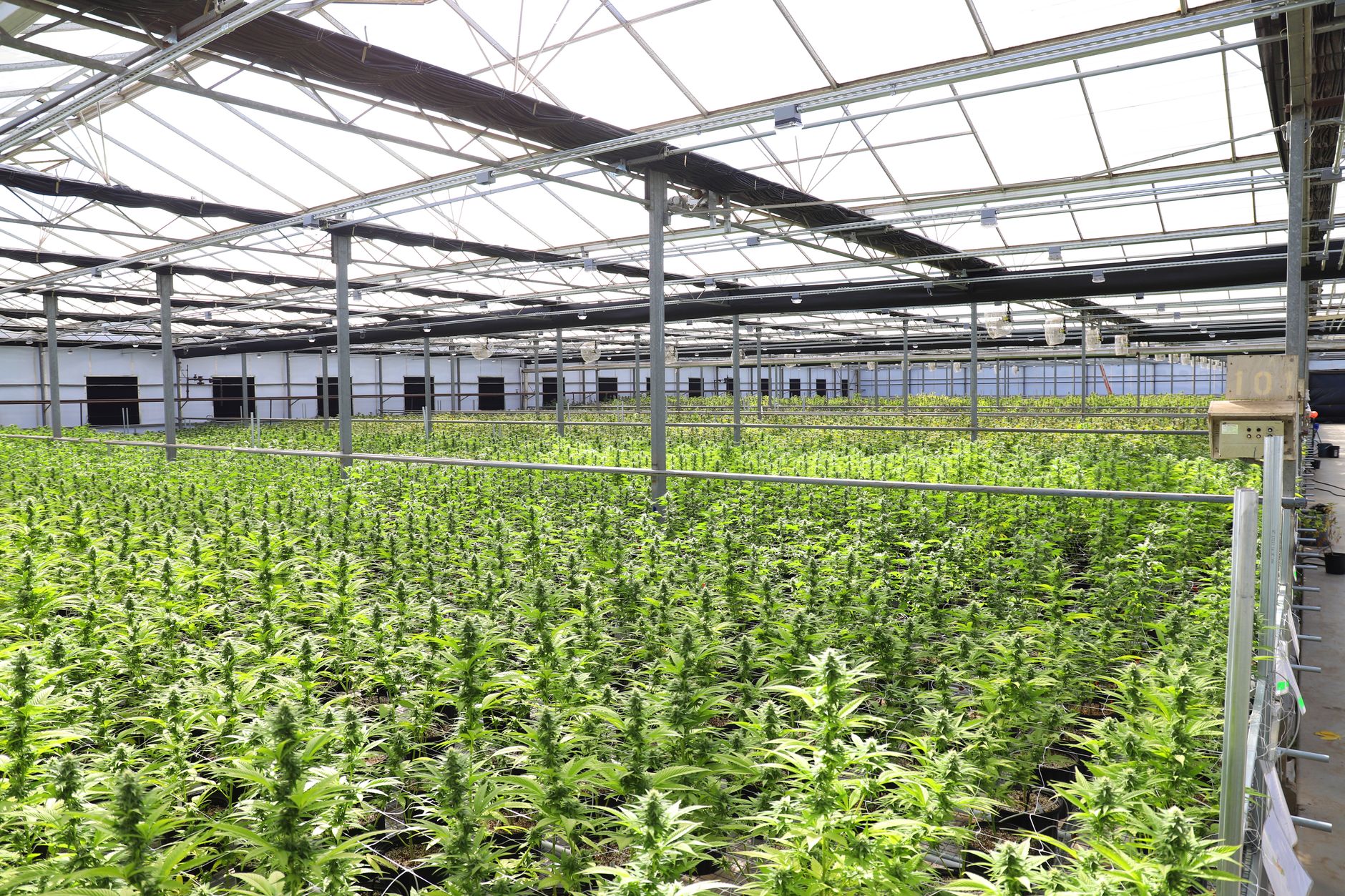
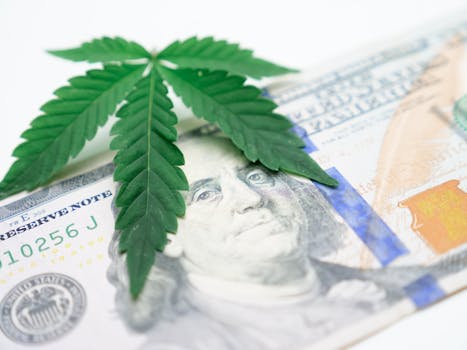 Photo: Kindel Media / Pexels
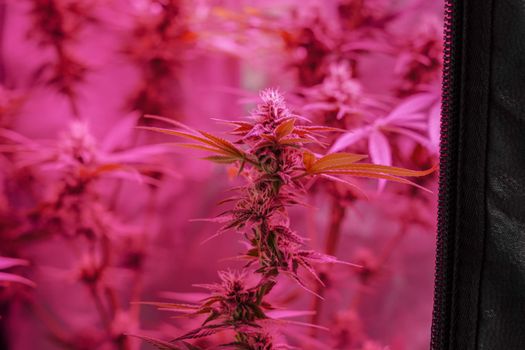 Photo: Juan Miguel Restrepo Barrera / Pexels
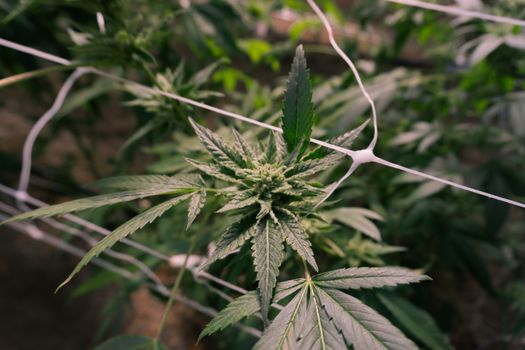 Photo: Haley Bee / Pexels
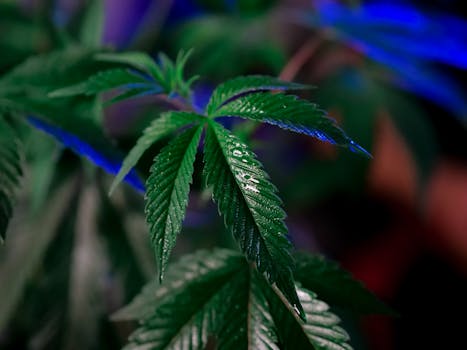 Photo: Kindel Media / Pexels