How Much Cannabis Can I Possess California? Your Complete Guide
how much cannabis can I possess California

How Much Cannabis Can I Possess California? Your Complete Guide

Navigate California's complex cannabis laws with confidence, ensuring you stay within legal possession and cultivation limits.

Understand Your Limits

Key Takeaways

  • ✓ Adults 21+ can possess up to 28.5 grams of non-concentrated cannabis.
  • ✓ Adults 21+ can possess up to 8 grams of concentrated cannabis.
  • ✓ Adults 21+ can cultivate up to 6 cannabis plants at home.
  • ✓ Medical patients with a valid recommendation may have higher possession and cultivation limits.

How It Works

1
Identify Your Status

Determine if you are an adult 21+ for recreational use or a qualified patient/caregiver with a medical cannabis card. Your status dictates specific limits.

2
Understand Possession Limits

Familiarize yourself with the legal thresholds for non-concentrated cannabis (flower), concentrated cannabis (edibles, vapes), and cannabis plants. These limits apply to public and private spaces.

3
Know Cultivation Rules

If you plan to grow, understand the rules regarding plant count, secure location, and local ordinances. Home cultivation has specific guidelines to follow.

4
Be Aware of Restrictions

Remember that even within legal limits, public consumption, consumption in vehicles, and possession on federal land are prohibited. Stay informed about where you can and cannot use cannabis.

California's Recreational Cannabis Possession Limits Explained
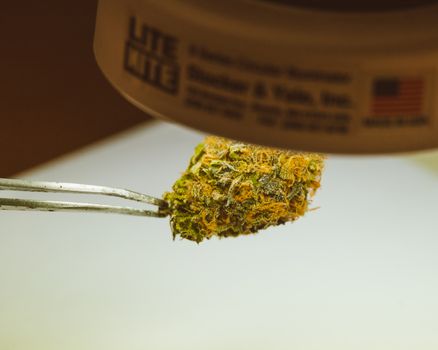
Detailed view of a cannabis bud held by tweezers under a light, emphasizing texture and trichomes. Photo: Jess Loiterton / Pexels
California, a pioneer in cannabis legalization, established clear guidelines for recreational use under Proposition 64, the Adult Use of Marijuana Act (AUMA), passed in 2016. For adults aged 21 and older, understanding these limits is crucial to avoid legal complications. The foundational rule dictates that individuals can possess up to 28.5 grams (one ounce) of non-concentrated cannabis. This typically refers to dried flower, which is the most common form of cannabis. It's important to note that this limit applies to your total possession, whether it's in your home, on your person, or in your vehicle. Exceeding this amount without a medical recommendation or a commercial license can lead to legal penalties, ranging from infractions to misdemeanors, depending on the quantity. Beyond dried flower, California also sets limits for concentrated cannabis. This category includes products like vape cartridges, edibles, tinctures, and oils. The legal limit for concentrated cannabis is 8 grams. This distinction is vital because concentrates are significantly more potent than flower, and their smaller volume can be deceptive. For example, a single gram of concentrate might contain the equivalent THC of several grams of flower. Therefore, always check the packaging for the exact weight of the concentrate. When purchasing edibles, the total THC content is often listed, but the possession limit refers to the weight of the concentrate itself, not just the THC. This can be a point of confusion for many consumers, so always err on the side of caution and consult with dispensary staff if unsure. Adhering to these limits is not just about avoiding legal trouble; it's also about responsible consumption and contributing to a well-regulated market. California's legal framework aims to balance individual freedom with public safety, and understanding these nuances is a key part of that balance. Understanding California cannabis laws in general can provide a broader context for these possession limits. It's also worth remembering that local jurisdictions can impose additional restrictions on where cannabis can be used, even if possession is legal. Always be aware of local city and county ordinances.

Medical Cannabis Possession and Cultivation: Higher Limits for Patients

Two friends relaxing on a sofa, smoking indoors with atmospheric lighting. Photo: Pavel Danilyuk / Pexels
While recreational limits are straightforward, California's medical cannabis program offers more flexibility for qualified patients and their primary caregivers. Under the Compassionate Use Act of 1996 (Proposition 215) and subsequently refined by the Medical Cannabis Regulation and Safety Act (MCRSA) and AUMA, medical patients typically have higher possession and cultivation limits. The standard medical guideline allows for possession of up to eight ounces of dried cannabis. This is a significant increase compared to the recreational one-ounce limit, acknowledging the consistent and often higher dosage needs of medical users. For concentrates, the eight-gram limit generally applies to medical patients as well, though specific medical conditions or doctor's recommendations might allow for exceptions, particularly for patients with severe or debilitating illnesses requiring higher potency or different forms of cannabis products. Cultivation limits also differ for medical patients. While recreational users are limited to six plants, medical patients can cultivate more plants if their physician recommends it. The general guideline states that a patient or their primary caregiver may possess an amount of cannabis consistent with the patient's current medical needs, which can include cultivating up to six mature or twelve immature cannabis plants. However, a physician's recommendation can specify a higher amount if deemed medically necessary. This recommendation must explicitly state the quantity of cannabis, whether in dried form or as plants, that is appropriate for the patient's condition. It is crucial for medical patients to carry their physician's recommendation and, if applicable, their county-issued medical marijuana identification card, as these documents are essential for proving their legal right to possess higher quantities. Without proper documentation, medical patients could be subject to recreational possession limits and associated penalties. Furthermore, local jurisdictions may have specific ordinances regarding medical cannabis cultivation, such as requiring cultivation to be indoors or imposing setback requirements. Always check with your local city or county planning department to ensure compliance with all applicable regulations. This layered approach ensures that while recreational use is regulated, medical patients have the necessary access to their medicine without undue burden.

Home Cultivation Rules: Growing Your Own Cannabis Legally
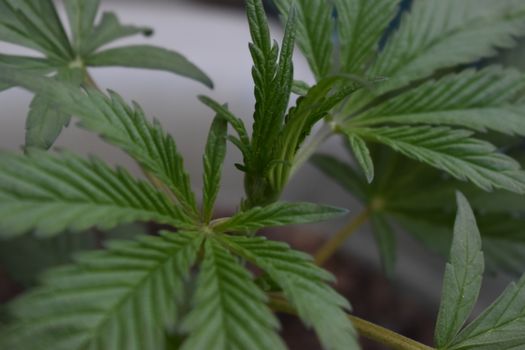
Detailed closeup of cannabis leaves and bud, vibrant green, outdoor growth. Photo: Jave Lr / Pexels
One of the most appealing aspects of California's cannabis laws for many enthusiasts is the right to cultivate their own plants at home. Both recreational users (21+) and medical patients are permitted to grow cannabis, but distinct rules apply to each. For recreational users, the law allows for the cultivation of up to six cannabis plants per residence, regardless of how many adults live there. This limit is per household, not per person. These plants must be grown in a secure, private location, not visible from a public place. This typically means indoors, within a fenced yard, or in a greenhouse that isn't openly accessible or visible to neighbors or passersby. The intent is to prevent public display and potential theft while allowing personal cultivation. It's also important that cultivation areas are locked or otherwise secured to prevent access by minors. Local jurisdictions can impose additional reasonable regulations on home cultivation, such as requiring cultivation to be indoors or setting limits on the size of the cultivation area. Before you start growing, it is highly advisable to check your local city and county ordinances, as these can vary significantly and may include requirements for permits or specific safety measures. Some cities have outright banned outdoor cultivation, even for the permitted six plants. For medical patients, the cultivation rules offer more flexibility, as mentioned previously. While the default is also six mature or twelve immature plants, a physician's recommendation can authorize a higher plant count if medically justified. This is a critical distinction, as it allows patients with significant needs to produce enough medicine to meet their demands without resorting to the commercial market. Similar to recreational cultivation, medical cultivation must also be in a secure, private location. However, the exact interpretation of 'consistent with the patient's current medical needs' can sometimes be subjective, making a clear and detailed physician's recommendation invaluable. Regardless of your status, it is illegal to cultivate cannabis for commercial purposes without the appropriate state and local licenses. Selling or distributing your home-grown cannabis, even in small amounts, without a license can lead to severe legal penalties. The focus of home cultivation laws is strictly for personal use. Understanding best practices for cannabis cultivation can help ensure your home grow is both legal and successful. Always prioritize security, privacy, and adherence to both state and local laws to ensure a smooth and legal home cultivation experience in California.

Navigating Public Consumption and Transportation Laws: Key Considerations
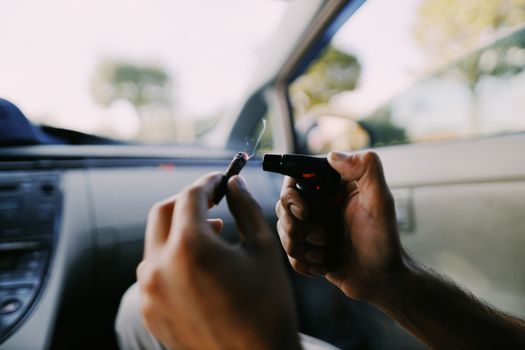
Hands holding a lighter and cannabis joint inside a car, outdoors. Photo: Julia Avamotive / Pexels
Even with legal possession and cultivation limits, where and how you consume or transport cannabis in California is subject to strict regulations. Public consumption of cannabis is generally prohibited. This includes smoking, vaping, or ingesting cannabis in public places, such as parks, sidewalks, restaurants, bars, and even in private businesses that are open to the public. The rationale behind this is similar to public alcohol consumption laws – to maintain public order and prevent potential nuisances. Violations of public consumption laws can result in fines, typically an infraction. While the fines are usually not severe, repeated offenses can lead to more significant penalties. It's also important to remember that landlords have the right to prohibit cannabis use on their property, even if it's a private residence. So, if you rent, always check your lease agreement regarding cannabis use. Transportation of cannabis also has specific rules. While you can transport your legally possessed cannabis, it must be in a sealed container or the trunk of your vehicle. It cannot be in an open container, similar to alcohol laws. This means that if you've purchased cannabis from a dispensary, it should remain in its original, sealed packaging until you reach a private location where consumption is permitted. Furthermore, it is strictly illegal to consume cannabis while driving or riding as a passenger in a vehicle. Driving under the influence of cannabis is a serious offense, carrying penalties similar to driving under the influence of alcohol, including fines, license suspension, and potential jail time. Law enforcement officers are trained to recognize impairment, and roadside sobriety tests may be administered. It's crucial to understand that even if you feel you are not impaired, THC can affect your judgment and reaction time. Never drive after consuming cannabis. Additionally, transporting cannabis across state lines, even to another state where cannabis is legal, is a federal offense. Federal law still considers cannabis illegal, and federal jurisdiction applies at borders and airports. Therefore, do not attempt to fly with cannabis or drive it across state lines. Always consume responsibly and within the confines of private property, away from public view, to ensure full compliance with California law. These regulations are designed to minimize public health and safety risks while allowing for personal use within defined boundaries. **Key Tips for Responsible Cannabis Use in California:** * **Always check your age:** Ensure you are 21 or older for recreational use. * **Know your limits:** Memorize the 28.5g flower and 8g concentrate limits. * **Keep it private:** Consume cannabis in private residences or licensed consumption lounges only. * **Secure your stash:** Store cannabis and plants securely, out of reach of minors. * **Don't drive impaired:** Never operate a vehicle under the influence of cannabis. * **Stay local:** Do not transport cannabis across state lines or onto federal property. * **Verify local laws:** Always check city and county ordinances for additional restrictions on possession, cultivation, and consumption. * **Medical documentation:** If you're a medical patient, always carry your recommendation or card for higher limits.

Comparison

FeatureAdult Use (21+)Medical Patient (with Rec)Federal Law
Flower Possession Limit28.5 grams (1 ounce)8 ounces (default, more with rec)Illegal
Concentrate Possession Limit8 grams8 grams (more with rec)Illegal
Home Cultivation Plants6 plants per residence6 mature/12 immature (more with rec)Illegal
Public Consumption✗ (Illegal)✗ (Illegal)✗ (Illegal)
Driving Under Influence✗ (Illegal)✗ (Illegal)✗ (Illegal)

What Readers Say

"This article was incredibly helpful in clarifying how much cannabis I can possess in California. I always get confused between flower and concentrates, and this broke it down perfectly. Now I feel confident knowing I'm within legal limits."

Sarah J. · Los Angeles, CA

"As a medical patient, I often wonder about my specific cultivation limits. This guide clearly explained the nuances for medical recommendations, which is a huge relief. Very comprehensive and easy to understand."

Mark D. · San Francisco, CA

"I was planning to start growing at home and needed to know the plant count. This article confirmed the six-plant limit and reminded me to check local ordinances, which I hadn't even thought of. Saved me potential trouble!"

Jessica L. · San Diego, CA

"Good overview, though I wish there was a bit more detail on specific local city ordinances. Still, it covered all the major state laws for how much cannabis I can possess California, which is the most important part for general understanding."

Ethan R. · Sacramento, CA

"The section on public consumption and transportation was a vital reminder. It's easy to forget about sealed containers in the car. This guide is a must-read for anyone consuming cannabis in California."

Olivia M. · Oakland, CA

Frequently Asked Questions

What is the absolute maximum amount of cannabis flower an adult can possess in California?

For adults 21 and over, the absolute maximum amount of non-concentrated cannabis (flower) you can possess for recreational use is 28.5 grams (one ounce). Medical patients with a valid physician's recommendation may possess up to 8 ounces, or more if explicitly recommended by their doctor.

Can I have both 28.5 grams of flower and 8 grams of concentrate at the same time?

Yes, the possession limits for non-concentrated cannabis (flower) and concentrated cannabis are separate. An adult 21+ can legally possess up to 28.5 grams of flower AND up to 8 grams of concentrate simultaneously.

How do I ensure my home cultivation is legal in California?

To ensure legal home cultivation, limit yourself to 6 plants per residence (for adults 21+, more for medical patients with a recommendation), grow them in a secure, private location not visible from public, and always check your local city and county ordinances for additional rules like indoor-only cultivation or permitting requirements.

Are there any fees or costs associated with possessing cannabis within legal limits?

No, there are no specific fees or costs associated with merely possessing cannabis within the legal limits. However, purchasing cannabis from a licensed dispensary will include state and local taxes, which contribute to the overall cost of the product.

How do California's cannabis possession laws compare to other states?

California's possession laws are generally in line with other adult-use legal states, typically allowing around one ounce of flower and smaller amounts of concentrates. However, specific plant counts for cultivation and medical patient provisions can vary significantly, so it's crucial to research laws for any other state you visit.

Who should pay close attention to California's cannabis possession limits?

Anyone who consumes, transports, or cultivates cannabis in California should pay close attention to these limits. This includes recreational users, medical patients, and even tourists visiting the state, as ignorance of the law is not a valid defense.

What are the risks if I exceed the legal cannabis possession limits in California?

Exceeding legal possession limits can lead to various penalties, including fines, community service, and potential misdemeanor or felony charges, depending on the quantity. For larger amounts, it can be considered possession with intent to sell, carrying much more severe consequences.

Will California's cannabis possession laws change in the near future?

While the core possession limits established by Proposition 64 have remained relatively stable, California's cannabis laws are continually evolving. Future changes might involve adjustments to taxation, new regulations for licensed businesses, or refinements to local control, but major shifts to personal possession limits are less common without significant legislative action.

Understanding how much cannabis you can possess in California is essential for responsible and legal enjoyment. Always stay informed about state and local regulations to ensure you're compliant, whether you're buying, consuming, or cultivating. Arm yourself with this knowledge to navigate California's cannabis landscape with confidence.

Topics: how much cannabis can I possess CaliforniaCalifornia cannabis possession limitslegal weed limits Californiacannabis cultivation CaliforniaCalifornia marijuana laws
Leo List

DK Escorts LU Escorts AT Escorts SE Escorts FI Escorts CH Escorts DE Escorts HR Escorts IE Escorts GR Escorts CZ Escorts NO Escorts BE Escorts FR Escorts SI Escorts IL Escorts NL Escorts PL Escorts HU Escorts ES Escorts IT Escorts PT Escorts SK Escorts RO Escorts ZA Escorts UY Escorts US Escorts UK Escorts NZ Escorts AU Escorts
Brampton weed
Adultwork EstrelaBet Vai de Bet R7 Bet Betão Galera Bet Rainbet Bet9ja Shop SportyBet BetKing Sisal Loto Foot Hollywoodbets YesPlay Odibets RushBet Jugabet BetWarrior BetCity MSport betPawa Fortebet