How to Get a Medical Cannabis Card California: Your Guide
how to get a medical cannabis card California

How to Get a Medical Cannabis Card California: Your Guide

Navigate the process of obtaining your California medical cannabis card with confidence and clarity, securing your legal access.

Start Your Application

Key Takeaways

  • ✓ You need a physician's recommendation to apply for a California Medical Marijuana Identification Card (MMIC).
  • ✓ The MMIC is optional; a doctor's recommendation alone provides some legal protections.
  • ✓ Qualifying conditions include chronic pain, cancer, glaucoma, and others.
  • ✓ The MMIC offers enhanced legal protections and tax benefits.

How It Works

1
Consult a Licensed Physician

Schedule an appointment with a California-licensed doctor specializing in cannabis recommendations. They will assess your medical history and current condition to determine if you qualify.

2
Obtain Your Recommendation

If approved, the physician will issue you a written medical cannabis recommendation. This document is crucial for accessing dispensaries and starting the MMIC application.

3
Apply for the MMIC (Optional but Recommended)

Gather your physician's recommendation, proof of California residency, and a valid ID. Submit your application to your county's MMIC program, typically through their public health department.

4
Receive Your MMIC

Once your application is processed and approved by the county, you will receive your official Medical Marijuana Identification Card. This card provides the highest level of legal protection under state law.

Understanding California's Medical Cannabis Landscape
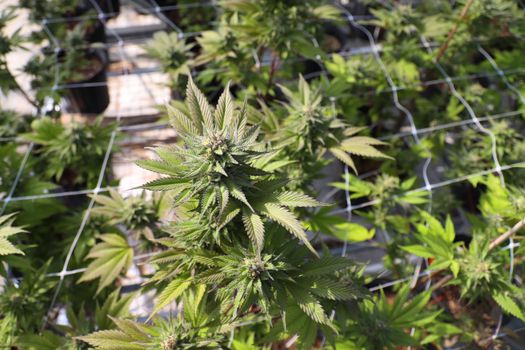
California has long been a pioneer in medical cannabis, being the first state to legalize it for medicinal use with the Compassionate Use Act of 1996 (Prop 215). This landmark legislation paved the way for patients with specific medical conditions to legally possess and cultivate cannabis for personal use with a physician's recommendation. However, the regulatory landscape has evolved significantly since then, particularly with the passage of the Medical Cannabis Regulation and Safety Act (MCRSA) in 2015 and the Adult Use of Marijuana Act (AUMA), also known as Prop 64, in 2016. Understanding these legislative changes is crucial for anyone looking to navigate how to get a medical cannabis card California. Prop 64 legalized recreational cannabis for adults 21 and over, which led many to question the continued relevance of a medical cannabis card. While recreational access is widespread, the medical cannabis program still offers distinct advantages. These benefits include, but are not limited to, higher possession limits, the ability to cultivate more plants, potential tax exemptions, and access to a wider range of high-potency products often unavailable on the recreational market. For patients, these differences can significantly impact their access, cost, and overall treatment effectiveness. One of the primary benefits of holding a Medical Marijuana Identification Card (MMIC), issued by the California Department of Public Health (CDPH), is enhanced legal protection. While a doctor's recommendation alone offers some legal standing under Prop 215, the state-issued MMIC provides an official, verifiable document that can help avoid misunderstandings with law enforcement. It explicitly identifies you as a qualified patient or primary caregiver in the state's medical marijuana program, offering a layer of security that a simple doctor's note might not. Moreover, many local jurisdictions have specific regulations that favor MMIC holders, such as allowing greater cultivation limits or providing additional dispensary access. Furthermore, the financial aspect is a significant consideration. MMIC holders are exempt from the state sales and use tax on medical cannabis purchases, which can lead to substantial savings over time, especially for patients who rely on cannabis for chronic conditions. This tax exemption alone often justifies the cost and effort of obtaining the card for many individuals. The evolving regulations mean that while recreational cannabis is readily available, the medical program continues to serve a vital role for patients seeking specific therapeutic benefits and legal safeguards. Navigating California's cannabis laws can be complex, but understanding the distinction between recreational and medical use is the first step toward making an informed decision about obtaining your MMIC.

Qualifying Conditions for a Medical Cannabis Card

To successfully get a medical cannabis card in California, you must have a qualifying medical condition as determined by a licensed physician. The Compassionate Use Act of 1996 (Prop 215) broadly defined these conditions, and while subsequent legislation has refined the medical cannabis program, the core intent remains to provide relief for serious illnesses. The list of qualifying conditions is not exhaustive and includes a range of debilitating ailments that a physician may deem suitable for medical cannabis treatment. Common qualifying conditions include: AIDS, Anorexia, Arthritis, Cachexia (wasting syndrome), Cancer, Chronic pain, Glaucoma, Migraine, Persistent muscle spasms (including those associated with multiple sclerosis), Severe nausea, Spasticity, and Seizures (including those characteristic of epilepsy). Beyond this list, the law also allows for "any other chronic or persistent medical symptom that either substantially limits the ability of the person to conduct one or more major life activities as defined in the Americans with Disabilities Act of 1990, or, if not alleviated, may cause serious harm to the patient's safety or physical or mental health." This broad clause gives physicians the discretion to recommend cannabis for a wider array of conditions based on their professional judgment and the patient's individual circumstances. Chronic pain is perhaps the most common condition for which patients seek medical cannabis. Millions of Californians suffer from various forms of chronic pain, and for many, traditional pharmaceutical treatments come with undesirable side effects or inadequate relief. Cannabis offers an alternative or complementary approach that some patients find more effective and tolerable. Similarly, cancer patients often utilize cannabis to manage chemotherapy-induced nausea, appetite loss, and pain. The plant's anti-emetic and appetite-stimulating properties can significantly improve the quality of life for those undergoing rigorous cancer treatments. It's crucial to understand that the physician's recommendation is not a prescription in the traditional sense, as cannabis remains federally illegal. Instead, it's a doctor's professional opinion that medical cannabis may alleviate the patient's symptoms or improve their condition. The physician must establish a bona fide doctor-patient relationship, which involves a comprehensive medical examination and review of the patient's history. This isn't a quick consultation; a responsible physician will take the time to understand your condition, discuss potential risks and benefits of cannabis use, and determine if it's an appropriate treatment option for you. Patients should be prepared to provide medical records or documentation supporting their condition. While some online services offer quick recommendations, ensuring a thorough and legitimate medical evaluation is paramount for both your health and legal standing. The integrity of this doctor-patient relationship is a cornerstone of the medical cannabis program and is essential for those wondering how to get a medical cannabis card California.

The Application Process for Your MMIC in California

Once you have secured a physician's recommendation for medical cannabis, the next step in how to get a medical cannabis card California is to apply for the Medical Marijuana Identification Card (MMIC) through your county's public health department. While the physician's recommendation alone provides some legal protection under state law, the MMIC offers significant additional benefits, including enhanced legal clarity and exemption from state sales tax on cannabis purchases. The application process, while straightforward, requires attention to detail and specific documentation. The first step is to gather all necessary documents. You will need your original written recommendation from a California-licensed physician. This document must clearly state that you have a qualifying medical condition and that the physician believes medical cannabis is appropriate for your treatment. Next, you will need proof of identity, such as a valid California driver's license or state ID card. Finally, you must provide proof of California residency, which can include a utility bill, rental agreement, or DMV vehicle registration with your current address. If you are applying as a primary caregiver, you will also need to provide documentation for both yourself and the patient, including a signed statement from the patient designating you as their primary caregiver. It's important to note that the patient must be present at the time of application if they are applying with a caregiver. After assembling your documents, you will need to schedule an appointment with your county's MMIC program, which is typically housed within the public health department. Some counties may allow walk-ins, but scheduling an appointment beforehand is generally recommended to avoid long wait times. During your appointment, a county staff member will review your application, verify your documents, and take your photograph for the card. They will also collect the application fee, which varies by county but is capped by the state. Patients who participate in the Medi-Cal program may be eligible for a 50% reduction in the application fee, so it's worth inquiring about this if it applies to you. Once your application is submitted, the county will process it and forward it to the California Department of Public Health (CDPH) for final approval and card issuance. The processing time can vary, but typically, you can expect to receive your MMIC within 3-5 weeks. The MMIC is valid for one year from the date of issue and must be renewed annually. This systematic process ensures that all applicants meet the state's requirements and that the MMIC program maintains its integrity. For more details on cannabis regulations, always refer to official state resources.

Navigating Online Recommendations and Common Mistakes to Avoid

In recent years, the process of obtaining a physician's recommendation for medical cannabis has become significantly more accessible, largely due to the proliferation of online telemedicine platforms. These services allow patients to consult with California-licensed physicians remotely, often from the comfort of their own homes. While convenient, it's crucial to choose a reputable and legitimate service to ensure your recommendation is valid and recognized by state authorities. Look for platforms that employ California-licensed doctors, require a thorough medical intake process, and offer clear communication about the legality and use of your recommendation. Be wary of services that promise instant approvals without any genuine medical evaluation or charge unusually low fees, as these might not meet the state's requirements for a bona fide doctor-patient relationship. One common mistake patients make is assuming that a doctor's recommendation alone is equivalent to the state-issued Medical Marijuana Identification Card (MMIC). While a valid recommendation does provide some legal protection under Prop 215, the MMIC offers superior benefits, including immunity from state sales tax and stronger legal defense against local ordinances. Many patients also mistakenly believe that recreational cannabis access negates the need for a medical card. As discussed, the medical program provides distinct advantages such as higher possession and cultivation limits, and access to specific products or dispensaries that cater exclusively to medical patients. Failing to understand these differences can lead to missed benefits or potential legal complications. Another frequent error is not keeping medical records updated or failing to provide adequate documentation during the physician consultation. While a doctor can make a recommendation based on a verbal assessment, having supporting medical records (e.g., diagnoses, treatment history, current medications) strengthens your case and ensures the physician has a comprehensive understanding of your condition. This is particularly important for initial consultations and renewals. Furthermore, neglecting to renew your MMIC or recommendation in a timely manner can result in a lapse in legal protection and access to medical dispensaries. Always keep track of your expiration dates and initiate the renewal process well in advance. Finally, some patients overlook the importance of understanding local ordinances. While state law provides a framework, individual cities and counties in California can have their own regulations regarding cannabis cultivation, dispensary locations, and public consumption. Being aware of these local rules is essential to remain compliant. For example, some cities might have stricter limits on home cultivation than the state allows, or prohibit dispensaries in certain zones. Always research your specific locality's laws to avoid any unexpected issues. By being diligent and informed, you can avoid these common pitfalls and ensure a smooth experience when navigating how to get a medical cannabis card California.

Comparison

FeatureMMIC HolderRecreational User (21+)Doctor's Recommendation Only
Possession Limit (Flower)8 ounces1 ounce8 ounces
Cultivation Limit6 mature plants (state default, local may allow more)6 plants (all stages)6 mature plants (state default, local may allow more)
State Sales Tax Exemption
Purchase LimitsHigher amounts, often tailored to needLower, fixed amountsHigher amounts, often tailored to need
Access to Medical Dispensaries✗ (unless also 21+)
Legal ProtectionHighest (state ID)Standard adult useModerate (requires proof of recommendation)

What Readers Say

"I was really confused about how to get a medical cannabis card California, but this guide clarified everything. The online consultation was so easy, and I received my recommendation quickly. The tax savings alone make it completely worth it!"

Sarah J. · Los Angeles, CA

"After years of dealing with chronic back pain, I decided to explore medical cannabis. This resource walked me through the doctor's visit and the county application. I now have my MMIC and access to products that genuinely help."

Michael D. · San Francisco, CA

"Getting my medical cannabis card in California was a breeze thanks to the clear step-by-step instructions. I appreciated the detailed information on qualifying conditions and what to expect during the application, resulting in my card being approved in just three weeks."

Jessica L. · San Diego, CA

"The process described here was mostly accurate, though my county's office had slightly different hours than I expected. Still, the core information on how to get a medical cannabis card California was invaluable for preparing my documents and understanding the benefits."

Robert K. · Sacramento, CA

"As a caregiver, understanding the MMIC process for my elderly mother was critical. This guide explained the caregiver application thoroughly, which made getting her card much less stressful. It's truly a patient-first approach."

Emily R. · Oakland, CA

Frequently Asked Questions

What are the primary benefits of having a Medical Marijuana Identification Card (MMIC) in California?

The MMIC offers several key benefits, including exemption from state sales and use taxes on cannabis purchases, enhanced legal protection from law enforcement, higher possession limits (up to 8 ounces of dried cannabis), and the ability to cultivate more plants (up to 6 mature or 12 immature plants, with potential for more based on physician recommendation and local ordinances). It formally identifies you as a qualified patient in California's medical marijuana program.

Is a doctor's recommendation enough, or do I need the state MMIC?

While a doctor's recommendation alone provides some legal protection under California's Compassionate Use Act (Prop 215), the state-issued MMIC offers significantly stronger legal standing and additional benefits, such as tax exemption. Many patients opt for the MMIC for peace of mind and financial savings, as it is an official government-issued card.

How do I find a legitimate doctor for a medical cannabis recommendation in California?

You can find a legitimate doctor by searching for licensed physicians specializing in medical cannabis evaluations in California. Many reputable telemedicine platforms also offer online consultations with licensed doctors who can provide recommendations. Always verify the doctor's license and ensure they conduct a thorough medical assessment to establish a bona fide doctor-patient relationship.

What is the typical cost associated with getting a medical cannabis card in California?

The cost typically includes a physician's consultation fee, which can range from $50 to $150 for an initial recommendation. Additionally, there is a county application fee for the MMIC itself, which is capped by the state at $100 annually, though it can be reduced to $50 for Medi-Cal beneficiaries. These costs are separate and can vary by provider and county.

How does the MMIC compare to recreational cannabis access in California?

The MMIC provides distinct advantages over recreational access. While recreational users (21+) can purchase and possess cannabis, MMIC holders benefit from higher possession and cultivation limits, exemption from state sales tax, and access to medical-only dispensaries or products. These differences are crucial for patients relying on cannabis for therapeutic purposes and seeking better legal protection.

Who should consider getting a medical cannabis card in California?

Individuals suffering from chronic or debilitating medical conditions that may be alleviated by cannabis should consider getting a medical cannabis card. This includes patients with conditions like chronic pain, cancer, glaucoma, seizures, and other severe symptoms where cannabis is deemed medically appropriate by a licensed physician. It's also beneficial for those seeking greater legal protection and tax savings.

Are there any risks or downsides to obtaining a medical cannabis card?

One potential downside is that while medical cannabis is legal in California, it remains federally illegal. This can sometimes create issues with federal housing, employment, or gun ownership, though these instances are rare for state-legal patients. Another consideration is the annual renewal process for both the recommendation and the MMIC itself. Always be aware of federal vs. state law discrepancies.

What are the future trends for medical cannabis cards in California?

The trend in California suggests continued integration and refinement of the medical and recreational markets. While recreational access is widespread, the MMIC program is likely to remain relevant for patients seeking specific therapeutic benefits, higher potency products, and tax exemptions. We may see further streamlining of the application process and increased focus on patient education as the industry matures.

Understanding how to get a medical cannabis card California is your first step towards legal, safe, and cost-effective access to therapeutic cannabis. Don't navigate this journey alone; empower yourself with the right information and resources to secure your medical cannabis card today.

Topics: how to get a medical cannabis card CaliforniaCalifornia medical marijuana cardmedical cannabis doctor Californiaqualifying conditions California medical cannabisMMIC application California
Leo List
Brampton weed
Adultwork