✓ California was the first state to legalize medical cannabis (Prop 215, 1996).
✓ Adults 21+ can purchase recreational cannabis, but a medical card offers distinct advantages.
✓ A valid doctor's recommendation is the primary requirement for a medical cannabis card.
✓ The California Medical Marijuana Identification Card (MMIC) is voluntary but provides state-level protection and benefits.
How It Works
1
Consult a Qualified Physician
Schedule an appointment with a licensed California physician who can evaluate your medical condition. This can often be done conveniently online via telehealth platforms.
2
Receive Your Recommendation
If the doctor determines cannabis is an appropriate treatment for your qualifying condition, they will issue a medical cannabis recommendation. This is usually a digital document.
3
Apply for the MMIC (Optional but Recommended)
With your doctor's recommendation, you can apply for the state-issued Medical Marijuana Identification Card (MMIC) through your county's health department. This provides legal protection.
4
Access Medical Cannabis Benefits
Once you have your recommendation or MMIC, you can visit licensed dispensaries to purchase medical cannabis. Enjoy benefits like higher potency limits and tax exemptions.
Understanding Medical Cannabis in California: Beyond Recreational Use
Photo: Terrance Barksdale / Pexels
California has long been a pioneer in cannabis legislation, being the first state to legalize medical cannabis with Proposition 215 in 1996. While the Adult Use of Marijuana Act (Proposition 64) in 2016 legalized recreational cannabis for adults 21 and over, the medical cannabis program remains robust and offers significant advantages that many Californians are still unaware of. Understanding these distinctions is crucial for anyone considering how to get a medical cannabis card California.
Recreational cannabis allows adults to purchase and possess certain amounts of cannabis products. However, the medical cannabis program, governed by the Medical Cannabis Program Act (MCP), provides specific legal protections and benefits tailored to patients with qualifying medical conditions. The core difference lies in the intent and legal framework: recreational use is for general consumption, while medical use is for therapeutic purposes under a doctor's supervision. This distinction is not merely semantic; it translates into tangible benefits for patients.
One of the most compelling reasons to obtain a medical cannabis card, or at least a doctor's recommendation, is the potential for significant tax savings. California imposes substantial excise and sales taxes on recreational cannabis. Medical cannabis patients, however, are often exempt from state sales tax on their purchases, leading to considerable savings over time, especially for those who rely on cannabis regularly for their health. This financial relief can make a real difference in the accessibility of necessary medication.
Beyond tax benefits, medical cannabis patients often have access to higher potency products and a wider range of product types that might not be available on the recreational market. This is particularly important for patients with severe conditions who require specific cannabinoid profiles or higher concentrations of THC or CBD for effective symptom management. Dispensaries catering to medical patients may also offer more personalized consultations and specialized products designed for therapeutic use.
Furthermore, medical cannabis patients typically have higher possession limits compared to recreational users. While recreational users are limited to possessing 28.5 grams of non-concentrated cannabis and 8 grams of concentrated cannabis, medical patients, with a valid physician's recommendation, can possess up to eight ounces of dried cannabis. This increased limit ensures that patients can maintain an adequate supply of their medication without frequent trips to dispensaries, which can be particularly beneficial for those with mobility issues or chronic pain.
Another critical aspect is legal protection. While recreational cannabis is legal, medical cannabis patients often receive stronger legal protections under state law, particularly concerning employment and housing, though these areas are still evolving. The state-issued Medical Marijuana Identification Card (MMIC) provides official verification of a patient's status, which can be useful in various situations. It signals to law enforcement that the individual is a registered medical cannabis patient, potentially avoiding misunderstandings.
In essence, while recreational cannabis has broadened access, the medical cannabis program in California remains a vital pathway for patients seeking specific therapeutic benefits, financial relief, and enhanced legal protections. Understanding these nuances is the first step in deciding if pursuing a medical cannabis card is the right choice for your health and well-being. The process, while requiring a few steps, is designed to be accessible and beneficial for those who qualify. For more details on the medical uses of cannabis, you can explore resources like benefits of medical cannabis.
Eligibility and Qualifying Conditions for a California Medical Cannabis Card
Photo: Alesia Kozik / Pexels
To successfully navigate how to get a medical cannabis card California, understanding the eligibility criteria and qualifying conditions is paramount. California's medical cannabis laws are relatively broad, aiming to provide relief for a wide array of debilitating medical conditions. The core requirement is that a licensed physician must determine that the use of cannabis is appropriate for the patient's serious medical condition and that the potential benefits of medical cannabis outweigh the risks.
The list of qualifying conditions is not exhaustive, meaning physicians have discretion to recommend cannabis for other conditions if they believe it will provide therapeutic relief. However, there are several commonly recognized conditions that almost universally qualify. These include, but are not limited to:
* **Cancer:** For symptoms such as pain, nausea, appetite loss, and cachexia (wasting syndrome) often associated with the disease or its treatments like chemotherapy.
* **Anorexia:** To stimulate appetite and combat involuntary weight loss.
* **AIDS/HIV:** To manage symptoms like wasting syndrome, neuropathic pain, and nausea.
* **Chronic Pain:** This is one of the most common qualifying conditions, encompassing various types of persistent pain that significantly impair daily life.
* **Spasticity:** Often associated with conditions like multiple sclerosis or spinal cord injuries, where muscle spasms cause pain and discomfort.
* **Glaucoma:** To reduce intraocular pressure, although it's often used as an adjunct rather than a primary treatment.
* **Arthritis:** For managing chronic pain and inflammation associated with various forms of arthritis.
* **Migraine:** For the relief of severe headaches and associated symptoms.
* **Any other chronic or persistent medical symptom that either:**
* Substantially limits the ability of the person to conduct one or more major life activities (as defined in the Americans with Disabilities Act of 1990).
* If not alleviated, may cause serious harm to the patient's safety or physical or mental health.
This broad category allows physicians to consider conditions like severe nausea, seizures (including those characteristic of epilepsy), severe persistent muscle spasms, irritable bowel syndrome, fibromyalgia, and many more, as long as they meet the criteria of being chronic, persistent, and debilitating. The key is the physician's medical judgment and their assessment of the patient's individual circumstances.
Beyond having a qualifying medical condition, applicants must also be California residents. Proof of residency is typically required during the application process for the state-issued MMIC. This usually involves providing a California driver's license or state ID card, along with proof of address like a utility bill or lease agreement. There is no age restriction for medical cannabis; however, minors (under 18) require consent from a parent or legal guardian, and their primary caregiver must be their parent or legal guardian. The caregiver must also obtain a medical cannabis card.
It's important to remember that the doctor's recommendation is the primary document that grants you patient status. The state-issued Medical Marijuana Identification Card (MMIC) is an optional but highly recommended document that provides official verification of your status and can streamline interactions with law enforcement and dispensaries. While many dispensaries will honor a valid doctor's recommendation, having the MMIC offers an extra layer of protection and confirms your registration with the state's medical cannabis program. Understanding these requirements will significantly ease your journey in obtaining your medical cannabis card.
The Step-by-Step Process: How to Get Your Medical Cannabis Card California
Photo: Terrance Barksdale / Pexels
Navigating the application process for your medical cannabis card in California can seem daunting, but by breaking it down into clear steps, it becomes much more manageable. Here’s a detailed guide on how to get a medical cannabis card California, ensuring you meet all requirements and secure your access to medical cannabis.
**Step 1: Find a Qualified California Physician**
The first and most crucial step is to obtain a medical cannabis recommendation from a licensed California physician. This doctor must be in good standing with the Medical Board of California or the Osteopathic Medical Board of California. You have several options for finding such a physician:
* **Online Telehealth Services:** Many reputable online platforms specialize in medical cannabis evaluations. These services allow you to consult with a doctor via video conference from the comfort of your home. They are often convenient, quick, and can provide digital recommendations almost immediately. Ensure the service connects you with a California-licensed physician.
* **Local Medical Cannabis Clinics:** Some clinics specialize in medical cannabis evaluations. A quick online search for “medical cannabis doctor near me” or “MMJ clinic California” can help you find local options.
* **Your Primary Care Physician (PCP):** While less common, some PCPs are open to discussing and recommending medical cannabis. It’s worth inquiring if you have a good relationship with your doctor, though many prefer not to get involved due to various reasons.
During your consultation, be prepared to discuss your medical history, current conditions, medications, and why you believe cannabis could be beneficial. The physician will assess if your condition qualifies under California law.
**Step 2: Obtain Your Medical Cannabis Recommendation**
If the physician determines that medical cannabis is an appropriate treatment for your condition, they will issue you a medical cannabis recommendation. This document typically includes:
* Your name and date of birth.
* The physician’s name, medical license number, and contact information.
* A statement confirming you have a qualifying medical condition and that cannabis is recommended for your treatment.
* The date of issuance and expiration date (recommendations are usually valid for one year).
Many online services provide an instant digital copy of your recommendation, which you can use immediately to purchase medical cannabis at licensed dispensaries. Some may also mail a physical copy.
**Step 3: Apply for the California Medical Marijuana Identification Card (MMIC) – Optional, but Recommended**
While your doctor’s recommendation allows you to legally purchase and possess medical cannabis, applying for the state-issued Medical Marijuana Identification Card (MMIC) through your county’s Department of Public Health offers additional benefits and legal protections. This card is voluntary, but highly advisable.
To apply for an MMIC, you will generally need to:
* **Gather Required Documents:**
* Your original medical cannabis recommendation from a licensed physician.
* Proof of identity (e.g., California driver’s license or state ID card).
* Proof of residency in the county where you are applying (e.g., utility bill, rental agreement, or vehicle registration with your current address).
* Your Medi-Cal card, if applicable, as it may reduce the application fee.
* **Schedule an Appointment:** Contact your county’s Department of Public Health to schedule an appointment. Some counties may allow walk-ins, but it’s best to confirm.
* **Submit Your Application:** At your appointment, you will fill out an application form, present your documents, and have your photo taken. An authorized county employee will verify your physician’s recommendation by contacting them directly.
* **Pay the Fee:** There is an application fee for the MMIC, which varies by county but is typically around $100. This fee is often reduced by 50% for Medi-Cal beneficiaries.
**Step 4: Receive Your MMIC**
Once your application is processed and approved (which can take a few weeks as the county verifies your doctor's recommendation), your official MMIC will be mailed to you. This card is valid for one year from the date of issuance and will need to be renewed annually.
With either your valid doctor's recommendation or your MMIC in hand, you are now legally recognized as a medical cannabis patient in California and can access the full range of benefits and products available at licensed medical cannabis dispensaries. For more on the specifics of dispensary visits, you can check out how to choose a dispensary.
Common Pitfalls and Best Practices for Your California Medical Card Application
Photo: Nataliya Vaitkevich / Pexels
While the process for how to get a medical cannabis card California is generally straightforward, there are common pitfalls that applicants can encounter. Being aware of these can save you time, money, and frustration. Conversely, adopting best practices will ensure a smooth and successful application.
**Common Pitfalls to Avoid:**
* **Using Unlicensed or Out-of-State Physicians:** Only physicians licensed by the Medical Board of California or the Osteopathic Medical Board of California can issue valid recommendations. Beware of services offering recommendations from doctors not licensed in California, as these will be rejected by dispensaries and county health departments.
* **Lack of Proper Documentation:** When applying for the MMIC, failing to bring all required documents (proof of identity, proof of residency, original physician recommendation) will result in delays or rejection. Double-check your county's specific requirements before your appointment.
* **Misrepresenting Medical Conditions:** Be honest and thorough about your medical history with the evaluating physician. Attempting to fabricate or exaggerate conditions can lead to a denial of your recommendation.
* **Expired Recommendations:** Medical cannabis recommendations are typically valid for one year. Ensure your recommendation is current when presenting it to dispensaries or when applying for or renewing your MMIC.
* **Ignoring County-Specific Requirements:** While the state sets general guidelines, individual counties may have slight variations in their MMIC application processes, appointment systems, or accepted forms of proof of residency. Always check your specific county's public health department website.
* **Falling for Scams:** Be wary of services that promise a card without any medical evaluation, offer extremely low prices that seem too good to be true, or demand payment in unusual forms. Reputable services conduct genuine medical consultations.
**Best Practices for a Smooth Application:**
* **Choose Reputable Services:** For online evaluations, select well-reviewed telehealth platforms that clearly state they connect you with California-licensed doctors and provide legitimate recommendations. Read testimonials and check for BBB accreditation or similar credentials.
* **Prepare Your Medical History:** Before your doctor's consultation, gather any relevant medical records, diagnoses, and a list of current medications. This will help the physician make an informed decision and streamline your evaluation.
* **Understand Your Qualifying Condition:** Be clear about how your condition affects you and why you believe cannabis could offer relief. This demonstrates to the doctor that you've considered its potential benefits.
* **Keep Digital and Physical Copies:** Once you receive your recommendation, keep both digital and physical copies in a safe place. You'll need the original for the MMIC application, and copies are good for your records.
* **Be Proactive with Renewals:** Set a reminder for when your recommendation and/or MMIC is due for renewal. Starting the renewal process a few weeks before expiration will prevent any lapse in your medical cannabis access.
* **Ask Questions:** Don't hesitate to ask your evaluating physician or the county health department staff any questions you have about the process, legalities, or appropriate use of medical cannabis. Being informed is your best defense against potential issues.
By being mindful of these pitfalls and adhering to best practices, you can ensure your journey to obtaining a medical cannabis card in California is as efficient and stress-free as possible, allowing you to focus on managing your health.
Comparison
Feature
Medical Cannabis Card (MMIC)
Doctor's Recommendation Only
Recreational Cannabis (21+)
Tax Exemption
✓ (Sales Tax)
✓ (Sales Tax)
✗
Legal Possession Limits
Higher (8oz dry)
Higher (8oz dry)
Lower (1oz dry)
Purchase Limits
Higher
Higher
Standard
Access to Higher Potency Products
✓
✓
Limited
State-Level Legal Protection
Strongest
Good
Standard
Verification for Law Enforcement
Official Card
Recommendation Letter
ID Check
Application Fee
Yes (County)
No (Doctor's Fee)
N/A
Age Requirement
Any (with guardian for minors)
Any (with guardian for minors)
21+
What Readers Say
★★★★★
"Getting my medical cannabis card in California was so much easier than I thought. The online consultation was quick, and my doctor was very understanding. I received my digital recommendation the same day, which immediately allowed me to access better products and save on taxes."
Sarah L. · Los Angeles, CA
★★★★★
"I was hesitant about the process, but this guide really helped me understand how to get a medical cannabis card California. The detailed steps made it clear, and I successfully got my MMIC through my county. The tax savings alone are worth it for my chronic pain medication."
David R. · San Francisco, CA
★★★★★
"After struggling with migraines for years, my doctor recommended medical cannabis. Following the advice here, I completed an online evaluation and had my card within a few weeks. I now have access to specific strains that provide significant relief, which wasn't possible with just recreational options."
Maria G. · San Diego, CA
★★★★★
"The process for how to get a medical cannabis card California was mostly smooth. My only minor hiccup was finding a good local clinic, but once I did, the doctor was very professional. I appreciate the clarity on the benefits, especially the increased possession limits for my condition."
James P. · Sacramento, CA
★★★★★
"As a caregiver for my elderly mother, understanding how to get a medical cannabis card California for her was vital. This guide broke down the requirements for minors/dependents, which was incredibly helpful. The process was efficient, and she now has legal access to her much-needed medication."
Chloe K. · Oakland, CA
Frequently Asked Questions
What are the primary benefits of having a medical cannabis card in California?
The primary benefits include exemption from state sales tax on cannabis purchases, access to higher potency products and a wider variety of strains, increased legal possession and purchase limits, and stronger legal protections under state law. These advantages can lead to significant cost savings and better therapeutic outcomes for patients.
Is it still necessary to get a medical cannabis card in California since recreational cannabis is legal?
While recreational cannabis is legal for adults 21+, obtaining a medical cannabis card (or at least a doctor's recommendation) still offers distinct advantages. These include tax exemptions, higher possession limits, access to specialized products, and enhanced legal protections, making it highly beneficial for patients seeking therapeutic use.
How do I find a legitimate doctor to get a medical cannabis recommendation in California?
You can find a legitimate doctor through reputable online telehealth platforms specializing in medical cannabis evaluations, or by searching for local medical cannabis clinics. Ensure the physician is licensed by the Medical Board of California or the Osteopathic Medical Board of California. Your primary care physician might also be an option.
What is the typical cost associated with obtaining a medical cannabis card in California?
The cost typically involves a physician consultation fee, which can range from $49 to $150 for an initial evaluation. If you choose to apply for the state-issued MMIC, there is an additional county application fee, usually around $100, often reduced by 50% for Medi-Cal beneficiaries.
What is the difference between a doctor's recommendation and the state-issued MMIC?
A doctor's recommendation is the physician's written approval allowing you to use medical cannabis, which is sufficient for legal protection and dispensary access. The state-issued MMIC is an optional identification card issued by your county that officially registers you with the state's medical cannabis program, offering enhanced verification and protection.
Who should consider getting a medical cannabis card in California?
Anyone experiencing a chronic or debilitating medical condition for which cannabis may provide therapeutic relief should consider getting a medical cannabis card. This includes individuals managing chronic pain, cancer-related symptoms, neurological disorders, severe nausea, or any condition that significantly impacts their quality of life, as determined by a physician.
Are there any risks or downsides to getting a medical cannabis card in California?
The primary 'downside' might be the cost of the doctor's visit and MMIC application fee. Legally, there are very few downsides under California law. Federally, cannabis remains illegal, which can impact federal employment or benefits, but state-level protections are robust. There's also the potential for privacy concerns, though patient information is protected by HIPAA.
How often do I need to renew my medical cannabis card in California?
Both your physician's medical cannabis recommendation and the state-issued Medical Marijuana Identification Card (MMIC) are typically valid for one year from their date of issuance. You will need to undergo a new physician's evaluation and reapply for the MMIC annually to maintain your medical cannabis patient status.
Ready to unlock the full benefits of medical cannabis? Understanding how to get a medical cannabis card California is your first step towards personalized relief and significant savings. Don't delay your wellness journey – consult with a qualified physician today and experience the advantages of being a registered medical cannabis patient.

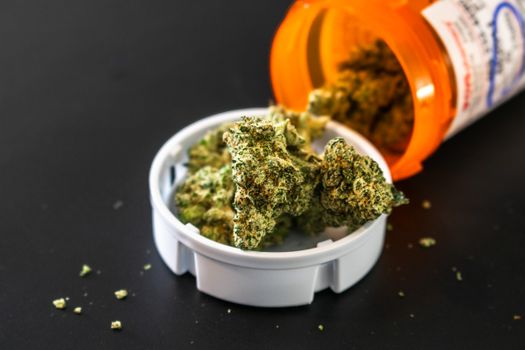 Photo: Terrance Barksdale / Pexels
 Photo: Alesia Kozik / Pexels
 Photo: Nataliya Vaitkevich / Pexels