✓ California residents aged 21+ can legally grow up to six cannabis plants per household.
✓ Cultivation must occur in a locked, secure area, out of public view.
✓ Outdoor growing is permitted, but subject to local ordinances.
✓ Understanding local zoning and permitting is crucial before starting.
How It Works
1
Understand CA Regulations
Before planting, familiarize yourself with California's Prop 64 and local municipal codes regarding personal cannabis cultivation. This ensures legal compliance and avoids potential penalties.
2
Choose Your Grow Method
Decide between indoor, outdoor, or greenhouse cultivation based on your space, climate, and desired control. Each method has distinct requirements for light, temperature, and humidity.
3
Select Your Strain & Seeds
Research cannabis strains suitable for California's climate and your growing environment. Source high-quality seeds or clones from reputable, legal dispensaries or nurseries.
4
Optimize Grow Environment
Provide adequate light, water, nutrients, and air circulation. Monitor pH levels and temperature diligently to create an ideal habitat for healthy plant development from seedling to harvest.
Navigating California's Cannabis Cultivation Laws

Photo: RDNE Stock project / Pexels
California has long been at the forefront of cannabis reform, culminating in the Adult Use of Marijuana Act (AUMA), also known as Proposition 64, passed in 2016. This landmark legislation legalized recreational cannabis for adults 21 and over, including the right to cultivate a personal supply. However, simply knowing you can grow isn't enough; understanding the nuances of the law is paramount to avoid legal pitfalls. Under Prop 64, adults can grow up to six cannabis plants per household. This isn't six plants per person, but per residence, regardless of how many adults live there. The plants must be kept in a locked area, not visible from a public place. This usually means behind a fence, inside a secure greenhouse, or, most commonly, indoors. Failing to secure your plants or having them visible could lead to fines or other legal issues.
Beyond state law, local jurisdictions in California have the authority to enact their own ordinances regarding personal cultivation. This is where many aspiring growers can get tripped up. Some cities and counties have outright banned outdoor cultivation, while others have strict setback requirements from property lines or specific zoning districts where cultivation is permitted. Before you even think about purchasing seeds, it is crucial to check with your local city or county planning department. They can provide detailed information on specific restrictions, permit requirements, or outright prohibitions in your area. For instance, some municipalities might require a permit for any outdoor growing, or even restrict the type of lighting used for indoor grows to prevent light pollution. Ignoring these local rules can result in significant fines, plant confiscation, or even more severe penalties. Always prioritize understanding your local regulations; a simple phone call can save you a lot of headache down the line. For more detailed information on California's cannabis landscape, explore cannabis laws in California.
Choosing Your Grow Method: Indoor, Outdoor, or Greenhouse?
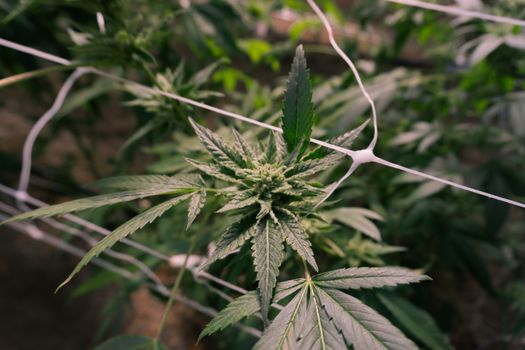
Photo: Haley Bee / Pexels
The decision of where to grow your cannabis plants is one of the most critical choices you'll make, heavily influencing your cultivation strategy, required equipment, and ultimately, your yield and quality. Each method—indoor, outdoor, and greenhouse—presents unique advantages and challenges, especially within California's diverse climates.
**Indoor Cultivation:** This method offers the most control over environmental factors such as temperature, humidity, light cycles, and CO2 levels. It’s ideal for growers who prioritize consistent quality, multiple harvests per year, and discretion. However, it requires a significant initial investment in equipment like grow lights (LED, HPS, MH), ventilation systems, carbon filters for odor control, and potentially hydroponic setups. Managing power consumption and maintaining a sterile environment to prevent pests and diseases are ongoing considerations. Indoor growing is often preferred for cultivating delicate or high-value strains that thrive under precise conditions, making it a popular choice for those looking to master how to grow cannabis California with maximum control.
**Outdoor Cultivation:** Capitalizing on California's abundant sunshine, outdoor growing can be the most cost-effective method, as the sun provides free, full-spectrum light. This method often results in larger plants and higher yields, as roots have ample space to expand. However, outdoor growers are at the mercy of the elements—unpredictable weather, pests, and diseases are constant threats. Security is also a major concern, as plants must be kept out of public view and protected from theft. Choosing the right strain that is resilient to local pests and diseases, and suited to your specific microclimate, is crucial. Southern California's long, sunny seasons differ greatly from Northern California's cooler, foggier coastal regions.
**Greenhouse Cultivation:** A greenhouse offers a hybrid approach, combining the best aspects of both indoor and outdoor growing. It utilizes natural sunlight while providing a protected environment that allows for some control over temperature, humidity, and pests. Greenhouses can extend the growing season, protect plants from harsh weather, and offer a degree of stealth. They range from simple hoop houses to sophisticated glass structures with automated climate control systems. While requiring less energy than a fully indoor setup, greenhouses still necessitate careful management of ventilation and temperature to prevent overheating and mold, especially in California's hotter regions. The choice depends heavily on your budget, available space, and the level of control you wish to maintain over your plants' environment.
Essential Steps for a Thriving California Cannabis Garden
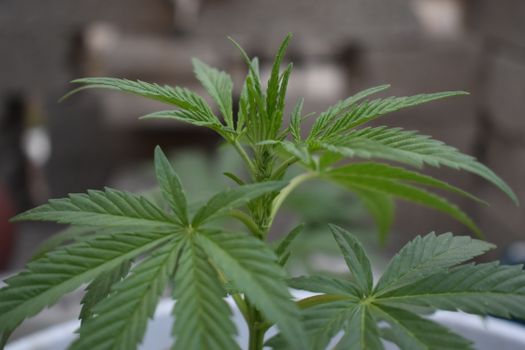
Photo: Jave Lr / Pexels
Once you've settled on your cultivation method and understood the legal landscape, the practical aspects of growing begin. Success hinges on meticulous attention to several key stages, each crucial for developing healthy, potent plants. Starting with high-quality genetics is non-negotiable. Source your seeds or clones from reputable dispensaries or nurseries within California, ensuring they are suitable for your chosen grow environment and climate. Research strains known to thrive in California's diverse microclimates, considering factors like resistance to mold, heat tolerance, and flowering time. Some popular choices for California growers include 'Blue Dream' or 'OG Kush' variants, known for their adaptability and robust growth.
Soil quality is the foundation of a healthy plant. Whether you're growing in pots or directly in the ground, aim for a well-draining, nutrient-rich soil mix. Many experienced growers prefer organic living soils that contain beneficial microbes, reducing the need for synthetic fertilizers. If using commercial potting mixes, select those specifically designed for cannabis or high-yield plants. Regular feeding with appropriate nutrients is vital throughout the plant's life cycle. During the vegetative stage, plants require higher nitrogen levels to support leafy growth, while the flowering stage demands more phosphorus and potassium to encourage bud development. Always follow nutrient manufacturer guidelines and monitor your plants for signs of nutrient deficiencies or excess, which can manifest as discolored leaves or stunted growth.
Watering correctly is another critical skill. Overwatering is a common mistake for beginners, leading to root rot and other issues. Allow the top inch or two of soil to dry out before watering again. The frequency will depend on your plant's size, pot size, and environmental conditions. Proper pH balance of your water and nutrient solution is essential for nutrient absorption. Cannabis plants generally prefer a pH range of 6.0-7.0 in soil and 5.5-6.5 in hydroponic setups. Invest in a reliable pH meter and adjust your water accordingly. Finally, don't underestimate the importance of air circulation and temperature control. Good airflow prevents mold and strengthens plant stems. Maintain temperatures between 68-78°F (20-26°C) during the day and slightly cooler at night for optimal growth. For further insights into the plant's needs, refer to resources on general cannabis cultivation techniques.
Common Mistakes and Advanced Tips for California Growers
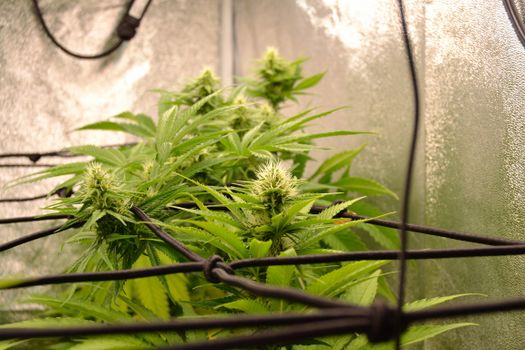
Photo: MySeeds DE / Pexels
Even with the best intentions, new growers often encounter common pitfalls. Avoiding these can significantly improve your chances of a successful harvest. One prevalent mistake is over-fertilization. More nutrients do not always equate to bigger plants; in fact, nutrient burn can severely damage or kill your plants. Start with a conservative feeding schedule and gradually increase if your plants show signs of needing more. Another error is neglecting pest and disease management. California's climate, while favorable for cannabis, also supports various pests like spider mites, aphids, and powdery mildew. Regular inspection of your plants, especially the undersides of leaves, is crucial. Employing integrated pest management (IPM) strategies, such as introducing beneficial insects or using organic neem oil, can prevent infestations before they become severe. Always prioritize preventative measures over reactive treatments.
**Common Mistakes to Avoid:**
* **Overwatering:** Leads to root rot and nutrient lockout.
* **Incorrect pH:** Prevents nutrient absorption, causing deficiencies.
* **Lack of Air Circulation:** Encourages mold and mildew growth.
* **Ignoring Local Laws:** Can result in fines or legal penalties.
* **Poor Genetics:** Starting with weak seeds or clones limits potential.
For those looking to elevate their growing game, several advanced techniques can boost yield and potency. **Low-Stress Training (LST)** involves gently bending and tying down branches to create an even canopy, allowing more light to penetrate lower bud sites. This maximizes light exposure for all parts of the plant, leading to more, larger buds. **Topping or FIMing** are high-stress training methods where you remove the main growing tip, forcing the plant to develop multiple colas instead of one dominant one. This also results in a bushier plant with increased yield.
**Sea of Green (SOG)** and **Screen of Green (ScrOG)** are techniques designed to maximize space and light efficiency. SOG involves growing many small plants in close proximity, forcing them to flower early for a quick turnaround. ScrOG uses a screen or net to spread out branches, creating an even canopy and ensuring every bud site receives optimal light. These methods require a deeper understanding of plant growth and a bit more hands-on effort but can dramatically increase your harvest quality and quantity, truly mastering how to grow cannabis California at an expert level.
Comparison
Feature
Indoor Grow (Best Control)
Outdoor Grow (Natural)
Greenhouse (Hybrid)
Initial Cost
High (equipment)
Low (minimal gear)
Medium (structure, some gear)
Environmental Control
Excellent
Poor (weather-dependent)
Good (some climate control)
Yield Potential
Consistent, moderate
High (large plants)
High (extended season)
Stealth/Discretion
Very High
Low (if not secured)
Medium (structure provides cover)
Pest/Disease Risk
Low (controlled environment)
High (natural exposure)
Medium (some protection)
Harvests Per Year
Multiple (2-4+)
Single (seasonal)
Multiple (extended season)
Energy Consumption
High
Very Low
Medium
What Our Readers Say
5★★★★★
"This guide was a lifesaver for learning how to grow cannabis California! The legal breakdown was so clear, and I now have six healthy plants thriving in my backyard, all within city limits."
Sarah J.Oakland, CA
5★★★★★
"As a first-time grower, the step-by-step instructions made everything manageable. My indoor setup is producing fantastic results, and I finally understand pH levels thanks to this article."
David M.San Diego, CA
5★★★★★
"I followed the advice on strain selection and pest management, and my outdoor crop this year is the best I've ever had. Yields are up by 30%! Truly helpful for growing cannabis in California."
Maria P.Sacramento, CA
4★★★★☆
"The information on local ordinances was incredibly useful, though I wish there was a more direct link to a statewide database of local rules. Still, a very comprehensive guide to growing weed here."
Alex K.Santa Cruz, CA
5★★★★★
"I transitioned from indoor to a small greenhouse setup after reading this, and the tips on hybrid growing methods were spot on. My plants are loving the extra natural light while still being protected."
Jessica L.Los Angeles, CA
Frequently Asked Questions
What are the legal limits for growing cannabis at home in California?
In California, adults 21 years or older can legally cultivate up to six cannabis plants per household, regardless of the number of adults residing there. These plants must be grown in a locked, secure area that is not visible from a public place.
Do I need a permit to grow cannabis in my California home?
While state law (Prop 64) allows for home cultivation, many local jurisdictions (cities and counties) have enacted their own ordinances, some of which may require permits for outdoor grows, or even restrict specific types of cultivation. Always check with your local planning department before starting.
What's the best way to start growing cannabis for a beginner in California?
For beginners, starting with a simple indoor setup or a well-secured outdoor grow using feminized seeds of a resilient strain is often recommended. Focus on mastering basic principles like proper watering, pH balance, and nutrient feeding before attempting advanced techniques.
How much does it cost to set up a home cannabis grow in California?
The cost can vary significantly. A basic outdoor setup might only cost a few hundred dollars for seeds, soil, and basic tools. An indoor grow, however, can range from $500 to several thousand dollars for quality lights, ventilation, tents, and other essential equipment.
Is outdoor cannabis growing safe from pests and diseases in California?
Outdoor growing in California exposes plants to natural elements, including a variety of pests and diseases. Implementing integrated pest management (IPM) strategies, choosing pest-resistant strains, and regular plant inspections are crucial for a successful outdoor harvest.
Who is eligible to grow cannabis in California?
Any adult aged 21 or older who resides in California is eligible to grow up to six cannabis plants per household for personal use, provided they adhere to both state and local cultivation laws.
What are the risks of not following California's cannabis cultivation laws?
Not adhering to California's cannabis cultivation laws can lead to various penalties, including fines, confiscation of plants, and potentially more serious legal consequences, especially if exceeding plant limits or growing in public view.
How might California's cannabis cultivation laws change in the future?
Cannabis laws in California are dynamic and subject to ongoing legislative review. Future changes could involve adjustments to plant limits, further refinement of local control, or new regulations regarding commercial cultivation, reflecting evolving public policy and industry needs.
Ready to transform your green thumb into a cannabis cultivation success story? Our comprehensive guide provides all the knowledge you need to confidently how to grow cannabis California, legally and effectively. Start your journey today and enjoy the fruits of your labor!