How to Grow Cannabis Legally in California: Your Ultimate Guide
how to grow cannabis legally California

How to Grow Cannabis Legally in California: Your Ultimate Guide

Master California's cannabis cultivation laws and grow your own plants safely and legally at home.

Start Growing Now

Key Takeaways

  • ✓ Adults 21+ can grow up to 6 plants for personal use.
  • ✓ Cultivation must be in a locked, private space, not visible to the public.
  • ✓ Local jurisdictions can impose additional restrictions on cultivation.
  • ✓ Possession limits for harvested cannabis also apply.

How It Works

1
Understand State & Local Laws

Before planting, familiarize yourself with California's statewide cannabis laws (Prop 64) and check your specific city or county ordinances. Local rules can significantly impact where and how you can grow.

2
Prepare Your Grow Space

Choose a secure, private location that is not visible from a public place. Ensure it's locked and inaccessible to minors. Consider indoor vs. outdoor factors like light, ventilation, and security.

3
Acquire Seeds or Clones Legally

Purchase your cannabis seeds or clones from licensed dispensaries or nurseries. This ensures you start with legally sourced genetics and comply with state regulations.

4
Cultivate & Harvest Responsibly

Follow best practices for cultivation while adhering to plant limits (up to 6 mature plants per household). Once harvested, be mindful of possession limits for dried cannabis.

Navigating California's Cannabis Cultivation Laws
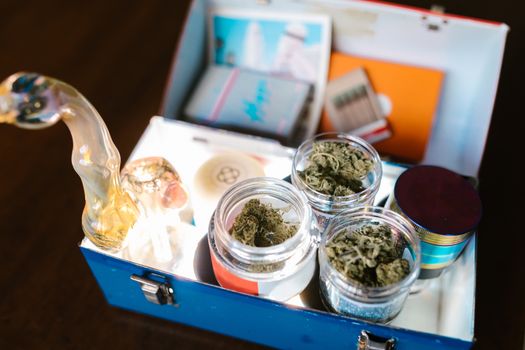
Open cannabis box containing weed, glass pipe, and rolling papers for legal use. Photo: RDNE Stock project / Pexels
California has long been at the forefront of cannabis reform, culminating in the passage of Proposition 64, the Adult Use of Marijuana Act (AUMA), in 2016. This landmark legislation legalized recreational cannabis for adults 21 and over, establishing a comprehensive regulatory framework that includes provisions for personal cultivation. Understanding these laws is the absolute first step for anyone looking to grow cannabis legally in California. Without a firm grasp of the legal landscape, even the most well-intentioned home grower could inadvertently run afoul of the law. The statewide regulations, while generally permissive, are not without their nuances and restrictions. For instance, adults 21 years of age or older are permitted to cultivate up to six living cannabis plants per residence, not per person. This distinction is crucial; whether you live alone or with five other adults, the household limit remains six plants. These plants must be grown in a locked space, not visible from a public place. This requirement is designed to prevent public nuisance and deter theft, while also ensuring that minors do not have easy access to the plants. Furthermore, local jurisdictions hold significant power to enact their own ordinances concerning cannabis cultivation. While they cannot outright ban personal indoor cultivation of six plants, they can impose reasonable regulations on it. This means that what's perfectly legal in one city might have additional restrictions, or even be prohibited outdoors, in a neighboring one. Therefore, before you even think about acquiring seeds or setting up your grow tent, it is imperative to research your specific city and county ordinances. Many local governments have online portals where you can find this information, or you might need to contact your local planning department. Ignoring these local rules is a common mistake and can lead to fines or other penalties. Beyond the plant count, there are also regulations regarding the possession of harvested cannabis. While you can grow up to six plants, the amount of dried cannabis you can possess at home is generally limited to 28.5 grams (one ounce) of dried cannabis and 8 grams of concentrated cannabis. However, the law makes an important exception for cannabis grown at home for personal use, allowing individuals to possess all of the cannabis produced by their six plants, provided it remains on the premises where it was grown. Transporting more than the standard possession limit outside of your home, however, could be problematic. This is why careful planning and understanding of the entire legal framework is essential. For more general information on cannabis, you can explore our comprehensive guide to cannabis. The goal is to cultivate responsibly and within the bounds of the law, ensuring a safe and enjoyable experience for all involved.

Setting Up Your Legal & Compliant Grow Space
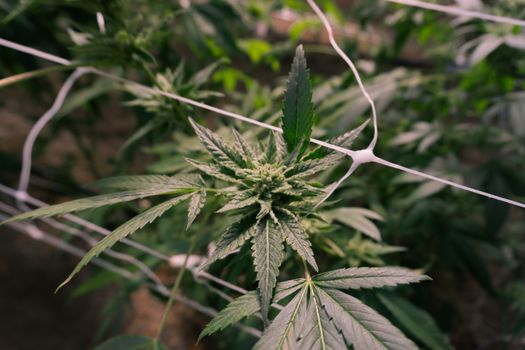
Detailed view of a cannabis plant flowering in an indoor greenhouse. Photo: Haley Bee / Pexels
Once you've thoroughly researched and understood the legal parameters for how to grow cannabis legally in California, the next critical step is to establish a compliant and effective grow space. The location of your cultivation is not just a matter of convenience; it's a legal requirement. California law mandates that personal cultivation must occur in a locked space, not visible from a public place. This means no growing plants on your front porch, in an open backyard, or anywhere else easily observable by passersby. For many, this translates to an indoor grow setup, such as a dedicated grow tent, a spare room, or even a closet. Indoor cultivation offers several advantages, including greater control over environmental factors like temperature, humidity, and light cycles, which are crucial for optimal plant health and yield. When choosing an indoor space, consider factors like ventilation, power access, and security. Proper ventilation is essential to prevent mold and mildew, common issues in enclosed grow environments, and to provide fresh air for your plants. A carbon filter can help manage the distinctive aroma of cannabis, which can be a concern for neighbors. Adequate lighting is another cornerstone of indoor growing. High-intensity discharge (HID) lights, LEDs, and fluorescent lights are common choices, each with its own benefits and drawbacks in terms of energy consumption, heat output, and light spectrum. Researching the best lighting solution for your specific setup and budget is key. Security is paramount. The law specifies a “locked space,” which could mean a locked room, a locked grow tent, or even a secure outdoor enclosure if local ordinances permit outdoor cultivation. The intent is to prevent unauthorized access, particularly by minors. If you opt for outdoor cultivation, which some local jurisdictions permit with specific restrictions, the same principles of privacy and security apply. Your outdoor grow must be fully enclosed and not visible from public areas. This often means tall fences, privacy screens, or growing within a secure greenhouse. Be mindful of potential pests and environmental stressors that outdoor grows are more susceptible to. Regardless of whether you choose indoor or outdoor, consider the impact on your property. Landlords may have specific clauses in rental agreements prohibiting cannabis cultivation, even if it's legal under state law. Always review your lease agreement and, if necessary, discuss your plans with your landlord to avoid potential conflicts. Furthermore, ensure your electrical system can handle the demands of grow lights and other equipment, especially for indoor setups, to prevent fire hazards. Investing in quality equipment and setting up your space correctly from the outset will not only ensure legal compliance but also contribute significantly to the success and health of your cannabis plants.

Acquiring Genetics and Cultivation Best Practices
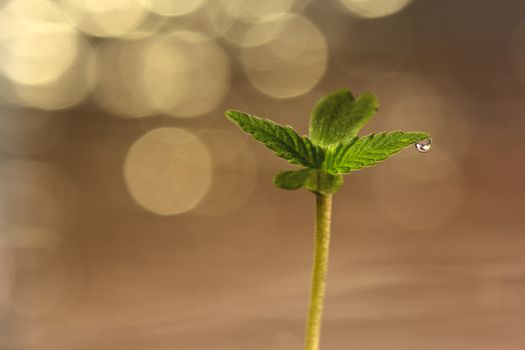
Close-up of a cannabis seedling with a water droplet on leaf, showcasing growth and freshness. Photo: Priscila Dramisino / Pexels
With your legal grow space established, the next step in how to grow cannabis legally in California involves acquiring your cannabis genetics and implementing sound cultivation practices. The legal source of your seeds or clones is as important as the cultivation itself. Under California law, you must obtain your cannabis seeds or clones from a licensed dispensary or nursery. This ensures that the genetics are legally sourced and helps prevent the spread of pests and diseases that can come from unregulated sources. Purchasing from licensed entities also provides a level of quality assurance regarding the strain and its characteristics. Avoid obtaining seeds or clones from illicit sources, as this can lead to legal complications and introduce unknown variables into your grow. Once you have your chosen genetics, whether they are feminized seeds or healthy clones, the real work of cultivation begins. Successful cannabis cultivation hinges on several key environmental factors: light, water, nutrients, temperature, and humidity. Each of these elements plays a critical role in the plant's growth cycle, from seedling to harvest. For indoor growers, controlling these factors is more straightforward. Light cycles are crucial; typically, vegetative growth requires 18-24 hours of light per day, while flowering is triggered by reducing the light cycle to 12 hours of light and 12 hours of darkness. Understanding the specific needs of your chosen strain is also vital, as some indicas, sativas, or hybrids may have slightly different requirements. Water quality and pH levels are often overlooked but are incredibly important. Cannabis plants prefer a slightly acidic pH range (typically 6.0-7.0 for soil, 5.5-6.5 for hydroponics) for optimal nutrient uptake. Using filtered or reverse osmosis water can help ensure a clean slate before adding nutrients. Speaking of nutrients, cannabis plants have varying nutritional needs throughout their life cycle. A balanced nutrient regimen, specific to the vegetative and flowering stages, is essential for healthy growth and robust bud development. There are numerous nutrient lines available, from organic to synthetic, and choosing one that aligns with your growing philosophy and experience level is important. Temperature and humidity also need careful management. Ideal temperatures generally range from 68-78°F (20-26°C) during the day, with a slight drop at night. Humidity levels should be higher during the vegetative stage (50-70%) and lower during flowering (40-50%) to prevent mold. Regular monitoring and adjustment of these factors will significantly impact your yield and the quality of your harvest. Finally, pest and disease management is an ongoing concern. Regular inspection of your plants for signs of pests like spider mites or aphids, or diseases like powdery mildew, is crucial. Early detection and intervention with organic pesticides or fungicides can save your entire crop. Remember, the goal is not just to grow cannabis, but to grow healthy, high-quality cannabis legally and responsibly. For more detailed insights into advanced cultivation techniques, check out our advanced cannabis cultivation guide.

Common Mistakes to Avoid When Growing Cannabis Legally in California

Even with the best intentions and a thorough understanding of the law, home growers can still fall prey to common mistakes that jeopardize their legal standing or the success of their crop. Avoiding these pitfalls is crucial for a smooth and compliant cultivation experience in California. **1. Ignoring Local Ordinances:** This is arguably the most frequent and impactful mistake. While state law allows six plants, your city or county might have additional restrictions on outdoor cultivation, specific setback requirements from property lines, or even require a permit for personal grows. Always verify local rules before you begin. **2. Exceeding Plant Limits:** The six-plant limit per residence is absolute for recreational growers. Growing even one plant over this limit can change a minor infraction into a more serious offense. Keep an accurate count, especially if you're experimenting with different strains or starting new plants. **3. Lack of Security and Privacy:** The law requires cultivation in a locked space, not visible from public view. Failing to secure your grow space (e.g., unlocked shed, easily accessible outdoor patch) or allowing plants to be visible from the street or neighboring properties can lead to legal issues. Invest in proper fencing, privacy screens, or a secure indoor setup. **4. Improper Waste Disposal:** Cannabis waste, including stalks, leaves, and roots, must be rendered unusable before disposal. This typically means mixing it with other waste materials (like soil, cat litter, or food waste) to prevent it from being easily identifiable as cannabis. Simply tossing it in the trash can be problematic. **5. Selling or Distributing Homegrown Cannabis:** Personal cultivation is strictly for personal use. Selling, bartering, or distributing any amount of your homegrown cannabis, even to friends, is illegal without a commercial license. This is a significant distinction and a common trap for new growers. **6. Neglecting Odor Control:** Cannabis plants, especially during the flowering stage, can produce a strong and distinctive odor. While not explicitly illegal, strong odors can lead to neighbor complaints and potential nuisance violations, especially in densely populated areas. Carbon filters for indoor grows and strategic planting for outdoor grows can mitigate this issue. **7. Cultivating Near Schools or Daycares:** While not specific to personal cultivation, general cannabis regulations often include restrictions on cultivation near sensitive areas like schools, daycares, or youth centers. Always be aware of your property's proximity to such locations. **8. Poor Record Keeping:** While not legally mandated for personal grows, keeping records of when you acquired seeds/clones, your grow cycle, and harvest amounts can be beneficial. In the rare event of a legal inquiry, demonstrating your adherence to the six-plant limit and personal use intent can be helpful. By being diligent and avoiding these common errors, you can ensure your journey into how to grow cannabis legally in California is both rewarding and fully compliant.

Comparison

FeatureIndoor Grow (Recommended)Outdoor Grow (Conditional)Commercial Grow (Licensed)
Control Over EnvironmentHigh (Temp, Humidity, Light)Low (Weather dependent)High (Advanced systems)
Visibility & SecurityEasy to conceal & lockChallenging, requires planningStrictly regulated & secure
Plant Limit (Adult Use)6 plants per residence6 plants per residence (if allowed locally)No limit (with license)
Odor ManagementCarbon filters effectiveDifficult to controlAdvanced filtration required
Pest & Disease ControlEasier to manageHigher risk, more exposureIntegrated pest management
Local PermittingOften none for 6 plantsMay require specific permitsExtensive permitting required

What Readers Say

"This guide was incredibly helpful for understanding how to grow cannabis legally California. I was worried about all the rules, but it broke everything down clearly. My first harvest was a success, and I felt confident I was doing everything by the book."

Sarah J. · Oakland, CA

"As a first-time grower, I needed something comprehensive. This article on how to grow cannabis legally California covered all the bases, from local ordinances to setting up my grow space. It saved me a lot of headaches and potential legal issues."

Mark D. · San Diego, CA

"I followed the advice here on how to grow cannabis legally California, especially regarding local laws, and it made all the difference. I successfully grew my six plants indoors, and the quality was fantastic. Highly recommend this resource!"

Jessica L. · Sacramento, CA

"The information on how to grow cannabis legally California was very thorough, though I wish there was a bit more detail on specific nutrient schedules. Still, it's an excellent starting point for anyone looking to cultivate legally and avoid common mistakes."

David P. · Los Angeles, CA

"This guide helped me understand the nuances of how to grow cannabis legally California, especially the distinction between state and local rules. It empowered me to start my own small, compliant grow without fear of legal repercussions."

Emily R. · Santa Rosa, CA

Frequently Asked Questions

What is the maximum number of cannabis plants I can grow legally in California?

Adults 21 years or older can legally grow up to six living cannabis plants per residence for personal use. This limit applies to the household, not per individual, regardless of how many adults reside there. It's crucial to adhere strictly to this limit to remain compliant with state law.

Can I grow cannabis outdoors in California?

While state law allows for personal cultivation, local jurisdictions (cities and counties) have the authority to ban outdoor cultivation. Many cities restrict outdoor grows or require them to be fully enclosed and not visible from public view. Always check your specific local ordinances before attempting an outdoor grow.

How do I ensure my cannabis grow is not visible from public spaces?

To ensure your grow is not visible from public spaces, consider an indoor setup (grow tent, spare room). For outdoor grows, you'll need tall, opaque fencing, privacy screens, or a secure greenhouse that completely obscures the plants from view from sidewalks, streets, and neighboring properties.

What are the costs associated with starting a legal home grow in California?

Initial costs can range from a few hundred to over a thousand dollars, depending on your setup. This includes seeds/clones (around $10-$30 each), grow lights ($100-$500+), grow tent ($80-$300), ventilation system ($50-$200), nutrients ($50-$150), and growing medium. Ongoing costs include electricity and replacement nutrients.

Is there a difference between growing for medical vs. recreational use in California?

Yes, there are differences. While recreational users are limited to six plants, qualified patients with a valid medical recommendation and a state-issued medical marijuana identification card may be exempt from the six-plant limit if their physician recommends a higher quantity to meet their medical needs. They can also possess larger quantities of harvested cannabis.

Who should consider growing cannabis legally in California?

Anyone 21 years or older in California who consumes cannabis and desires greater control over the quality, strain, and cultivation process of their supply should consider growing legally. It's ideal for those who value self-sufficiency, wish to save money on dispensary purchases over time, and are committed to understanding and following state and local regulations.

What are the risks of not following California's cannabis cultivation laws?

The risks include fines, confiscation of plants and equipment, and potential criminal charges, especially if you exceed plant limits, sell homegrown cannabis, or fail to secure your grow from public view or minors. Local jurisdictions can also impose their own penalties for ordinance violations.

How might future regulations impact home cannabis cultivation in California?

Future regulations in California could potentially refine existing laws, perhaps adjusting plant limits, further clarifying local control, or introducing new environmental standards for home grows. While major overhauls are unlikely, staying informed through official state and local cannabis regulatory bodies is always a good practice to anticipate any changes.

Embark on your journey to cultivate your own cannabis with confidence and compliance. By meticulously following this guide on how to grow cannabis legally California, you're not just growing plants; you're cultivating knowledge, self-sufficiency, and peace of mind. Start planning your legal home grow today and experience the satisfaction of a homegrown harvest.

Topics: how to grow cannabis legally CaliforniaCalifornia cannabis cultivation lawshome grow cannabis Californiapersonal use cannabis Californiacannabis cultivation regulations
Leo List

DK Escorts LU Escorts AT Escorts SE Escorts FI Escorts CH Escorts DE Escorts HR Escorts IE Escorts GR Escorts CZ Escorts NO Escorts BE Escorts FR Escorts SI Escorts IL Escorts NL Escorts PL Escorts HU Escorts ES Escorts IT Escorts PT Escorts SK Escorts RO Escorts ZA Escorts UY Escorts US Escorts UK Escorts NZ Escorts AU Escorts
Brampton weed
Adultwork EstrelaBet Vai de Bet R7 Bet Betão Galera Bet Rainbet Bet9ja Shop SportyBet BetKing Sisal Loto Foot Hollywoodbets YesPlay Odibets RushBet Jugabet BetWarrior BetCity MSport betPawa Fortebet