Mastering How to Store Cannabis Properly CA for Freshness
July 25, 2026 17 min read 3,310 words
Unlock the secrets to preserving your cannabis's potency and aroma for an elevated experience every time.
Discover Storage Secrets
Understanding the Enemies of Fresh Cannabis in California
 Photo: Dad Grass / Pexels
In California's diverse climate, understanding the factors that degrade cannabis is the first step in mastering how to store cannabis properly CA. Just like fine wine or gourmet coffee, cannabis is a delicate botanical product whose quality can be significantly compromised by improper storage. The primary culprits responsible for the degradation of cannabinoids (like THC and CBD) and terpenes (which give cannabis its unique aroma and flavor) are light, air, humidity, and temperature. Each of these elements acts as an antagonist, working to diminish your cannabis's potency, flavor, and overall experience.
Let's break down each enemy. First, ultraviolet (UV) light is arguably the biggest threat to your cannabis. Exposure to UV rays, whether from direct sunlight or even strong indoor lighting, initiates a chemical reaction that converts THC into CBN (cannabinol). While CBN has its own therapeutic properties, it's generally associated with a more sedative effect and significantly less psychoactivity than THC. This means your prized sativa, known for its uplifting high, could quickly become a sleepy indica if left exposed to light. Furthermore, light exposure can also degrade delicate terpenes, stripping your cannabis of its nuanced aroma and flavor profile. This is why you'll rarely see high-quality cannabis stored in clear containers at dispensaries; opaque packaging is key.
Next, we have air, or more specifically, oxygen. Cannabis, when exposed to oxygen, undergoes a process called oxidation. Similar to how an apple turns brown after being cut, oxygen breaks down the organic compounds in cannabis. This process accelerates the conversion of THC to CBN and also degrades terpenes, leading to a loss of potency and a stale, hay-like smell and taste. An airtight seal is paramount when considering how to store cannabis properly CA to minimize oxygen exposure. Every time you open a non-airtight container, you're inviting more oxygen to mingle with your precious flower, shortening its shelf life.
Humidity is a double-edged sword. Too much humidity, typically above 65% relative humidity (RH), creates a breeding ground for mold and mildew. These microscopic fungi can render your cannabis unsafe to consume, potentially causing respiratory issues if inhaled. Moldy cannabis often has a musty odor and a powdery or fuzzy appearance. On the other hand, too little humidity, usually below 55% RH, will dry out your cannabis, making it harsh to smoke or vape. Dry cannabis also crumbles easily, losing its trichomes (the resin glands containing cannabinoids and terpenes) and thus, its potency and flavor. The ideal range for cannabis storage is a precise 59-63% RH, a sweet spot that preserves moisture without promoting microbial growth. Given California's varying microclimates, from arid deserts to coastal fogs, managing humidity is a critical consideration for cannabis enthusiasts across the state. Using humidity control packs is a simple yet effective solution.
Finally, temperature plays a crucial role. High temperatures accelerate the degradation of cannabinoids and terpenes. Heat causes these volatile compounds to evaporate and break down more quickly. Storing cannabis in a hot car, near a window, or above a warm appliance will rapidly diminish its quality. The ideal temperature range for cannabis storage is cool, stable temperatures, generally below 70°F (21°C) but above freezing. Think of a cool, dark cupboard or a basement. Fluctuating temperatures are also detrimental, as they can cause condensation inside containers, leading to moisture issues and potential mold growth. By actively mitigating these four enemies – light, air, humidity, and temperature – you can significantly extend the life and preserve the quality of your cannabis, ensuring that every session is as enjoyable as the first. For more insights on optimal cannabis consumption, check out our guide on
cannabis consumption methods.
Choosing the Right Storage Solutions for California Cannabis
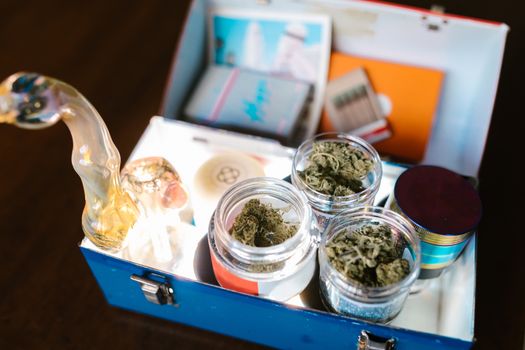 Photo: RDNE Stock project / Pexels
Once you understand the enemies, the next crucial step in mastering how to store cannabis properly CA is selecting the appropriate storage solutions. The right container and accessories can make all the difference in preserving your cannabis's integrity over time. Forget about plastic baggies or open jars – these common mistakes are detrimental to your flower's longevity and quality. Instead, focus on materials and designs that actively combat light, air, and humidity, while maintaining a stable environment.
Glass jars, specifically opaque or amber-colored glass, are often considered the gold standard for cannabis storage. Glass is non-porous, meaning it won't leech chemicals into your cannabis or absorb its delicate aromas and flavors, unlike some plastics. The opaque nature protects against harmful UV light. Crucially, these jars must be airtight. Look for jars with hermetic seals, often featuring rubber gaskets and clamp-down lids, which create a vacuum-like seal, preventing oxygen from entering and terpenes from escaping. Mason jars are a popular and affordable option, but ensure they have a good sealing lid. While clear glass jars are better than plastic bags, they still require storage in a dark place to protect against light degradation.
Beyond glass, specialized cannabis storage containers have emerged, often made from food-grade stainless steel or anodized aluminum. These materials offer excellent opacity and durability, providing superior light protection and often featuring robust airtight seals. Some high-end containers even incorporate features like vacuum pumps to remove excess air or specific lining materials designed to maintain a stable internal environment. While potentially pricier, they represent a significant upgrade for serious connoisseurs looking for optimal long-term storage solutions.
Plastic containers, particularly standard Ziploc bags or cheap plastic tubs, should be avoided for anything beyond very short-term transport. Many plastics contain static electricity that can attract and strip delicate trichomes from your cannabis, reducing its potency. Furthermore, plastics are often permeable to air and can leech chemicals, imparting an undesirable taste or smell to your flower. If you must use plastic for a very brief period, opt for food-grade, BPA-free, and anti-static options, though these are still inferior to glass or metal.
Humidity control packs are an indispensable accessory for anyone serious about how to store cannabis properly CA. Brands like Boveda or Integra Boost offer two-way humidity control packs that actively maintain a specific relative humidity (RH) level within your sealed container, typically 58% or 62%. These packs release or absorb moisture as needed, preventing your cannabis from drying out or becoming too moist. This eliminates the guesswork and helps maintain the ideal moisture content for smooth combustion and optimal flavor. Simply place one or two packs in your airtight jar with your cannabis, and they will work automatically for several months.
Finally, consider a dedicated storage area. A cool, dark cupboard, a drawer, or a small storage box can provide the stable temperature and darkness needed. Avoid storing cannabis in the refrigerator or freezer for general use. While freezing can preserve cannabis for extremely long periods, the rapid temperature fluctuations upon removal can cause trichomes to become brittle and break off. Additionally, condensation can introduce moisture, leading to mold. For most users, a simple, opaque, airtight container with a humidity pack, stored in a cool, dark place, is the most effective and practical solution for preserving cannabis quality in California.
Optimal Environmental Conditions for Long-Term Cannabis Preservation
 Photo: Cannafornia / Pexels
Achieving optimal environmental conditions is paramount when learning how to store cannabis properly CA for long-term preservation. It's not enough to just have a good container; the environment in which that container resides plays an equally critical role. Think of it as creating a microclimate specifically designed to halt the degradation processes that plague improperly stored cannabis. By meticulously controlling light, temperature, and ambient humidity, you can significantly extend the shelf life of your cannabis, ensuring it retains its potency, flavor, and therapeutic benefits for months, or even years.
As previously discussed, light is a major enemy. Therefore, the very first rule for long-term storage is to keep your cannabis in absolute darkness. This means choosing opaque containers (amber glass, ceramic, or metal) and then storing those containers in a dark location. A drawer, a cupboard, or a dedicated storage box that is not frequently opened will work perfectly. Avoid clear containers even if they are in a dark cupboard, as incidental light exposure when the cupboard is opened can still cause minor degradation over time. The goal is to eliminate UV light exposure entirely to prevent the conversion of THC to CBN and the breakdown of delicate terpenes. This commitment to darkness is non-negotiable for anyone serious about preserving their flower's quality.
Temperature control is the next critical factor. Cannabis should be stored in a cool, stable environment. Ideal temperatures are generally between 60°F and 70°F (15°C to 21°C). Anything significantly warmer will accelerate the degradation of cannabinoids and terpenes, causing them to evaporate or break down faster. Conversely, extreme cold (like a refrigerator or freezer) comes with its own set of challenges. While freezing can technically preserve cannabinoids for very long periods, the freezing and thawing cycles can cause condensation, which is a breeding ground for mold. More importantly, extreme cold makes trichomes very brittle, leading to them breaking off easily when handled, thus reducing the potency of your flower. For most practical purposes, a cool room temperature is ideal. Avoid attics, garages, or car trunks, which experience wide temperature fluctuations, especially in California's varied climates. A stable temperature is key; consistency prevents thermal shock and condensation within your containers.
Humidity management, as explored earlier, is crucial. The sweet spot for cannabis storage is a relative humidity (RH) of 59-63%. This range is low enough to prevent mold growth, yet high enough to prevent your cannabis from drying out, becoming brittle, and losing its aromatic terpenes. Achieving this precise range is incredibly difficult without assistance. This is where two-way humidity control packs become indispensable. Brands like Boveda and Integra Boost offer packs specifically designed for cannabis at these RH levels. Simply place the appropriate size pack (usually based on the amount of cannabis) into your airtight container. These packs will actively regulate the humidity, releasing moisture when it's too dry and absorbing it when it's too wet, maintaining a perfect equilibrium. Without these packs, especially in California's often dry climate, your cannabis is likely to become overly dry, leading to a harsh smoke and reduced flavor. Regular replacement of these packs (every 2-4 months, or when they feel crunchy) ensures continuous optimal humidity control. Combining an opaque, airtight container with a humidity control pack, stored in a cool, dark place, represents the pinnacle of long-term cannabis preservation techniques. This meticulous approach ensures that your investment in quality cannabis pays off with a consistently excellent experience every time you reach for it. Understanding the nuances of
cannabis strains can also help you appreciate the importance of preserving their unique profiles.
Common Cannabis Storage Mistakes and How to Avoid Them
Even with the best intentions, many cannabis consumers make common storage mistakes that can significantly diminish the quality and longevity of their flower. Knowing how to identify and avoid these pitfalls is just as important as knowing the best practices for how to store cannabis properly CA. By sidestepping these prevalent errors, you can ensure your investment in quality cannabis provides consistent enjoyment.
Here are some of the most common cannabis storage mistakes and how to avoid them:
* **Storing in Plastic Baggies or Non-Airtight Containers:** This is perhaps the most widespread mistake. Plastic baggies offer virtually no protection against air or light, and their static charge can strip trichomes. Non-airtight containers allow constant oxygen exposure, accelerating degradation. **Solution:** Always transfer your cannabis to an opaque, airtight glass jar or specialized cannabis storage container as soon as possible after purchase. Ensure the lid forms a tight seal.
* **Exposing Cannabis to Direct Sunlight or Bright Light:** Leaving your cannabis out on a counter, near a window, or in a clear jar under bright lights will rapidly degrade THC into CBN and destroy terpenes. **Solution:** Store all cannabis containers in a dark place – a cupboard, drawer, or dedicated storage box. If using clear glass, ensure it's always kept in complete darkness.
* **Refrigerating or Freezing Cannabis (for short-term use):** While freezing can preserve cannabis for very long durations, the repeated temperature fluctuations from taking it in and out of a fridge/freezer can cause condensation, leading to mold. The cold also makes trichomes extremely brittle, causing them to break off easily when handled, reducing potency. **Solution:** For typical consumption (up to 6-12 months), a cool, dark room temperature is ideal. Reserve freezing for very long-term, specific preservation needs, and always allow the cannabis to come to room temperature *before* opening the container to prevent condensation.
* **Storing Cannabis in Extremely Hot Environments:** Leaving cannabis in a hot car, near a heater, or on top of electronic devices will accelerate terpene evaporation and cannabinoid degradation. High heat is a major enemy. **Solution:** Find a consistently cool spot in your home, below 70°F (21°C). Think of a pantry or a basement area.
* **Ignoring Humidity Levels:** Too much humidity (above 65% RH) invites mold, while too little (below 55% RH) dries out your cannabis, making it harsh and brittle. **Solution:** Invest in two-way humidity control packs (e.g., Boveda, Integra Boost) and place them inside your airtight container. These packs maintain the ideal 59-63% RH automatically.
* **Mixing Strains in One Container:** Different strains have different terpene profiles. Mixing them can cause their unique aromas and flavors to blend or transfer, diminishing their individual characteristics. **Solution:** Store each strain in its own separate, airtight container to preserve its distinct profile.
* **Handling Cannabis Excessively:** Every time you touch your cannabis, you risk knocking off delicate trichomes, which contain the majority of the cannabinoids and terpenes. **Solution:** Handle your cannabis as little as possible. Use gloves if necessary, and use tools like small scoops or tweezers if precision is required, especially for concentrates.
* **Storing Cannabis with Other Items:** Storing cannabis near strong-smelling items (like spices, perfume, or cleaning products) can cause it to absorb those odors, altering its natural aroma and flavor. **Solution:** Keep your cannabis storage area clean and dedicated solely to cannabis products, away from other odorous items.
By being mindful of these common mistakes and actively implementing preventive measures, you can significantly prolong the life, potency, and enjoyable characteristics of your cannabis. Proper storage is an investment in your consumption experience.