
Indica vs Sativa Effects CA: Your Ultimate Guide
indica vs sativa effects CA

Indica vs Sativa Effects CA: Your Ultimate Guide

Unlock the secrets of cannabis strains to tailor your experience in California with precision and confidence.

Discover Your Ideal Strain

Key Takeaways

  • ✓ Indica strains are traditionally associated with relaxing, body-high effects.
  • ✓ Sativa strains are typically linked to uplifting, cerebral, and energetic effects.
  • ✓ Most cannabis available today in CA are hybrid strains, blending indica and sativa characteristics.
  • ✓ Terpenes and cannabinoids, not just genetics, are key determinants of a strain's effects.

How It Works

1
Understand the Basics

Learn the historical distinction between indica and sativa and their perceived effects. This foundational knowledge will help you navigate the vast world of cannabis.

2
Explore Beyond Categories

Dive into the science of cannabinoids (like THC and CBD) and terpenes. These compounds are the true drivers of a strain's unique profile and effects, moving beyond simple indica/sativa labels.

3
Consider Your Desired Experience

Reflect on what you hope to achieve with cannabis. Are you seeking relaxation, creativity, pain relief, or energy? This will guide your strain selection.

4
Consult with Experts and Experiment Responsibly

Speak with budtenders at licensed dispensaries in California for personalized recommendations. Start with low doses and observe how different strains affect you.

Demystifying Indica vs Sativa in the California Cannabis Landscape
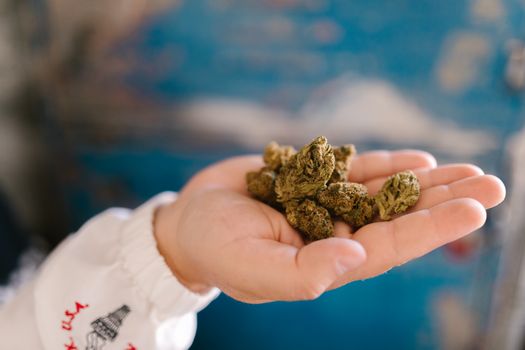
Hand holding dried cannabis buds with a blurred background, showcasing marijuana flora. Photo: RDNE Stock project / Pexels
For decades, cannabis consumers in California and beyond have relied on a simple dichotomy: indica for relaxation and sleep, sativa for energy and creativity. This traditional understanding, while pervasive, is increasingly recognized as an oversimplification in the nuanced world of modern cannabis. When discussing indica vs sativa effects CA, it's crucial to acknowledge that while these terms originated from geographical classifications of cannabis plants – indica referring to plants from the Indian subcontinent, known for their broad leaves and shorter stature, and sativa to those from equatorial regions, characterized by tall, lanky growth and narrow leaves – their application to predicting psychoactive effects is far less precise than once believed. The historical context provided a convenient framework, but scientific advancements and extensive cross-breeding have blurred these lines considerably. Today, the vast majority of cannabis strains available in California dispensaries are hybrids, meticulously bred to combine desirable traits from both parent types. This means that a strain labeled 'indica' might still provide uplifting effects, or a 'sativa' could lead to profound relaxation, defying the old rules. Understanding cannabis beyond these broad categories is essential for an informed experience. The chemical composition, specifically the cannabinoid and terpene profiles, are far more accurate indicators of a strain's potential effects. THC (tetrahydrocannabinol) and CBD (cannabidiol) are the most well-known cannabinoids, but there are dozens of others, each playing a role in the entourage effect. Similarly, terpenes – aromatic compounds found in many plants, including cannabis – contribute significantly to a strain's aroma, flavor, and, crucially, its therapeutic and psychoactive properties. For example, myrcene is often associated with sedative effects, while limonene can be uplifting. The interplay between these compounds dictates the overall user experience, making a simple indica/sativa label less reliable. Consumers in California are increasingly seeking out detailed laboratory analyses of strains, which provide a breakdown of these crucial compounds. This shift in focus from simplistic categorization to detailed chemical profiles empowers users to make more informed decisions about their cannabis consumption, moving beyond anecdotal evidence to a science-backed approach. The legal cannabis market in California has fostered this evolution, with dispensaries often providing extensive information about their products, including cannabinoid percentages and terpene profiles, encouraging a more sophisticated understanding of cannabis effects. As such, when exploring indica vs sativa effects CA, it's vital to think beyond the binaries and delve into the rich chemical tapestry that truly defines each strain's potential impact on mind and body.

The Science Behind the High: Cannabinoids and Terpenes in CA Strains

To truly grasp indica vs sativa effects CA, one must look beyond the plant's morphology and delve into its rich biochemistry. The primary drivers of cannabis effects are cannabinoids and terpenes, compounds that interact synergistically within the human body's endocannabinoid system (ECS). The ECS is a complex cell-signaling system that plays a crucial role in regulating a wide range of functions and processes, including sleep, mood, appetite, memory, and reproduction. Cannabinoids like THC and CBD interact with receptors in the ECS, triggering various physiological responses. THC is the psychoactive component, primarily responsible for the 'high' associated with cannabis, while CBD is non-intoxicating and is often sought for its potential therapeutic benefits, such as pain relief, anti-inflammatory properties, and anxiety reduction. However, the story doesn't end with THC and CBD. There are over 100 other cannabinoids, including CBG, CBN, and THCV, each with its own unique properties and potential effects. For instance, CBG (cannabigerol) is being researched for its potential anti-inflammatory and neuroprotective properties, while CBN (cannabinol) is often associated with sedative effects and is found in aged cannabis. The ratios and concentrations of these various cannabinoids contribute significantly to the overall effect of a particular strain. Beyond cannabinoids, terpenes are the aromatic compounds that give cannabis its distinctive scent and flavor, ranging from earthy and piney to citrusy and sweet. More importantly, terpenes also play a critical role in modulating the effects of cannabinoids, a phenomenon known as the 'entourage effect.' For example, strains high in myrcene (found in mangoes and hops) are often associated with sedative, relaxing effects, making them common in traditionally 'indica-like' strains. Limonene, prevalent in citrus fruits, is linked to mood elevation and stress relief, often found in 'sativa-like' strains. Pinene, as its name suggests, has a pine aroma and is believed to promote alertness and memory retention. Linalool, also found in lavender, is associated with calming and anti-anxiety effects. The complex interplay of these terpenes with cannabinoids creates the unique and varied experiences that users report. A strain with a high THC content combined with specific terpenes might produce a very different effect than another high-THC strain with a different terpene profile. This is why two strains categorized as 'sativa' can have vastly different effects on an individual. As the California cannabis market matures, consumers are becoming more educated about these chemical nuances, moving away from generic labels and seeking out strains based on their detailed lab reports. Dispensaries are responding by providing comprehensive product information, empowering consumers to select strains that align with their specific needs and desired outcomes, whether it's for creative pursuits, deep relaxation, or targeted symptom relief.

See also: marishapp.com.

Navigating the Hybrid Era: Finding Your Ideal Cannabis Experience in CA

The modern cannabis market in California is overwhelmingly dominated by hybrid strains, rendering the strict indica vs sativa effects CA distinction largely obsolete for practical application. Hybrids are cross-bred plants that combine genetic traits from both indica and sativa lineages, often resulting in a more balanced or nuanced effect profile. These strains are meticulously cultivated to offer a wider spectrum of experiences, allowing breeders to fine-tune specific effects, aromas, and therapeutic benefits. For instance, a hybrid might be bred to deliver the cerebral uplift of a sativa while mitigating potential anxiety, or to provide the body relaxation of an indica without inducing excessive sedation. This genetic blending means that you can find 'sativa-dominant hybrids' that lean towards energizing effects, 'indica-dominant hybrids' that offer more relaxation, and 'balanced hybrids' that aim for a middle ground. The key to navigating this hybrid era successfully lies in understanding that the traditional labels now serve more as a general guide to potential lineage rather than a definitive predictor of effects. Instead of asking 'Is this indica or sativa?', a more beneficial question for consumers in California would be, 'What is the cannabinoid and terpene profile of this strain, and what effects are commonly associated with it?' Dispensaries in California are at the forefront of this educational shift. Many provide detailed strain descriptions, often including percentages of THC, CBD, and other minor cannabinoids, alongside a breakdown of the most prominent terpenes. This information is invaluable for consumers seeking a specific type of experience. For example, if you're looking for relief from chronic pain without significant psychoactivity, you might seek a strain high in CBD with a balanced THC content and terpenes like beta-caryophyllene, known for its anti-inflammatory properties. If creativity and focus are your goals, you might look for a sativa-dominant hybrid with limonene and pinene. The process of finding your ideal cannabis experience in CA often involves a bit of informed experimentation. Starting with small doses, especially with new strains, is always recommended to gauge your individual reaction. Keeping a personal journal of strains tried, their cannabinoid/terpene profiles, and the effects experienced can be an incredibly useful tool for refining your choices over time. Remember, individual body chemistry plays a significant role in how cannabis affects you; what works for one person might not work the same for another. Ultimately, embracing the complexity of hybrid strains and focusing on the chemical blueprint rather than outdated classifications will empower you to make more precise and satisfying choices in the dynamic California cannabis market. Exploring different cannabis products, from flower to concentrates and edibles, will further broaden your understanding and options.

Tips for Choosing Your Cannabis in California & Common Misconceptions

Choosing the right cannabis strain in California, given the vast array of options and the blurring of traditional indica vs sativa effects CA lines, requires a strategic approach. Here are some key tips and common misconceptions to help you make informed decisions: **Tips for Choosing Your Cannabis:** * **Define Your Desired Outcome:** Before you even look at strains, clearly identify what you want to achieve. Are you looking for relaxation, pain relief, sleep aid, creativity boost, energy, or anxiety reduction? Your goal will narrow down the options. * **Consult with a Budtender:** Licensed dispensaries in California employ knowledgeable budtenders who can offer personalized recommendations based on your desired effects, previous experiences, and even your tolerance level. Don't hesitate to ask detailed questions about specific strains. * **Prioritize Cannabinoid and Terpene Profiles:** Move beyond the 'indica' or 'sativa' label. Ask for lab reports or product descriptions that detail THC, CBD, and prominent terpene percentages. Research the effects commonly associated with terpenes like Myrcene (sedative), Limonene (uplifting), Pinene (alertness), and Caryophyllene (anti-inflammatory). * **Start Low, Go Slow:** Especially if you're trying a new strain or are new to cannabis, begin with a very small dose. Wait to see how it affects you before consuming more. This is crucial for finding your personal optimal dosage and avoiding unwanted effects. * **Consider the Consumption Method:** The way you consume cannabis (smoking, vaping, edibles, tinctures) also influences the onset, duration, and intensity of effects. Edibles, for example, tend to have a delayed onset but longer-lasting and often more intense effects. * **Keep a Cannabis Journal:** Document the strains you try, their profiles, the amount consumed, the method, and the effects you experienced. This personal data will be invaluable for future selections. **Common Misconceptions about Indica vs Sativa Effects CA:** * **Misconception 1: All Indicas are Sedative, All Sativas are Energizing:** As discussed, this is a major oversimplification. Many indica-dominant strains can be quite uplifting, and some sativa-dominant strains can be relaxing, depending on their unique chemical makeup. * **Misconception 2: Indica vs Sativa is the ONLY Factor:** This ignores the critical roles of cannabinoids beyond THC and CBD, and especially terpenes. The entourage effect is a complex interplay, not a binary choice. * **Misconception 3: High THC Always Means a 'Stronger' or 'Better' Experience:** While THC is psychoactive, a very high THC percentage without a balanced terpene profile or other cannabinoids can sometimes lead to anxiety or an overwhelming experience for some users. A 'stronger' experience is subjective and depends on individual tolerance and desired effects. * **Misconception 4: You Can Visually Identify a Strain's Effects:** While physical characteristics like plant height or leaf shape might hint at its genetic lineage, they do not reliably predict the psychoactive or therapeutic effects of the harvested flower. Lab testing is the only way to truly know a strain's chemical profile. By dispelling these myths and adopting a more informed approach, California cannabis consumers can unlock a more precise and satisfying experience tailored to their individual needs and preferences.

Comparison

FeatureTraditional Indica ViewTraditional Sativa ViewModern Hybrid Reality
Perceived EffectsRelaxing, Sedative, 'Body High'Energizing, Uplifting, 'Head High'Variable; depends on cannabinoid/terpene profile
Ideal Use CaseNighttime, Pain Relief, SleepDaytime, Creativity, FocusTailored to specific needs (e.g., relaxation, focus, pain relief)
Plant MorphologyShort, Bushy, Broad LeavesTall, Lanky, Narrow LeavesMixed characteristics, often robust
Typical TerpenesMyrcene, Linalool, Beta-CaryophylleneLimonene, Pinene, TerpinoleneDiverse combinations, often dominant in 1-3 types
Predictability of EffectsLow (based on label alone)Low (based on label alone)High (with lab data and personal experience)

What Readers Say

"I used to only buy indica for sleep, but after reading about indica vs sativa effects CA, I tried a high-myrcene hybrid. It was so much more effective and relaxing than any pure indica I'd tried before. My sleep has genuinely improved."

Sarah J. · Los Angeles, CA

"The budtender explained the terpene profiles, not just indica vs sativa. I was looking for creativity and found a sativa-dominant hybrid with limonene that really helped my writing flow without making me anxious. It truly changed my approach."

Mark D. · San Francisco, CA

"I suffer from chronic pain and always thought indica was my only option. A balanced hybrid with good CBD and caryophyllene was recommended, and it's been a game-changer for daytime relief without heavy sedation. This guide really helped me understand why."

Jessica L. · San Diego, CA

"Initially, I was confused by all the hybrid options, thinking indica vs sativa effects CA was simpler. While the old terms are still a starting point, learning about terpenes made a huge difference. Still experimenting, but getting closer to my perfect strain."

Kevin P. · Sacramento, CA

"As a medical user, understanding the nuances beyond indica vs sativa is vital. This article helped clarify how cannabinoids and terpenes work together, allowing me to better communicate my needs to my dispensary and find targeted relief for my symptoms."

Elena R. · Oakland, CA

Frequently Asked Questions

What's the real difference between indica and sativa effects in CA today?

The traditional distinction between indica (sedative) and sativa (energizing) is largely outdated. Most cannabis in CA today are hybrids. The actual effects are primarily determined by the unique combination of cannabinoids (like THC, CBD) and terpenes present in a specific strain, not just its indica or sativa label.

Will an 'indica' strain always make me sleepy?

Not necessarily. While many indica-dominant strains are associated with relaxation, a strain's full chemical profile dictates its effects. Some indicas can be uplifting, and conversely, some sativas might have relaxing properties. Always check the full cannabinoid and terpene profile.

How can I choose the right strain for my needs in California?

Focus on your desired effects and consult with a knowledgeable budtender at a licensed California dispensary. Ask for strains with specific cannabinoid (THC/CBD ratios) and terpene profiles (e.g., myrcene for relaxation, limonene for uplift). Start with a low dose and observe the effects.

Are 'designer' or 'boutique' strains in CA worth the higher price?

The value of 'designer' strains is subjective. They often represent unique genetic crosses or particularly robust cannabinoid/terpene profiles. While they can offer distinct experiences, it's essential to compare their lab results and desired effects against more standard offerings to determine if the price difference is justified for your needs.

How do edibles differ from smoking/vaping in terms of indica vs sativa effects?

Edibles typically produce a more intense, longer-lasting, and often more 'body-focused' effect, regardless of whether the original strain was indica or sativa. This is because THC is metabolized differently in the liver. While strain genetics still play a role, the consumption method itself significantly alters the experience compared to inhalation.

Who should prioritize understanding terpenes over indica/sativa labels?

Anyone seeking a highly tailored and predictable cannabis experience, especially those using cannabis for specific therapeutic purposes like pain relief, anxiety management, or sleep improvement, should prioritize understanding terpene and cannabinoid profiles. This allows for more precise strain selection.

Is it safe to mix different strains or consumption methods?

Mixing strains or consumption methods can amplify or alter effects, potentially leading to an overwhelming experience. It's generally safer to stick with one strain and one consumption method at a time, especially when you are unfamiliar with how different products or combinations affect you. Always consume responsibly and in moderation.

What is the future of indica vs sativa categorization in California?

The future likely involves a continued shift away from strict indica/sativa labels towards a more scientifically informed classification system based on chemotypes (chemical profiles). This will empower consumers with more accurate information, allowing them to choose cannabis based on its precise cannabinoid and terpene content rather than outdated genetic categories.

As you navigate the dynamic California cannabis market, remember that understanding indica vs sativa effects CA goes beyond simple labels. Embrace the science of cannabinoids and terpenes to unlock truly personalized and beneficial cannabis experiences. Consult with experts, read lab reports, and explore responsibly to find your perfect strain.

Topics: indica vs sativa effects CAcannabis strains Californiaindica benefitssativa effectshybrid cannabis
Leo List
Brampton weed
Adultwork