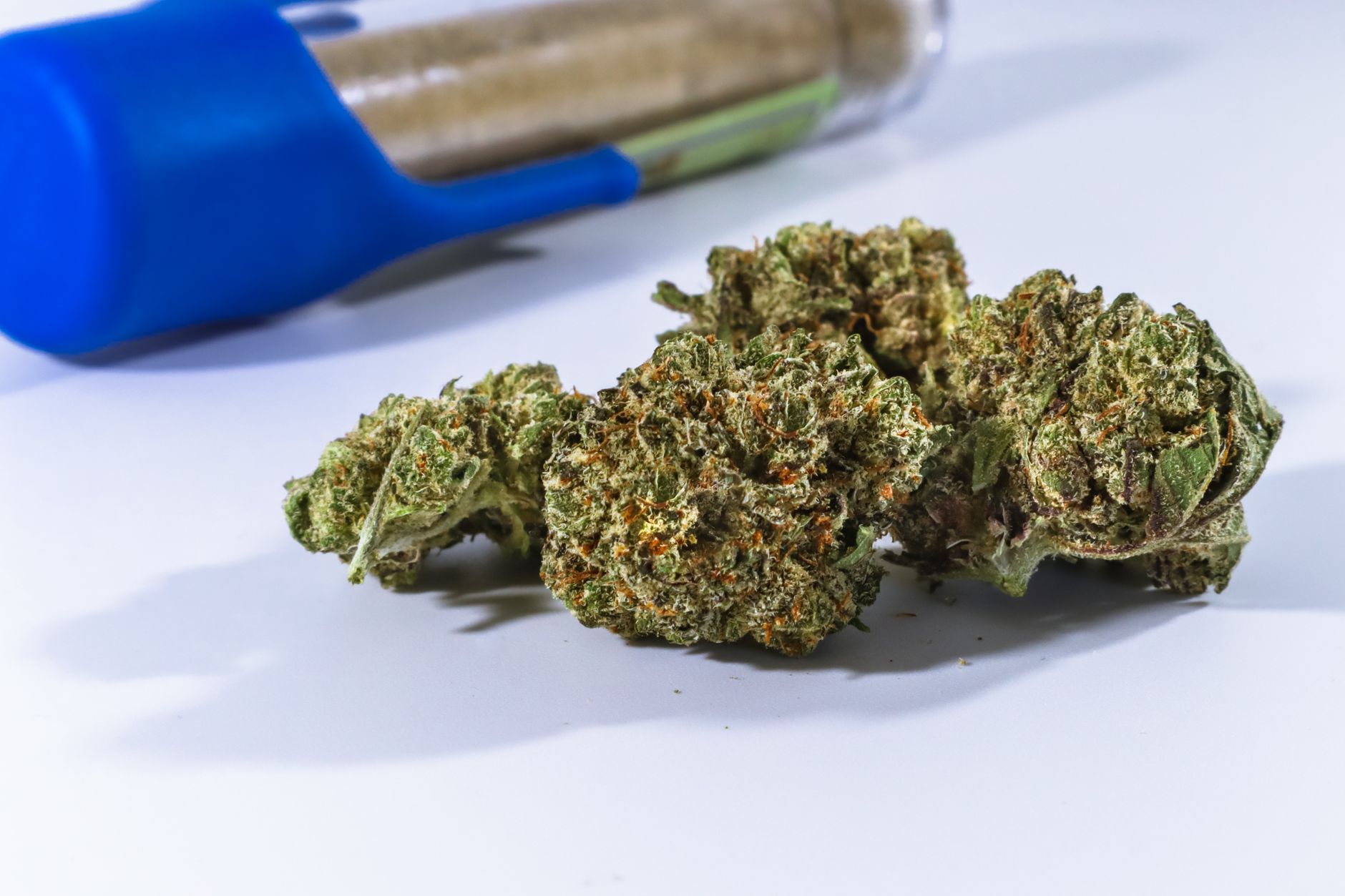
Indica vs Sativa Effects California: Your Ultimate Guide
indica vs sativa effects California

Indica vs Sativa Effects California: Your Ultimate Guide

Navigate California's diverse cannabis landscape to find your perfect strain, whether for relaxation or invigoration.

Explore Strains Now

Key Takeaways

  • ✓ Indica strains are traditionally associated with relaxing, body-high effects.
  • ✓ Sativa strains are typically known for uplifting, cerebral effects.
  • ✓ Many modern strains are hybrids, blending indica and sativa characteristics.
  • ✓ Terpenes and cannabinoids beyond THC and CBD play a crucial role in effects.

How It Works

1
Understand the Basics

Learn the traditional distinctions between Indica and Sativa. This foundational knowledge helps set expectations for your cannabis experience.

2
Explore Beyond the Labels

Dive into the science of cannabinoids and terpenes. These compounds are the true drivers of a strain's effects, often more so than its indica/sativa classification.

3
Consider Your Desired Outcome

Reflect on what you want from your cannabis: relaxation, creativity, pain relief, or energy. Matching your needs to strain profiles is key.

4
Consult and Experiment

Speak with budtenders in California dispensaries and try small amounts of different strains. Personal experience is the best guide to finding your ideal cannabis.

Demystifying Indica vs Sativa in the Golden State
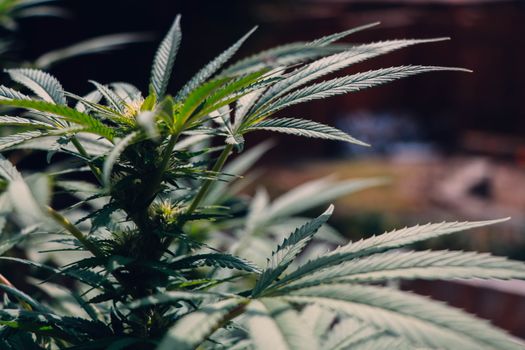
Detailed view of cannabis plant showcasing vibrant green leaves and outdoor setting, perfect for medical and botanical themes. Photo: Elsa Olofsson / Pexels
For newcomers and seasoned enthusiasts alike, the terms 'Indica' and 'Sativa' are foundational to understanding cannabis. In California, a state at the forefront of cannabis culture and innovation, these classifications are more than just botanical labels; they represent a shorthand for the anticipated effects a consumer might experience. Traditionally, Indica strains are associated with a relaxing, sedative 'body high,' often recommended for evening use or for those seeking relief from pain, insomnia, or anxiety. Their plant structure is typically short and bushy with broad leaves. On the other hand, Sativa strains are renowned for their energizing, uplifting 'head high,' stimulating creativity, focus, and sociability. These plants tend to be taller with narrower leaves and longer flowering cycles. However, the reality in today's sophisticated Californian cannabis market is far more nuanced than these simple categories suggest. The historical distinction between Indica and Sativa originated from their geographical origins and physical characteristics. Cannabis Indica was first described in India, known for its resin production in harsh, mountainous climates, leading to its robust, compact growth. Cannabis Sativa, identified earlier, was found in more temperate climates, resulting in its taller, lankier stature. For centuries, these distinctions helped cultivators and consumers predict growth patterns and general psychoactive profiles. Yet, with decades of cross-breeding and hybridization driven by consumer demand and cultivation advancements, especially prominent in a mature market like California, very few pure Indica or Sativa strains exist. Most products available today are hybrids, blending genetic traits and, consequently, the effects of both. This evolution means that relying solely on the 'Indica' or 'Sativa' label can sometimes be misleading. A 'Sativa-dominant' strain might still offer significant body relaxation due to its unique cannabinoid and terpene profile, while an 'Indica-dominant' strain could provide a surprising surge of mental clarity. Understanding this complexity is the first step toward navigating the rich tapestry of cannabis effects in California. The legal framework in California has also contributed to an open market where innovation thrives, leading to an incredible diversity of products and a deeper understanding of cannabis science. This allows consumers to explore beyond the basic classifications and delve into the specific chemical compositions that truly dictate the experience. Dispensaries across the state are increasingly educating consumers on these complexities, moving beyond the simple dichotomy to a more holistic view of strain effects. This commitment to education and quality helps Californians make informed choices, ensuring their cannabis experience is both enjoyable and tailored to their individual needs. For more on the basics of cannabis science, explore further.

Beyond THC and CBD: The Entourage Effect and Terpenes
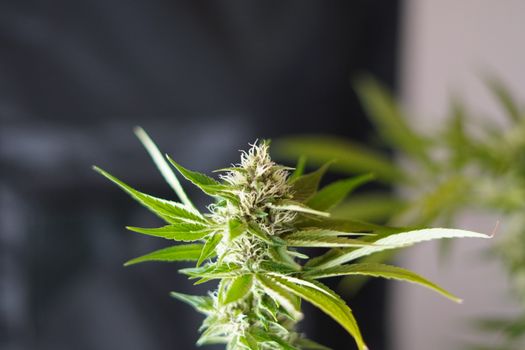
Vivid close-up of a cannabis plant showcasing its lush green leaves and blurred background. Photo: Juan Miguel Restrepo Barrera / Pexels
While THC (tetrahydrocannabinol) and CBD (cannabidiol) are the most well-known cannabinoids, playing significant roles in the psychoactive and therapeutic effects of cannabis, they are by no means the only players. The concept of the 'entourage effect' is central to understanding the true nature of indica vs sativa effects in California. This theory suggests that cannabinoids, terpenes, and other cannabis compounds work synergistically, enhancing each other's effects and modulating the overall experience. Instead of individual components acting in isolation, their combined action creates a unique profile of effects that is greater than the sum of its parts. This is why a strain with 20% THC might feel entirely different from another strain with the same THC percentage. The difference lies in the supporting cast of compounds. Terpenes, aromatic compounds found in many plants including cannabis, are largely responsible for the distinctive scents and flavors of different strains – from citrusy and piney to earthy and skunky. More importantly, research indicates that terpenes also interact with cannabinoids to influence the physiological and psychological effects of cannabis. For example, Myrcene, a terpene found in mangoes and hops, is often associated with the 'couch-lock' effect commonly attributed to Indicas, promoting relaxation and sedation. Limonene, prevalent in citrus rinds, is linked to mood elevation and stress relief, often found in Sativa-leaning strains. Pinene, as its name suggests, smells like pine and is believed to enhance alertness and memory retention. Caryophyllene, with its spicy, peppery aroma, is unique because it's the only terpene known to directly interact with the body's endocannabinoid system, potentially offering anti-inflammatory effects. In California, sophisticated cannabis testing and labeling provide consumers with detailed information about the terpene profiles of various products. This shift from focusing solely on THC percentages to appreciating the full spectrum of compounds allows for a more precise and personalized cannabis selection. Understanding these complex interactions empowers consumers to make more informed choices, moving beyond the simplistic indica/sativa labels to truly find a strain that aligns with their desired experience. A strain high in Myrcene, regardless of its 'Sativa' classification, might lean towards a more relaxing effect, while a purportedly 'Indica' strain rich in Limonene could offer an unexpected burst of energy. This level of detail is a hallmark of the advanced cannabis market in California, providing a richer, more tailored experience for every user. Dispensaries in California are increasingly training their staff, known as budtenders, to educate customers about these nuanced chemical compositions. They can guide consumers through terpene profiles, helping them understand how different combinations might affect their mood, energy levels, or pain management. This expertise is invaluable, especially for those seeking specific therapeutic benefits or a particular recreational experience. The emphasis on the entourage effect and terpenes marks a significant evolution in how cannabis is understood and consumed, moving away from a one-size-fits-all approach to a highly individualized one. This depth of knowledge is a testament to California's leadership in the cannabis industry.

Navigating California's Cannabis Market: Choosing Your Ideal Strain
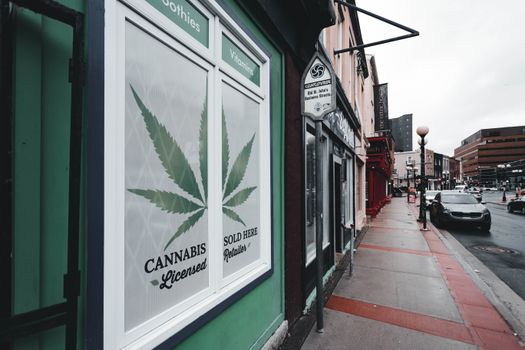
Street view of licensed cannabis retailer sign in urban setting with storefronts and cars. Photo: Erik Mclean / Pexels
With California's mature and diverse cannabis market, choosing the 'right' strain involves more than just picking between indica and sativa. It requires a thoughtful approach, considering your personal physiology, desired effects, and the specific chemical profile of the product. The first step is self-reflection: what kind of experience are you seeking? Are you looking for deep relaxation to unwind after a long day, a boost of creativity for artistic endeavors, relief from chronic pain, or something to aid sleep? Your answers will guide your selection process significantly. If relaxation and stress relief are your priorities, strains with high levels of Myrcene or Linalool (often found in what were traditionally labeled Indicas) might be beneficial. If you're seeking an uplifting, energetic experience, look for strains rich in Limonene or Pinene, commonly associated with Sativas. Once you have a clear idea of your desired outcome, the next crucial step is to engage with knowledgeable budtenders at licensed dispensaries across California. These professionals are often a wealth of information, trained to interpret lab results and guide you through the vast array of available products. Don't be afraid to ask detailed questions about a strain's specific cannabinoid percentages (THC, CBD, CBG, etc.) and its terpene profile. Many dispensaries now provide detailed certificates of analysis (COAs) for their products, which list these chemical compositions. Pay attention to not just the percentages, but the ratios. For instance, a strain with a balanced THC:CBD ratio might offer a more mellow experience, mitigating some of the anxiety sometimes associated with high-THC strains. Beyond chemical composition, consider the consumption method. Vaping, edibles, tinctures, and traditional smoking each deliver effects differently. Vaping and smoking offer faster onset and shorter duration, allowing for more immediate feedback and easier dosage adjustments. Edibles, conversely, have a delayed onset but typically provide a much longer-lasting and often more intense experience, requiring careful dosing, especially for beginners. Always start with a low dose, especially with edibles, and wait to observe the effects before considering more. The legal framework in California ensures that products are tested for potency and contaminants, providing a layer of safety and transparency that is crucial for consumers. This robust regulatory environment, coupled with the expertise available at dispensaries, makes California an ideal place to explore and refine your cannabis preferences. Experimentation, always starting low and going slow, is key to discovering what works best for your unique body and mind. Remember, the goal is to find a strain and consumption method that consistently delivers your desired indica vs sativa effects in California, enhancing your well-being and enjoyment. A well-informed choice can significantly elevate your cannabis experience. For more on safe consumption practices, check out responsible cannabis use guidelines.

Common Mistakes and Expert Tips for California Consumers
A cannabis leaf with the word 'cannabis' spelled out in letter tiles on a beige background. Photo: Alesia Kozik / Pexels
Navigating the rich landscape of cannabis in California, while exciting, can lead to common pitfalls if not approached thoughtfully. One of the biggest mistakes consumers make is relying solely on the Indica/Sativa label without considering the full chemical profile. As discussed, a 'Sativa' might feel more like an 'Indica' if its terpene profile leans towards relaxation, and vice-versa. Always look beyond the simple classification to the listed cannabinoids and terpenes. Another frequent error is neglecting dosage, particularly with edibles. Edibles have a delayed onset and can be significantly more potent. Starting with a low dose (e.g., 2.5mg - 5mg THC) and waiting at least 1-2 hours before considering more is crucial to avoid an overwhelming experience. Here are some expert tips for California cannabis consumers: * **Prioritize Terpenes:** When discussing strains with your budtender, ask about the dominant terpenes. Knowing whether a strain is high in Myrcene (sedative), Limonene (uplifting), or Caryophyllene (anti-inflammatory) will give you a much better prediction of its effects than just 'Indica' or 'Sativa.' * **Start Low, Go Slow:** This mantra applies to all forms of cannabis consumption, but especially for new users or when trying a new strain. Begin with the smallest effective dose and gradually increase until you achieve your desired effects. This minimizes the risk of overconsumption and helps you identify your personal tolerance. * **Keep a Cannabis Journal:** Documenting the strains you try, their reported cannabinoid/terpene profiles, the dosage, consumption method, and the effects you experienced can be incredibly helpful. This personal data will allow you to pinpoint what works best for your body and mind over time. * **Consider Your Environment:** The setting in which you consume cannabis can significantly influence your experience. A relaxing environment with comforting music might enhance the effects of a calming strain, while a social gathering could elevate an uplifting strain. Set and setting matter. * **Stay Hydrated:** Cannabis, particularly high-THC strains, can cause dry mouth, often called 'cottonmouth.' Keeping water or other hydrating beverages nearby is always a good idea. * **Don't Be Afraid to Ask:** California's licensed dispensaries employ knowledgeable staff. Use them as a resource! They can offer personalized recommendations based on your desired effects, previous experiences, and any specific needs you might have. * **Look for Lab Results:** Reputable dispensaries will provide access to third-party lab testing results for their products. These COAs verify cannabinoid and terpene content and ensure the product is free from pesticides, heavy metals, and other contaminants. Always prioritize products with transparent lab testing. By avoiding these common mistakes and implementing these expert tips, California cannabis consumers can cultivate a more informed, enjoyable, and predictable experience with both indica and sativa effects.

Comparison

FeatureTraditional IndicaTraditional SativaModern Hybrid
Plant StructureShort, bushy, broad leavesTall, lanky, narrow leavesVariable (mix of both)
Typical EffectsRelaxing, sedative, body highEnergizing, uplifting, head highBalanced, tailored, diverse
Best ForNighttime, relaxation, pain reliefDaytime, creativity, focusSpecific needs (e.g., pain relief with energy)
Primary Terpenes (Common)Myrcene, LinaloolLimonene, PineneWide range, often dominant one or two
Onset Time (Smoked/Vaped)FastFastFast
Duration (Smoked/Vaped)2-4 hours2-4 hours2-4 hours
Medical ApplicationsInsomnia, chronic pain, anxietyDepression, fatigue, appetite stimulationVersatile, condition-specific

What Readers Say

"Understanding indica vs sativa effects in California completely changed my approach. I used to just pick by name, but after learning about terpenes, I found an 'Indica' that gives me gentle relaxation without the heavy couch-lock. It's perfect for evening unwinding."

Sarah J. · Los Angeles, CA

"The budtenders in California are so knowledgeable. They helped me find a Sativa-dominant hybrid rich in Limonene, which gives me amazing creative energy for my art projects without feeling anxious. No more guessing games about indica vs sativa effects California!"

Mark T. · San Francisco, CA

"As someone with chronic pain, differentiating indica vs sativa effects California was crucial. I discovered that certain Indica-leaning strains with high Caryophyllene offer excellent anti-inflammatory benefits, helping me manage my discomfort significantly better."

Emily R. · San Diego, CA

"I appreciate the detailed lab results available in California dispensaries. While the traditional indica vs sativa effects aren't always clear-cut, the terpene profiles really guide me. I once picked a 'Sativa' with a surprising amount of Myrcene and it was more relaxing than expected, but still enjoyable."

David L. · Oakland, CA

"Exploring indica vs sativa effects in California has become an educational journey. My local dispensary's staff broke down the entourage effect for me, and now I can confidently choose strains that align with my mood and activity, whether it's a social outing or a quiet night in."

Jessica M. · Sacramento, CA

Frequently Asked Questions

What is the primary difference between indica and sativa effects in California?

Traditionally, Indica strains are associated with relaxing, sedative 'body highs,' often leading to sleepiness or 'couch-lock,' while Sativa strains are known for energizing, uplifting 'head highs' that promote creativity and focus. However, due to extensive cross-breeding, these distinctions are now largely oversimplified, and the actual effects are more dependent on the strain's unique cannabinoid and terpene profile.

Is it true that most strains in California are hybrids?

Yes, it is largely true. Decades of selective breeding have resulted in very few 'pure' Indica or Sativa strains remaining in the commercial market. Most cannabis products available in California dispensaries today are hybrids, meaning they contain a blend of genetic characteristics from both Indica and Sativa lineages, leading to a wide spectrum of effects.

How can I choose the right strain for me in California?

To choose the right strain, consider your desired effects (e.g., relaxation, energy, pain relief), consult with knowledgeable budtenders at licensed California dispensaries, and pay attention to the strain's cannabinoid (THC, CBD) and terpene profiles. Start with a low dose and observe how your body reacts, adjusting as needed.

Do higher THC percentages always mean a stronger 'high' for indica vs sativa effects?

Not necessarily. While THC is the primary psychoactive compound, the 'strength' and type of high are heavily influenced by the presence and interaction of other cannabinoids and, crucially, terpenes. A strain with a moderate THC percentage but a rich terpene profile might provide a more nuanced and satisfying experience than a very high-THC strain with a less complex profile.

How do terpenes influence indica vs sativa effects?

Terpenes are aromatic compounds that not only give cannabis its distinct smell and flavor but also interact with cannabinoids to modulate the effects, a phenomenon known as the 'entourage effect.' For example, Myrcene often contributes to sedative effects, Limonene to uplifting effects, and Caryophyllene to anti-inflammatory effects, regardless of whether the strain is classified as Indica or Sativa.

Who should prioritize understanding indica vs sativa effects in California?

Anyone looking for a predictable and personalized cannabis experience should prioritize understanding these effects, especially in the context of terpenes and cannabinoids. This knowledge is particularly beneficial for medical cannabis patients seeking specific therapeutic outcomes and recreational users who want to tailor their experience for optimal enjoyment or productivity.

Are there any risks associated with choosing the wrong strain?

Choosing the 'wrong' strain primarily carries the risk of an undesirable experience, such as feeling too anxious when seeking relaxation, or too sedated when seeking energy. Overconsumption of any strain can lead to discomfort, paranoia, or nausea. Always start with a low dose and ensure you're in a comfortable environment.

What future trends are expected in understanding indica vs sativa effects in California?

Future trends in California will likely continue to move away from the simple indica/sativa dichotomy towards a more science-based, chemovar classification system. This will involve greater emphasis on specific cannabinoid and terpene ratios, personalized recommendations based on individual biochemistry, and advanced consumer education, allowing for even more precise and tailored cannabis experiences.

Armed with a deeper understanding of indica vs sativa effects in California, you're now ready to explore the state's vibrant cannabis market with confidence. Visit a licensed dispensary today, consult with their expert budtenders, and embark on a personalized journey to discover the perfect strain for your unique needs and desired experience. Your ideal cannabis experience awaits.

Topics: indica vs sativa effects Californiaindica effectssativa effectscannabis strains Californiachoosing cannabis California
Leo List
Brampton weed
Adultwork EstrelaBet Vai de Bet R7 Bet Betão Galera Bet Rainbet Bet9ja Shop SportyBet BetKing Sisal Loto Foot Hollywoodbets YesPlay Odibets RushBet Jugabet BetWarrior BetCity MSport betPawa Fortebet