✓ Indica strains are generally associated with relaxing, body-high effects.
✓ Sativa strains are typically known for uplifting, cerebral, and energetic effects.
✓ Most cannabis available today in California are hybrid strains, blending indica and sativa characteristics.
✓ Terpenes and cannabinoids, not just genetics, significantly influence the 'entourage effect'.
How It Works
1
Understand the Basics
Learn the traditional distinctions between indica and sativa, recognizing that these are broad classifications. Focus on expected effects rather than strict botanical definitions.
2
Identify Your Desired Outcome
Consider why you're consuming cannabis. Are you seeking relaxation, pain relief, energy, creativity, or sleep aid? Your goals will guide your strain selection.
3
Research Specific Strains & Terpenes
Look beyond just 'indica' or 'sativa'. Investigate the terpene profiles and cannabinoid ratios of specific strains available in California dispensaries to better predict effects.
4
Consult with a Budtender
In California, licensed dispensaries have knowledgeable staff. Share your desired effects and any previous experiences, and they can offer personalized recommendations.
Demystifying Indica vs Sativa: Beyond the Traditional Labels in California
Photo: Kindel Media / Pexels
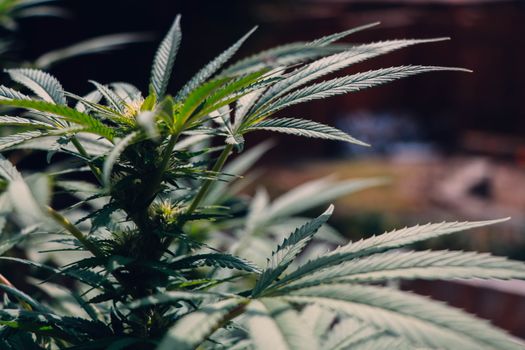
For decades, the cannabis world has largely operated under a simple dichotomy: indica for relaxation and sedation, sativa for energy and upliftment. This framework has served as a foundational guide for countless consumers, especially in mature markets like California where cannabis culture is deeply ingrained. However, as scientific understanding of the cannabis plant evolves, and as cultivation practices become more sophisticated, this simplistic classification is increasingly being recognized as an oversimplification. While the historical distinction between Indica and Sativa plants, based on their botanical origins and physical characteristics, holds some truth (Indica plants are typically shorter, bushier, with wider leaves, originating from colder, mountainous regions like the Hindu Kush; Sativa plants are taller, lankier, with narrower leaves, thriving in warmer, equatorial climates), their perceived effects are far more complex than just their genetic lineage.
In California's vibrant cannabis market, consumers are exposed to an unprecedented variety of strains. The vast majority of cannabis products available today, whether labeled 'indica' or 'sativa,' are actually hybrid strains, meaning they contain genetics from both categories. Centuries of cross-breeding, both intentional and accidental, have blurred the lines to the point where a pure indica or pure sativa is a rarity. This genetic intermingling means that a strain labeled 'indica' might still possess some uplifting qualities, while a 'sativa' could offer surprising relaxation. The traditional 'couch-lock' indica and 'head-rush' sativa stereotypes, while useful as general guidelines, do not tell the whole story. The true determinants of a strain's effects are a complex interplay of its chemical composition, primarily its cannabinoid and terpene profiles. The presence and concentration of compounds like THC, CBD, CBG, and a myriad of terpenes (which are aromatic compounds found in many plants, not just cannabis) collectively contribute to what is known as the 'entourage effect.' This synergistic interaction dictates the user's experience, often overriding the plant's botanical classification. Understanding this nuance is crucial for California consumers looking to make informed decisions and find the perfect product for their needs. It encourages a shift from relying solely on broad labels to a more sophisticated approach that considers the specific chemical blueprint of each strain. Exploring the science behind cannabis helps shed light on these intricate interactions. This deeper understanding empowers consumers to move beyond outdated generalizations and truly personalize their cannabis journey, ensuring they select products that align with their desired effects and well-being goals. The California market, with its emphasis on quality and innovation, is perfectly positioned for this more informed approach to cannabis consumption.
Navigating Indica Effects in California: Relaxation and Relief
Photo: Pavel Danilyuk / Pexels
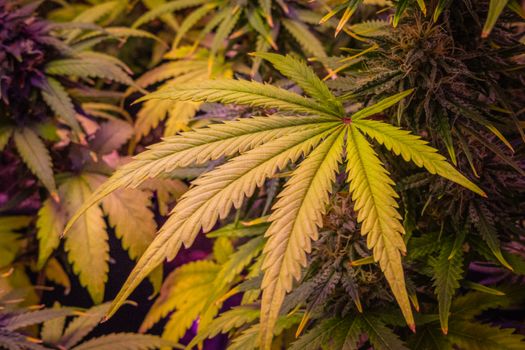
When consumers in California seek relaxation, pain relief, or assistance with sleep, they often gravitate towards strains traditionally classified as indica. The perceived indica effects are typically characterized by a profound sense of physical calm, often described as a 'body high.' This can manifest as muscle relaxation, alleviation of tension, and a general feeling of peacefulness that can lead to sedation, especially in higher doses or with specific strains. For many, indica strains are the preferred choice for evening use or during periods of rest and recovery. The anecdotal evidence and consumer experiences consistently point to indica's efficacy in managing various physical discomforts. Users frequently report significant relief from chronic pain, muscle spasms, and inflammation, making these strains popular among medical cannabis patients in California. Furthermore, the calming properties of indica can be highly beneficial for individuals struggling with anxiety or stress, helping to quiet an overactive mind and promote a sense of tranquility. It's important to note that while the general trend holds, the intensity and specific nature of these effects can vary wildly from one indica-dominant strain to another. This variability is largely due to the unique terpene profiles present in each strain. For instance, strains rich in myrcene, a terpene also found in mangoes, are often associated with sedative effects, enhancing the 'couch-lock' sensation. Linalool, common in lavender, can contribute to anxiety reduction and relaxation. Pinene, while often associated with alertness, can also have anti-inflammatory properties that complement indica's physical relief. In California's diverse market, dispensaries offer a wide array of indica-dominant options, from classic landraces to modern hybrids, each boasting its own distinct aroma, flavor, and effect profile. Consumers are encouraged to explore these options, perhaps starting with well-known strains like Granddaddy Purple or Northern Lights, and paying close attention to how their bodies and minds respond. Understanding the terpene content listed on product labels can provide a more granular prediction of the experience than simply relying on the 'indica' label alone. This personalized approach is key to harnessing the full potential of indica strains for relaxation and therapeutic relief.
Exploring Sativa Effects in California: Energy and Creativity
Photo: Alesia Kozik / Pexels
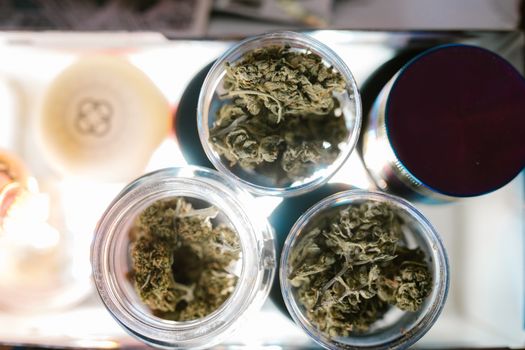
Conversely, when Californians are looking for an uplift, a burst of creativity, or a boost in energy and focus, they often turn to strains traditionally classified as sativa. The classic sativa effects are predominantly cerebral, characterized by an invigorating 'head high.' Users commonly report feelings of euphoria, heightened alertness, increased sociability, and an enhanced ability to concentrate. These characteristics make sativa-dominant strains a popular choice for daytime use, creative endeavors, social gatherings, or anytime a user wants to remain active and engaged. Many find that sativa helps to stimulate conversation, spark new ideas, and provide a general sense of well-being without the heavy sedative effects often associated with indicas. For individuals dealing with conditions like depression or fatigue, sativa strains can offer a much-needed lift, helping to improve mood and provide motivation. The stimulating nature of sativa can also be beneficial for those seeking to enhance their focus during tasks that require sustained attention. However, it's worth noting that for some individuals, particularly those prone to anxiety, certain high-THC sativa strains can sometimes induce feelings of paranoia or overstimulation. This is where understanding individual tolerance and specific terpene profiles becomes incredibly important.
Just like with indicas, the specific effects of sativa strains are heavily influenced by their terpene content. Terpenes like limonene, often found in citrus fruits, are associated with mood elevation and stress relief. Pinene, with its pine-like aroma, is believed to promote alertness and memory retention, potentially counteracting some of the short-term memory issues sometimes associated with THC. Caryophyllene, a spicy terpene, can also contribute to the entourage effect by interacting with the body's endocannabinoid system in unique ways. In the diverse California market, you'll find an abundance of sativa-dominant options, from energizing Haze varieties to uplifting Diesel strains. Popular choices like Jack Herer or Green Crack are frequently sought after for their uplifting and cerebral qualities. When selecting a sativa, consider the terpene profile alongside the THC content. A lower THC sativa rich in limonene might provide a gentle mood boost, while a high-THC strain with dominant pinene could offer intense focus. Consulting with a knowledgeable budtender at a licensed California dispensary can provide invaluable guidance, helping you navigate the nuanced world of sativa effects to find a strain that perfectly matches your desired energetic and creative outcomes. Finding a reputable California dispensary is the first step.
Choosing Your Perfect Strain: Tips for California Consumers
Photo: RDNE Stock project / Pexels
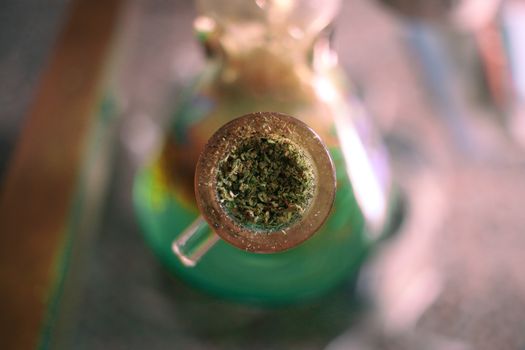
Navigating the vast and evolving cannabis landscape in California requires more than just a basic understanding of indica vs. sativa. To truly find your perfect strain, especially given the prevalence of hybrids and the complex interplay of cannabinoids and terpenes, a more nuanced approach is essential. Here are some invaluable tips for California consumers:
* **Prioritize Desired Effects Over Labels:** Instead of asking for 'an indica,' articulate what you want to feel. Do you need help sleeping? Are you seeking relief from chronic pain? Do you want to boost creativity or energy for a social event? Communicating your desired outcome will allow budtenders to recommend strains based on their known effects, rather than just their genetic classification.
* **Understand the Role of Terpenes:** Begin to familiarize yourself with common terpenes and their associated effects. For instance, myrcene for relaxation, limonene for mood elevation, pinene for alertness, and caryophyllene for anti-inflammatory benefits. Many dispensaries in California provide detailed lab reports that list terpene profiles, empowering you to make more informed choices. This knowledge moves beyond the simplistic indica/sativa labels.
* **Start Low and Go Slow (Especially with Edibles):** This age-old advice is paramount, particularly for new consumers or when trying a new strain. Begin with a small dose and wait to observe the effects before consuming more. This is especially critical with edibles, where onset can be delayed, and effects can be more intense and prolonged.
* **Track Your Experiences:** Keep a personal journal or use an app to record the strains you try, the dosage, the method of consumption, and most importantly, the effects you experienced. Note how long the effects lasted and any positive or negative reactions. This personal data will be invaluable for future selections.
* **Consult with Licensed Dispensary Staff:** California's legal cannabis market means access to highly trained and knowledgeable budtenders. Don't hesitate to ask questions. They can provide personalized recommendations based on your preferences, tolerance, and desired effects. They are a wealth of information about local strains and new products.
* **Consider Cannabinoid Ratios (THC, CBD, etc.):** While THC is the primary psychoactive compound, CBD can modulate its effects, often reducing anxiety or paranoia. Strains with a balanced THC:CBD ratio might offer a more mellow experience, while high-THC strains will be more potent. Explore products with varying ratios to see what works best for you.
* **Experiment with Delivery Methods:** The way you consume cannabis also impacts the effects. Vaping or smoking offers rapid onset, while edibles have a delayed but longer-lasting effect. Tinctures and topicals offer different experiences entirely. Experiment to find the method that best suits your lifestyle and desired onset/duration.
* **Pay Attention to Your Body and Mind:** Everyone's endocannabinoid system is unique, meaning a strain that works wonders for one person might not be ideal for another. Listen to your body and mind, and adjust your choices accordingly. The goal is to find what truly enhances your well-being in the California context.
Comparison
Feature
Indica (Traditional)
Sativa (Traditional)
Hybrids (Modern Reality)
Typical Effects
Relaxing, Sedative, Body High
Energizing, Uplifting, Head High
Varied, Balanced, Targeted
Best For
Evening, Sleep, Pain Relief
Daytime, Creativity, Focus
Anytime depending on blend
Plant Morphology
Short, Bushy, Broad Leaves
Tall, Lanky, Narrow Leaves
Mix of characteristics
Common Terpenes
Myrcene, Linalool
Limonene, Pinene, Terpinolene
Diverse combinations
Anxiety Potential
Lower (can be calming)
Higher (can be overstimulating)
Depends on specific strain
Pain Relief
✓
✗
✓ (strain-dependent)
Energy Boost
✗
✓
✓ (strain-dependent)
What Readers Say
★★★★★
"I used to just ask for 'an indica' for my anxiety. But after learning more about indica vs sativa effects in California and talking to my budtender, I found a specific hybrid rich in caryophyllene that works wonders without making me overly sleepy. Game changer!"
Sarah J. · Los Angeles, CA
★★★★★
"As a creative, I always thought sativa was the only way to go. But a California dispensary recommended a balanced hybrid, and the focus and gentle uplift were perfect for my writing. It's a much smoother experience than pure sativa."
Mark T. · San Francisco, CA
★★★★★
"The information on indica vs sativa effects in California really helped me understand why some strains made me anxious and others didn't. Now I look for terpene profiles, and my sleep has improved dramatically with specific indica-dominant strains."
Elena R. · San Diego, CA
★★★★★
"While the traditional labels still offer a good starting point, this guide highlighted the importance of hybrids. I've found that a 70/30 indica-dominant hybrid gives me the relief I need without the extreme sedation, which is ideal for evening use."
David L. · Oakland, CA
★★★★★
"I moved to California recently and was overwhelmed by the choices. This article on indica vs sativa effects in California, especially the section on terpenes, gave me the confidence to ask better questions at the dispensary and find products that truly fit my wellness routine."
Jessica M. · Sacramento, CA
Frequently Asked Questions
What is the main difference between indica and sativa effects in California?
Traditionally, indica strains are associated with relaxing, sedative 'body high' effects, often used for pain relief and sleep. Sativa strains are known for energizing, uplifting 'head high' effects, favored for creativity and daytime use. However, most strains in California are hybrids, and effects are more accurately determined by cannabinoid and terpene profiles.
Can an indica strain make me feel energetic, or a sativa make me sleepy?
Yes, absolutely. The traditional indica/sativa labels are oversimplified. Due to extensive cross-breeding and the complex 'entourage effect' of terpenes and cannabinoids, an indica-dominant hybrid might have uplifting qualities, and a sativa-dominant one could lead to relaxation. Always consider the specific strain's chemical profile and not just its genetic classification.
How can I choose the right cannabis strain for my needs in California?
Start by identifying your desired effects (e.g., relaxation, pain relief, energy). Then, research specific strains for their known cannabinoid and terpene profiles. Consult with a knowledgeable budtender at a licensed California dispensary, providing them with your goals and any previous experiences. Experiment cautiously, starting with low doses.
Are hybrid strains common in the California market?
Hybrid strains are the predominant form of cannabis available in California today. Centuries of cross-breeding have resulted in very few 'pure' indica or sativa strains. Hybrids offer a blend of characteristics from both, allowing for a wider range of tailored effects, from balanced to more indica- or sativa-dominant experiences.
What are terpenes, and how do they relate to indica vs sativa effects?
Terpenes are aromatic compounds found in cannabis (and many other plants) that contribute to its flavor, aroma, and, crucially, its effects. They interact with cannabinoids like THC and CBD to produce the 'entourage effect,' modulating the overall experience. Understanding a strain's terpene profile (e.g., myrcene for relaxation, limonene for mood) is often more predictive of effects than its indica/sativa label.
Who should use indica vs sativa effects California?
Indica-leaning strains are often preferred by those seeking relaxation, stress relief, pain management, or sleep aid. Sativa-leaning strains are typically chosen by individuals looking for an energy boost, enhanced creativity, focus, or mood elevation. Hybrids are suitable for those desiring a balanced effect or specific therapeutic outcomes that combine elements of both.
Is it safe to experiment with different strains in California?
When purchased from licensed dispensaries, cannabis products in California are regulated and tested for safety. It is generally safe to experiment, but always start with a low dose, especially when trying new strains or consumption methods. Pay attention to how your body reacts, and consult with a healthcare professional if you have underlying health conditions or concerns.
What are the future trends in understanding cannabis effects in California?
The trend is moving away from simplistic indica/sativa classifications towards a more sophisticated understanding based on specific cannabinoid and terpene profiles. Future innovations in California will likely involve more personalized recommendations, perhaps even genetic testing, to match individuals with strains that best suit their unique endocannabinoid system for highly customized effects and therapeutic benefits.
Unlock the full potential of California's cannabis market by understanding the nuanced indica vs sativa effects. Empower yourself with knowledge, explore diverse strains, and find the perfect cannabis experience tailored to your unique needs and preferences. Start your informed journey today.