Indica vs Sativa Effects Explained: Your Guide to Cannabis
indica vs sativa effects explained

Indica vs Sativa Effects Explained: Your Guide to Cannabis

Navigate the nuanced world of cannabis to find your perfect strain, understanding their unique impacts on mind and body.

Explore Cannabis Effects

Key Takeaways

  • ✓ Indica and Sativa are primary classifications of cannabis, each with distinct growth patterns and perceived effects.
  • ✓ The 'couch-lock' stereotype for Indica and 'energetic' for Sativa are often oversimplified; individual effects vary widely.
  • ✓ Terpenes and cannabinoids beyond THC and CBD play a crucial role in shaping a strain's overall experience.
  • ✓ Hybrid strains combine characteristics of both Indica and Sativa, offering a spectrum of effects.
  • ✓ Personal physiology, dosage, and consumption method significantly influence how cannabis affects an individual.

How It Works

1
Understand the Basics

Familiarize yourself with the general characteristics attributed to Indica and Sativa. This foundational knowledge helps set expectations for your cannabis journey.

2
Explore Cannabinoids & Terpenes

Delve deeper than just Indica/Sativa. Learn about the primary cannabinoids like THC and CBD, and the aromatic compounds called terpenes, as they dictate the 'entourage effect'.

3
Consider Your Needs

Reflect on what you hope to achieve with cannabis. Are you seeking relaxation, pain relief, energy, or creativity? Your desired outcome will guide your strain selection.

4
Experiment Responsibly

Start with low doses and observe how your body reacts. Keep a journal of strains, dosages, and effects to discover what works best for your unique physiology.

Demystifying Indica and Sativa: Beyond the Stereotypes
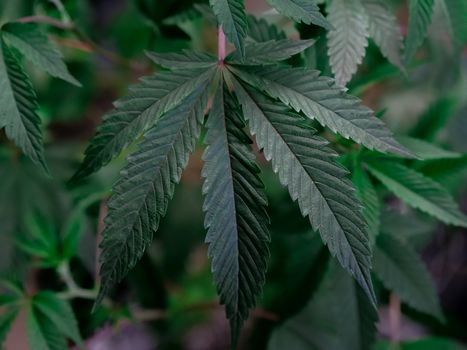
Detailed close-up of a cannabis leaf showcasing detail and texture in a greenhouse setting. Photo: Kindel Media / Pexels
For decades, the cannabis world has relied on a simple dichotomy: Indica for relaxation and Sativa for invigoration. This foundational understanding, while helpful for initial guidance, often oversimplifies the incredibly complex chemistry of the cannabis plant. When we discuss cannabis effects, particularly in the context of Indica vs Sativa, it's crucial to move beyond these broad generalizations and delve into the nuances that truly define a strain's impact. Historically, these classifications were based primarily on botanical characteristics. Indica plants, typically shorter and bushier with broad leaves, were thought to originate from the Hindu Kush mountains, adapting to harsh, arid climates. Sativa plants, on the other hand, are taller, lankier, with narrow leaves, and thrive in warmer, more humid equatorial regions. These morphological differences led early cultivators and consumers to associate them with distinct effects based on anecdotal evidence. Indica became synonymous with a 'body high,' often described as sedating, pain-relieving, and conducive to sleep – the fabled 'couch-lock' effect. Sativa, conversely, was linked to a 'head high,' promoting energy, creativity, and uplifting moods, making it suitable for daytime use. However, modern cannabis science reveals a more intricate picture. The effects experienced by a user are not solely determined by whether a plant is classified as Indica or Sativa. Instead, a complex interplay of cannabinoids (like THC, CBD, CBN, CBG), terpenes (aromatic compounds such as myrcene, limonene, pinene), and other lesser-known compounds contributes to what is now known as the 'entourage effect.' This theory posits that these compounds work synergistically, enhancing or modulating each other's effects, to produce the overall experience. A strain labelled 'Indica' might, in fact, have a terpene profile that promotes alertness, while a 'Sativa' could contain compounds that induce relaxation. Furthermore, cultivation practices, growing conditions, and even the specific phenotype of a plant can significantly alter its chemical composition and, consequently, its effects. Therefore, while the Indica/Sativa labels provide a starting point, they should be viewed as a general guide rather than an absolute predictor of experience. Understanding this shift in perspective is vital for consumers in Canada, where a diverse range of cannabis products is readily available, allowing for more informed and personalized choices. Moving forward, we'll explore the specific compounds that genuinely drive these effects, empowering you to make choices based on chemistry, not just classification.

The Science Behind the High: Cannabinoids and Terpenes
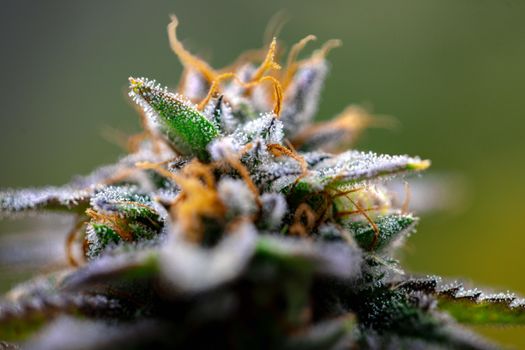
Close-up of cannabis bud showing frosty trichomes in a serene outdoor setting. Photo: Diego Barros / Pexels
To truly grasp the intricate differences in cannabinoid effects beyond the simple Indica vs. Sativa paradigm, we must dive into the fascinating world of cannabinoids and terpenes. These are the primary bioactive compounds responsible for cannabis's therapeutic and psychoactive properties. Cannabinoids are a class of chemical compounds that interact with the body's endocannabinoid system (ECS), a complex network of receptors that regulates various physiological processes, including mood, pain, appetite, and memory. The two most well-known cannabinoids are Tetrahydrocannabinol (THC) and Cannabidiol (CBD). THC is the primary psychoactive compound in cannabis, responsible for the euphoric 'high' that many users associate with marijuana. Its effects can range from altered perception and increased appetite to relaxation and, in some cases, anxiety or paranoia, depending on the individual, dosage, and other accompanying compounds. CBD, on the other hand, is non-psychoactive and is often sought for its potential therapeutic benefits, such as reducing inflammation, pain, anxiety, and seizures, without inducing intoxication. The ratio of THC to CBD in a strain is a significant determinant of its overall effect. High-THC strains are typically more intoxicating, while strains with balanced THC:CBD ratios or high-CBD content tend to offer a more moderated or non-intoxicating experience. Beyond THC and CBD, there are over a hundred other minor cannabinoids, such as Cannabinol (CBN), Cannabigerol (CBG), and Tetrahydrocannabivarin (THCV), each with its own unique properties and potential effects. CBN, for instance, is often associated with sedative qualities, while CBG is being researched for its anti-inflammatory and neuroprotective properties. However, the story doesn't end with cannabinoids. Terpenes are aromatic compounds found in many plants, including cannabis, that give them their distinctive scents and flavours. More importantly, they also contribute significantly to the plant's effects. For example, Myrcene, a common terpene, is found in mangoes and hops and is often associated with sedative, relaxing effects, making it prevalent in many strains traditionally classified as Indica. Limonene, found in citrus rinds, is known for its uplifting and mood-enhancing properties, often present in Sativa-dominant strains. Pinene, with its pine scent, may promote alertness and memory retention, while Linalool, found in lavender, is linked to calming effects. The 'entourage effect' suggests that these terpenes and cannabinoids work together synergistically, amplifying or modulating each other's effects. This means that two strains with the same THC percentage might produce vastly different experiences due to their unique terpene profiles. Therefore, when selecting cannabis, looking beyond the Indica/Sativa label and examining the cannabinoid and terpene profile is a more accurate way to predict the potential effects and tailor your experience to your specific needs and preferences.

Navigating the Spectrum: Hybrids and Personalizing Your Experience
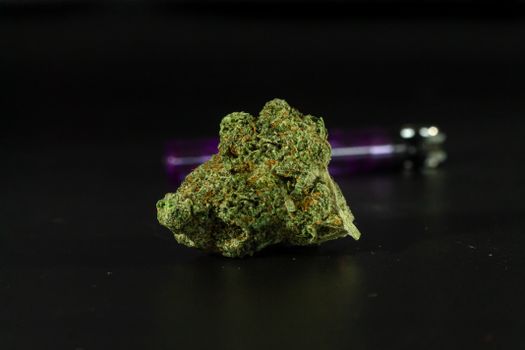
Detailed macro shot of a cannabis bud with a pipe in the background. Photo: Terrance Barksdale / Pexels
Given the complex interplay of cannabinoids and terpenes, it's no surprise that the vast majority of cannabis available on the market today isn't purely Indica or Sativa, but rather a hybrid. Hybrid strains are cultivated by cross-breeding Indica and Sativa plants, aiming to combine desirable traits from both parents. This genetic mixing results in a vast spectrum of effects, moving beyond the simplistic 'couch-lock' or 'energetic' labels. Hybrids can be Indica-dominant, Sativa-dominant, or perfectly balanced, offering a nuanced range of experiences that cater to almost any preference or need. For instance, an Indica-dominant hybrid might offer profound body relaxation but with a clearer, less sedating mental state than a pure Indica, thanks to its Sativa lineage. Conversely, a Sativa-dominant hybrid could provide an uplifting cerebral high without the potential for anxiety or jitters sometimes associated with pure Sativas, due to calming compounds inherited from its Indica side. This allows for a much more precise and personalized approach to cannabis consumption, moving away from rigid categories and embracing the plant's true diversity. The key to personalizing your cannabis experience, especially in a market as robust as Canada's, lies in understanding that your individual physiology plays a monumental role. Factors such as your unique endocannabinoid system, tolerance levels, metabolism, body chemistry, and even your mood and environment at the time of consumption can all influence how a particular strain affects you. What provides profound relaxation for one person might cause anxiety in another, even with the exact same product. This is why a 'one size fits all' approach to cannabis is ineffective. Instead, a thoughtful, experimental, and self-aware strategy is paramount. Start by identifying your desired outcomes: are you seeking relief from chronic pain, help with sleep, a boost in creativity, or simply recreational enjoyment? Research strains that are known to have cannabinoid and terpene profiles often associated with those effects. For example, if you're looking for relaxation, you might seek out strains rich in myrcene and linalool, regardless of their Indica/Sativa classification. If energy is your goal, limonene and pinene might be more beneficial. When trying a new strain, especially a hybrid, always start with a low dose and observe how your body and mind react. Keep a journal of your experiences, noting the strain name, dosage, consumption method, and the effects you felt (both positive and negative). This detailed record will help you identify patterns and discover which specific cannabinoid and terpene combinations work best for you. Understanding consumption methods also plays a vital role, as inhalation, edibles, and tinctures each offer different onset times and durations of effects. By embracing this holistic approach, you can navigate the diverse world of cannabis hybrids and tailor your experience for optimal results, ensuring that your journey is as effective and enjoyable as possible.

Common Mistakes and Smart Tips for Choosing Your Strain
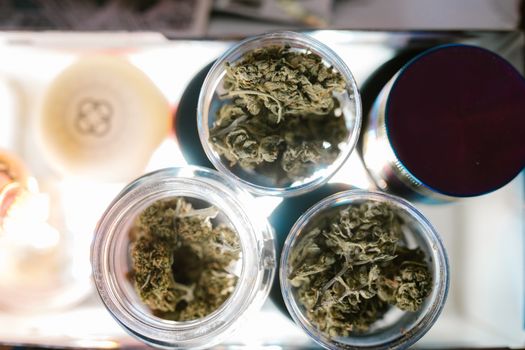
Close-up of cannabis buds in jars from above, highlighting marijuana storage. Photo: RDNE Stock project / Pexels
Navigating the world of cannabis, especially when trying to discern the true indica vs sativa differences, can be fraught with misconceptions. Avoiding common pitfalls and adopting smart strategies will significantly enhance your experience and help you find the perfect strain for your needs. **Common Mistakes to Avoid:** * **Over-reliance on Indica/Sativa labels:** As discussed, these classifications are often too broad. Don't assume an Indica will always sedate you or a Sativa will always energize you. Focus on cannabinoid and terpene profiles instead. * **Ignoring dosage:** Too much of any strain can lead to undesirable effects, regardless of its classification. Start low, go slow, especially with edibles, where effects can be delayed and more intense. * **Not considering personal tolerance:** Your individual tolerance to cannabinoids will greatly influence your experience. A seasoned user will react differently to the same dose than a novice. * **Forgetting about consumption method:** Vaping or smoking offers immediate effects, while edibles have a delayed onset but longer-lasting, more potent effects. Choose your method wisely based on your desired experience and timing. * **Purchasing from unreliable sources:** Ensure you're buying from licensed dispensaries in Canada that provide lab-tested products with clear cannabinoid and terpene breakdowns. This guarantees product safety and accurate information. **Smart Tips for Choosing Your Strain:** * **Prioritize cannabinoid and terpene analysis:** Look for products that list specific percentages of THC, CBD, and prominent terpenes. This provides a much more accurate predictor of effects than 'Indica' or 'Sativa' alone. * **Identify your desired outcome:** Before you even look at strains, decide what you want to achieve. Relaxation? Pain relief? Creativity? Energy? This clarity will help narrow down your search. * **Consult with budtenders:** Licensed cannabis retailers employ knowledgeable staff who can offer personalized recommendations based on your desired effects, previous experiences, and product availability. * **Read reviews and strain reports:** Websites like Leafly or AllBud provide extensive databases of strains, including user reviews and detailed chemical profiles. Pay attention to what other users with similar preferences report. * **Keep a cannabis journal:** Documenting your experiences with different strains (name, THC/CBD/terpene content, dosage, consumption method, effects felt, duration) is invaluable for learning what works best for your unique body chemistry. * **Start with balanced hybrids:** If you're new to cannabis or unsure where to start, consider a hybrid with a balanced THC:CBD ratio. These often provide a more gentle and manageable experience, allowing you to gauge your sensitivity. * **Pay attention to your body:** After consumption, observe how you feel. Are you energized or relaxed? Is your pain reduced? Are you experiencing any unwanted side effects? This self-awareness is crucial for refining your choices over time. By adopting these strategies, you can move beyond the outdated Indica vs. Sativa paradigm and make truly informed decisions about your cannabis consumption, leading to a more consistent, enjoyable, and beneficial experience.

Comparison

FeatureTraditionally IndicaTraditionally SativaModern Hybrids
Perceived Effects (General)Relaxing, sedative, 'body high'Energizing, uplifting, 'head high'Spectrum of effects, balanced
Typical Growth PatternShort, bushy, broad leavesTall, lanky, narrow leavesVariable, depends on dominant genetics
Common TerpenesMyrcene, Linalool, CaryophylleneLimonene, Pinene, TerpinoleneMix of various terpenes
Best forEvening, sleep, pain relief, relaxationDaytime, creativity, mood elevation, focusSpecific needs, personalized experience
Psychoactivity (THC)Often high THC (but varies)Often high THC (but varies)Variable THC/CBD ratios
CBD ContentCan be low or highCan be low or highSpecifically bred for desired ratios
Predictability of EffectLess reliable than believedLess reliable than believedMore predictable with terpene data
Medical Use CasesInsomnia, chronic pain, muscle spasmsDepression, fatigue, ADHDWide range, tailored to specific symptoms

What Readers Say

"Before reading this, I always just went for 'Indica' for sleep. Now, understanding terpenes and the entourage effect has completely changed my approach. I tried a high-myrcene hybrid and slept like a baby!"

Sarah L. · Vancouver, BC

"This article on Indica vs Sativa effects explained the science so clearly. I used to get anxious from some Sativas, but now I know to look for specific terpenes and lower THC, making my daytime use much more enjoyable."

Mark D. · Toronto, ON

"The tip about keeping a cannabis journal is brilliant! I've been tracking my strains and effects for a month, and I've finally found the perfect balance for my chronic pain and anxiety. No more guesswork."

Chloe P. · Montreal, QC

"While the Indica/Sativa labels are still a good starting point for me, this article definitely highlighted the importance of looking at the full cannabinoid and terpene profile. It's a bit more work, but the results are worth it."

David R. · Calgary, AB

"As a medical cannabis user, understanding the 'entourage effect' has been a game-changer for managing my symptoms. This guide helps me communicate better with my doctor and find the right products more effectively."

Emily K. · Halifax, NS

Frequently Asked Questions

What is the primary difference between Indica and Sativa effects explained?

Traditionally, Indica strains were associated with relaxing, sedating 'body highs' suitable for evening use, while Sativa strains were linked to energizing, uplifting 'head highs' for daytime. However, modern understanding emphasizes that the specific cannabinoid and terpene profile, rather than just the Indica/Sativa classification, is the true determinant of effects due to the 'entourage effect'.

Can Sativa make me anxious?

Yes, some Sativa strains, especially those high in THC and certain terpenes, can potentially induce anxiety or paranoia in sensitive individuals or at higher doses. This is often due to the stimulating nature of some of their compounds. Starting with a low dose and choosing strains with balanced cannabinoid profiles or calming terpenes can help mitigate this.

How do I choose the right strain for my needs?

To choose the right strain, focus on your desired effects (e.g., relaxation, pain relief, energy) and then look for strains with specific cannabinoid (THC, CBD) and terpene profiles known to produce those effects. Consulting with a knowledgeable budtender and keeping a cannabis journal of your experiences are also highly recommended.

Are Indica and Sativa more expensive than each other?

Generally, there isn't a significant price difference between Indica and Sativa strains based solely on their classification. Pricing is more often influenced by factors like THC/CBD content, cultivation quality, rarity of the strain, brand, and regional market demand. Hybrids, or specific high-demand strains, might sometimes command a premium.

What are hybrid cannabis strains?

Hybrid strains are cross-breeds of Indica and Sativa cannabis plants, designed to combine desirable characteristics from both. They offer a spectrum of effects, ranging from Indica-dominant relaxation to Sativa-dominant invigoration, or a balanced blend, providing a more nuanced and personalized experience than pure strains.

Who should use Indica vs Sativa effects explained?

Individuals seeking relaxation, pain relief, or sleep aid might lean towards strains with profiles traditionally associated with Indica effects (high myrcene, CBN). Those looking for energy, creativity, or mood elevation might prefer strains with profiles akin to Sativa effects (high limonene, pinene). Ultimately, the choice depends on personal physiology and desired outcomes, guided by cannabinoid and terpene knowledge.

Is there a risk of feeling 'couch-locked' with Indica?

While the 'couch-lock' stereotype is strongly associated with Indica, it's not a guaranteed outcome. The likelihood of experiencing heavy sedation depends on the specific strain's cannabinoid and terpene profile, the dosage consumed, and individual tolerance. High-THC Indicas with terpenes like myrcene are more likely to produce this effect.

What are future trends in understanding cannabis effects?

Future trends in understanding cannabis effects will likely move even further beyond the Indica/Sativa classification, focusing heavily on detailed cannabinoid and terpene profiling, genetic sequencing, and personalized medicine approaches. Research into minor cannabinoids and their therapeutic potential, as well as the 'entourage effect,' will continue to deepen our understanding and lead to more precisely targeted cannabis products.

Armed with a deeper understanding of Indica vs Sativa effects explained, you're ready to make informed choices. Explore the diverse world of cannabis in Canada responsibly and discover the perfect strain tailored to your unique needs and desires.

Topics: indica vs sativa effects explainedcannabis strains CanadaTHC CBD effectsmarijuana typescannabis benefits
Leo List

IE Escorts NO Escorts US Escorts NZ Escorts AU Escorts
Brampton weed
Adultwork EstrelaBet Vai de Bet R7 Bet Betão Galera Bet Rainbet Bet9ja Shop SportyBet BetKing Sisal Loto Foot Hollywoodbets YesPlay Odibets RushBet Jugabet BetWarrior BetCity MSport betPawa Fortebet