✓ Recreational cannabis: 21 years old (with valid ID)
✓ Medical cannabis: 18 years old (with valid doctor's recommendation and state ID)
✓ Consumption is generally restricted to private property, not in public or while driving
✓ Purchase limits apply for both recreational and medical users
✓ Out-of-state visitors must also adhere to California's age and possession laws
How It Works
1
Understand Your Eligibility
Determine if you qualify for recreational (21+) or medical (18+ with recommendation) cannabis purchases. Age is the primary factor.
2
Obtain Valid Identification
Ensure you have a government-issued photo ID (driver's license, state ID, passport) that clearly shows your date of birth. This is mandatory for all purchases.
3
Locate a Licensed Dispensary
Only purchase cannabis from state-licensed dispensaries. Verify their license by looking for official signage or checking the state's online registry.
4
Adhere to Purchase Limits
Be aware of the daily purchase limits for cannabis flower, concentrates, and edibles. Dispensaries will help you stay within these legal boundaries.
California has been at the forefront of cannabis legalization in the United States, first with medical marijuana in 1996 and then with recreational adult-use cannabis in 2016 through Proposition 64, the Adult Use of Marijuana Act (AUMA). This landmark legislation fundamentally reshaped the landscape of cannabis access and consumption within the state. For recreational users, the most crucial piece of information is the age requirement: you must be 21 years or older to legally purchase, possess, or consume cannabis in California. This age limit is strictly enforced, mirroring the legal drinking age for alcohol. When you visit a licensed dispensary, you will be asked to present a valid, government-issued photo identification that clearly shows your date of birth. This could be a California driver's license, a state identification card, a U.S. passport, or a military ID. Dispensaries are legally obligated to verify your age, and failure to do so can result in severe penalties for the establishment.
Beyond the age requirement, it's vital to understand the possession limits. Recreational users aged 21 and over are legally permitted to possess up to 28.5 grams (one ounce) of non-concentrated cannabis, and up to 8 grams of concentrated cannabis. This includes products like edibles, vapes, and tinctures, with their THC content contributing to the concentrate limit. Cultivation is also permitted for recreational users, allowing individuals to grow up to six cannabis plants for personal use within a private residence. However, these plants must be kept out of public view and secured from minors. It's important to remember that while legal at the state level, cannabis remains illegal under federal law. This creates a complex legal environment, especially concerning interstate travel or federal properties. Always err on the side of caution and avoid transporting cannabis across state lines or consuming it on federal land. Understanding these foundational recreational laws is the first step toward responsible and legal cannabis enjoyment in California. For more details on compliance, consider exploring California cannabis regulations.
Medical Cannabis Access: Lower Age, Different Requirements
Photo: Alesia Kozik / Pexels
While recreational cannabis is restricted to individuals 21 and older, California maintains a separate pathway for medical cannabis patients, allowing access at a younger age. Under the Compassionate Use Act of 1996 (Proposition 215) and subsequent legislation like the Medical Cannabis Program Act, individuals aged 18 and older can legally purchase and possess medical cannabis if they have a valid doctor's recommendation. This recommendation must come from a licensed California physician who has determined that the patient has a qualifying medical condition for which cannabis use is appropriate. Qualifying conditions often include chronic pain, cancer, AIDS, glaucoma, spasticity, and other debilitating medical conditions.
To access medical cannabis, an 18-year-old patient typically needs to present their doctor's recommendation along with a valid government-issued photo ID at a licensed medical cannabis dispensary. While not strictly required, many patients choose to obtain a Medical Marijuana Identification Card (MMIC) issued by the California Department of Public Health. This card offers several benefits, including sales tax exemptions on medical cannabis purchases and often higher possession and cultivation limits compared to recreational users. For example, medical patients with an MMIC can possess up to eight ounces of dried cannabis and cultivate up to 12 mature or 24 immature plants, depending on their physician's recommendation and local ordinances.
It's crucial to distinguish between a doctor's recommendation and the state-issued MMIC. The recommendation is the initial step, while the MMIC is an optional, but often advantageous, state registration. Dispensaries serving medical patients are required to verify both the patient's age and the validity of their recommendation or MMIC. The intent behind the medical cannabis program is to provide therapeutic relief for patients, acknowledging cannabis as a legitimate treatment option. Therefore, the regulations surrounding medical cannabis are designed to facilitate patient access while ensuring responsible use. Understanding these distinctions is key for individuals aged 18-20 seeking legal access to cannabis in California.
Where You Can and Cannot Consume Cannabis in California
Photo: Dad Grass / Pexels
Understanding where you can legally consume cannabis in California is just as important as knowing the legal age to buy it. California's laws are clear: cannabis consumption is generally restricted to private property and explicitly prohibited in public places. This means you cannot smoke, vape, or consume edibles in public parks, on sidewalks, in restaurants, bars, or any place where tobacco smoking is prohibited. This extends to federal lands, including national parks, forests, and military bases, where cannabis remains entirely illegal, regardless of state law. Even if you are on private property, landlords and property owners retain the right to prohibit cannabis use on their premises. If you rent, always check your lease agreement or consult with your landlord regarding their specific policies on cannabis consumption.
Driving under the influence of cannabis is strictly illegal and carries penalties similar to those for driving under the influence of alcohol. It is also illegal to consume cannabis in a vehicle, whether it's moving or parked, and open containers of cannabis are prohibited in vehicles, similar to open container laws for alcohol. Cannabis must be transported in a sealed container, either in the trunk of your car or in a place inaccessible to the driver and passengers while driving. This ensures that cannabis is not readily available for consumption during transit.
Furthermore, while cannabis is legal in California, it is illegal to transport it across state lines, even if you are traveling to another state where cannabis is also legal. Federal law governs interstate commerce, and as cannabis remains federally illegal, crossing state borders with cannabis can lead to serious federal charges. The same applies to international travel; never attempt to bring cannabis into or out of the United States. Adhering to these consumption and transportation rules is crucial for staying compliant with California law and avoiding legal repercussions. For comprehensive information on responsible use, refer to responsible cannabis use guidelines.
Common Mistakes and Tips for Compliant Cannabis Purchases
Photo: RDNE Stock project / Pexels
Even with clear laws, many individuals make common mistakes when purchasing or consuming cannabis in California. Being aware of these pitfalls can save you from legal trouble and ensure a smooth experience.
**Common Mistakes to Avoid:**
* **Using a Fake ID:** This is a serious offense. Dispensaries are highly trained to spot fake identification, and attempting to use one will result in refusal of service and potential legal consequences.
* **Buying from Unlicensed Sources:** Purchasing cannabis from anyone other than a state-licensed dispensary is illegal and unsafe. Unlicensed products are not tested for pesticides, heavy metals, or accurate potency, posing significant health risks.
* **Exceeding Purchase Limits:** Each transaction has strict daily limits. Attempting to buy more than the legal amount, or 'looping' between dispensaries to circumvent limits, is illegal.
* **Consuming in Public:** As discussed, public consumption is prohibited. This includes discreet vaping or edibles in public spaces.
* **Transporting Across State Lines:** Never attempt to take cannabis out of California, even to another legal state. Federal law prohibits this.
* **Driving Impaired:** Driving under the influence of cannabis is illegal and dangerous. Plan for alternative transportation if you intend to consume.
**Tips for Compliant Purchases:**
* **Always Carry Valid ID:** Your government-issued ID is your key to legal purchase. Keep it readily accessible.
* **Visit Licensed Dispensaries:** Look for dispensaries with state licenses prominently displayed. You can also verify licenses on the California Bureau of Cannabis Control website.
* **Know Your Limits:** Be aware of the daily purchase limits for flower, concentrates, and edibles. Dispensary staff can help guide you.
* **Ask Questions:** Don't hesitate to ask dispensary staff about products, potency, and legal guidelines. They are a valuable resource.
* **Store Safely:** Once purchased, store your cannabis in a child-proof container, out of reach of minors and pets.
* **Understand Local Ordinances:** While state law sets a baseline, some cities and counties may have additional restrictions on cultivation or dispensary locations. A quick check of local regulations is always wise.
By following these tips and avoiding common mistakes, you can ensure your cannabis experience in California remains legal, safe, and enjoyable.
Comparison
Feature
Recreational (21+)
Medical (18+ with Rec)
Federal Law
Minimum Age
21 years old
18 years old
Prohibited
Purchase Limits (Flower)
1 ounce (28.5g)
8 ounces (226.8g) with MMIC
Prohibited
Purchase Limits (Concentrates)
8 grams
8 grams (or more with specific rec)
Prohibited
Tax Exemptions
✗
✓ (with MMIC)
✗
Cultivation (Personal)
6 plants
Up to 12/24 plants (with rec)
Prohibited
Public Consumption
✗
✗
✗
What Readers Say
★★★★★
"This guide clarified everything about the legal age to buy cannabis in California. I was confused about medical vs. recreational, but now I feel confident in my understanding."
Sarah J. · Los Angeles, CA
★★★★★
"As an out-of-state visitor, the information on age verification and public consumption was incredibly helpful. Made my first dispensary visit smooth and worry-free."
Mark T. · San Francisco, CA
★★★★★
"I'm 19 and have a medical recommendation. This article detailed exactly what I needed to know to purchase legally, including the MMIC benefits. A real lifesaver!"
Emily R. · San Diego, CA
★★★★★
"Very thorough explanation of the laws, though I wish there was a bit more on specific local city ordinances. Still, the core information on the legal age to buy cannabis California was spot on."
David L. · Oakland, CA
★★★★★
"The section on common mistakes was invaluable. It prevented me from making a few errors I hadn't even considered. Highly recommend reading this before your first purchase."
Jessica M. · Sacramento, CA
Frequently Asked Questions
What is the absolute minimum legal age to buy cannabis in California?
The absolute minimum legal age to purchase cannabis in California is 18 years old, but this is exclusively for individuals with a valid doctor's recommendation for medical cannabis. For recreational adult-use cannabis, the minimum age is strictly 21 years old.
Can I use an out-of-state ID to buy cannabis in California?
Yes, licensed dispensaries in California will accept any valid, government-issued photo identification from any state or country, as long as it clearly shows your date of birth and confirms you are 21 or older for recreational purchases, or 18+ with a medical recommendation.
How do I get a medical cannabis recommendation if I'm 18-20?
To get a medical cannabis recommendation if you're 18-20, you must consult with a licensed California physician. They will assess your medical condition and, if appropriate, provide a written recommendation for cannabis use. This recommendation, along with your valid ID, allows you to purchase from medical dispensaries.
Are there limits to how much cannabis I can buy in California?
Yes, there are strict purchase limits. Recreational users (21+) can buy up to 1 ounce (28.5 grams) of non-concentrated cannabis and up to 8 grams of concentrated cannabis per day. Medical patients (18+ with recommendation) generally have higher limits, typically up to 8 ounces of dried cannabis, depending on their doctor's recommendation and MMIC status.
Is it legal to consume cannabis in my car in California?
No, it is illegal to consume cannabis in a vehicle, whether it's moving or parked. Furthermore, open containers of cannabis are prohibited in vehicles. Cannabis must be transported in a sealed container in the trunk or a place inaccessible to the driver and passengers.
Who should be most concerned about the legal age to buy cannabis California laws?
Anyone under the age of 21, particularly those between 18 and 20, should be most concerned about understanding these laws to ensure they purchase cannabis legally through the medical pathway if eligible. Also, out-of-state visitors need to be aware that California's laws apply to them.
What are the risks of buying cannabis from an unlicensed source?
The risks of buying cannabis from an unlicensed source are significant. Products may contain harmful pesticides, heavy metals, or mold, and their potency is often inaccurate. You also face legal penalties for purchasing from an illegal operation, and there's no consumer protection.
How might California's cannabis age laws evolve in the future?
While the 21+ recreational age limit is well-established, future evolution could involve federal rescheduling of cannabis, which might impact interstate commerce or banking regulations. There could also be refinements to medical cannabis access or changes to local consumption ordinances, but the core age requirements are likely to remain stable.
Armed with this comprehensive guide, you're now ready to navigate the legal landscape of cannabis in California with confidence. Always prioritize compliance, safety, and responsible consumption. Explore licensed dispensaries and enjoy California's cannabis culture legally and responsibly.

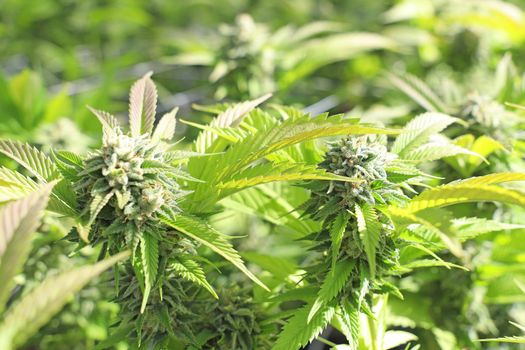 Photo: Cannafornia / Pexels
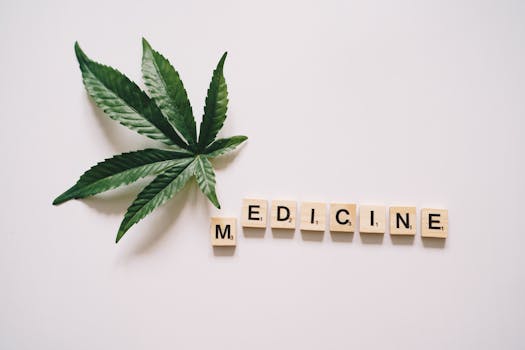 Photo: Alesia Kozik / Pexels
 Photo: Dad Grass / Pexels
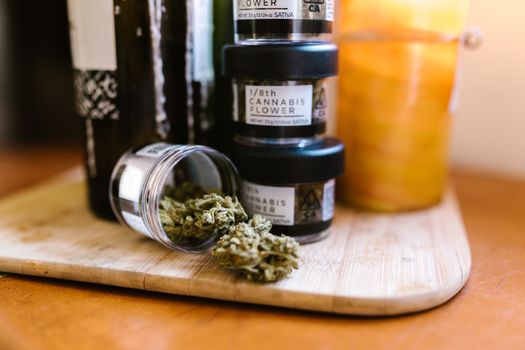 Photo: RDNE Stock project / Pexels