✓ The legal age for recreational cannabis in California is 21 years old.
✓ Individuals aged 18-20 can access medical cannabis with a valid doctor's recommendation.
✓ Possession limits apply to both recreational and medical users.
✓ Consumption in public places or while driving is strictly prohibited.
How It Works
1
Verify Your Age
Ensure you are at least 21 years old for recreational use, or 18 with a medical recommendation. Valid government-issued ID is required for purchase.
2
Locate Licensed Dispensaries
Only purchase cannabis from state-licensed dispensaries. Look for official licensing information displayed prominently in-store or online.
3
Understand Purchase Limits
Familiarize yourself with the daily purchase limits for cannabis flower, concentrates, and edibles. These limits are strictly enforced.
4
Comply with Consumption Rules
Consume cannabis responsibly and legally. Avoid public consumption, driving under the influence, and transporting across state lines.
The Foundation: Recreational Cannabis Laws in California
Photo: Pavel Danilyuk / Pexels
California, a pioneer in cannabis reform, legalized recreational cannabis for adult use with Proposition 64, the Adult Use of Marijuana Act (AUMA), in 2016. This landmark legislation fundamentally reshaped the landscape of cannabis laws in the state, establishing a regulated market for cultivation, distribution, and sale. Central to this framework is the legal age requirement: individuals must be 21 years of age or older to purchase, possess, or consume recreational cannabis. This age limit aligns with the legal drinking age for alcohol, reflecting a legislative approach to regulate substances with similar public health and safety considerations.
Understanding this foundational age limit is crucial for anyone residing in or visiting California. It dictates who can walk into a licensed dispensary, who can legally possess cannabis products, and who can partake in its consumption without facing legal repercussions. The law is explicit: showing a valid government-issued identification proving age 21 or older is a non-negotiable requirement for any transaction involving recreational cannabis. Dispensaries are mandated to verify age meticulously, and failure to do so can result in severe penalties for the business. This strict enforcement is designed to prevent underage access and maintain the integrity of the regulated market.
Beyond just purchasing, the 21-and-over rule extends to possession and consumption. This means that even if someone over 21 purchases cannabis, they cannot legally furnish it to someone under 21. Likewise, individuals under 21 found in possession of recreational cannabis can face fines and other legal consequences, similar to underage alcohol possession. The intent behind this age restriction is multi-faceted, aiming to protect developing brains from potential adverse effects of cannabis, reduce youth access, and align California's regulations with federal guidelines, even though federal law still classifies cannabis as illegal. Navigating these rules requires a clear understanding of what constitutes recreational use and how it differs from medical use, which has a distinct set of age-related provisions. The distinction is not merely semantic; it carries significant legal weight and defines the pathways for legal access. This initial understanding of the 21+ rule for recreational cannabis sets the stage for exploring the nuances of medical cannabis, which offers a different access point for a younger demographic under specific conditions. It's a critical starting point for anyone seeking to understand the legalities surrounding cannabis use in the Golden State. The state has invested heavily in creating a robust regulatory framework, including track-and-trace systems, to ensure compliance across the supply chain, from seed to sale. This comprehensive approach underscores the seriousness with which California treats its cannabis market, prioritizing public safety and responsible adult use.
Medical Cannabis: Age Exceptions and Requirements in California
Photo: Cannafornia / Pexels
While recreational cannabis is strictly reserved for adults aged 21 and over, California's medical cannabis program offers a crucial exception, allowing individuals aged 18 to 20 to access cannabis for therapeutic purposes. This distinction highlights the state's recognition of cannabis as a legitimate medicine, providing a pathway for younger patients with qualifying conditions to obtain relief. The Compassionate Use Act of 1996 (Proposition 215) initially established the legal framework for medical cannabis, and subsequent legislation, particularly the Medical Cannabis Regulation and Safety Act (MCRSA) and Proposition 64, further refined and integrated the medical program within the broader regulatory structure.
For an individual between 18 and 20 years old to legally access medical cannabis, they must first obtain a valid physician's recommendation. This recommendation must come from a licensed California physician who has conducted a bona fide medical examination and determined that the patient has a qualifying medical condition for which cannabis may provide therapeutic benefit. Qualifying conditions typically include, but are not limited to, chronic pain, cancer, AIDS, glaucoma, spasticity, and other debilitating conditions. The physician's recommendation is the cornerstone of medical cannabis access for this age group, serving as the legal document that permits them to purchase and possess cannabis products.
Once a recommendation is secured, patients in this age bracket can then register for a Medical Marijuana Identification Card (MMIC) through their county's health department, though this is optional. While an MMIC provides additional legal protection and can exempt patients from sales and use taxes on medical cannabis purchases, the physician's recommendation itself is sufficient for legal access to licensed medical dispensaries. These dispensaries are distinct from recreational-only retailers and are specifically authorized to serve medical patients, including those aged 18-20. They are required to verify both the patient's age and their valid medical recommendation before dispensing products.
It's important to note that even with a medical recommendation, specific rules and possession limits still apply. While medical patients often have higher possession limits than recreational users, these limits are not boundless. Additionally, consumption rules, such as prohibitions against public use or driving under the influence, remain in effect for medical patients just as they do for recreational users. The intent behind allowing younger access for medical purposes is solely to facilitate therapeutic treatment, not to enable recreational use for those under 21. This dual-track system underscores California's nuanced approach to cannabis regulation, balancing public health concerns with patient access to medicine. Understanding these specific requirements is paramount for anyone aged 18-20 considering medical cannabis in California, ensuring they remain compliant with state law.
Navigating Possession Limits and Public Consumption Rules
Beyond the legal age for cannabis in California, understanding the regulations surrounding possession limits and public consumption is critical for staying compliant with state law. These rules apply to both recreational users (21+) and medical patients (18+), albeit with some distinctions, and are designed to promote responsible use and public safety. For recreational users, the law generally permits individuals aged 21 and over to possess up to 28.5 grams (one ounce) of dried cannabis flower or up to 8 grams of concentrated cannabis. This limit is per person, not per household, and applies to the total amount an individual can have on their person or in their private residence at any given time. Exceeding these limits without proper licensing can lead to fines and other legal penalties, ranging from infractions to misdemeanors depending on the quantity.
Medical cannabis patients, especially those with a valid MMIC or doctor's recommendation, often benefit from higher possession limits. While the standard recreational limit applies by default, a physician can recommend a larger quantity if it is deemed medically necessary for the patient's condition. This flexibility acknowledges the varying needs of patients, some of whom may require more cannabis for their treatment. However, even for medical patients, there are still limits, and these must be justified by the physician's recommendation. It's crucial for medical patients to carry their recommendation or MMIC when possessing larger quantities to demonstrate their legal right to do so. Understanding cannabis possession limits helps avoid legal issues.
Public consumption is another area with strict regulations. Regardless of age or medical status, consuming cannabis in public places is generally prohibited throughout California. This includes parks, sidewalks, restaurants, bars, and any other area accessible to the public. The rationale behind this rule is to prevent secondhand exposure, maintain public order, and avoid normalizing cannabis use in front of minors. Violations typically result in fines, similar to public alcohol consumption. Additionally, smoking or vaping cannabis is prohibited anywhere tobacco smoking is banned, including within 1,000 feet of a school, daycare center, or youth center while children are present.
Consumption in vehicles is also strictly forbidden. It is illegal to smoke or ingest cannabis while driving or riding as a passenger in a vehicle. Open containers of cannabis are also not allowed in the passenger compartment of a vehicle, similar to open container laws for alcohol. Cannabis must be stored in a sealed container or in the trunk of the vehicle while in transit. Driving under the influence of cannabis is a serious offense, carrying penalties similar to driving under the influence of alcohol, including fines, license suspension, and potential jail time. These comprehensive rules underscore California's commitment to regulating cannabis in a manner that balances individual freedom with public health and safety.
Common Mistakes and Best Practices for Cannabis Users in California
Navigating California's cannabis laws, even with a clear understanding of the legal age, can still present challenges. Many users, both new and experienced, inadvertently fall into common pitfalls that can lead to legal issues. Avoiding these mistakes and adopting best practices is essential for a safe and compliant cannabis experience in the Golden State.
One of the most frequent mistakes is purchasing cannabis from unlicensed sources. The lure of lower prices or convenience can be strong, but buying from unregulated dealers or storefronts carries significant risks. Unlicensed products are not subject to the rigorous testing and quality control mandates of the state, meaning they could contain harmful pesticides, heavy metals, or inaccurately labeled potencies. Always verify that a dispensary is licensed by checking for its state license number, usually displayed prominently.
Another common error is misunderstanding consumption rules. While private residences are generally acceptable for consumption, not all landlords or property owners permit it. Renters should always check their lease agreements for specific clauses regarding cannabis use on the property. Furthermore, attempting to consume cannabis in public, even discreetly, can lead to fines. Best practice dictates consuming in a private space where it is explicitly permitted.
Transporting cannabis across state lines, even to other states where cannabis is legal, is a federal offense. Despite California's progressive laws, federal law still prohibits cannabis, making interstate transport illegal. This applies even if you're flying out of a California airport; TSA's primary focus is security, but they will refer cannabis findings to local law enforcement.
Here are some best practices to ensure compliance and safety:
* **Always carry valid ID:** Be prepared to show government-issued identification proving your age at dispensaries and if questioned by law enforcement.
* **Know your limits:** Be aware of the legal possession limits for flower and concentrates and do not exceed them. Medical patients should also know their specific recommended limits.
* **Store securely:** Keep cannabis products out of reach of minors and pets, ideally in child-resistant packaging.
* **Educate yourself on products:** Understand the potency and effects of different cannabis products, especially edibles, which can have delayed and more intense effects. Start with a low dose and go slow.
* **Do not drive impaired:** Never operate a vehicle under the influence of cannabis. Designate a sober driver or use ride-sharing services.
* **Stay informed:** Cannabis laws can evolve. Regularly check official California government websites (e.g., Department of Cannabis Control) for updates to regulations.
By adhering to these guidelines, individuals can enjoy cannabis legally and responsibly within California's established framework, contributing to a safer and more informed cannabis community.
Comparison
Feature
Recreational (Adult Use)
Medical (Patient Use)
Under 18 Access
Legal Age
21+
18+ (with recommendation)
No (unless designated caregiver)
Primary Purpose
General enjoyment, wellness
Therapeutic treatment
Strictly caregiver-managed
Purchase Limit (Flower)
28.5g
Generally 8oz (with recommendation)
N/A (caregiver purchases)
Purchase Limit (Concentrates)
8g
Generally 8g (with recommendation)
N/A (caregiver purchases)
Doctor's Recommendation
✗
✓
✓ (for patient, caregiver manages)
MMIC Benefit
✗
✓ (optional, tax exemption)
✓ (for patient, caregiver manages)
Public Consumption
✗
✗
✗
Driving Under Influence
✗
✗
✗
What Readers Say
★★★★★
"This article clarified so much about the legal age for cannabis in California. I was confused about the medical vs. recreational age, and now I feel confident navigating dispensaries. Extremely helpful for a newcomer!"
Sarah J. · Los Angeles, CA
★★★★★
"As someone who just turned 21, I needed clear information on what I could and couldn't do. This guide on the legal age for cannabis in California was comprehensive and easy to understand. Highly recommend!"
Mark D. · San Francisco, CA
★★★★★
"My friend who is 20 needed medical cannabis, and this article perfectly explained the process for obtaining a recommendation and purchasing. It saved us a lot of guesswork and potential legal issues."
Emily R. · San Diego, CA
★★★★★
"The information on possession limits and public consumption was very detailed. While I knew the basics, the nuances around vehicle transport and unlicensed sources were particularly valuable. Good read."
David L. · Sacramento, CA
★★★★★
"I'm a caregiver for my younger sibling, and understanding the legal age for medical cannabis in California and how to manage purchases was critical. This article provided all the necessary details clearly."
Jessica M. · Oakland, CA
Frequently Asked Questions
What is the absolute minimum legal age for cannabis in California?
The absolute minimum legal age for cannabis in California is 18 years old, but only for medical cannabis use with a valid physician's recommendation. For recreational cannabis, the legal age is strictly 21 years old.
Can I consume cannabis in public if I am over the legal age in California?
No, consuming cannabis in public places is illegal in California, regardless of your age or medical status. This includes sidewalks, parks, restaurants, and other areas accessible to the public. Violations can result in fines.
How do I prove my age to purchase cannabis in California?
You must present a valid, government-issued identification card that clearly shows your date of birth, such as a driver's license, state ID card, or passport. Dispensaries are legally required to verify your age before any purchase.
Are there different possession limits for recreational vs. medical cannabis users in California?
Yes, there are. Recreational users (21+) are generally limited to 28.5 grams of dried cannabis or 8 grams of concentrate. Medical cannabis patients (18+) with a valid recommendation may possess higher amounts if deemed medically necessary by their physician.
Is the legal age for cannabis in California the same as for alcohol?
For recreational use, yes, the legal age for cannabis in California is 21, mirroring the legal drinking age for alcohol. However, for medical cannabis, individuals aged 18-20 can access it with a doctor's recommendation, unlike alcohol.
Who should be most concerned about the legal age for cannabis in California?
Individuals between the ages of 18 and 20 should be most concerned, as they fall into a specific category where recreational cannabis is illegal but medical cannabis is accessible under strict conditions. Anyone considering cannabis use or purchase should understand these age requirements to avoid legal issues.
What are the risks of consuming cannabis if you are under the legal age in California?
Consuming cannabis under the legal age (21 for recreational, 18 for medical) can lead to legal penalties, including fines, community service, and potential impacts on future educational or employment opportunities. It also carries potential health risks for developing brains.
How might the legal age for cannabis in California evolve in the future?
While the legal age for recreational cannabis (21) is unlikely to change soon, there could be future legislative adjustments regarding medical cannabis access or caregiver roles for minors. Ongoing research into cannabis effects and public health considerations may also influence future regulations.
Understanding the legal age for cannabis in California is your first step towards responsible and compliant use. Ensure you're informed about all state regulations to enjoy the benefits of cannabis legally and safely. For more detailed information and updates, consult official California government resources.

 Photo: Pavel Danilyuk / Pexels
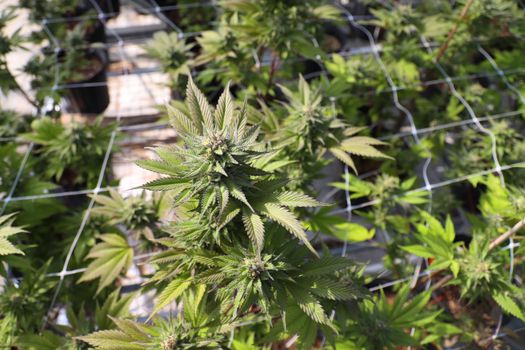 Photo: Cannafornia / Pexels