Navigating Legal Cannabis Consumption Laws California
legal cannabis consumption laws California

Navigating Legal Cannabis Consumption Laws California

Your definitive guide to understanding and complying with California's evolving cannabis regulations.

Understand Your Rights

Key Takeaways

  • ✓ Adults 21+ can legally possess and consume cannabis.
  • ✓ Public consumption of cannabis is generally prohibited.
  • ✓ Driving under the influence of cannabis is illegal and carries severe penalties.
  • ✓ Cultivation of up to six plants per residence is permitted for personal use.

How It Works

1
Understand Age Restrictions

Ensure you are 21 years or older to legally purchase, possess, or consume cannabis in California. Valid identification is required for all transactions.

2
Know Possession Limits

Familiarize yourself with the maximum amounts of cannabis flower, concentrates, and edibles you can legally possess at any given time. Exceeding these limits can lead to legal consequences.

3
Identify Consumption Zones

Learn where cannabis consumption is permitted and, more importantly, where it is strictly prohibited, such as in public places, schools, and federal lands. Private residences are generally safe.

4
Comply with Transportation Rules

Understand how to legally transport cannabis in your vehicle, typically requiring it to be in a sealed container and out of reach of the driver or passengers. Never consume while driving.

The Evolution of Legal Cannabis Consumption Laws in California
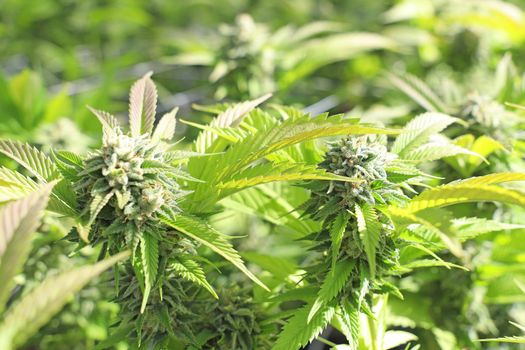
Vibrant close-up of cannabis plants in a sunny California field, showcasing lush leaves and buds. Photo: Cannafornia / Pexels
California has long been at the forefront of cannabis reform in the United States. The journey began in 1996 with Proposition 215, the Compassionate Use Act, which legalized medical cannabis for patients with a doctor's recommendation. This landmark legislation paved the way for a regulated medical cannabis industry, setting a precedent for other states to follow. For two decades, medical cannabis operated under a somewhat loosely defined framework, leading to various local regulations and interpretations. The landscape dramatically shifted in 2016 with the passage of Proposition 64, the Adult Use of Marijuana Act (AUMA). This monumental initiative legalized recreational cannabis for adults 21 years and older, fundamentally transforming California's cannabis market. AUMA not only allowed for adult-use but also established a comprehensive regulatory system for cultivation, manufacturing, testing, distribution, and retail sales. It introduced strict licensing requirements, product safety standards, and taxation policies aimed at generating revenue for the state and local communities. The intent was to move cannabis from the black market into a safe, regulated environment. The implementation of AUMA was a complex process, requiring the creation of new state agencies and the development of intricate regulations. The Bureau of Cannabis Control (BCC), now part of the Department of Cannabis Control (DCC), was established to oversee licensing and enforcement for the retail, distribution, and testing sectors. Other agencies like the California Department of Food and Agriculture (CDFA) and the California Department of Public Health (CDPH) were tasked with regulating cultivation and manufacturing, respectively. This multi-agency approach was designed to ensure robust oversight across the entire supply chain. Understanding these foundational laws is crucial for anyone engaging with cannabis in California. The transition from a medical-only market to a dual medical and adult-use market presented unique challenges, including integrating existing medical dispensaries into the new regulatory framework and ensuring a smooth transition for patients. The state continues to refine these laws, addressing issues such as equity, market access, and environmental sustainability. Staying informed about these historical and ongoing changes is key to navigating the legal cannabis landscape in California responsibly and effectively. The state's commitment to a regulated market means constant adjustments, making it imperative for consumers and businesses alike to remain updated on the latest legal developments and guidelines.

Where Can You Legally Consume Cannabis in California?
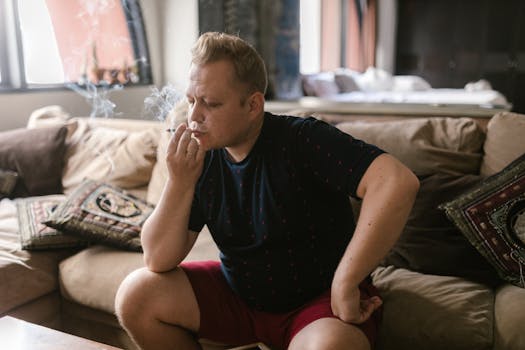
Adult man sitting indoors, smoking a joint, in a relaxed setting. Photo: RDNE Stock project / Pexels
One of the most common questions surrounding legal cannabis consumption in California revolves around where it's actually permitted. While adult-use cannabis is legal, it's crucial to understand that consumption is not allowed everywhere. The general rule of thumb is that you cannot consume cannabis in public places. This includes, but is not limited to, sidewalks, parks, beaches, restaurants, bars, and any venue open to the public. The logic behind this restriction is similar to that of alcohol consumption, which is also generally prohibited in public spaces. Furthermore, it is illegal to consume cannabis in places where tobacco smoking is prohibited, which covers a vast array of indoor and outdoor public areas. This broad prohibition extends to federal lands, including national parks, national forests, and other federally owned properties, even if they are located within California. Federal law still classifies cannabis as an illegal Schedule I drug, and federal law supersedes state law on federal land. Therefore, consuming or possessing cannabis on federal property can lead to federal charges, which are often more severe than state-level offenses. The safest and most legally compliant place to consume cannabis is in a private residence, assuming the property owner permits it. If you are renting, it is essential to check your lease agreement, as landlords have the right to prohibit cannabis consumption on their property. This applies to both smoking and other forms of consumption, such as vaping or edibles. Some cities and counties in California have begun to allow for designated cannabis consumption lounges or cafes. These are licensed establishments specifically designed for on-site cannabis consumption. However, these are still relatively rare and operate under strict local and state regulations. Before visiting one, it's advisable to verify its legality and operating hours. Always be aware of your surroundings and exercise discretion. Even if you are in a private space where consumption is allowed, consider how your actions might affect neighbors or others nearby. The smell of cannabis can be a point of contention, and being considerate can help prevent unnecessary disputes. Understanding these location-based restrictions is paramount to avoiding legal issues and enjoying cannabis responsibly within California's legal framework. Always prioritize private, designated spaces over public areas for consumption.

Possession Limits, Transportation Rules, and Cultivation Rights

A cannabis leaf with the word 'cannabis' spelled out in letter tiles on a beige background. Photo: Alesia Kozik / Pexels
Beyond where you can consume, understanding the legal limits for possession, the rules for transportation, and your rights regarding home cultivation are equally critical aspects of legal cannabis consumption laws California. For adults aged 21 and over, the state permits the possession of up to 28.5 grams (one ounce) of non-concentrated cannabis, such as flower. When it comes to concentrated cannabis, like oils, waxes, or edibles, the limit is 8 grams. These limits apply to both medical and recreational users, though medical patients with a physician's recommendation may possess higher amounts if specified by their doctor and if it's deemed medically necessary. Exceeding these possession limits can lead to fines or even more serious legal consequences, depending on the quantity. Transportation of cannabis also comes with specific regulations designed to prevent impaired driving and ensure public safety. When transporting cannabis in a vehicle, it must be in a sealed container and kept out of reach of the driver or passengers. This generally means placing it in the trunk of your car or in a locked glove compartment. It is strictly illegal to consume cannabis in a vehicle, whether you are the driver or a passenger, and open containers of cannabis are treated similarly to open containers of alcohol. Driving under the influence of cannabis (DUIC) is a serious offense, carrying penalties comparable to those for driving under the influence of alcohol, including fines, license suspension, and potential jail time. Law enforcement officers are trained to recognize signs of impairment, and DUI checkpoints may include tests for cannabis. It's vital to never drive after consuming cannabis, as impairment can significantly affect your judgment and reaction time. California law also grants adults the right to cultivate cannabis for personal use. You can grow up to six cannabis plants per private residence, regardless of the number of adults living there. These plants must be kept out of public view and secured to prevent unauthorized access, especially by minors. Local jurisdictions may also impose additional reasonable regulations on personal cultivation, such as requirements for indoor growing or specific security measures. It's always a good idea to check with your local city or county ordinances to ensure full compliance. For medical patients, additional cultivation allowances might be available if specified by a doctor. Adhering to these possession, transportation, and cultivation guidelines is essential for responsible and legal cannabis use in California. Ignorance of the law is not an excuse, and understanding these rules helps ensure you remain within the bounds of what is permitted. For more detailed information on specific products, check out this guide on cannabis product types.

Common Pitfalls and Best Practices for Cannabis Consumers in CA

A cannabis leaf with the word 'cannabis' spelled out in letter tiles on a beige background. Photo: Alesia Kozik / Pexels
Even with clear laws, many cannabis consumers in California still fall into common pitfalls. Avoiding these can save you from legal trouble and ensure a smoother experience. Here are some key mistakes to avoid and best practices to adopt: * **Mistake 1: Consuming in Public View.** This is perhaps the most frequent violation. Many assume that because cannabis is legal, they can consume it openly. However, public consumption is largely illegal. Avoid consuming in parks, on streets, or even in plain sight on your porch if it's visible from a public area. * **Mistake 2: Driving Under the Influence.** Never operate a vehicle after consuming cannabis. Even if you feel fine, your judgment and reaction time can be impaired. Law enforcement is vigilant, and DUI charges for cannabis are as severe as for alcohol. * **Mistake 3: Exceeding Possession Limits.** Always be aware of the 28.5 grams of flower and 8 grams of concentrate limits. Carrying more than this, especially in public, can lead to charges. * **Mistake 4: Purchasing from Unlicensed Sources.** The black market still exists. Always buy cannabis from state-licensed dispensaries. Unlicensed products are unregulated, may contain harmful contaminants, and purchasing them supports illegal activities. * **Mistake 5: Transporting Improperly.** Cannabis in your car must be in a sealed container and out of reach. An open bag or joint in the center console is a violation. Here are some best practices: * **Always Carry ID:** Even if you look over 21, dispensaries will card you. Always have valid government-issued identification ready. * **Know Your Local Laws:** While state law provides a baseline, local municipalities can enact stricter rules regarding consumption and cultivation. Check your city or county's specific ordinances. * **Store Safely:** Keep cannabis out of reach of children and pets. Use child-resistant packaging and store it in a secure location. * **Be a Good Neighbor:** If consuming at home, be mindful of odors that might disturb neighbors, especially if you live in apartments or close-knit communities. * **Educate Yourself:** Stay updated on changes to California's cannabis laws. Regulations can evolve, and being informed is your best defense against accidental violations. By following these best practices and avoiding common mistakes, you can responsibly and legally enjoy cannabis in California.

Comparison

FeatureAdult-Use (Recreational)Medical CannabisFederal Law
Age Requirement21+18+ with physician recommendationIllegal for all ages
Possession Limit (Flower)28.5g (1oz)28.5g (1oz) or more if medically necessary0g (illegal)
Cultivation Limit (Home)Up to 6 plants per residenceUp to 6 plants per residence or more if medically necessary0 plants (illegal)
Public Consumption
Purchase SourceLicensed dispensariesLicensed dispensariesN/A

What Readers Say

"This guide clarified so many questions I had about legal cannabis consumption laws in California. I feel much more confident about where and how I can legally enjoy my cannabis without issues. Super helpful!"

Sarah J. · Los Angeles, CA

"As a new resident, I was confused by the nuances of CA cannabis laws. This article broke down possession limits and public consumption rules perfectly. A must-read for anyone in the state."

Mark D. · San Francisco, CA

"After reading this, I finally understood the distinction between state and federal land regarding cannabis. This insight prevented me from making a costly mistake during my national park visit."

Emily R. · San Diego, CA

"The article is very thorough, though I wish there was more on specific local city ordinances. Still, it provides an excellent general overview and highlights crucial aspects of legal cannabis consumption laws in California."

Carlos V. · Sacramento, CA

"I appreciate the detailed section on transportation rules. As someone who travels with cannabis, knowing exactly how to store it in my car has been incredibly reassuring. Great job!"

Jessica L. · Oakland, CA

Frequently Asked Questions

Can I smoke cannabis anywhere tobacco smoking is allowed in California?

No, generally you cannot. While tobacco smoking is restricted in many public places, cannabis consumption is even more limited. It is illegal to smoke or consume cannabis in any public place, including areas where tobacco smoking might be permitted. The safest place to consume is a private residence where it is allowed.

What happens if I'm caught consuming cannabis in public?

Consuming cannabis in public is typically an infraction, which can result in a fine. The exact amount of the fine can vary by jurisdiction. Repeated offenses or consumption in sensitive areas (like near schools) could lead to more severe penalties.

How should I transport cannabis in my car to stay legal?

When transporting cannabis in your vehicle, it must be in a sealed container and kept out of reach of the driver and passengers. Placing it in the trunk or a locked glove compartment is recommended. Do not consume cannabis while driving or as a passenger in a vehicle.

Are there any licensed cannabis consumption lounges in California?

Yes, some cities and counties in California have begun to license and permit cannabis consumption lounges or cafes. However, these are still relatively rare and operate under strict local and state regulations. It's best to check local listings and verify legality before visiting.

Is it legal to cross state lines with cannabis from California?

No, it is illegal to transport cannabis across state lines, even if both states have legalized cannabis. Cannabis remains federally illegal, and crossing state borders falls under federal jurisdiction. This applies to both driving and flying.

Who is responsible for regulating cannabis in California?

The California Department of Cannabis Control (DCC) is the primary state agency responsible for licensing and regulating all commercial cannabis activity in California, including cultivation, manufacturing, distribution, and retail sales. Local jurisdictions also have a significant role in setting local ordinances.

What are the risks of buying cannabis from an unlicensed source?

Purchasing cannabis from unlicensed sources carries significant risks. Unlicensed products are not subject to state-mandated testing for pesticides, heavy metals, and other contaminants, posing health risks. Additionally, buying from the black market supports illegal activities and can lead to legal issues for the consumer.

Will cannabis laws in California change in the future?

Cannabis laws in California are dynamic and continue to evolve. The state consistently refines regulations to address market needs, public safety, and equity concerns. Staying informed through official state resources like the DCC website is the best way to keep up with future changes.

Understanding the legal cannabis consumption laws in California is paramount for responsible and safe enjoyment. This comprehensive guide empowers you with the knowledge to navigate the Golden State's cannabis landscape legally and confidently. Stay informed, stay compliant, and make the most of California's progressive cannabis policies.

Topics: legal cannabis consumption laws CaliforniaCalifornia cannabis regulationsmarijuana laws CApublic consumption cannabiscannabis possession limits California
Leo List

IE Escorts NO Escorts US Escorts NZ Escorts AU Escorts
Brampton weed
Adultwork EstrelaBet Vai de Bet R7 Bet Betão Galera Bet Rainbet Bet9ja Shop SportyBet BetKing Sisal Loto Foot Hollywoodbets YesPlay Odibets RushBet Jugabet BetWarrior BetCity MSport betPawa Fortebet