✓ Adults 21+ can possess up to 1 ounce (28.5 grams) of non-concentrated cannabis.
✓ Adults 21+ can cultivate up to 6 cannabis plants per residence, indoors or outdoors.
✓ Medical patients with a valid recommendation have higher possession and cultivation limits.
✓ Public consumption of cannabis remains illegal in most areas.
✓ Driving under the influence of cannabis is strictly prohibited and carries severe penalties.
How It Works
1
Understand Personal Possession Limits
Familiarize yourself with the maximum amount of cannabis flower, concentrates, and edibles you can legally carry. These limits differ for recreational users and medical patients.
2
Know Cultivation Regulations
Learn about the number of plants you can grow at home and specific requirements for indoor vs. outdoor cultivation. Ensure your grow space is secure and not visible to the public.
3
Identify Consumption Restrictions
Be aware of where you can and cannot legally consume cannabis. Public consumption, even in permitted areas, has specific rules, and smoking near schools or in vehicles is always prohibited.
4
Stay Informed on Purchase Rules
Understand the daily purchase limits from licensed dispensaries. Dispensaries track sales to ensure customers do not exceed these limits, which apply to both flower and concentrates.
Understanding Recreational Cannabis Limits in California
Photo: RDNE Stock project / Pexels
California's journey into legal recreational cannabis began with Proposition 64, the Adult Use of Marijuana Act (AUMA), passed in 2016. This landmark legislation fundamentally reshaped the landscape of cannabis consumption, possession, and cultivation for adults aged 21 and over. Before AUMA, cannabis was largely relegated to the medical sphere, with a patchwork of regulations that often led to confusion and inconsistency. The new law aimed to create a robust, regulated market while also ensuring public safety and generating tax revenue for the state. For the average consumer, understanding the precise legal cannabis limits California imposes is paramount to staying compliant and avoiding potential legal repercussions.
At its core, Proposition 64 permits adults 21 years of age or older to possess up to 28.5 grams (approximately one ounce) of non-concentrated cannabis. This includes cannabis flower, pre-rolls, and other products that are not extracted. For cannabis concentrates, such as oils, waxes, and edibles, the limit is set at 8 grams. It’s crucial to distinguish between these two categories, as exceeding either limit, even if the total combined weight is under the flower limit, can still lead to legal issues. These limits are designed to allow for personal use without facilitating large-scale illicit distribution. The law also makes provisions for cannabis products, which are typically measured by their THC content rather than their weight. For instance, edibles usually come in standard doses, and the total THC content within an edible package must also adhere to specific regulations, generally not exceeding 100mg of THC per package, with individual servings capped at 10mg.
Beyond possession, the law also delineates specific rules for cultivation. Adults are permitted to cultivate up to six cannabis plants per private residence. This limit applies regardless of the number of adults living at the residence; it's a per-residence limit, not a per-person limit. The plants must be grown in a secure, enclosed space that is not visible from a public place. This could be indoors, in a greenhouse, or in a securely fenced backyard. The intent behind this regulation is to allow individuals to grow enough for personal use without encouraging commercial-scale operations outside the licensed system. These cultivation rules are often subject to local ordinances, which can impose additional restrictions, such as requiring plants to be grown indoors only, or mandating specific permits. Therefore, it's always advisable to check with your local city or county government for any supplementary cannabis regulations that might apply in your specific area. Understanding these nuances is key to navigating the legal cannabis landscape in California responsibly.
Navigating Medical Cannabis Limits and Patient Rights
Photo: RDNE Stock project / Pexels
While recreational cannabis has gained widespread acceptance, California has a long history with medical cannabis, dating back to 1996 with the passage of Proposition 215, the Compassionate Use Act (CUA). This act legalized medical marijuana for seriously ill Californians, laying the groundwork for the state's pioneering role in cannabis reform. Subsequent legislation, including the Medical Cannabis Regulation and Safety Act (MCRSA) and eventually the Medicinal and Adult-Use Cannabis Regulation and Safety Act (MAUCRSA), further refined the medical cannabis program. For registered medical cannabis patients, the legal cannabis limits California sets are generally more lenient than those for recreational users, acknowledging their specific health needs.
Medical cannabis patients, who possess a valid physician's recommendation and often a state-issued Medical Marijuana Identification Card (MMIC), are permitted to possess greater quantities of cannabis. The standard state limit for medical patients is 8 ounces of dried cannabis. This significantly higher limit is intended to ensure patients have an adequate supply for their ongoing treatment without needing frequent dispensary visits. However, a patient's physician can recommend a higher amount if medically necessary, and this recommendation should be documented. This flexibility is a critical component of the medical program, recognizing the diverse needs of patients with various conditions. It's important for patients to carry their physician's recommendation or MMIC when possessing these higher quantities to avoid any misunderstanding with law enforcement.
Cultivation limits also differ for medical patients. While recreational users are limited to six plants per residence, medical patients are allowed to cultivate a quantity of cannabis consistent with their medical needs. This is often interpreted as up to 12 immature plants or 6 mature plants, but this can be expanded if a physician explicitly states a higher number is required for the patient's condition. Again, these plants must be grown in a secure, private location. Local jurisdictions, however, can impose reasonable regulations on medical cannabis cultivation, such as requiring specific setbacks from property lines or mandating indoor cultivation. Patients should always consult local municipal codes to ensure full compliance. The MMIC program, while not mandatory, offers additional legal protections and can be beneficial when interacting with law enforcement or accessing certain dispensaries. Understanding these enhanced rights and responsibilities is vital for medical cannabis patients to fully leverage their legal access to medical marijuana in California.
Where Can You Legally Consume Cannabis in California?
Photo: Kampus Production / Pexels
While California has legalized both recreational and medical cannabis, the right to consume it is not absolute and comes with significant restrictions on location. Understanding where you can and cannot legally consume cannabis is just as important as knowing the possession limits. The primary rule to remember is that public consumption of cannabis remains largely illegal throughout California. This means you generally cannot smoke, vape, or consume edibles in public places such as parks, sidewalks, restaurants, bars, or any location where tobacco smoking is prohibited. This restriction extends to federal lands, including national parks, forests, and military bases, where cannabis remains entirely illegal, regardless of state law. Violating public consumption laws can result in fines and other penalties, so it's crucial to exercise discretion and adhere to these regulations.
The most common and generally accepted place for cannabis consumption is a private residence, assuming the property owner permits it. If you rent, it’s essential to check your lease agreement, as landlords have the right to prohibit cannabis use on their property. This applies to smoking, vaping, and even cultivation. Many apartment complexes, for example, have strict no-smoking policies that encompass cannabis. Furthermore, even within a private residence, cannabis consumption should not be conducted in a manner that creates a public nuisance or violates local ordinances. For instance, if the smell of cannabis smoke consistently drifts into a neighbor's property and causes a disturbance, it could still lead to issues.
California has also begun to permit licensed cannabis consumption lounges, particularly in cities like West Hollywood and San Francisco. These are specific, regulated venues where adults 21 and over can legally consume cannabis products purchased on-site. These lounges operate under strict state and local guidelines, often with limitations on the type of consumption (e.g., no smoking indoors, only edibles and vaping) and hours of operation. As the cannabis market matures, more of these lounges are expected to emerge, offering a social and legal alternative to private residence consumption. However, these are still relatively limited in number across the state. It is always illegal to consume cannabis while driving or riding as a passenger in a vehicle, and driving under the influence of cannabis is a serious offense with penalties comparable to DUI alcohol. Furthermore, it is illegal to consume cannabis within 1,000 feet of a school, daycare center, or youth center while children are present. Navigating these consumption rules requires careful attention to detail and respect for both state law and local community standards.
Common Mistakes to Avoid Regarding California Cannabis Laws
Photo: RDNE Stock project / Pexels
Navigating the complexities of legal cannabis limits California can be tricky, and many individuals, despite good intentions, inadvertently make mistakes that can lead to legal issues. Avoiding these common pitfalls is crucial for a compliant and enjoyable experience. Here are some key mistakes to watch out for:
* **Exceeding Possession Limits:** This is perhaps the most straightforward mistake. Always be mindful of the 28.5 grams of flower and 8 grams of concentrate limits for recreational users. Medical patients must also stick to their 8-ounce or physician-recommended limits. Carrying more than allowed, even slightly, can lead to misdemeanor charges.
* **Public Consumption:** As discussed, consuming cannabis in public is generally illegal. This includes parks, sidewalks, beaches, and even within view of the public on your own property if it creates a nuisance. Don't assume that because it's legal to possess, it's legal to consume anywhere.
* **Driving Under the Influence (DUI):** Driving while impaired by cannabis is illegal and carries severe penalties, including fines, license suspension, and even jail time. Law enforcement officers are trained to recognize impairment, and legal limits for THC in blood, while debated, are often used. If you're going to consume, don't drive. Designate a sober driver or use rideshare services.
* **Transporting Cannabis Across State Lines:** This is a federal offense, regardless of whether cannabis is legal in both states. Federal law still classifies cannabis as an illegal Schedule I drug, and crossing state borders with it, even for personal use, can lead to serious federal charges. Stick to consuming cannabis within California's borders.
* **Selling Without a License:** While personal cultivation is allowed, selling cannabis, even small amounts to friends, without a state-issued license is illegal and can result in significant legal consequences, including felony charges. All commercial sales must go through licensed dispensaries.
* **Ignoring Local Ordinances:** State law sets baseline regulations, but cities and counties often have their own specific rules regarding cannabis, especially concerning cultivation (e.g., indoor-only grows, specific setbacks) and dispensaries. Always check your local municipality's website for additional regulations.
* **Purchasing from Unlicensed Sources:** Buying cannabis from unlicensed street dealers or unregulated pop-up shops is illegal and risky. Unlicensed products are not tested for pesticides, heavy metals, or potency, posing health risks. Always purchase from licensed dispensaries that display their state license.
* **Consuming on Federal Property:** Federal law supersedes state law on federal lands. This includes national parks, national forests, federal buildings, and military bases. Possession or consumption of cannabis on these properties is illegal and can lead to federal charges.
By being aware of these common mistakes, individuals can better navigate the legal cannabis landscape in California and ensure they remain compliant with all applicable laws and regulations.
Comparison
Feature
Adult Use (21+)
Medical Patient (with MMIC)
Unlicensed Sale
Possession Limit (Flower)
1 oz (28.5g)
8 oz (226.8g) or more with doctor rec
✗ (Illegal)
Possession Limit (Concentrates)
8g
8g or more with doctor rec
✗ (Illegal)
Cultivation Limit (Plants)
6 per residence
Quantity consistent with medical need (typically 6-12)
✗ (Illegal)
Public Consumption
✗ (Illegal)
✗ (Illegal)
✗ (Illegal)
Purchase from Licensed Dispensary
✓
✓
✗ (Illegal)
Age Requirement
21+
18+ with doctor rec
✗ (Illegal)
What Readers Say
★★★★★
"This guide clarified so much about legal cannabis limits California. I always worried about my cultivation, but now I understand the 'per residence' rule perfectly and feel confident."
Sarah J. · Los Angeles, CA
★★★★★
"As a medical patient, the details on higher possession limits and doctor recommendations were incredibly helpful. It's reassuring to know my rights and how to prove them if needed."
Mark T. · San Francisco, CA
★★★★★
"The section on public consumption saved me from a potential fine! I used to think a discreet vape was fine anywhere, but now I stick to private spaces. Great, practical advice."
Emily R. · San Diego, CA
★★★★★
"Very comprehensive overview. While most of it was clear, a bit more on local city-specific nuances for cultivation permits would be a fantastic addition, but still highly recommend."
David L. · Oakland, CA
★★★★★
"I was confused about the difference between flower and concentrate limits. This article broke it down clearly, making my dispensary visits much smoother and compliant. Excellent resource!"
Jessica M. · Sacramento, CA
Frequently Asked Questions
What are the basic legal cannabis limits California for recreational users?
For adults aged 21 and over, the basic legal cannabis limits in California are 28.5 grams (1 ounce) of non-concentrated cannabis, such as flower, and 8 grams of concentrated cannabis, which includes oils, waxes, and edibles. These limits apply to personal possession and purchase from licensed dispensaries.
Can I grow cannabis at home in California?
Yes, adults 21 and over can cultivate up to six cannabis plants per private residence, regardless of the number of adults living there. These plants must be grown in a secure, enclosed space that is not visible from a public place. Medical patients may have higher cultivation limits based on their physician's recommendation.
Where is it legal to consume cannabis in California?
Cannabis consumption is generally legal in private residences, assuming the property owner permits it. Public consumption, including in parks, on sidewalks, or in vehicles, is largely illegal. Some cities have licensed cannabis consumption lounges where it is legal to consume on-site.
Are there different limits for medical cannabis patients in California?
Yes, medical cannabis patients with a valid physician's recommendation and/or a state-issued Medical Marijuana Identification Card (MMIC) generally have higher limits. They can possess up to 8 ounces of dried cannabis and cultivate a quantity consistent with their medical needs, which can exceed the recreational 6-plant limit.
Is it legal to transport cannabis across state lines from California?
No, it is strictly illegal to transport cannabis across state lines, even if cannabis is legal in both states. Cannabis remains a Schedule I controlled substance under federal law, and federal law governs interstate commerce. Violating this can lead to severe federal charges.
Who should be most concerned about understanding legal cannabis limits California?
Anyone who consumes, possesses, or cultivates cannabis in California should be deeply concerned with understanding these limits. This includes recreational users, medical patients, and even those who might be visiting the state. Ignorance of the law is not a valid defense.
What are the risks of exceeding legal cannabis limits or consuming publicly?
Exceeding possession limits or consuming cannabis in public can lead to fines, misdemeanor charges, and potential legal penalties. Driving under the influence of cannabis carries severe penalties similar to alcohol DUI. Federal offenses for interstate transport or use on federal land can result in much harsher sentences.
How might legal cannabis limits California evolve in the future?
California's cannabis laws are dynamic. Future changes could include adjustments to possession or cultivation limits, expansion of licensed consumption lounges, or further refinement of medical patient rights. Local jurisdictions may also continue to update their specific ordinances, reflecting evolving community needs and industry growth.
Mastering the legal cannabis limits California has established is not just about compliance; it's about responsible consumption and peace of mind. By staying informed and adhering to these regulations, you can confidently navigate the Golden State's cannabis landscape. Use this guide as your go-to resource for understanding your rights and responsibilities regarding legal cannabis limits California.

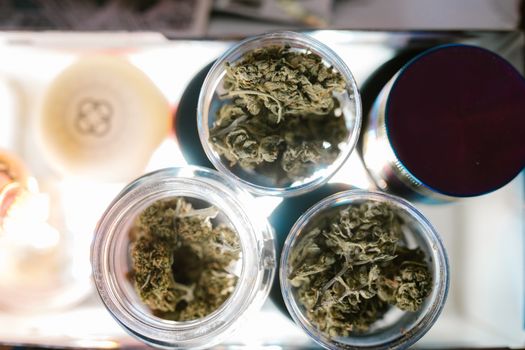 Photo: RDNE Stock project / Pexels
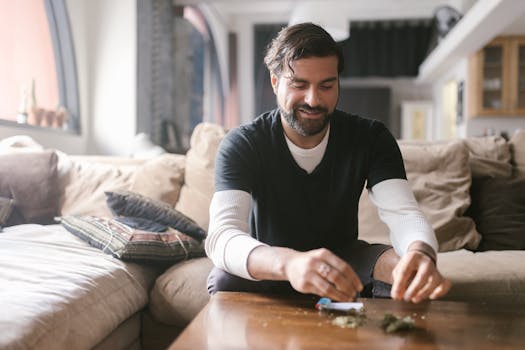 Photo: RDNE Stock project / Pexels
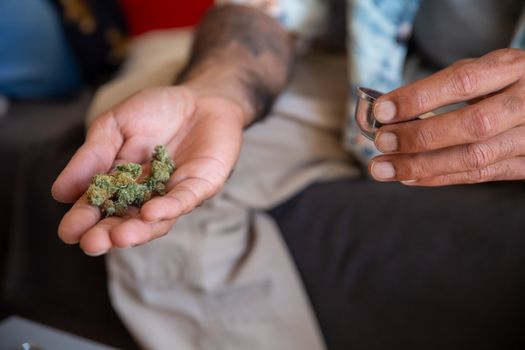 Photo: Kampus Production / Pexels
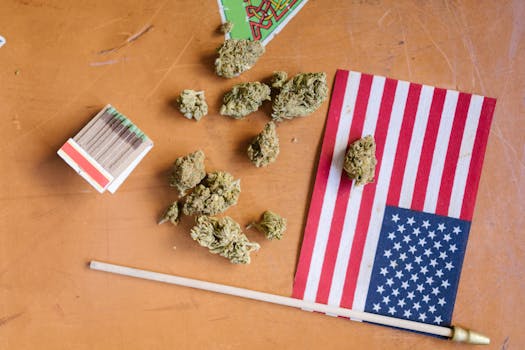 Photo: RDNE Stock project / Pexels