✓ Cannabinoids like CBD and THC interact with the body's endocannabinoid system to modulate mood and stress responses.
✓ Many anxiety sufferers in California report significant relief from symptoms with carefully chosen medical cannabis strains and products.
✓ Dosage and strain selection are crucial for maximizing medical cannabis benefits for anxiety and minimizing potential side effects.
✓ Consulting with a qualified medical professional is essential to determine if medical cannabis is appropriate for your anxiety management.
How It Works
1
Consult a Physician
Discuss your anxiety symptoms and medical history with a licensed California physician. They can assess if medical cannabis is a suitable treatment option for you.
2
Obtain a Recommendation
If deemed appropriate, your physician will provide a medical cannabis recommendation. This allows you to legally access regulated cannabis products in California.
3
Select Your Products
Work with dispensary staff or a cannabis consultant to choose strains and products (e.g., tinctures, edibles, vapes) tailored to your specific anxiety profile and desired effects.
4
Start Low, Go Slow
Begin with a very low dose and gradually increase it until you find the optimal balance for symptom relief. Monitor your body's response closely and adjust as needed.
Understanding Anxiety and the Endocannabinoid System's Role
Photo: RDNE Stock project / Pexels
Anxiety is a pervasive mental health condition affecting millions of individuals globally, characterized by feelings of worry, nervousness, or unease, typically about an event or something with an uncertain outcome. In California, where the pace of life can be demanding, anxiety disorders are a significant concern, impacting daily functioning, relationships, and overall quality of life. Traditional treatments include psychotherapy, medication, or a combination of both. However, a growing number of Californians are exploring alternative and complementary therapies, with medical cannabis emerging as a promising area of interest for its potential in managing anxiety symptoms. The human body possesses a complex regulatory system known as the endocannabinoid system (ECS). This intricate network of receptors (CB1 and CB2), endogenous cannabinoids (anandamide and 2-AG), and enzymes plays a crucial role in maintaining homeostasis, influencing a wide array of physiological processes including mood, stress response, sleep, appetite, and pain sensation. Research suggests that imbalances or dysregulation within the ECS can contribute to the development and exacerbation of anxiety disorders. For instance, lower levels of anandamide, often referred to as the 'bliss molecule,' have been linked to increased anxiety. The fascinating aspect of medical cannabis, particularly its active compounds like cannabinoids such as THC (tetrahydrocannabinol) and CBD (cannabidiol), is their ability to interact with the ECS. THC primarily binds to CB1 receptors, which are abundant in the brain regions associated with emotion, memory, and cognition, including the amygdala and hippocampus. This interaction can modulate neurotransmitter release, potentially leading to feelings of relaxation and euphoria at appropriate doses. Conversely, high doses of THC can sometimes induce anxiety, highlighting the importance of careful dosing and strain selection. CBD, on the other hand, does not directly bind to CB1 or CB2 receptors with high affinity but exerts its effects through multiple molecular pathways. It is believed to enhance the body's natural endocannabinoid tone, for example, by inhibiting the enzyme that breaks down anandamide, thereby increasing its levels. Furthermore, CBD interacts with serotonin receptors (5-HT1A), which are known targets for antidepressant and anxiolytic medications. This multifaceted action of CBD is thought to contribute to its non-intoxicating, anxiety-reducing properties. Understanding these intricate interactions between cannabinoids and the ECS is fundamental to appreciating the potential medical cannabis benefits for anxiety. It moves beyond anecdotal evidence to a scientific explanation of how cannabis can influence the neurobiology of anxiety. As more research emerges, particularly in the regulated environment of California, our understanding of these mechanisms will continue to deepen, allowing for more precise and effective therapeutic applications. Patients in California seeking relief from anxiety are increasingly looking to explore these pathways, guided by medical professionals who can help navigate the complexities of cannabinoid profiles and their effects on individual physiology. The science behind cannabis is continually evolving, revealing new insights into its therapeutic potential. The nuanced interplay of various cannabinoids and terpenes, known as the 'entourage effect,' further complicates and enriches this understanding, suggesting that the whole plant may offer greater benefits than isolated compounds.
Exploring Cannabinoid Profiles: THC, CBD, and the Entourage Effect for Anxiety
Photo: GB The Green Brand / Pexels
When considering medical cannabis benefits for anxiety, it's crucial to move beyond a simplistic view of 'marijuana' and delve into the specific cannabinoid profiles that contribute to its therapeutic effects. The two most well-known cannabinoids, THC and CBD, play distinct yet often complementary roles in modulating anxiety. THC, as the primary psychoactive compound in cannabis, is responsible for the 'high' sensation. At low doses, many individuals find THC to be anxiolytic, meaning it helps reduce anxiety. It can induce relaxation, promote sleep, and alleviate stress. This is often attributed to its interaction with CB1 receptors in the brain, which can downregulate overactive neural circuits associated with fear and worry. However, the dose-dependent nature of THC is paramount; higher doses can paradoxically trigger or exacerbate anxiety, paranoia, and even panic attacks in some individuals, particularly those predisposed to such reactions. This highlights the 'start low, go slow' mantra that is critical for anyone exploring cannabis for anxiety. CBD, or cannabidiol, has garnered significant attention for its non-intoxicating anxiolytic properties. Unlike THC, CBD does not produce a 'high' and is generally well-tolerated, even at higher doses. Its anxiety-reducing effects are thought to stem from its diverse pharmacological actions, including its interaction with serotonin receptors (5-HT1A), which are implicated in mood regulation. CBD may also mitigate some of the psychoactive effects of THC, making it a valuable component in balanced cannabis products designed for anxiety relief. For many, a balanced ratio of CBD to THC, such as 1:1 or even higher CBD-dominant ratios (e.g., 20:1 CBD:THC), offers the most effective anxiety management with minimal intoxicating side effects. Beyond THC and CBD, cannabis contains hundreds of other compounds, including minor cannabinoids (e.g., CBG, CBN, THCV) and terpenes. Terpenes are aromatic compounds responsible for the distinct scents and flavors of cannabis strains, but they also possess therapeutic properties. For example, myrcene is known for its sedative effects, limonene for mood elevation, and caryophyllene for its anti-inflammatory and anxiolytic potential. The 'entourage effect' is a theory suggesting that these various compounds work synergistically to enhance the overall therapeutic benefits of cannabis, while also potentially mitigating adverse effects. This means that a whole-plant extract, rich in a spectrum of cannabinoids and terpenes, might offer superior anxiety relief compared to isolated compounds. When selecting medical cannabis for anxiety in California, understanding these profiles is key. A patient might find that a high-CBD strain with a specific terpene profile (e.g., high in myrcene and limonene) is more effective for their anxiety than a high-THC strain. Conversely, some individuals might benefit from a low-dose THC product combined with CBD. The individualized nature of cannabis response necessitates careful experimentation and professional guidance to identify the most beneficial cannabinoid and terpene combination for managing anxiety symptoms effectively. The availability of diverse products in California's regulated market allows for this personalized approach, empowering patients to find their optimal relief.
Navigating Medical Cannabis Products and Dosage for Anxiety in California
Photo: Elsa Olofsson / Pexels
The landscape of medical cannabis products in California is vast and can be overwhelming for those seeking relief from anxiety. Understanding the different product types and how to approach dosage is paramount to unlocking the medical cannabis benefits for anxiety without encountering unwanted side effects. The form of cannabis consumption significantly impacts its onset, duration, and intensity of effects. Inhalation methods, such as vaping or smoking, offer rapid onset (within minutes) but shorter duration (1-3 hours). This can be beneficial for acute anxiety attacks, providing quick relief. However, the rapid onset can also be more intense for some users. Edibles, on the other hand, have a much slower onset (30 minutes to 2 hours) but provide prolonged effects (4-8 hours or more). They offer a more consistent and sustained release of cannabinoids, which can be ideal for managing chronic anxiety throughout the day or night. Tinctures, applied sublingually (under the tongue), offer a middle ground with onset typically within 15-45 minutes and effects lasting several hours. Topicals are generally not used for systemic anxiety relief as they primarily affect localized areas. When considering dosage, the principle of 'start low, go slow' is non-negotiable, especially for anxiety. For THC-containing products, even 1-2.5 mg can be a sufficient starting dose for anxiety relief for many individuals. It's advisable to wait at least 2 hours (for edibles) or 15-30 minutes (for inhaled products) before considering another dose. Overconsumption of THC can induce anxiety, paranoia, and discomfort, counteracting the desired therapeutic effect. For CBD-dominant products, higher doses are generally tolerated, but starting with 5-10 mg and gradually increasing is still recommended. The optimal dose of CBD for anxiety can vary widely among individuals, ranging from 10 mg to over 100 mg per day. Factors such as body weight, metabolism, individual sensitivity to cannabinoids, and the severity of anxiety symptoms all play a role in determining the ideal dosage. It's also important to consider the ratio of CBD to THC. Many anxiety sufferers find relief with products that have a higher CBD-to-THC ratio (e.g., 5:1, 10:1, or even 20:1), as CBD can temper the psychoactive effects of THC while still offering its own anxiolytic properties. Regular communication with a cannabis-savvy physician or a knowledgeable dispensary consultant in California is invaluable. They can help guide product selection based on your specific anxiety profile, lifestyle, and previous experiences with cannabis or other medications. Keeping a journal to track doses, product types, times of consumption, and the resulting effects on your anxiety can be incredibly helpful in finding your personalized therapeutic window. The goal is to find the minimum effective dose that provides significant relief from anxiety symptoms with the fewest undesirable side effects, allowing you to harness the full potential of medical cannabis for anxiety management. A detailed guide to cannabis dosage can further assist in this journey. The evolving research also continuously informs best practices for product selection and dosage, making it an exciting time for patients and practitioners alike.
Responsible Use and Potential Pitfalls: Maximizing Medical Cannabis Benefits for Anxiety
Photo: Kampus Production / Pexels
While medical cannabis offers promising medical cannabis benefits for anxiety, responsible use and an awareness of potential pitfalls are crucial for a safe and effective experience, especially in a state like California with its diverse market. One of the primary considerations is the potential for tolerance and dependence. Regular, heavy use of THC-rich cannabis can lead to tolerance, meaning you might need higher doses to achieve the same effect. While physical dependence on cannabis is generally less severe than with many prescription medications, psychological dependence can occur, particularly if cannabis is used as the sole coping mechanism for anxiety without addressing underlying issues. It's important to use cannabis as a tool within a broader anxiety management strategy, which might include therapy, mindfulness, exercise, and a healthy diet. Another pitfall is the risk of exacerbating anxiety, particularly with high doses of THC. As discussed, too much THC can induce paranoia, panic attacks, and increased heart rate, which are counterproductive to anxiety relief. This underscores the importance of precise dosing and choosing strains with appropriate cannabinoid ratios. Individuals with a history of psychosis or other severe mental health conditions should exercise extreme caution and consult thoroughly with their medical provider before considering cannabis, as it can sometimes trigger or worsen these conditions. Drug interactions are another critical area. Cannabis can interact with various prescription medications, including benzodiazepines, antidepressants, and blood thinners. These interactions can alter the effectiveness of either the cannabis or the prescription drug, or lead to increased side effects. Always inform your doctor about all medications and supplements you are taking before starting medical cannabis. Legal considerations in California, while generally favorable for medical cannabis users, still require attention. Ensure you have a valid medical recommendation and purchase products from licensed dispensaries to guarantee product quality, safety, and compliance with state regulations. Driving or operating heavy machinery under the influence of cannabis is illegal and dangerous, regardless of medical status. To maximize the medical cannabis benefits for anxiety, consider these tips:
* **Maintain a Cannabis Journal:** Document the strain, dose, consumption method, time, and its effects on your anxiety levels. This helps in identifying what works best for you.
* **Prioritize CBD:** For many, CBD-dominant products or balanced CBD:THC ratios offer more consistent anxiety relief with fewer psychoactive side effects.
* **Explore Terpenes:** Research strains known for anxiolytic terpenes like myrcene, limonene, and caryophyllene.
* **Combine with Other Therapies:** Integrate cannabis into a holistic approach that includes therapy, meditation, exercise, and healthy lifestyle choices.
* **Regular Doctor Consultations:** Work closely with your physician to monitor your progress, adjust dosages, and address any concerns.
* **Source Responsibly:** Purchase from licensed California dispensaries to ensure product purity, potency, and safety.
By approaching medical cannabis with knowledge, caution, and a commitment to responsible use, individuals in California can significantly enhance their chances of finding effective anxiety relief and improving their overall well-being.
"For years, my generalized anxiety made simple tasks daunting. Since starting medical cannabis with a high-CBD strain, I feel a profound sense of calm I haven't experienced in years. It's truly been life-changing for me."
Sarah P. · Los Angeles, CA
★★★★★
"I used to have crippling panic attacks. A low-dose THC:CBD tincture has helped me regain control, reducing the frequency and intensity. I can finally go out and live my life again."
Mark T. · San Francisco, CA
★★★★★
"After struggling with social anxiety for decades, a physician recommended a specific cannabis edible. I now feel more at ease in social situations, allowing me to connect with people more genuinely."
Jessica L. · San Diego, CA
★★★★★
"Medical cannabis has definitely helped my anxiety, especially with sleep. It took some trial and error to find the right product and dosage, but the relief is significant. Just be mindful of the strain."
David R. · Sacramento, CA
★★★★★
"My chronic stress led to severe anxiety. Using a cannabis vape pen with a balanced CBD/THC ratio allows me to quickly de-escalate stressful moments, preventing them from spiraling into full-blown anxiety."
Emily K. · Oakland, CA
Frequently Asked Questions
What are the primary medical cannabis benefits for anxiety?
The primary benefits include reducing feelings of worry and nervousness, promoting relaxation, improving sleep quality, and helping to manage panic attacks. Cannabinoids interact with the body's endocannabinoid system, which plays a key role in regulating mood and stress responses, leading to these therapeutic effects. The specific benefits can vary based on the cannabinoid profile used.
Will medical cannabis make me 'high' or cause paranoia if I use it for anxiety?
While THC, a component of cannabis, can cause a 'high,' careful selection of products and dosages can minimize or eliminate this effect. CBD-dominant strains or products with a balanced CBD:THC ratio are often recommended for anxiety as they provide therapeutic benefits without significant intoxication. High doses of THC can sometimes induce paranoia in sensitive individuals, so starting with a low dose is crucial.
How do I get a medical cannabis recommendation for anxiety in California?
To get a medical cannabis recommendation in California for anxiety, you need to consult with a licensed physician who can evaluate your condition and determine if cannabis is an appropriate treatment. If they agree, they will issue a medical cannabis recommendation, which allows you to purchase products from licensed dispensaries.
How much does medical cannabis for anxiety typically cost in California?
The cost of medical cannabis in California varies widely based on the product type, potency, brand, and dispensary. Prices can range from $20-$60 for tinctures or edibles, and $30-$70 for flower per eighth. Patients should factor in the cost of a physician's recommendation, which can be around $50-$150 annually. It's important to consider this as part of your overall healthcare budget.
How does medical cannabis compare to traditional anxiety medications?
Medical cannabis offers a different mechanism of action compared to traditional anxiety medications like benzodiazepines or SSRIs. While traditional medications primarily target specific neurotransmitter systems, cannabis interacts with the broader endocannabinoid system. Cannabis may offer fewer side effects for some, and a lower risk of physical dependence compared to certain prescription drugs, but individual responses vary greatly. It should be discussed thoroughly with a doctor.
Who should consider using medical cannabis for anxiety?
Individuals in California who have been diagnosed with an anxiety disorder and have not found sufficient relief from traditional treatments, or who experience intolerable side effects from conventional medications, may consider medical cannabis. It is particularly relevant for those seeking a complementary or alternative approach, under the guidance of a qualified medical professional.
Are there any risks or side effects associated with using medical cannabis for anxiety?
Yes, potential risks and side effects include dry mouth, dizziness, drowsiness, increased heart rate, and in some cases, exacerbated anxiety or paranoia, especially with high THC doses. Long-term use can lead to tolerance and psychological dependence. It's also important to be aware of potential interactions with other medications. Consulting a doctor is essential to weigh these risks against potential benefits.
What future trends are expected for medical cannabis as an anxiety treatment?
Future trends include more targeted research on specific cannabinoid and terpene profiles for various anxiety types, personalized medicine approaches based on genetics, and the development of novel cannabis-derived pharmaceutical products. Increased understanding of the endocannabinoid system will lead to more refined treatments, and greater integration of cannabis into mainstream mental healthcare, especially in states like California.
If you're in California and struggling with anxiety, exploring the medical cannabis benefits for anxiety could be a path to greater well-being. Consult with a qualified physician today to discuss if this natural alternative is right for you, and take the first step towards a calmer, more balanced life.

 Photo: RDNE Stock project / Pexels
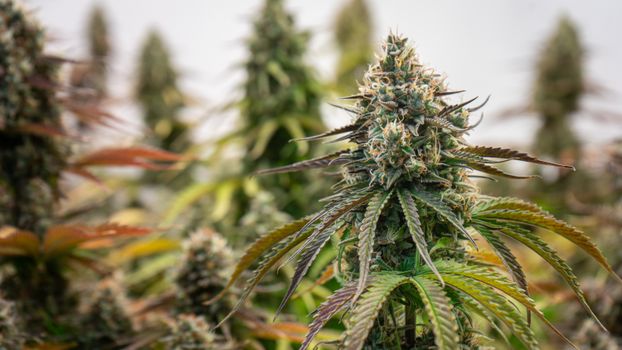 Photo: GB The Green Brand / Pexels
 Photo: Elsa Olofsson / Pexels
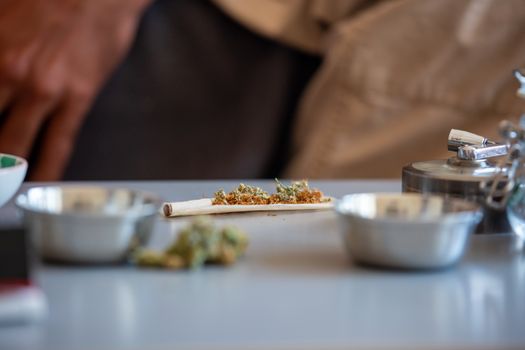 Photo: Kampus Production / Pexels