Unlocking Medical Cannabis Benefits in California
medical cannabis benefits California

Unlocking Medical Cannabis Benefits in California

Discover how medical cannabis can improve your quality of life in California with safe and legal access.

Find Your Path to Wellness

Key Takeaways

  • ✓ California was the first state to legalize medical cannabis in 1996 with Proposition 215.
  • ✓ Patients with a valid recommendation can access a wider range of products and higher potency limits than adult-use consumers.
  • ✓ Medical cannabis is regulated by the California Department of Cannabis Control (DCC) and local jurisdictions.
  • ✓ Qualifying conditions generally include chronic pain, cancer, glaucoma, epilepsy, AIDS, and other debilitating conditions.

How It Works

1
Consult a Licensed Physician

Schedule an appointment with a California-licensed doctor who can evaluate your medical condition. They will determine if cannabis is a suitable treatment option for you.

2
Receive Your Recommendation

If approved, the physician will issue you a medical cannabis recommendation. This document is essential for accessing legal medical cannabis in the state.

3
Obtain a Medical Marijuana Card (Optional but Recommended)

While not strictly required, applying for a state-issued Medical Marijuana Identification Card (MMIC) offers additional legal protections and benefits. It confirms your status as a qualified patient.

4
Access Licensed Dispensaries

Present your recommendation (and MMIC, if applicable) at a licensed medical cannabis dispensary. Here, you can purchase a variety of cannabis products tailored to your needs.

The Science Behind Medical Cannabis Benefits California Offers
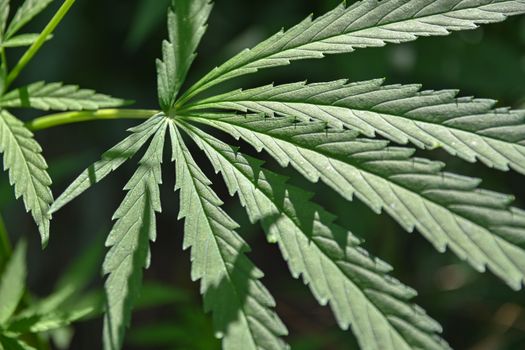
Detailed close-up of a green cannabis leaf outdoors, showcasing its texture and structure. Photo: Adonyi Gábor / Pexels
California has long been at the forefront of cannabis research and patient access, leading the nation in understanding the profound medical cannabis benefits. The therapeutic potential of cannabis stems primarily from its interaction with the human endocannabinoid system (ECS). This complex biological system plays a crucial role in regulating a wide array of bodily functions, including mood, sleep, appetite, pain sensation, and immune response. Cannabis contains compounds known as cannabinoids, such as THC (tetrahydrocannabinol) and CBD (cannabidiol), which mimic the body's own endocannabinoids. THC is widely recognized for its psychoactive effects, but it also possesses significant analgesic, anti-inflammatory, and antiemetic properties. For patients dealing with chronic pain, nausea associated with chemotherapy, or severe muscle spasms, THC can offer substantial relief where traditional medications may fall short or cause undesirable side effects. CBD, on the other hand, is non-psychoactive and is celebrated for its anxiolytic, anti-inflammatory, and anticonvulsant properties. It's often sought after by individuals looking to manage anxiety, epilepsy, or inflammatory conditions without the 'high' associated with THC. Beyond THC and CBD, cannabis also contains other minor cannabinoids like CBG (cannabigerol) and CBN (cannabinol), as well as terpenes – aromatic compounds that contribute to the plant's scent and flavor, and also possess their own therapeutic effects through what's known as the 'entourage effect.' This theory suggests that cannabinoids and terpenes work synergistically to enhance each other's benefits and mitigate potential side effects. For example, certain terpenes like myrcene can enhance the sedative effects of THC, while limonene may elevate mood. Understanding these complex interactions is key to leveraging the full spectrum of medical cannabis benefits California patients can experience. California's robust medical cannabis program allows patients and their recommending physicians to explore various ratios of THC to CBD, as well as different terpene profiles, to tailor treatment to specific conditions and individual sensitivities. This personalized approach is a hallmark of effective medical cannabis therapy. Research continues to uncover new applications for these compounds, further solidifying cannabis's role in modern medicine. The regulatory framework in California ensures that products are tested for purity and potency, providing a layer of safety and reliability for patients. This commitment to quality and research underscores why so many Californians turn to medical cannabis as a viable and effective treatment option for a wide range of debilitating conditions, from neuropathic pain to severe appetite loss. The state's pioneering spirit in this field continues to set standards for medical cannabis programs nationwide, emphasizing patient welfare and scientific rigor. The continuous evolution of understanding the ECS and the plant's constituents means that the therapeutic landscape for medical cannabis is constantly expanding, offering renewed hope for those seeking alternative or complementary treatments.

Qualifying Conditions and Access for California Patients

Healthcare professional consults patient in clinical setting. Medical discussion and diagnosis. Photo: RDNE Stock project / Pexels
Accessing medical cannabis benefits in California requires a diagnosis of a qualifying medical condition from a licensed physician. Proposition 215, the Compassionate Use Act of 1996, and subsequent legislation, primarily SB 420 (the Medical Marijuana Program Act), established the framework for medical cannabis use. While the initial list of conditions was somewhat broad, common qualifying conditions explicitly mentioned or generally accepted by California physicians include, but are not limited to, chronic pain (including neuropathic pain, back pain, and arthritis), cancer, glaucoma, AIDS/HIV, epilepsy, persistent muscle spasms, multiple sclerosis, and other debilitating conditions that substantially limit one or more major life activities. The 'other debilitating conditions' clause provides physicians with the discretion to recommend cannabis for a wider array of severe medical issues not explicitly listed, as long as they believe cannabis would provide relief or alleviate symptoms. To initiate the process, an individual must consult with a California-licensed doctor. This consultation typically involves a review of the patient's medical history, current symptoms, and previous treatments. The physician will assess whether medical cannabis is an appropriate and beneficial treatment option. If the doctor determines that the patient has a qualifying condition and could benefit from cannabis, they will issue a medical cannabis recommendation. This recommendation is a legal document, usually a written statement, that allows the patient to purchase and possess medical cannabis. While not mandatory, obtaining a state-issued Medical Marijuana Identification Card (MMIC) from the California Department of Public Health (CDPH) is highly recommended. The MMIC offers several advantages, including enhanced legal protections, exemption from state sales taxes on cannabis purchases, and often allows for higher possession limits compared to just the doctor's recommendation. The process for obtaining an MMIC involves submitting an application to your county's health department, along with your physician's recommendation, proof of identity, and proof of residency. The card provides an official, easily verifiable form of identification as a qualified medical cannabis patient, which can be particularly useful when interacting with law enforcement or purchasing from dispensaries. California's regulatory environment ensures that licensed dispensaries operate under strict guidelines, providing safe and tested products. Patients can choose from various forms of cannabis, including flower, edibles, tinctures, topicals, and concentrates, allowing for personalized treatment based on their condition and preferred method of consumption. This comprehensive system is designed to ensure that patients can safely and legally access the medical cannabis they need to manage their health conditions effectively, underscoring the state's commitment to patient well-being and access to alternative therapies. The ongoing evolution of medical guidelines and research continues to refine the understanding of qualifying conditions, ensuring that the program remains responsive to patient needs and scientific advancements.

Comparing Medical vs. Adult-Use Cannabis in California
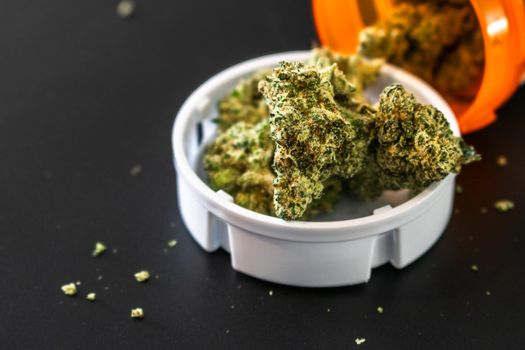
Close-up of cannabis buds spilling from a prescription container, isolated on black background. Photo: Terrance Barksdale / Pexels
While California has legalized both medical and adult-use (recreational) cannabis, significant differences exist between the two, particularly concerning medical cannabis benefits California patients can access. Understanding these distinctions is crucial for patients seeking the most appropriate and beneficial path for their treatment. The primary differentiator lies in the legal protections, product access, possession limits, and tax implications. Medical cannabis patients, armed with a valid physician's recommendation and ideally a state-issued Medical Marijuana Identification Card (MMIC), often enjoy greater legal protection under state law. This includes higher possession and cultivation limits compared to adult-use consumers. For instance, while adult-use consumers are generally limited to possessing 28.5 grams of flower and 8 grams of concentrate, medical patients may be authorized to possess larger quantities if their physician deems it medically necessary. Similarly, medical patients can cultivate more plants for personal use, again based on their doctor's recommendation, which is vital for those who prefer to grow their own medicine or require substantial amounts. Perhaps one of the most compelling advantages for medical patients is the exemption from state sales tax on cannabis purchases. This can lead to significant cost savings over time, making medical cannabis a more affordable option for those requiring long-term treatment. Furthermore, medical dispensaries and product lines are often more geared towards therapeutic applications. They may offer a broader selection of products with specific cannabinoid ratios (e.g., high CBD, balanced THC/CBD) and terpene profiles, as well as various consumption methods designed for patient needs, such as tinctures, suppositories, and specific topical formulations. These products are often developed with a focus on symptom management rather than recreational effects. Another critical distinction is the age requirement. Adult-use cannabis is restricted to individuals 21 years or older, whereas qualified medical cannabis patients can be 18 years or older, or even minors with parental or guardian consent and a physician's recommendation. This allows younger patients with severe medical conditions to access necessary treatment. The regulatory oversight for medical cannabis products can also be more stringent in some aspects, ensuring higher quality and purity standards for a vulnerable patient population. While both markets are regulated by the Department of Cannabis Control (DCC), the focus on patient safety and therapeutic efficacy is paramount in the medical sector. The choice between adult-use and medical access depends on an individual's specific needs, medical condition, and desire for enhanced legal protections and financial benefits. For those with chronic or debilitating conditions, the comprehensive framework and advantages associated with medical cannabis benefits California provides make it the unequivocally superior option. Navigating California cannabis laws can be complex, but understanding these distinctions empowers patients to make informed decisions about their healthcare. The state's dual market approach ensures that while recreational use is available, the original intent of Proposition 215, to provide compassionate access for patients, remains robust and well-supported.

Maximizing Your Medical Cannabis Experience: Tips and Best Practices

Macro shot of a cannabis bud on paper held by tweezers in warm lighting. Photo: Jess Loiterton / Pexels
To truly maximize the medical cannabis benefits California offers, patients should adopt a strategic and informed approach to their treatment. This involves more than just obtaining a recommendation; it requires understanding product selection, dosing, consumption methods, and responsible usage. **Tips for an Optimal Experience:** * **Start Low and Go Slow:** This is perhaps the most crucial advice for any new cannabis user, especially medical patients. Begin with a very low dose, especially of THC-rich products, and gradually increase it until you find the minimum effective dose that provides relief with the fewest side effects. This approach helps prevent overconsumption and allows your body to acclimate. * **Understand Cannabinoid and Terpene Profiles:** Don't just look for 'THC' or 'CBD.' Pay attention to the specific ratios (e.g., 1:1 THC:CBD, high CBD, low THC) and the listed terpenes. Different terpenes offer different therapeutic effects (e.g., myrcene for relaxation, pinene for alertness, limonene for mood elevation). Your doctor or dispensary consultant can guide you on which profiles might best suit your condition. * **Explore Various Consumption Methods:** Inhalation (vaping or smoking) offers rapid onset but shorter duration. Edibles and tinctures have a delayed onset but provide longer-lasting relief. Topicals are excellent for localized pain without systemic effects. Experiment to find the method that best fits your lifestyle, condition, and desired effect profile. For example, edibles might be ideal for chronic nighttime pain, while a vape pen could offer quick relief for acute flare-ups. * **Keep a Journal:** Document your doses, the products used, the method of consumption, the time of day, and the effects experienced (both positive and negative). This personal data will be invaluable in fine-tuning your treatment plan and communicating effectively with your doctor or dispensary. * **Choose Licensed Dispensaries:** Always purchase your medical cannabis from state-licensed dispensaries. These establishments adhere to strict testing requirements for potency, pesticides, heavy metals, and other contaminants, ensuring product safety and quality. * **Stay Hydrated and Mindful of Diet:** Cannabis can cause dry mouth. Staying well-hydrated is important. Some patients also find that certain foods can influence their cannabis experience. * **Communicate with Your Doctor:** Regular follow-ups with your recommending physician are vital. Discuss what's working, what's not, and any side effects. Your doctor can help adjust your recommendation or suggest alternative approaches. **Common Mistakes to Avoid:** * **Overdosing:** Especially with edibles, it's easy to take too much, leading to anxiety, paranoia, or excessive sedation. Patience is key when waiting for effects. * **Ignoring Product Labels:** Don't assume all cannabis is the same. Read labels carefully for cannabinoid content, serving sizes, and ingredients. * **Self-Diagnosing or Self-Medicating Without Guidance:** While cannabis is natural, it's still medicine. A doctor's guidance is crucial for safe and effective use. * **Mixing with Other Medications Without Consultation:** Cannabis can interact with certain pharmaceutical drugs. Always inform your doctor about all medications you are taking. * **Driving Under the Influence:** Even medical cannabis can impair driving ability. Always ensure you are not impaired before operating a vehicle or heavy machinery. By following these tips and avoiding common pitfalls, California medical cannabis patients can navigate their treatment journey more effectively, leading to improved outcomes and a better quality of life. The emphasis on education and responsible use is paramount in maximizing the therapeutic potential of this powerful plant.

Comparison

FeatureMedical Cannabis (MMIC)Adult-Use CannabisIllicit Market
Age Requirement18+ (or minor with guardian)21+Any Age (Illegal)
Sales Tax Exemption✓ (State & Local)✗ (Subject to all taxes)✗ (No taxes, illegal)
Possession LimitsHigher (Doctor determined)Standard (28.5g flower, 8g concentrate)Undefined (Illegal)
Cultivation LimitsHigher (Doctor determined)6 plants maxUndefined (Illegal)
Product RangeBroader (Therapeutic focus)General (Recreational focus)Unregulated, unknown
Legal ProtectionStrongest State ProtectionStandard State ProtectionNone (Criminal Offense)
Product Testing/SafetyRigorous Lab TestingRigorous Lab TestingNone (Potentially Unsafe)
Physician ConsultationRequiredNot RequiredNot Required

What Readers Say

"Getting my medical cannabis card in California was a game-changer for my chronic back pain. I've found specific strains that provide consistent relief, allowing me to finally sleep through the night. The process was straightforward, and the dispensaries are so knowledgeable."

Sarah J. · Los Angeles, CA

"For years, I struggled with severe anxiety and conventional medications had too many side effects. Medical cannabis benefits California offers have truly transformed my daily life. I appreciate the variety of CBD-rich options available and the expert advice at my local dispensary."

Mark D. · San Francisco, CA

"As a cancer patient, managing nausea and appetite loss was incredibly difficult. Thanks to medical cannabis, I've regained my appetite and found significant relief from chemotherapy-induced nausea. It's made a huge difference in my quality of life during treatment."

Emily R. · San Diego, CA

"While the process was a bit confusing initially, the benefits of medical cannabis for my neuropathy are undeniable. I've had to experiment with different products, but finding the right tincture has significantly reduced my nerve pain. It's not a miracle cure, but a vital part of my pain management."

David L. · Sacramento, CA

"My son, who suffers from epilepsy, has seen a dramatic reduction in seizure frequency since we started him on medical CBD oil under physician guidance. The access and quality standards for medical cannabis benefits California provides are truly exceptional for pediatric patients."

Jessica M. · Oakland, CA

Frequently Asked Questions

What are the most common medical cannabis benefits California patients experience?

California medical cannabis patients frequently report significant relief from chronic pain, anxiety, insomnia, nausea, muscle spasms, and inflammation. Many also find it helps with appetite stimulation, particularly for conditions like cancer or AIDS, improving overall quality of life and symptom management.

Is it difficult to get a medical cannabis recommendation in California?

No, obtaining a medical cannabis recommendation in California is generally straightforward if you have a qualifying condition. You need to consult with a California-licensed physician who will evaluate your medical history and symptoms. Many clinics specialize in these evaluations, making the process efficient.

How do I apply for a state-issued Medical Marijuana Identification Card (MMIC) in California?

After receiving a physician's recommendation, you can apply for an MMIC through your county's health department. You'll need your recommendation, proof of identity, and proof of residency. The card offers additional legal protections and tax exemptions, though it is not strictly required to purchase medical cannabis.

How much does medical cannabis cost in California, and are there ways to save money?

The cost of medical cannabis varies widely based on product type, potency, and dispensary. However, holding a state-issued MMIC exempts you from state sales taxes on purchases, which can lead to significant savings. Some dispensaries also offer discounts for medical patients or low-income individuals.

How does medical cannabis compare to prescription medications for pain or anxiety?

Medical cannabis offers an alternative or complementary treatment to traditional prescription medications, often with fewer or different side effects. While some patients find it more effective or preferable to pharmaceuticals for conditions like chronic pain or anxiety, it's crucial to discuss this with your doctor to determine the best treatment plan for your specific needs and to avoid potential drug interactions.

Who should consider using medical cannabis benefits California provides?

Individuals suffering from chronic or debilitating medical conditions such as severe pain, cancer, glaucoma, epilepsy, AIDS, multiple sclerosis, or persistent muscle spasms, who have not found adequate relief from conventional treatments, should consider exploring medical cannabis benefits with a licensed physician in California.

Are there any risks or side effects associated with medical cannabis use?

Like any medication, medical cannabis can have side effects, including dry mouth, red eyes, dizziness, increased heart rate, and in some cases, anxiety or paranoia, especially with high THC doses. It can also interact with other medications. Consulting with a doctor helps mitigate risks and personalize treatment.

What future trends are expected for medical cannabis benefits California patients?

Future trends in California's medical cannabis landscape include increased research into minor cannabinoids and terpenes, further refinement of product formulations for specific conditions, and potentially more integrated healthcare approaches where cannabis is considered alongside conventional treatments. We may also see continued evolution in regulatory frameworks to enhance patient access and safety.

Embrace the potential for improved health and well-being. Explore the extensive medical cannabis benefits California offers by consulting with a licensed physician today. Take the first step towards a more comfortable and fulfilling life through safe and legal access to therapeutic cannabis.

Topics: medical cannabis benefits Californiacannabis for pain CaliforniaCalifornia medical marijuana cardCBD vs THC Californiaqualifying conditions California
Leo List
Brampton weed
Adultwork EstrelaBet Vai de Bet R7 Bet Betão Galera Bet Rainbet Bet9ja Shop SportyBet BetKing Sisal Loto Foot Hollywoodbets YesPlay Odibets RushBet Jugabet BetWarrior BetCity MSport betPawa Fortebet