Navigating Cannabis Laws California: Your Complete Guide
Unlock the intricacies of California's cannabis regulations to ensure full compliance and peace of mind.
Understand the Law NowKey Takeaways
- ✓ Recreational cannabis is legal for adults 21+ in California.
- ✓ Medical cannabis patients have additional privileges and protections.
- ✓ Cultivation of up to six plants per residence is permitted for personal use.
- ✓ Public consumption of cannabis remains illegal in most areas.
How It Works
Familiarize yourself with the maximum amounts of cannabis flower, concentrates, and edibles you can legally possess. These limits vary for recreational users versus qualified medical patients.
Public consumption is generally prohibited, similar to alcohol. Learn about designated consumption areas and the rules regarding private property.
If you plan to grow cannabis at home, understand the six-plant limit and local ordinances that may impose additional restrictions, such as indoor-only cultivation.
California's state laws provide a framework, but cities and counties can enact stricter regulations. Always check local ordinances in your specific area.
The Evolution of Cannabis Laws California: A Historical Perspective
 Photo: Cannafornia / Pexels
The next major turning point arrived in 2016 with the passage of Proposition 64, the Adult Use of Marijuana Act (AUMA). This landmark legislation legalized recreational cannabis for adults 21 and older, marking a pivotal moment in California's history and for the cannabis industry nationwide. AUMA established a comprehensive regulatory framework for the cultivation, manufacture, distribution, testing, and sale of cannabis. It created the Bureau of Cannabis Control (now part of the Department of Cannabis Control, or DCC) to oversee the licensing and regulation of the adult-use market, alongside the existing medical market. This dual-market system, while initially complex, aimed to provide clear guidelines for businesses and consumers alike, ensuring product safety, consumer protection, and responsible industry growth. The implementation of AUMA was a massive undertaking, requiring the creation of entirely new state agencies, regulations, and enforcement mechanisms. It represented a bold step towards integrating cannabis into mainstream commerce, with a strong emphasis on public health and safety. Understanding this historical progression is crucial for anyone looking to navigate the current cannabis legal landscape in California, as many of the foundational principles from both Proposition 215 and Proposition 64 continue to shape the laws today. The continuous evolution of these laws reflects a dynamic interplay between public demand, economic opportunity, and regulatory oversight, making California a critical case study in cannabis policy.
Understanding Recreational Cannabis Laws for Adults 21+
 Photo: Elsa Olofsson / Pexels
Home cultivation is also permitted for recreational users, with a limit of six cannabis plants per private residence, regardless of how many adults reside there. These plants must be grown in a locked area, out of public view, and local jurisdictions may impose additional regulations, such as requiring plants to be grown indoors. It’s essential to check local city and county ordinances before starting a home grow, as some areas have stricter rules or even outright bans on outdoor cultivation.
When it comes to consumption, the rules are similar to alcohol: public consumption is generally prohibited. This means you cannot smoke, vape, or ingest cannabis in public places, including sidewalks, parks, restaurants, and bars. It's also illegal to consume cannabis in places where tobacco smoking is prohibited, near schools, or within 1,000 feet of a school, day care center, or youth center while children are present. Driving under the influence of cannabis is strictly illegal and carries severe penalties, akin to driving under the influence of alcohol. Law enforcement can administer field sobriety tests, and if impairment is suspected, a blood test may be requested.
Purchasing recreational cannabis must be done through licensed dispensaries. These businesses are regulated by the Department of Cannabis Control (DCC) and must adhere to strict guidelines regarding product testing, labeling, and sales. It is illegal to purchase cannabis from unlicensed sources or to sell cannabis without a proper license. Furthermore, cannabis cannot be transported across state lines, even if both states have legalized it. Moving cannabis from California to another state, even neighboring Oregon or Nevada, is a federal offense. Understanding these detailed regulations is crucial for any adult looking to legally and responsibly engage with recreational cannabis in California, ensuring compliance and avoiding potential legal issues.
Medical Cannabis: Protections and Privileges for Qualified Patients
 Photo: Cannafornia / Pexels
One of the primary benefits of holding a state-issued Medical Marijuana Identification Card (MMIC) is increased possession limits. While recreational users are limited to 28.5 grams of flower and 8 grams of concentrate, medical patients, or their primary caregivers, can possess greater quantities as deemed necessary for their personal medical use by their recommending physician. This often extends to several ounces of flower and larger amounts of concentrates, providing greater flexibility for patients with significant medical needs. The MMIC also offers protection from arrest for state-level cannabis offenses, provided the patient is in compliance with the program's rules.
Cultivation limits are also more generous for medical patients. While recreational users are capped at six plants, medical patients can cultivate more plants if their physician recommends it and it's deemed necessary for their medical condition. Again, local ordinances play a significant role here, and patients should always consult their city and county regulations regarding cultivation. Some jurisdictions may have specific zoning requirements or cultivation limits even for medical patients.
Another advantage for medical patients, particularly those with an MMIC, is often a tax exemption on cannabis purchases. While recreational cannabis is subject to significant state excise taxes and sales taxes, medical patients with a valid MMIC are typically exempt from the state sales tax, leading to considerable savings over time. This financial benefit makes the MMIC a valuable asset for regular users. It's important to note that while the MMIC offers state-level protections, it does not provide immunity from federal law, where cannabis remains illegal. However, federal enforcement against state-legal medical cannabis patients has been largely curtailed due to congressional appropriations riders. For anyone considering cannabis for health reasons, understanding these distinct medical provisions is vital for maximizing benefits and ensuring legal compliance within California's nuanced regulatory environment.
Common Pitfalls and Best Practices for Cannabis Consumers in CA
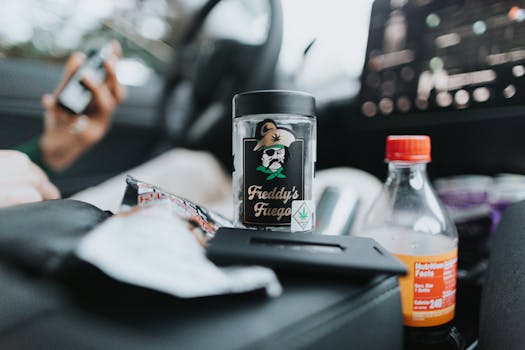 Photo: WoodysMedia / Pexels
Another significant pitfall involves purchasing from unlicensed sources. The lure of lower prices from unregulated sellers can be strong, but these products often bypass stringent state testing requirements, potentially containing pesticides, heavy metals, or inaccurately labeled THC content. Always purchase cannabis from licensed dispensaries, which display their state license prominently. Verifying a dispensary's license through the Department of Cannabis Control (DCC) website ensures product safety and legal compliance.
Transportation rules are also frequently overlooked. While you can transport cannabis in your vehicle, it must be in a sealed container or in the trunk, out of reach of the driver and passengers. Open containers are strictly prohibited, similar to alcohol. It's also illegal to consume cannabis in a moving vehicle. Furthermore, driving under the influence (DUI) of cannabis is a serious offense. Even if you feel you are not impaired, law enforcement can still charge you if they determine your ability to drive safely is compromised.
Best practices for consumers include:
- Always carry identification: Be prepared to show proof of age (21+) when purchasing or consuming recreational cannabis. Medical patients should carry their MMIC.
- Understand local ordinances: California's state laws provide a baseline, but cities and counties can impose stricter rules, especially regarding cultivation and retail locations. Always check local regulations in your specific area.
- Be mindful of federal law: Remember that cannabis remains federally illegal. This impacts things like crossing state lines with cannabis, federal housing regulations, and certain types of employment.
- Store cannabis safely: Keep cannabis products, especially edibles, out of reach of children and pets. Use child-resistant packaging.
- Educate yourself on products: Understand the different types of cannabis products (flower, concentrates, edibles) and their varying potencies to consume responsibly.
By adhering to these best practices and being aware of potential missteps, consumers can enjoy cannabis in California responsibly and legally.
Comparison
| Feature | Recreational User (21+) | Medical Patient (MMIC Holder) | Unlicensed Sale/Purchase | Federal Law |
|---|---|---|---|---|
| Possession Limit (Flower) | 28.5 grams (1 oz) | As needed (physician recommendation) | Illegal | Illegal (any amount) |
| Possession Limit (Concentrate) | 8 grams | As needed (physician recommendation) | Illegal | Illegal (any amount) |
| Home Cultivation | Up to 6 plants per residence | More than 6 plants (physician rec.) | Illegal (large scale) | Illegal (any amount) |
| Public Consumption | ✗ | ✗ | ✗ | ✗ |
| Tax Exemption | ✗ | ✓ (State Sales Tax) | ✗ | ✗ |
| Purchase Source | Licensed Dispensary | Licensed Dispensary | ✗ | ✗ |
What Readers Say
"This guide on cannabis laws California was incredibly helpful! It clarified so many grey areas about public consumption and possession limits. Now I feel confident I'm staying compliant."
Sarah J. · Los Angeles, CA"As a medical patient, understanding the difference in cultivation limits was crucial. This article laid out all the specific privileges for MMIC holders perfectly, including tax benefits."
Mark D. · San Francisco, CA"I was confused about local vs. state laws for cannabis, but this resource explained it clearly. The tips on avoiding unlicensed sellers were particularly valuable for ensuring product safety."
Jessica L. · San Diego, CA"Good overview, though I wish there was a bit more detail on future legislative changes. Still, it's a solid primer for anyone trying to understand California's cannabis regulations."
Ethan R. · Oakland, CA"Coming from out of state, the recreational cannabis laws California seemed daunting. This guide broke down everything from purchase to transportation, making my visit much less stressful."
Olivia K. · Sacramento, CAFrequently Asked Questions
What is the legal age to purchase and consume cannabis in California?
The legal age to purchase and consume recreational cannabis in California is 21 years old. For medical cannabis, individuals must be 18 years old and have a valid physician's recommendation and/or a state-issued Medical Marijuana Identification Card (MMIC).
Can I smoke cannabis in public places in California?
No, public consumption of cannabis is generally prohibited in California. This includes smoking, vaping, or ingesting cannabis in public parks, sidewalks, restaurants, and other public areas. It is only permitted on private property or in licensed cannabis consumption lounges where available.
How many cannabis plants can I grow at home in California?
Adults 21 and older can cultivate up to six cannabis plants per private residence for personal use. These plants must be grown in a locked area, out of public view. Medical cannabis patients may be allowed to grow more if recommended by their physician, subject to local ordinances.
Are there taxes on cannabis purchases in California?
Yes, recreational cannabis purchases in California are subject to a state excise tax (currently 15%) and state sales tax (which varies by locality). Additionally, some cities and counties impose their own local cannabis taxes. Medical cannabis patients with a valid MMIC are exempt from the state sales tax.
What's the difference between state and local cannabis laws in California?
California state laws establish the foundational framework for cannabis legality and regulation. However, individual cities and counties have the authority to enact stricter local ordinances, such as banning commercial cannabis businesses, restricting cultivation, or setting specific zoning requirements. Always check both state and local regulations.
Who should be particularly careful about cannabis laws California?
Anyone traveling with cannabis, those living in rented properties (due to landlord rules), individuals with jobs requiring federal clearances, and parents concerned about child access should be particularly careful. Also, those driving under the influence should be aware of strict DUI laws.
Is it safe to buy cannabis from unlicensed sellers for a cheaper price?
No, it is not safe or legal to buy cannabis from unlicensed sellers. Products from the illicit market are not subject to the rigorous testing and safety standards mandated by California's Department of Cannabis Control, meaning they could contain harmful pesticides, heavy metals, or be inaccurately labeled, posing significant health risks.
How might cannabis laws California evolve in the coming years?
Future evolution of cannabis laws in California may include further refinement of regulations, potential expansion of consumption lounge licenses, adjustments to tax structures, and continued efforts to combat the illicit market. Federal decriminalization or legalization could also significantly impact state-level regulations and interstate commerce.
Understanding cannabis laws California is essential for responsible consumption and cultivation. Stay informed with this comprehensive guide to ensure you remain compliant and make the most of California's legal cannabis market.