✓ Recreational cannabis legalized in California with Proposition 64 (Adult Use of Marijuana Act) in 2016.
✓ Adults 21 and over can possess up to 1 ounce of cannabis flower and 8 grams of concentrate.
✓ Home cultivation is permitted for up to 6 plants per residence, regardless of the number of adults.
✓ Commercial cannabis operations require multiple state and local licenses, adhering to strict regulations.
How It Works
1
Understand Personal Use Limits
Familiarize yourself with the legal amounts of cannabis you can possess, transport, and consume as an adult in California. This includes flower, concentrates, and edibles.
2
Learn Cultivation Rules
If you plan to grow cannabis at home, know the plant count limits, security requirements, and local zoning ordinances. Ensure your cultivation methods comply with state law.
3
Navigate Commercial Licensing
For businesses, research the different license types (e.g., cultivation, manufacturing, distribution, retail) and the dual state and local application process. Compliance is paramount.
4
Stay Updated on Changes
California's cannabis laws are continually evolving. Regularly check official government sources for updates to remain compliant and avoid penalties.
The Evolution of California's Cannabis Legality
Photo: Josh Hild / Pexels
California has a long and pioneering history with cannabis, dating back to the Compassionate Use Act of 1996 (Proposition 215), which legalized medical marijuana. This landmark legislation made California the first state in the U.S. to allow patients to use cannabis for medicinal purposes, setting a precedent for other states to follow. However, the medical cannabis program initially lacked comprehensive regulatory frameworks, leading to a patchwork of local ordinances and a largely unregulated market. This era, while pivotal, highlighted the need for more structured oversight to ensure patient access while addressing public safety concerns. The journey from unregulated access to a tightly controlled market has been complex, marked by numerous legislative efforts to refine and expand the legal framework.
The significant shift occurred with the passage of the Adult Use of Marijuana Act (AUMA), also known as Proposition 64, in November 2016. This initiative fundamentally reshaped the cannabis landscape by legalizing recreational cannabis for adults 21 years and older. Proposition 64 established a comprehensive regulatory system for the commercial cultivation, manufacture, distribution, and sale of cannabis, creating a regulated market aimed at addressing issues of public health, safety, and taxation. It also set personal possession and cultivation limits for adults, further differentiating legal recreational use from the medical program. The implementation of AUMA led to the creation of the Bureau of Cannabis Control (BCC), now part of the Department of Cannabis Control (DCC), which is responsible for licensing and regulating the commercial cannabis industry. This transition from a primarily medical, loosely regulated market to a dual-use, highly regulated system represents a monumental undertaking, continuously adapting to new challenges and evolving societal norms. Understanding this historical progression is crucial for anyone navigating the current cannabis laws and regulations California has in place today, as many of the foundational principles and challenges from earlier eras continue to influence present-day policies and enforcement.
Personal Possession and Consumption Rules in CA
Photo: Alesia Kozik / Pexels
For adults aged 21 and over in California, understanding the specific rules around personal possession and consumption of cannabis is paramount to staying within the bounds of the law. Proposition 64 clearly outlines what is permissible, but nuances often cause confusion. Legally, an adult can possess up to 28.5 grams (approximately one ounce) of non-concentrated cannabis, such as dried flower. For concentrated cannabis products, including vape cartridges, extracts, and edibles, the limit is 8 grams. These limits apply whether the cannabis is for personal use, gifted to another adult (without remuneration), or acquired from a licensed dispensary. It's important to note that these limits are per person, not per household, but aggregate possession in a vehicle or public space is often scrutinized.
Consumption rules are equally important. Cannabis use is strictly prohibited in public places, including streets, parks, sidewalks, and any location where smoking tobacco is illegal. This also extends to federal lands, such as national parks and forests, where cannabis remains illegal under federal law, regardless of state regulations. Consumption is generally permitted in private residences, provided the property owner allows it. Landlords have the right to prohibit cannabis use on their property, so renters should always check their lease agreements. Driving under the influence of cannabis is illegal and carries penalties similar to alcohol DUI offenses. Open containers of cannabis are also prohibited in vehicles, similar to open alcohol containers. All cannabis products must be transported in a sealed package or in the trunk of the vehicle to avoid potential charges. Furthermore, while cannabis is legal, employers retain the right to maintain drug-free workplaces and test employees for cannabis use. Even with a medical recommendation, protections against employment discrimination based on cannabis use are limited. It is crucial to be aware of these restrictions to avoid legal repercussions and ensure responsible cannabis use within California's regulatory framework.
Home Cultivation Guidelines and Restrictions
Photo: Kindel Media / Pexels
For many cannabis enthusiasts, the ability to cultivate their own plants at home is a significant benefit of California's legalization. However, this freedom comes with specific guidelines and restrictions that must be adhered to. Under California law, adults 21 years or older are permitted to cultivate up to six living cannabis plants per private residence, regardless of the number of adults residing there. This limit applies to the entire residence, not per individual, meaning a household with multiple adults can still only grow a maximum of six plants. This provision aims to prevent large-scale personal cultivation that could inadvertently lead to illegal commercial operations.
The cultivation must occur in a locked space, either indoors or in a secure outdoor area, that is not visible from a public place. This requirement ensures security and prevents public nuisance. For indoor cultivation, adequate ventilation and lighting are necessary, but growers must also be mindful of potential fire hazards and electrical safety. Outdoor cultivation, while permitted, often faces additional local restrictions. Many cities and counties have enacted their own ordinances that can further limit or regulate home cultivation, sometimes requiring permits, specifying grow locations (e.g., within an enclosed structure), or even imposing stricter plant limits. It is imperative to check local municipal codes and county ordinances before beginning any home grow to ensure compliance with both state and local laws.
Medical cannabis patients, if they have a physician's recommendation, may be eligible to cultivate more than six plants if their medical needs necessitate a larger quantity. However, this expanded cultivation must still comply with all other security and visibility requirements, and local jurisdictions may still impose reasonable restrictions. Selling any home-cultivated cannabis, even to other adults, is strictly prohibited. The cannabis grown at home is solely for personal use or for gifting without remuneration. Failure to comply with these home cultivation guidelines can lead to fines, confiscation of plants, and other legal penalties. Staying informed about both state and local cannabis regulations is crucial for a legal and hassle-free home grow experience in California.
Commercial Licensing and Regulatory Compliance — Key Mistakes to Avoid
Photo: Erik Mclean / Pexels
Operating a commercial cannabis business in California is a highly regulated and complex endeavor, requiring adherence to a multitude of state and local laws. The regulatory framework is designed to ensure product safety, prevent diversion to the illicit market, and collect taxes. Key to this framework is the dual licensing system: businesses must obtain both a state license from the Department of Cannabis Control (DCC) and a local license or permit from the city or county where they operate. This dual requirement means navigating two distinct sets of application processes, often with varying requirements and timelines. State licenses are categorized by activity type—cultivation, manufacturing, distribution, retail, and testing—each with its own specific regulations, from environmental impact and water usage for cultivators to labeling and packaging requirements for manufacturers and retailers.
**Common Mistakes to Avoid for Commercial Operators:**
* **Underestimating Local Regulations:** Many prospective businesses focus solely on state licenses, only to find that local jurisdictions have much stricter zoning, permitting, or even outright bans on certain cannabis activities. Always start with understanding local ordinances.
* **Inadequate Financial Planning:** The costs associated with securing licenses, building out facilities to meet regulatory standards, and operating in a compliant manner are substantial. Under-capitalization is a common reason for business failure.
* **Ignoring Track-and-Trace Requirements:** California uses a seed-to-sale tracking system (Metrc) to monitor cannabis products throughout the supply chain. Failure to accurately and consistently input data can lead to severe penalties, including license suspension or revocation.
* **Non-Compliance with Labeling and Packaging:** Strict rules govern how cannabis products must be labeled, including cannabinoid content, warnings, ingredients, and testing information. Incorrect labeling can result in product recalls and fines.
* **Poor Record Keeping:** Maintaining meticulous records of sales, inventory, testing results, and employee training is critical for audits and demonstrating compliance.
* **Neglecting Security Protocols:** All licensed premises must adhere to stringent security requirements, including surveillance systems, alarm systems, and access controls. Lapses in security can lead to license issues.
* **Failing to Stay Updated:** Cannabis laws and regulations are dynamic. Businesses must continuously monitor for changes and adapt their operations accordingly. Subscribing to official government updates and engaging with industry associations can be beneficial.
Navigating these complexities requires significant legal and operational expertise. Businesses must prioritize compliance from day one to build a sustainable and successful operation in California's competitive cannabis market.
Comparison
Feature
Recreational (Adult Use)
Medical (Patient Use)
Illicit Market
Age Requirement
21+
18+ with physician rec
Any age (illegal)
Possession Limit (Flower)
1 oz (28.5g)
Varies (often higher with rec)
No legal limit (illegal)
Home Grow Limit
6 plants/residence
6 plants/residence (can be more with rec)
No legal limit (illegal)
Access
Licensed dispensaries
Licensed dispensaries/delivery
Illegal sources
Taxation
Excise, cultivation, sales
Excise (often exempt), cultivation, sales
None (illegal)
Product Testing
Mandatory
Mandatory
None (unregulated)
Driving Under Influence
Illegal
Illegal
Illegal
What Readers Say
★★★★★
"This guide clarified so many questions I had about cannabis laws and regulations California. I feel much more confident about my personal use and home cultivation now."
Sarah J. · Los Angeles, CA
★★★★★
"As a small business owner considering a cannabis venture, the commercial licensing section was incredibly detailed and helpful. It highlighted crucial mistakes to avoid."
Mark T. · Sacramento, CA
★★★★★
"I used to be confused about public consumption rules, but this article explained them perfectly. Thanks to this, I've avoided potential legal issues."
Emily R. · San Francisco, CA
★★★★★
"Very comprehensive, though I wish there was a bit more on specific local city ordinances. Still, it's a fantastic starting point for understanding CA cannabis laws."
David L. · San Diego, CA
★★★★★
"The historical overview helped me understand why the laws are structured the way they are. This is an essential resource for anyone in California using or working with cannabis."
Jessica M. · Oakland, CA
Frequently Asked Questions
What are the current personal possession limits for cannabis in California?
Adults 21 and over can possess up to 28.5 grams of non-concentrated cannabis (flower) and up to 8 grams of concentrated cannabis (extracts, edibles). These limits apply to personal use and transportation, and exceeding them can lead to legal penalties.
Can I consume cannabis in public places in California?
No, consuming cannabis in public places, including streets, parks, and federal lands, is illegal in California. Consumption is generally restricted to private residences where allowed, or in licensed consumption lounges if available locally.
How many cannabis plants can I legally grow at home in California?
Adults 21 and over can legally grow up to six cannabis plants per private residence. These plants must be grown in a locked, secure area not visible from a public place. Local ordinances may impose additional restrictions.
What are the costs associated with getting a commercial cannabis license in California?
The costs vary significantly depending on the license type, local jurisdiction, and business size. They can include application fees (thousands of dollars), licensing fees (tens of thousands to hundreds of thousands annually), compliance costs, and significant operational expenses. It's a substantial investment.
Is medical marijuana still legal in California after recreational legalization?
Yes, medical marijuana remains legal and operational in California. Patients with a valid physician's recommendation can still access medical cannabis, which may offer certain benefits like higher possession limits or exemptions from some taxes, though these vary.
Who should be particularly aware of California's cannabis laws and regulations?
Anyone living in, visiting, or doing business in California should be aware of these laws. This includes personal consumers, home cultivators, medical patients, and especially individuals or entities looking to enter or operate within the commercial cannabis industry to ensure full compliance.
What are the risks of buying cannabis from an unlicensed source in California?
Buying from unlicensed sources carries significant risks, including exposure to untested products that may contain pesticides, heavy metals, or other contaminants, potential legal penalties for supporting the illicit market, and lack of consumer protections regarding product quality or refunds.
What future changes are expected for cannabis laws and regulations in California?
Future changes are likely to focus on refining existing regulations, potentially addressing issues like interstate commerce, expanding consumption lounge options, further tax reform, and strengthening enforcement against the illicit market. The Department of Cannabis Control continuously evaluates and updates policies.
Understanding cannabis laws and regulations in California is crucial for both personal use and commercial ventures. Stay informed, comply with all state and local mandates, and contribute to a safe and legal cannabis market in the Golden State.

 Photo: Josh Hild / Pexels
 Photo: Alesia Kozik / Pexels
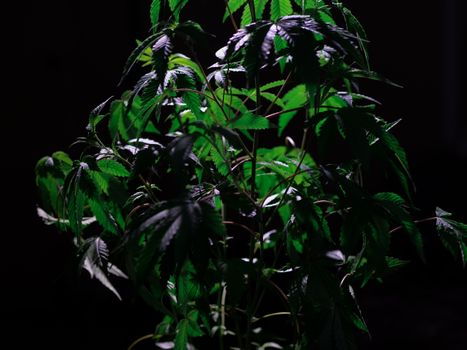 Photo: Kindel Media / Pexels
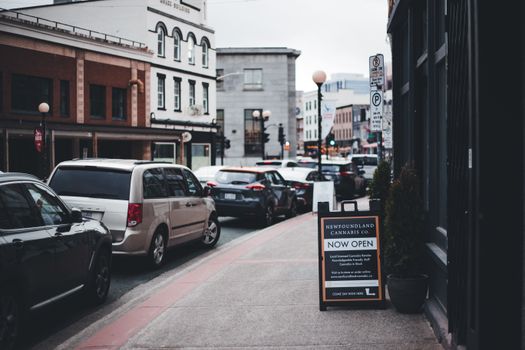 Photo: Erik Mclean / Pexels