Recreational Cannabis Age California: Your Complete Guide
recreational cannabis age California

Recreational Cannabis Age California: Your Complete Guide

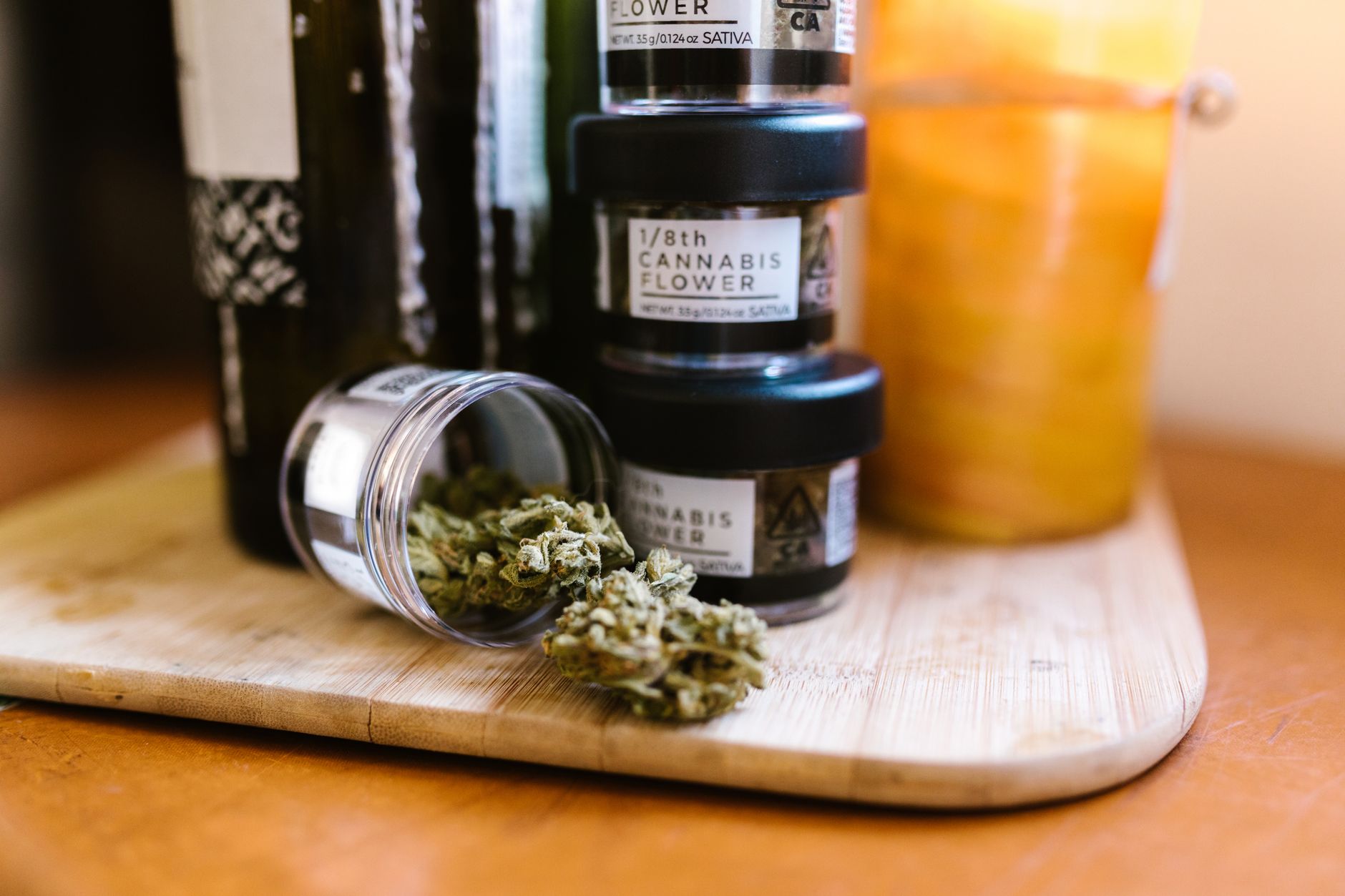
Cannabis buds in glass jars on a wooden board indoors with soft lighting.Photo: RDNE Stock project / Pexels

Recreational Cannabis Age California: Your Complete Guide

Navigate California's adult-use cannabis laws with confidence, ensuring you understand all legal requirements for purchase and consumption.

Explore CA Cannabis Laws

Key Takeaways

  • ✓ The legal recreational cannabis age in California is 21 years old.
  • ✓ Valid government-issued identification is required for purchase.
  • ✓ Consumption is prohibited in public places, including federal land.
  • ✓ Possession limits apply to both flower and concentrates.

How It Works

1
Verify Your Age

Ensure you are at least 21 years old with a valid, unexpired government-issued ID. This is the fundamental requirement for purchasing recreational cannabis in California.

2
Locate a Licensed Dispensary

Find a state-licensed recreational cannabis dispensary. These establishments are regulated by California's Department of Cannabis Control (DCC) and ensure product safety and legality.

3
Understand Possession Limits

Familiarize yourself with the legal limits for possession and purchase. Adults 21 and over can possess up to 1 ounce (28.5 grams) of non-concentrated cannabis and 8 grams of concentrated cannabis.

4
Consume Responsibly and Legally

Consume cannabis only in private residences or on private property where allowed. Public consumption, including in vehicles, parks, and federal lands, is strictly prohibited and can result in penalties.

Understanding the Legal Recreational Cannabis Age in California

Two friends enjoying a relaxed evening indoors, sharing a joint and smiling.Photo: Pavel Danilyuk / Pexels
California, a pioneer in cannabis legalization, established the legal framework for adult-use recreational cannabis with Proposition 64, passed in November 2016. This landmark legislation fundamentally changed the landscape of cannabis access, allowing individuals aged 21 and older to legally purchase, possess, and consume cannabis for recreational purposes. Prior to this, cannabis was only legally accessible for medicinal use with a doctor's recommendation. The age requirement of 21 aligns with the legal drinking age in the United States, a deliberate choice by lawmakers to standardize age restrictions for substances deemed to have potential public health implications. This ensures a consistent approach to regulating substances that can alter perception and behavior. For anyone considering purchasing or consuming cannabis in California, the absolute first and most critical piece of information to understand is this age limit. There are no exceptions for individuals under 21 for recreational use, regardless of parental consent or other factors. When you visit a licensed dispensary, whether for the first time or as a regular patron, you will always be asked to present a valid government-issued identification. This ID must clearly show your date of birth, proving that you meet the recreational cannabis age California requirement. Acceptable forms of identification typically include a state driver's license, a state identification card, a U.S. passport, or a military ID. Foreign passports are often accepted as well, provided they are unexpired and clearly legible. Dispensaries are legally obligated to verify age for every transaction, and failure to do so can result in severe penalties for the business, including fines and license revocation. This strict enforcement is a cornerstone of California's regulatory approach, designed to prevent underage access and protect public health. Beyond just purchasing, the 21-year-old age limit also applies to possession and consumption. If you are under 21 and found in possession of cannabis (even if it was purchased by someone else who is of legal age), you can face legal consequences, which may include fines, mandatory drug education, or community service. The law makes no distinction between purchasing and possessing for individuals below the legal age. It's crucial for both residents and visitors to California to be fully aware of these regulations to avoid legal issues. The state's Department of Cannabis Control (DCC) provides extensive resources and guidelines, emphasizing compliance with all aspects of the law, with age verification being paramount.

Navigating Licensed Dispensaries and Purchase Limits in California

Cannabis buds in glass jars on a wooden board indoors with soft lighting.Photo: RDNE Stock project / Pexels
Once you've confirmed you meet the recreational cannabis age California requirement, the next step is understanding where and how to purchase cannabis legally. In California, recreational cannabis can only be bought from state-licensed dispensaries. These establishments operate under strict regulations enforced by the Department of Cannabis Control (DCC), ensuring product safety, quality, and legal compliance. It's vital to avoid unlicensed sellers, as their products are not tested, can be unsafe, and purchasing from them is illegal. Licensed dispensaries are easily identifiable. They typically have clear signage indicating they are a cannabis retailer, and many will have their license number prominently displayed. A quick search on the DCC's website or reputable cannabis directories can help you locate legitimate dispensaries near you. When you enter, you'll be greeted by staff who will once again verify your age and ID before allowing you into the main sales area. This double-check is standard procedure and a testament to the state's commitment to preventing underage access. Beyond age, there are strict purchase and possession limits for recreational cannabis. Adults aged 21 and older are legally permitted to possess and purchase up to 1 ounce (28.5 grams) of non-concentrated cannabis (flower) and up to 8 grams of concentrated cannabis (such as oils, waxes, or edibles). These limits are per person, per day. It's important to note that these limits apply to the total amount you can have on your person or in your vehicle at any given time, regardless of where or when it was purchased. Exceeding these limits can lead to fines and other legal penalties. For edibles, the 8-gram concentrate limit translates to products containing up to 800mg of THC. Edibles are typically sold in packages with individual servings not exceeding 10mg of THC, making it easier to manage consumption and stay within legal limits. Always check the packaging for THC content to ensure you're not inadvertently exceeding the legal purchase or possession limits. Dispensary staff are usually very knowledgeable and can assist you in understanding these limits and selecting products that fit your needs while staying compliant with California law. Don't hesitate to ask questions if you're unsure about any aspect of the purchase process or product details. They are there to help ensure a safe and legal experience for all customers who meet the recreational cannabis age California criteria.

Where You Can and Cannot Consume Cannabis in California
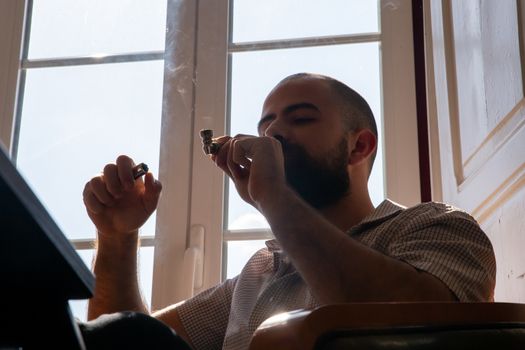
A bearded man smoking a pipe indoors, showcasing a relaxed and contemplative moment.Photo: Kampus Production / Pexels
Understanding the recreational cannabis age California is only one piece of the puzzle; knowing where you can legally consume cannabis is equally crucial. While adults 21 and over can purchase and possess cannabis, consumption laws are more restrictive, primarily aimed at public safety and preventing secondhand exposure. The general rule of thumb is: consume in private, not in public. Legal consumption is generally limited to private residences or on private property where the owner has given explicit permission. This means your own home, a friend's house (with their consent), or certain licensed cannabis consumption lounges (which are still relatively rare but growing in number across the state). It is strictly illegal to consume cannabis in any public place. This includes parks, sidewalks, beaches, restaurants, bars, and any venue open to the general public. Even if you're in a private car, consuming cannabis while driving or as a passenger is illegal, much like open container laws for alcohol. Driving under the influence of cannabis is also illegal and carries severe penalties, akin to DUI for alcohol. Furthermore, cannabis consumption is prohibited in places where tobacco smoking is banned. This extends to workplaces, multi-unit housing (unless specifically allowed by the landlord), and within 1,000 feet of a school, daycare center, or youth center while children are present. Federal lands, such as national parks, national forests, and federal buildings, are also off-limits. Despite California's state-level legalization, cannabis remains federally illegal, and federal law always takes precedence on federal property. This is a critical distinction that many visitors, especially those from out of state, often overlook. Getting caught with cannabis on federal land can lead to federal charges, which are far more serious than state-level infractions. It's also important to be aware that even if you're consuming cannabis legally on private property, you must do so responsibly. Avoid creating a public nuisance, and be mindful of neighbors, especially if the smell could be an issue. Landlords have the right to prohibit cannabis consumption on their property, even if you meet the recreational cannabis age California. Always check your lease agreement or ask for clarification from your landlord if you are renting. The goal of these consumption laws is to strike a balance between individual freedom and public order, ensuring that the legalization of cannabis doesn't infringe upon the rights or safety of others. Ignorance of these laws is not a valid defense, so staying informed is paramount for legal and responsible cannabis use in California.

Common Mistakes and Misconceptions About California Cannabis Laws
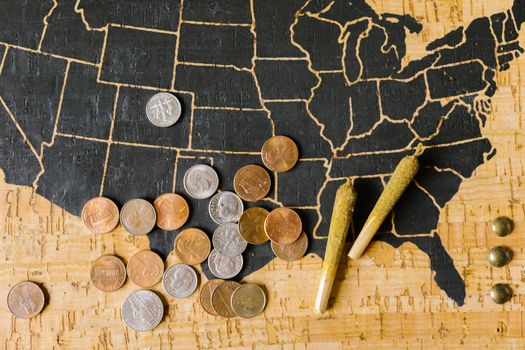
A USA map with cannabis joints and coins, symbolizing legal marijuana and its economic impact.Photo: RDNE Stock project / Pexels
While California has embraced recreational cannabis, a number of common mistakes and misconceptions persist, often leading to legal trouble for unsuspecting individuals. Understanding these pitfalls is crucial for anyone engaging with cannabis in the state. One significant misconception is that a medical cannabis card exempts individuals under 21 from the recreational age limit. This is incorrect. While medical cannabis patients as young as 18 can obtain a medical recommendation, this is for medical use only and does not grant the same privileges as recreational adult-use. The recreational cannabis age California remains steadfast at 21 for all non-medical purposes. Another frequent error involves interstate travel. Many assume that because cannabis is legal in California, they can transport it across state lines to other states where it might also be legal or even to states where it isn't. This is a serious federal offense. Transporting cannabis across state lines, even between two legal states, is illegal under federal law. The same applies to international borders. Do not attempt to take cannabis on planes, trains, or even drive it out of California. Furthermore, gifting cannabis is often misunderstood. While adults 21 and over can gift cannabis to other adults 21 and over, it must be within the legal possession limits, and no money or other compensation can be exchanged. Selling cannabis without a license, even informally between friends, is illegal. This means you cannot 'reimburse' someone for cannabis they gifted you. Finally, the legality of growing cannabis at home also has limitations. Adults 21 and over can cultivate up to six cannabis plants per residence, regardless of the number of adults living there. These plants must be grown in a locked, private area, out of public view. Exceeding six plants or growing them publicly can lead to fines and legal action. Always ensure your home grow adheres to these specific regulations. By avoiding these common errors and staying informed about the nuances of California's cannabis laws, particularly regarding the recreational cannabis age California, possession limits, and consumption guidelines, individuals can enjoy cannabis responsibly and legally.

Comparison

FeatureRecreational (21+)Medical (18+ with Rec)Illegal (Under 21 Rec)
Minimum Age21 years18 yearsUnder 21 years
ID Required
Purchase Limit (Flower)1 oz (28.5g)8 oz (226.8g)0
Purchase Limit (Concentrate)8 grams8 grams0
Public Consumption
Home Cultivation6 plants/residenceVaries by patient need

What Our Readers Say

5 ★★★★★

"The article clearly explained the recreational cannabis age in California and made me feel much more confident about visiting a dispensary. I appreciate the detail on ID requirements."

5 ★★★★★

"As a new resident, I was confused about the nuances of CA cannabis laws. This guide broke down the recreational cannabis age California and consumption rules perfectly. Very helpful!"

5 ★★★★★

"I used this guide before my first dispensary visit, and it helped me understand the possession limits and what to expect. Everything went smoothly, thanks to the clear information on recreational cannabis age California."

4 ★★★★☆

"Good overview, though I wish there was a bit more on specific types of licensed consumption lounges. Still, it clarified the recreational cannabis age California and public consumption laws very well."

5 ★★★★★

"The section on common mistakes was invaluable. I nearly made a mistake regarding gifting cannabis, but this article on recreational cannabis age California saved me from potential trouble. Highly recommend!"

Frequently Asked Questions

What is the exact recreational cannabis age in California?
The exact recreational cannabis age in California is 21 years old. This age limit applies to both purchasing and possessing cannabis for non-medical purposes. Valid government-issued identification is required at the time of purchase to verify your age, and dispensaries are legally obligated to deny sales to anyone under 21.
Can I use a medical card if I'm under 21?
Yes, if you are 18 years or older, you can obtain a medical cannabis recommendation from a licensed physician in California. However, this only grants you access to medical cannabis, not recreational. The recreational cannabis age California remains 21, even if you have a medical card.
Where can I legally buy recreational cannabis in California?
You can legally buy recreational cannabis only from state-licensed dispensaries in California. These dispensaries are regulated by the Department of Cannabis Control (DCC) and ensure that products are tested for safety and potency. Always look for a valid state license to ensure you are purchasing from a legal source.
How much recreational cannabis can I buy and possess at one time?
Adults aged 21 and over can purchase and possess up to 1 ounce (28.5 grams) of non-concentrated cannabis (flower) and up to 8 grams of concentrated cannabis (including edibles) per day. These limits are strictly enforced by dispensaries and law enforcement.
Is it legal to consume cannabis in public places in California?
No, it is strictly illegal to consume cannabis in public places in California. This includes parks, sidewalks, beaches, restaurants, and any area accessible to the public. Consumption is generally limited to private residences or on private property with the owner's permission. Public consumption can result in fines.
Who should be most aware of California's recreational cannabis laws?
Anyone living in or visiting California who intends to purchase, possess, or consume cannabis should be thoroughly aware of these laws. This includes ensuring they meet the recreational cannabis age California, understanding possession limits, and knowing where consumption is permitted to avoid legal issues.
What are the risks of buying cannabis from an unlicensed source?
Buying cannabis from an unlicensed source carries significant risks, including products that are untested, potentially contaminated with pesticides or heavy metals, and inaccurate labeling of potency. It is also illegal and can lead to legal penalties for both the buyer and seller.
Are there any future changes expected to the recreational cannabis age in California?
While cannabis laws are subject to ongoing review and potential amendments, there are currently no active legislative efforts to change the recreational cannabis age California from 21. The 21-year-old age limit is widely accepted and aligns with national standards for other controlled substances.

Navigating the world of recreational cannabis in California is straightforward once you understand the core regulations. Always remember the recreational cannabis age California is 21, purchase from licensed dispensaries, and consume responsibly in private. Stay informed and enjoy California's legal cannabis market safely and compliantly.

Topics: recreational cannabis age CaliforniaCalifornia cannabis lawslegal weed age CAcannabis regulations Californiaadult-use cannabis CA
Leo List
Brampton weed
Adultwork