✓ The legal recreational cannabis age in California is 21 years old.
✓ Adults 21+ can possess up to 1 ounce (28.5 grams) of dried cannabis or 8 grams of concentrated cannabis.
✓ It is illegal to consume cannabis in public places, including sidewalks and parks.
✓ Driving under the influence of cannabis is strictly prohibited and carries severe penalties.
How It Works
1
Verify Your Age
Before purchasing or consuming recreational cannabis in California, ensure you are at least 21 years old. Retailers will require valid government-issued identification.
2
Locate Licensed Dispensaries
Only purchase cannabis products from state-licensed dispensaries. These establishments adhere to strict safety and quality regulations, ensuring product integrity.
3
Understand Purchase Limits
Familiarize yourself with the daily purchase limits for cannabis flower and concentrates. This helps you stay compliant with California state law.
4
Consume Responsibly and Legally
Always consume cannabis in private residences or designated consumption areas, never in public. Be aware of local ordinances that may further restrict usage.
The Legal Framework: Recreational Cannabis Age California and Beyond
Photo: Cannafornia / Pexels
California's journey to legalizing recreational cannabis has been a long and complex one, culminating in the passage of Proposition 64, the Adult Use of Marijuana Act (AUMA), in November 2016. This landmark legislation fundamentally reshaped the state's approach to cannabis, moving from a strictly prohibited substance to a regulated adult-use commodity. Central to this new framework is the establishment of the legal recreational cannabis age California, which is set at 21 years old. This age requirement aligns with alcohol consumption laws, reflecting a consistent approach to substances deemed suitable for adult use. Understanding this age limit is the absolute first step for anyone considering purchasing, possessing, or consuming cannabis in the Golden State. It's not merely a suggestion but a strict legal mandate enforced across all licensed dispensaries and consumption scenarios. Any attempt to purchase or possess cannabis under this age, without a valid medical recommendation, is illegal and can lead to significant legal consequences, including fines, community service, and potential impacts on one's driving record or future opportunities.
Beyond the age restriction, Proposition 64 also laid out a comprehensive regulatory scheme covering cultivation, manufacturing, testing, distribution, and retail sales. This intricate system is designed to ensure product safety, prevent illicit market activity, and generate tax revenue for the state. The Bureau of Cannabis Control (BCC), now part of the Department of Cannabis Control (DCC), was established to oversee the licensing and regulation of all commercial cannabis activity. Their role is crucial in maintaining a transparent and accountable cannabis market. For consumers, this means that every product purchased from a licensed dispensary has undergone rigorous testing for pesticides, heavy metals, and potency, providing a layer of safety and confidence that was non-existent in the black market.
It's important to note that while state law permits recreational cannabis use for adults 21 and over, local jurisdictions in California retain the right to impose their own additional regulations or even outright ban commercial cannabis businesses within their borders. This creates a patchwork of rules across the state, making it essential for consumers to be aware of local ordinances in addition to statewide laws. For instance, some cities might allow dispensaries but prohibit consumption lounges, while others might ban all commercial cannabis activity. This localized control can sometimes be confusing for visitors or new residents, highlighting the importance of doing a little research before assuming full legality in any given area.
Furthermore, the law explicitly prohibits public consumption of cannabis, driving under the influence, and transporting cannabis across state lines. These prohibitions are critical to maintaining public order and safety. While cannabis is legal, it is not treated the same as tobacco or alcohol in all public spaces. Consumption is generally restricted to private residences or specially licensed consumption sites, which are still relatively rare. The penalties for driving under the influence of cannabis are comparable to those for alcohol, emphasizing the state's commitment to road safety. Understanding these nuances is vital for responsible cannabis use in California and for avoiding potential legal pitfalls. The legal landscape continues to evolve, with ongoing legislative efforts to refine and improve the existing regulations, making it a dynamic area that requires continuous attention for both consumers and businesses. For more information on the broader regulations, you can explore resources on cannabis laws in California.
Navigating Purchase and Possession Limits for Adults 21+
Photo: Cannafornia / Pexels
Once you've established that you meet the recreational cannabis age California requirement of 21, the next crucial step is understanding the specific limits on how much cannabis you can legally purchase and possess. These limits are not arbitrary; they are carefully calibrated to allow for personal adult use while discouraging large-scale illicit distribution. For dried cannabis, also commonly referred to as flower or bud, adults 21 years and older are permitted to possess up to 1 ounce, which is equivalent to 28.5 grams. This amount is generally sufficient for personal recreational use over a reasonable period. When it comes to concentrated cannabis, which includes products like vape cartridges, edibles, tinctures, and oils, the limit is set at 8 grams. It's important to understand that these two categories are distinct, and the limits apply to each independently. For example, you can possess 1 ounce of dried flower AND 8 grams of concentrate simultaneously, as long as neither individual limit is exceeded.
These possession limits apply to cannabis that is not growing. If you are cultivating cannabis for personal use, different rules apply regarding the number of plants. However, for purchased products, these are the caps you must adhere to. When purchasing from a licensed dispensary, the sales system will typically track your purchases to ensure you do not exceed daily limits. This automated tracking helps both the consumer and the retailer remain compliant with state law. Attempting to purchase more than the legal limit, even inadvertently, can lead to a refusal of sale and potentially raise flags with regulators. Therefore, being mindful of these quantities before heading to a dispensary is a good practice.
Beyond just the quantity, the form factor of cannabis products also plays a role. Edibles, for instance, are regulated not just by their total weight in concentrate but also by the total amount of THC per package. California law dictates that a single serving of an edible product cannot exceed 10 milligrams of THC, and a single package cannot contain more than 100 milligrams of THC. This is designed to promote responsible consumption and prevent accidental over-intake, especially for novice users. Dispensary staff are usually well-versed in these regulations and can help guide you through the various product types and their respective limits. Don't hesitate to ask questions if you're unsure about any product's compliance with the law.
It's also vital to remember that these limits are for personal use only. The law explicitly prohibits selling or distributing cannabis without proper state licensing. Sharing small amounts of cannabis with another adult 21 years or older is generally permissible, but any transaction involving money or a significant transfer of product could be construed as illegal distribution. The intent behind these limits is to allow adults to enjoy cannabis responsibly, not to facilitate an unregulated market. Keeping cannabis in its original, sealed packaging from a licensed dispensary can also be helpful if you ever need to demonstrate legal possession. This helps verify that the product was legally acquired and falls within regulated parameters, reinforcing your compliance with the recreational cannabis age California laws and associated possession limits.
Where Can You Legally Consume Cannabis in California?
Photo: Elsa Olofsson / Pexels
Understanding the recreational cannabis age California is just one piece of the puzzle; knowing *where* you can legally consume it is equally, if not more, important. Despite cannabis being legal for adults 21 and over, California maintains strict regulations regarding public consumption, largely mirroring those for alcohol. The general rule of thumb is: if you can't drink alcohol there, you likely can't consume cannabis there either. This means that consuming cannabis in public places, such as sidewalks, parks, beaches, restaurants, bars, and even in your car (whether parked or moving), is strictly prohibited. Violating these rules can result in fines and other legal penalties, even if you are of legal age and possess a legal amount of cannabis. The intent behind these restrictions is to prevent public nuisance, protect minors, and respect individuals who do not wish to be exposed to cannabis smoke or scent.
The primary place where adults 21+ can legally consume cannabis is in a private residence. This includes your own home or the home of another adult who has given you permission. It's essential to respect property owners' rules, as landlords have the right to prohibit cannabis use on their property, even if it's otherwise legal under state law. This is similar to how landlords can prohibit smoking tobacco or alcohol consumption in rental agreements. Therefore, always check your lease agreement or ask for permission before consuming cannabis in a rented property or someone else's home.
An emerging option for legal consumption is state-licensed cannabis consumption lounges. These establishments, often co-located with dispensaries, are specifically designed and regulated for on-site cannabis use. They provide a safe, controlled environment where adults can legally consume various cannabis products. However, the availability of consumption lounges varies significantly across California, as local jurisdictions must approve and license them. Many cities and counties have yet to authorize such venues, so it's not a widespread option in all areas. If you're traveling or visiting, it's advisable to check if any licensed consumption lounges are available in your specific destination.
Furthermore, consuming cannabis on federal lands, such as national parks, forests, and federal buildings, is illegal, regardless of California's state laws. Federal law still classifies cannabis as an illegal Schedule I controlled substance, and federal jurisdiction supersedes state law in these areas. This is a critical distinction that many people overlook, leading to potential federal charges which can be far more severe than state-level infractions. Similarly, it is illegal to transport cannabis across state lines, even if both states have legalized cannabis. This falls under federal jurisdiction regarding interstate commerce and drug trafficking. Always ensure your cannabis consumption and possession remain within California's borders and comply with all local and state regulations. Understanding these limitations is as crucial as knowing the cannabis age requirements to ensure a responsible and lawful experience.
Key Tips and Common Mistakes to Avoid with CA Cannabis Laws
Photo: Cannafornia / Pexels
Navigating California's recreational cannabis laws, particularly concerning the recreational cannabis age California and associated regulations, can be complex. To ensure a smooth and legal experience, here are some key tips and common mistakes to avoid:
**Tips for Responsible Cannabis Use in California:**
* **Always Carry ID:** Even if you look well over 21, dispensaries and law enforcement can (and will) ask for valid government-issued identification to verify your age. Keep it with you when purchasing or consuming.
* **Purchase from Licensed Retailers:** Only buy cannabis products from state-licensed dispensaries. Look for the state license number on their signage or website. This guarantees products are tested for safety and potency, and that the sale is legal.
* **Understand Product Labeling:** California requires comprehensive labeling on all cannabis products, including THC/CBD content, ingredients, and testing information. Read these labels carefully to make informed choices and understand dosage.
* **Start Low, Go Slow (Especially with Edibles):** Cannabis affects everyone differently. Edibles, in particular, can take longer to feel effects and can be more potent. Begin with a low dose (e.g., 2.5-5mg THC for edibles) and wait at least an hour or two before considering more.
* **Store Safely and Out of Reach of Minors:** Keep all cannabis products, especially edibles that might resemble candy, in child-resistant packaging and stored securely away from children and pets.
* **Be Aware of Local Laws:** While state law sets the baseline, individual cities and counties can have stricter rules regarding dispensaries, consumption lounges, and even cultivation. A quick online search for your specific location can prevent issues.
**Common Mistakes to Avoid:**
* **Consuming in Public:** This is one of the most common violations. Public consumption, including in vehicles, is illegal and can lead to fines. Stick to private residences or designated consumption areas.
* **Driving Under the Influence:** Just like alcohol, driving impaired by cannabis is illegal and extremely dangerous. DUI laws apply equally to cannabis, with serious penalties including license suspension, fines, and jail time.
* **Buying from Unlicensed Sources:** The black market still exists. Unlicensed products are not tested, can contain harmful contaminants, and purchasing from them supports illegal activity. Always verify a dispensary's license.
* **Transporting Across State Lines or on Federal Land:** California's laws do not extend beyond its borders or onto federal property. Doing so can result in severe federal charges, regardless of state legality.
* **Ignoring Landlord or Employer Policies:** Your landlord can prohibit cannabis use in your rental, and employers can maintain drug-free workplaces. State law doesn't override these private agreements.
* **Over-Purchasing:** Exceeding the legal possession limits (1 ounce dried, 8 grams concentrate) can lead to legal issues. Be mindful of how much you buy and possess at any given time.
By following these tips and avoiding common pitfalls, you can ensure your experience with recreational cannabis in California is both enjoyable and fully compliant with the law.
Comparison
Feature
Recreational (21+)
Medical (18+ with Rec.)
Underage (Under 21)
Minimum Age
21 years
18 years
Illegal
Possession Limit (Flower)
1 oz (28.5g)
Up to 8 oz (226.8g)*
Zero Tolerance
Possession Limit (Concentrates)
8 grams
Up to 8 grams*
Zero Tolerance
Public Consumption
✗ Illegal
✗ Illegal
✗ Illegal
Purchase from Licensed Dispensary
✓
✓ (with medical card)
✗ Illegal
Cultivation (Personal Use)
6 plants
More than 6 plants (with doctor's rec.)
✗ Illegal
What Readers Say
★★★★★
"This article clarified so many questions I had about the recreational cannabis age in California. I now feel much more confident about purchasing legally and understanding the nuances."
Sarah J. · Los Angeles, CA
★★★★★
"Extremely helpful breakdown of CA's cannabis laws. The section on consumption locations was particularly useful – I didn't realize how strict public consumption rules were."
Mark D. · San Francisco, CA
★★★★★
"Thanks to this guide, I avoided a potential mistake with possession limits. The clear explanation of flower vs. concentrate limits was a game-changer for me."
Jessica L. · San Diego, CA
★★★★★
"Good overview, though I wish there was a bit more detail on specific local ordinances. Still, a solid resource for understanding the recreational cannabis age in California."
Chris P. · Sacramento, CA
★★★★★
"As a new resident, understanding California's cannabis regulations was crucial. This article provided all the essential information in an easy-to-digest format, especially about the 21+ age rule."
Emily R. · Oakland, CA
Frequently Asked Questions
What is the legal recreational cannabis age in California?
The legal recreational cannabis age in California is 21 years old. This applies to purchasing, possessing, and consuming cannabis for non-medical purposes. You must present a valid, government-issued identification to verify your age at any licensed dispensary.
Can I consume recreational cannabis in public places in California?
No, it is illegal to consume recreational cannabis in public places in California, including sidewalks, parks, beaches, and in vehicles. Consumption is generally restricted to private residences or state-licensed consumption lounges, where available.
How much recreational cannabis can I legally possess in California?
Adults 21 and over can legally possess up to 1 ounce (28.5 grams) of dried cannabis flower or up to 8 grams of concentrated cannabis. These limits apply to personal use and are separate for flower and concentrates.
Are there different rules for medical cannabis patients in California?
Yes, medical cannabis patients aged 18 and older with a valid doctor's recommendation and state medical marijuana card often have higher possession and cultivation limits compared to recreational users. They are also exempt from certain sales taxes.
Can I buy recreational cannabis online in California?
While you can browse and reserve cannabis products online from licensed dispensaries, the final purchase and age verification must typically occur in person at the dispensary or through a licensed delivery service where the delivery driver verifies your age upon arrival.
Who should be most aware of the recreational cannabis age California laws?
Anyone over the age of 18 considering cannabis use in California should be acutely aware of these laws. This includes residents, tourists, and especially those approaching their 21st birthday, to ensure full compliance and avoid legal issues.
What are the penalties for underage possession of cannabis in California?
For individuals under 21, possession of cannabis can lead to fines, community service, and mandatory drug education or counseling. Driving under the influence while underage can result in severe penalties, including license suspension.
How might California's recreational cannabis age laws evolve in the future?
California's cannabis laws are continuously reviewed and refined. Future changes might include expanded availability of consumption lounges, adjustments to tax structures, or further harmonization of regulations across local jurisdictions, always with an eye towards public safety and market efficiency.
Understanding the recreational cannabis age California and its accompanying regulations is essential for legal and responsible consumption. Empower yourself with this knowledge, ensuring your cannabis experiences in the Golden State are always compliant and enjoyable. Stay informed and consume wisely!

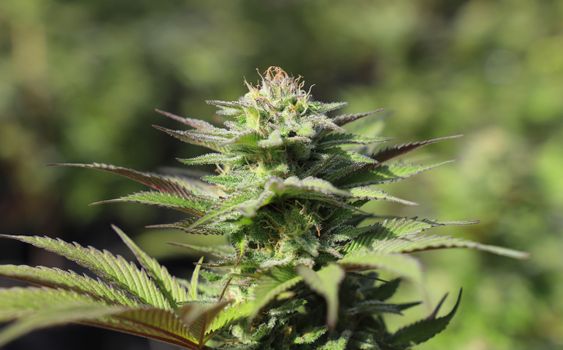 Photo: Cannafornia / Pexels
 Photo: Cannafornia / Pexels
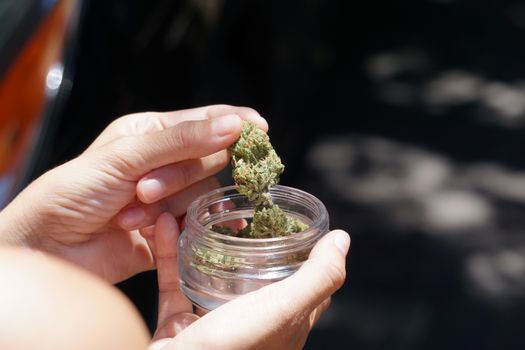 Photo: Elsa Olofsson / Pexels
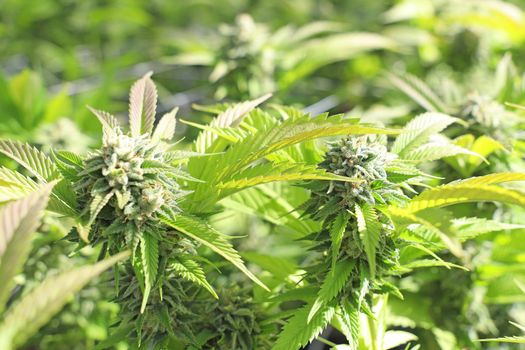 Photo: Cannafornia / Pexels