Navigating Recreational Cannabis Laws California 2024
recreational cannabis laws California 2024

Navigating Recreational Cannabis Laws California 2024

Your comprehensive guide to understanding California's evolving recreational cannabis landscape for 2024.

Explore the Laws

Key Takeaways

  • ✓ Adults 21+ can legally possess up to 1 ounce of cannabis flower or 8 grams of concentrate.
  • ✓ Cannabis consumption is generally prohibited in public places and while driving.
  • ✓ Purchases must be made from licensed dispensaries; delivery services are also legal.
  • ✓ Local jurisdictions have significant control over cannabis business operations and zoning.

How It Works

1
Understand Age Restrictions

Ensure you are 21 years or older to legally purchase, possess, or consume recreational cannabis in California. Valid ID is always required for transactions.

2
Know Possession Limits

Familiarize yourself with the maximum amounts of cannabis flower (1 ounce) and concentrates (8 grams) you can legally possess at any given time. Exceeding these limits can lead to legal penalties.

3
Identify Legal Purchase Points

Only buy cannabis from state-licensed dispensaries or delivery services. Purchasing from unlicensed sources is illegal and unregulated, posing potential health and legal risks.

4
Comply with Consumption Rules

Be aware that public consumption of cannabis is illegal. Always consume in private residences or designated areas, and never operate a vehicle under the influence.

Understanding California's Cannabis Regulatory Framework for 2024
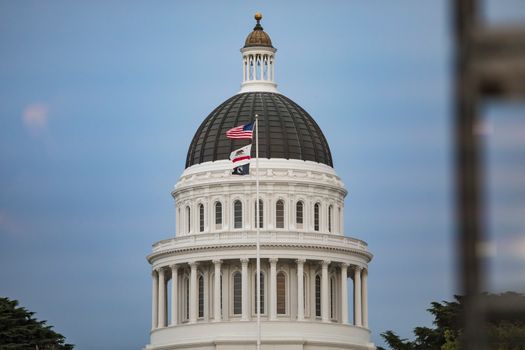
View of California State Capitol dome with American and state flags. Photo: Stephen Leonardi / Pexels
California's journey to legalizing recreational cannabis has been a long and complex one, culminating in Proposition 64, the Adult Use of Marijuana Act (AUMA), passed by voters in November 2016. This landmark legislation fundamentally reshaped the state's approach to cannabis, moving it from a strictly prohibited substance to a regulated adult-use commodity. As we delve into recreational cannabis laws California 2024, it's crucial to understand the foundational principles established by AUMA and how they continue to evolve. The overarching goal of the state's regulatory bodies, primarily the Department of Cannabis Control (DCC), is to create a safe, transparent, and equitable cannabis market. This involves stringent licensing requirements for cultivators, manufacturers, distributors, testing labs, and retailers, ensuring products meet safety and quality standards before reaching consumers. The DCC consolidates oversight from three former agencies, streamlining the regulatory process and providing a single point of contact for businesses and consumers alike. This centralization aims to reduce confusion, improve enforcement, and foster a more efficient market. For consumers, this means a greater assurance that the products purchased from licensed dispensaries have undergone rigorous testing for pesticides, heavy metals, and potency, protecting public health. Beyond product safety, the regulatory framework also addresses issues of social equity, attempting to redress the harms caused by decades of cannabis prohibition on disproportionately affected communities. Various programs and initiatives are in place to support individuals and businesses from these communities in entering and thriving within the legal cannabis industry. This includes providing grants, technical assistance, and reduced licensing fees. The state's commitment to social equity is a continuous effort, with ongoing discussions and adjustments to ensure these programs are effective and reach those most in need. Understanding these broader regulatory goals helps frame the specific laws and regulations that consumers encounter daily. It's not just about what you can possess or where you can consume; it's about participating in a regulated system designed with public safety, economic development, and social justice in mind. Always consult official sources like the DCC website for the most up-to-date information on California cannabis regulations. The landscape is dynamic, and staying informed is key to responsible participation in the legal market.

Possession, Purchase, and Consumption: What's Legal in CA
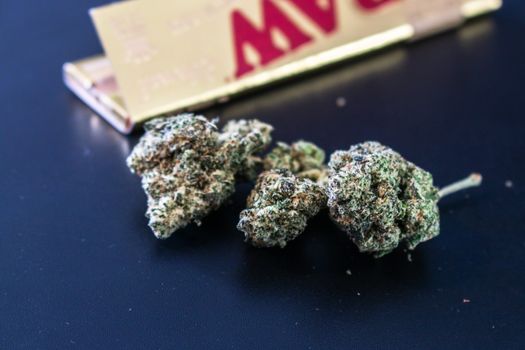
Macro image of cannabis buds accompanied by rolling paper on a dark surface. Photo: Terrance Barksdale / Pexels
For adults aged 21 and over, the recreational cannabis laws California 2024 specify clear guidelines regarding possession, purchase, and consumption. When it comes to possession, individuals can legally carry up to 1 ounce (28.5 grams) of non-concentrated cannabis, such as flower, or up to 8 grams of concentrated cannabis, which includes products like vape cartridges, oils, and edibles with specific THC content limits. It's important to distinguish between these forms, as exceeding either limit can result in legal consequences. Cultivation is also permitted for personal use, allowing adults to grow up to six cannabis plants at their private residence, either indoors or in a secure, private outdoor area. These plants must not be visible from a public place, and local ordinances may impose additional restrictions or outright bans on outdoor cultivation, so checking with local authorities is always a wise step. Purchasing cannabis legally in California is restricted to state-licensed dispensaries, identified by their official license displayed prominently. These dispensaries can be brick-and-mortar stores or licensed delivery services. It is illegal and highly risky to purchase cannabis from unlicensed sources, as these products are not subject to the state's rigorous testing and safety standards. When purchasing, consumers must present a valid government-issued identification proving they are 21 or older. The amount that can be purchased in a single transaction generally aligns with the possession limits, ensuring that individuals do not immediately exceed legal carrying amounts. Licensed dispensaries are also required to track sales, and consumers should be aware that their purchases are part of a regulated system designed for safety and compliance. Consumption laws are particularly strict regarding public use. It remains illegal to consume cannabis in public places, including sidewalks, parks, restaurants, and bars. This prohibition extends to smoking, vaping, and even consuming edibles in public view. The safest and most legally compliant place to consume cannabis is within a private residence. Landlords have the right to prohibit cannabis consumption on their property, even if it's a private residence, so renters should be mindful of their lease agreements. Furthermore, driving under the influence of cannabis is illegal and carries severe penalties, similar to alcohol DUI laws. Law enforcement uses various methods to determine impairment, and it's crucial to understand that even if you feel capable of driving, detectable levels of cannabis in your system can lead to charges. Transporting cannabis must also be done responsibly; it should be in a sealed container or the trunk of your vehicle, out of reach of the driver and passengers, to avoid potential open-container violations. These stringent rules emphasize the state's commitment to public safety and responsible cannabis use.

Navigating Local Ordinances and Business Operations

Iconic Los Angeles City Hall illuminated by a dramatic sky at sunset, showcasing urban architecture. Photo: Willbone Gallery / Pexels
While California's state law provides a broad framework for recreational cannabis, a significant aspect of the recreational cannabis laws California 2024 involves the substantial authority granted to local jurisdictions. Cities and counties have the power to enact their own ordinances that can further restrict or even ban cannabis businesses within their boundaries. This means that while cannabis is legal statewide, the availability of dispensaries, cultivation sites, and manufacturing facilities can vary dramatically from one municipality to another. Some cities have embraced the cannabis industry, establishing comprehensive regulatory schemes that allow for a wide range of business types, while others have opted for outright bans or severely limited the types and numbers of operations. This patchwork of local regulations creates a complex landscape for both consumers and businesses. For consumers, it means that finding a licensed dispensary might require traveling beyond their immediate neighborhood or city, depending on where they reside. For businesses, navigating these varied local rules is a primary challenge, often requiring extensive legal and political engagement to secure the necessary permits and approvals. Local control extends to zoning, operating hours, types of licenses issued, and even specific product restrictions. For example, one city might allow for consumption lounges, while a neighboring city strictly prohibits them. Another might have very specific requirements for the security systems in dispensaries or the environmental impact of cultivation facilities. These local ordinances are often developed through community input and reflect the specific concerns and priorities of that area. Understanding these local nuances is critical for anyone looking to engage with the legal cannabis market, whether as a consumer or an entrepreneur. The Department of Cannabis Control (DCC) provides a statewide licensing system, but local authorization is almost always a prerequisite for obtaining a state license. This dual-licensing requirement ensures that both state-level safety and compliance standards, as well as local community preferences, are respected. Consumers should always check with their local city or county government websites or visit the DCC's licensee search tool to identify licensed businesses operating legally within a specific area. This due diligence ensures that purchases are made from legitimate sources, thereby supporting the regulated market and ensuring product safety. The ongoing evolution of these local ordinances means that the landscape is continually shifting, making continuous education on CA marijuana laws essential for all stakeholders.

Common Mistakes to Avoid and Tips for Responsible Use
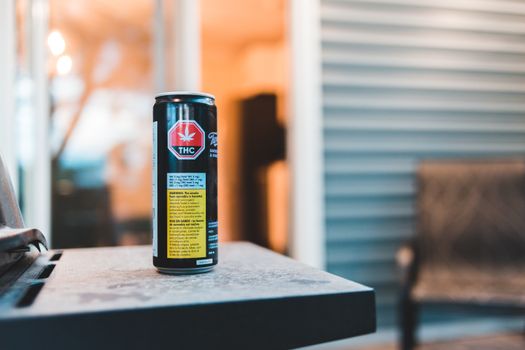
Colorful can of cannabis drink with text and image on shiny surface in building Photo: Erik Mclean / Pexels
Navigating the complexities of recreational cannabis laws California 2024 can be tricky, and even well-intentioned individuals can make mistakes. Understanding common pitfalls and adopting responsible use practices will ensure a safe and compliant experience. **Common Mistakes to Avoid:** * **Buying from Unlicensed Sources:** This is perhaps the biggest mistake. Unlicensed products are unregulated, untested, and can contain harmful contaminants or inaccurate potency levels. Always verify a dispensary's license. * **Public Consumption:** Even in cannabis-friendly California, consuming cannabis in public spaces is illegal. This includes sidewalks, parks, beaches, and even within view of the public on your private property if local ordinances are strict. * **Driving Under the Influence (DUI):** Operating a vehicle while impaired by cannabis is a serious offense with severe legal consequences, similar to alcohol DUI. Don't drive high. * **Exceeding Possession Limits:** While 1 ounce of flower or 8 grams of concentrate seems generous, carrying more than this can lead to citations or arrests. * **Transporting Improperly:** Cannabis should be in a sealed container, ideally in the trunk or a place not readily accessible to the driver or passengers, to avoid 'open container' type violations. * **Ignoring Local Ordinances:** Assuming statewide legality means legality everywhere is a common error. Always check local city and county rules, especially for cultivation or specific business types. * **Interstate Travel:** Taking cannabis across state lines, even to another legal state, is a federal offense and highly illegal. Do not transport cannabis outside of California. **Tips for Responsible Use:** * **Start Low, Go Slow:** Especially with edibles, effects can be delayed and more intense. Begin with a low dose and wait to understand its effects before consuming more. * **Keep Out of Reach of Minors:** Store all cannabis products in child-proof containers, locked away and out of sight from children and pets. * **Educate Yourself on Products:** Understand the difference between THC and CBD, and research different strains and product types to find what suits your needs. * **Designate a Consumption Space:** If you're a renter, know your landlord's rules. If you own, ensure your consumption is private and not visible from public areas. * **Dispose of Waste Properly:** Dispose of cannabis waste responsibly, just as you would other household waste. * **Stay Informed:** The laws can change. Regularly check official state and local government websites for updates on recreational cannabis laws California 2024. By being mindful of these points, you can enjoy the benefits of legal cannabis in California while remaining safe and compliant with the law.

Comparison

FeatureAdult Use (Recreational)Medical Use (with Card)Illegal Market
Age Requirement21+18+ (with doctor's recommendation)Any age
Possession Limit (Flower)1 oz (28.5g)8 oz (226.8g) or as recommendedUnlimited, but illegal
Cultivation Limit (Home)6 plantsUp to 12 plants or as recommendedUnlimited, but illegal
Purchase SourceLicensed dispensariesLicensed dispensariesUnregulated dealers
Product Testing✓ (Mandatory)✓ (Mandatory)✗ (None)
TaxesHigh (state & local)Lower (exempt from some taxes)✗ (None, but illegal)
Public Consumption✗ (Illegal)✗ (Illegal)✗ (Illegal, often ignored)

What Readers Say

"This article was incredibly helpful for understanding the recreational cannabis laws California 2024. I feel much more confident about purchasing legally and consuming responsibly now."

Sarah J. · Los Angeles, CA

"As a new resident, I was confused by the local rules. This guide clearly explained the state vs. local distinctions for recreational cannabis laws California 2024, which was exactly what I needed."

Mark D. · San Francisco, CA

"The section on common mistakes saved me from a potential legal issue regarding public consumption. Thanks to understanding recreational cannabis laws California 2024, I avoided a fine."

Jessica L. · San Diego, CA

"While very thorough, I wish there was a bit more detail on specific local city ordinances. Still, a fantastic resource for the general recreational cannabis laws California 2024."

Carlos M. · Oakland, CA

"The comparison table was brilliant! It clearly laid out the differences between recreational, medical, and the illegal market, providing a clear overview of recreational cannabis laws California 2024."

Emily R. · Sacramento, CA

Frequently Asked Questions

What are the primary possession limits for recreational cannabis in California for 2024?

As of 2024, adults 21 years or older can legally possess up to 1 ounce (28.5 grams) of non-concentrated cannabis, such as flower, or up to 8 grams of concentrated cannabis. Exceeding these limits can lead to legal penalties, so always be mindful of the amounts you are carrying.

Is it legal to consume cannabis in public places in California?

No, it is generally illegal to consume cannabis in public places in California, regardless of whether it's smoking, vaping, or edibles. Consumption is restricted to private residences or designated consumption lounges, where permitted by local ordinance. Always err on the side of caution and consume in private.

How can I ensure I am purchasing cannabis from a legal source?

To ensure you are purchasing from a legal source, always buy cannabis from state-licensed dispensaries or delivery services. Look for their official state license prominently displayed in-store or verify their license number through the California Department of Cannabis Control (DCC) website. Avoid unregulated, unlicensed sellers at all costs.

Are there specific taxes on recreational cannabis purchases in California?

Yes, recreational cannabis purchases in California are subject to several taxes, including a state excise tax, a cultivation tax, and local city and/or county taxes. These taxes contribute to the overall price of cannabis products and fund various state and local programs, including cannabis regulation and community reinvestment.

How do California's recreational cannabis laws compare to medical cannabis laws?

While both allow for cannabis use, medical cannabis laws often have different possession and cultivation limits, which can be higher based on a patient's doctor's recommendation. Medical patients may also be exempt from certain state sales taxes, making it a more cost-effective option for those with qualifying conditions. Age limits also differ, with medical patients able to be 18+.

Who should be most aware of the recreational cannabis laws California 2024?

Everyone residing in or visiting California who intends to purchase, possess, or consume cannabis should be thoroughly aware of these laws. This includes adult residents, tourists, and particularly those involved in the cannabis industry, to ensure compliance and avoid legal repercussions.

What are the risks of purchasing cannabis from an unlicensed dealer?

The risks of purchasing from an unlicensed dealer are significant and include health hazards from untested products (which may contain pesticides, heavy metals, or mold), inaccurate potency labeling, and potential legal consequences for supporting the illicit market. Unlicensed products offer no consumer protections.

Will the recreational cannabis laws in California change significantly in the near future?

The recreational cannabis laws in California are dynamic and subject to ongoing legislative review and local ordinance changes. While major overhauls are not typically annual, minor adjustments, clarifications, and new regulations are common. Staying informed through official state resources like the DCC is the best way to track future trends and changes.

Understanding the recreational cannabis laws California 2024 is essential for safe and legal enjoyment of cannabis. By staying informed about possession limits, consumption rules, and licensed purchasing options, you can navigate California's cannabis landscape responsibly and confidently.

Topics: recreational cannabis laws California 2024California cannabis regulationsCA marijuana lawscannabis possession limitslegal weed California
Leo List

DK Escorts LU Escorts AT Escorts SE Escorts FI Escorts CH Escorts DE Escorts HR Escorts IE Escorts GR Escorts CZ Escorts NO Escorts BE Escorts FR Escorts SI Escorts IL Escorts NL Escorts PL Escorts HU Escorts ES Escorts IT Escorts PT Escorts SK Escorts RO Escorts ZA Escorts UY Escorts US Escorts UK Escorts NZ Escorts AU Escorts
Brampton weed
Adultwork EstrelaBet Vai de Bet R7 Bet Betão Galera Bet Rainbet Bet9ja Shop SportyBet BetKing Sisal Loto Foot Hollywoodbets YesPlay Odibets RushBet Jugabet BetWarrior BetCity MSport betPawa Fortebet