Navigating Recreational Cannabis Laws California: Your Essential Guide
recreational cannabis laws California

Navigating Recreational Cannabis Laws California: Your Essential Guide

Unlock comprehensive clarity on California's recreational cannabis laws to enjoy responsibly and legally.

Understand the Laws

Key Takeaways

  • ✓ Adults 21+ can possess up to 1 ounce (28.5 grams) of cannabis flower or 8 grams of concentrated cannabis.
  • ✓ Cultivation is legal for up to six mature plants per residence, indoors or in a secure, private outdoor area.
  • ✓ Public consumption of cannabis is generally prohibited, including in places where tobacco smoking is banned.
  • ✓ Driving under the influence of cannabis is illegal and carries severe penalties.
  • ✓ Retail cannabis sales must occur through state-licensed dispensaries.

How It Works

1
Know Your Possession Limits

Familiarize yourself with the exact quantities of cannabis flower and concentrates you are legally allowed to possess. Exceeding these limits can lead to legal consequences.

2
Understand Consumption Restrictions

Identify approved locations for cannabis consumption, primarily private residences. Avoid public spaces, federal lands, and areas where smoking is generally prohibited.

3
Learn Cultivation Rules

If you plan to grow cannabis, understand the six-plant limit per household and the requirements for secure, discreet cultivation. Check local ordinances, as some cities have additional restrictions.

4
Purchase from Licensed Retailers

Always buy cannabis products from state-licensed dispensaries. This ensures product safety, quality, and compliance with California's strict testing regulations.

The Evolution of Recreational Cannabis Laws in California
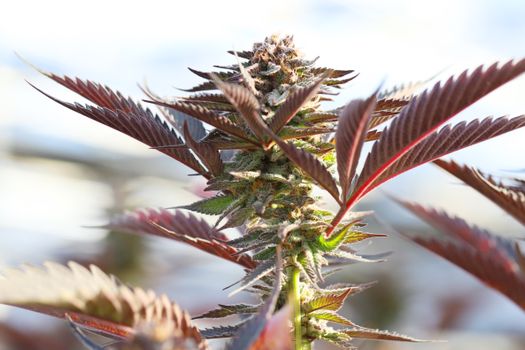
Detailed close-up of a vibrant cannabis plant with lush leaves in Salinas, CA. Photo: Cannafornia / Pexels
California has a long and pioneering history with cannabis, dating back to the Compassionate Use Act of 1996, which legalized medical marijuana. However, the landscape dramatically shifted with the passage of Proposition 64, the Adult Use of Marijuana Act (AUMA), in November 2016. This landmark legislation fundamentally reshaped recreational cannabis laws California, making it legal for adults 21 and older to possess, consume, and cultivate cannabis for non-medical purposes. The journey from medical-only access to a full-fledged adult-use market was complex, involving extensive regulatory development and public discourse. Initially, the state established a dual licensing system, allowing both medical and adult-use cannabis businesses to operate under distinct, yet often overlapping, frameworks. This period saw the creation of the Bureau of Cannabis Control (BCC), now part of the Department of Cannabis Control (DCC), tasked with overseeing licensing and enforcing regulations for the entire commercial cannabis supply chain, from cultivation to retail. Understanding this evolution is crucial because many of the initial regulations and frameworks established post-Prop 64 continue to inform current practices. The intent behind AUMA was not just to legalize cannabis but to create a safe, regulated market that would eliminate the black market, generate tax revenue, and protect public health and safety. This involved stringent requirements for product testing, packaging, labeling, and advertising, all designed to ensure consumers receive safe and accurately described products. The transition wasn't without its challenges, including the slow rollout of local licenses, which led to a thriving illicit market in some areas. However, California's commitment to building a robust and responsible cannabis industry has remained steadfast. The state has continuously refined its regulations, often in response to feedback from consumers, businesses, and public safety officials. This ongoing adaptation demonstrates a proactive approach to managing a complex industry, ensuring that the recreational cannabis laws California remain dynamic and effective. For anyone engaging with cannabis in California, grasping this historical context provides a deeper appreciation for the regulatory environment they operate within today. It highlights the state's dedication to balancing individual freedoms with public welfare, setting a precedent for other states considering similar legalization efforts. The early challenges and subsequent refinements have made California a laboratory for cannabis policy, offering valuable lessons and insights into the practicalities of regulating a previously prohibited substance. This continuous improvement cycle is a hallmark of California's approach, aiming to create a balanced and sustainable cannabis market for all. The comprehensive nature of these laws reflects a commitment to consumer protection and responsible industry growth, making California a leader in cannabis regulation.

Understanding Legal Possession and Consumption Limits in California
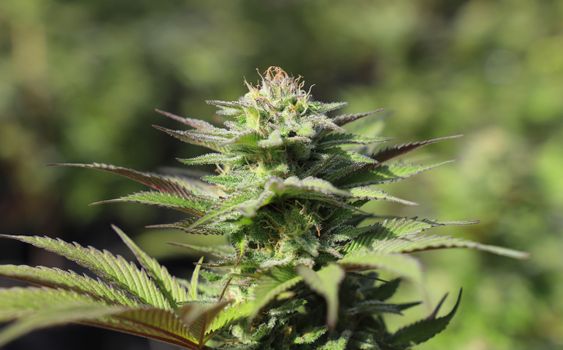
Detailed view of a cannabis plant in an outdoor setting, showcasing its vibrant green hues and intricate structure. Photo: Cannafornia / Pexels
One of the most critical aspects of recreational cannabis laws California is understanding the precise legal limits for possession and consumption. For adults aged 21 and over, the law permits possession of up to 1 ounce (28.5 grams) of non-concentrated cannabis, typically referred to as flower or bud. This limit applies to personal use and not for distribution or sale without a license. In addition to flower, individuals can possess up to 8 grams of concentrated cannabis. This includes products like vape cartridges, waxes, shatter, and edibles, where the cannabis extract is more potent. It's important to note that these limits are cumulative; you cannot possess 1 ounce of flower *and* 8 grams of concentrate *plus* an unlimited amount of edibles. The total psychoactive component is what's regulated, and edibles are typically measured by their THC content, contributing to the 8-gram concentrate equivalent. When it comes to consumption, the rules are equally strict. While recreational cannabis is legal, public consumption is largely prohibited. This means you cannot smoke, vape, or ingest cannabis in public places, including sidewalks, parks, beaches, restaurants, bars, and any location where tobacco smoking is banned. This also extends to federal lands, such as national parks and forests, where cannabis remains illegal under federal law, regardless of state regulations. The safest and most legally compliant place to consume cannabis is within a private residence, out of public view. Some cities and counties have also established licensed cannabis consumption lounges, which provide a legal and regulated environment for consumption. However, these are still relatively rare and subject to local approval. Driving under the influence of cannabis is strictly illegal. California has a zero-tolerance policy for impaired driving, and law enforcement can conduct field sobriety tests and require blood tests if they suspect impairment. The penalties for driving under the influence of cannabis are severe, mirroring those for alcohol-related DUIs, and can include fines, license suspension, and even jail time. Furthermore, it is illegal to consume cannabis in a vehicle, whether you are the driver or a passenger, and it is illegal to possess an open container of cannabis in a vehicle. Any cannabis transported in a vehicle must be in a sealed container or stored in the trunk. These stringent rules regarding possession and consumption are designed to balance individual freedom with public safety and order. Adhering to these limits and consumption restrictions is paramount for anyone navigating recreational cannabis laws California and wishing to avoid legal complications. Always double-check local ordinances, as some cities and counties may have additional restrictions beyond state law. Being informed and responsible is key to enjoying cannabis legally in the Golden State.

Navigating Retail Purchases and Home Cultivation Under CA Law
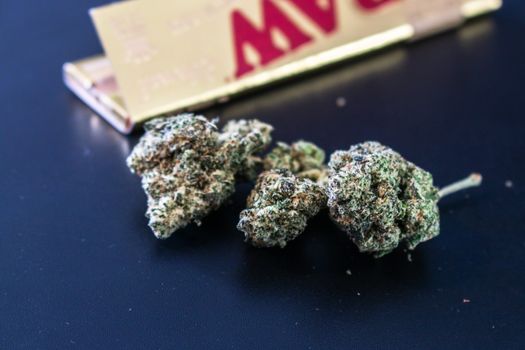
Macro image of cannabis buds accompanied by rolling paper on a dark surface. Photo: Terrance Barksdale / Pexels
Purchasing and cultivating cannabis in California are subject to specific regulations designed to ensure consumer safety and prevent diversion to the illicit market. When it comes to purchasing, all recreational cannabis must be acquired from a state-licensed dispensary. These dispensaries are regulated by the Department of Cannabis Control (DCC) and are required to adhere to strict guidelines regarding product sourcing, testing, packaging, and sales. Before any cannabis product reaches a consumer, it must undergo rigorous laboratory testing for potency (THC, CBD, other cannabinoids), pesticides, heavy metals, microbial contaminants, and residual solvents. This ensures that the products are safe for consumption and accurately labeled. Consumers should always look for the state-mandated universal symbol on product packaging, which indicates that the product has been tested and is compliant with California's regulations. Purchases are tracked, and dispensaries are limited to selling the legal possession limits to individuals per day. You will need a valid government-issued ID to prove you are 21 or older. Cash transactions are common due to federal banking restrictions, although some dispensaries are adopting cashless payment solutions. Online ordering for pickup or delivery from licensed dispensaries is also permitted, but deliveries must adhere to specific rules, including being made by licensed delivery services. For those interested in home cultivation, recreational cannabis laws California allow adults 21 and over to grow up to six cannabis plants per residence. This limit applies regardless of the number of adults living in the home; it's a per-residence limit, not per person. The plants must be grown in a secure, private location, either indoors or in an enclosed outdoor area that is not visible to the public. This means no growing plants openly in your front yard where neighbors or passersby can easily see them. Local jurisdictions can impose additional restrictions on home cultivation, such as requiring plants to be grown indoors only or setting specific setback requirements from property lines. It is crucial to check with your local city or county planning department for any specific ordinances that might apply in your area. For instance, some cities may require a permit for outdoor cultivation or limit the size of a cultivation area. The intent behind allowing home cultivation is to permit personal use without fostering large-scale, unregulated production. Selling home-grown cannabis without a state license is strictly illegal and carries significant penalties. Any cultivation beyond the six-plant limit is considered commercial activity and requires extensive state and local licensing. Understanding these retail and cultivation rules is essential for anyone looking to engage with cannabis legally in California. Always prioritize licensed sources for purchases and ensure your home grow operations comply with both state and local laws. This diligence not only protects you legally but also ensures you are consuming safe and quality products. Cannabis in California is a regulated industry, and compliance is key to enjoying its benefits without issue.

Common Pitfalls and Best Practices for Cannabis Consumers in California
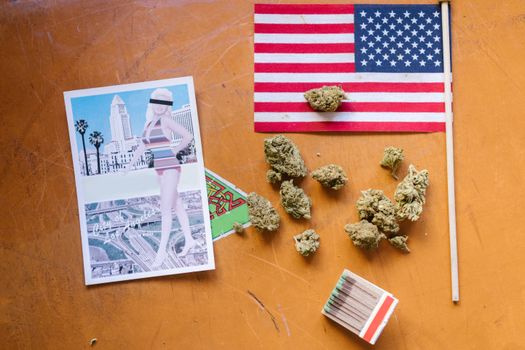
A collage of American culture with cannabis buds, matchsticks, and Los Angeles imagery on a wooden surface. Photo: RDNE Stock project / Pexels
Navigating recreational cannabis laws California can be complex, and even well-intentioned consumers can fall into common pitfalls. Awareness of these issues and adherence to best practices can save you from legal trouble and ensure a positive experience. Here are some key points to remember: * **Do Not Cross State Lines with Cannabis:** Even if you are traveling to another state where cannabis is legal, transporting cannabis across state lines, or even international borders, is a federal offense. Federal law still classifies cannabis as an illegal Schedule I drug, and federal jurisdiction applies at borders and airports. * **Avoid Federal Property:** As mentioned, cannabis remains illegal under federal law. This means consuming or possessing cannabis on any federal land, including national parks, national forests, military bases, and even some federal buildings, is prohibited and can lead to federal charges. * **Beware of Misinformation:** The cannabis industry is still relatively new, and regulations can change. Always rely on official sources like the California Department of Cannabis Control (DCC) for up-to-date information, rather than anecdotal advice or unofficial websites. * **Driving Impaired is Illegal:** Just like alcohol, driving under the influence of cannabis is illegal and dangerous. If you consume cannabis, arrange for a designated driver, use ride-sharing services, or wait until you are no longer impaired before getting behind the wheel. * **Respect Local Ordinances:** While state law sets a baseline, individual cities and counties in California have the authority to impose stricter regulations or even ban commercial cannabis activities within their borders. Always check local laws regarding consumption lounges, delivery services, and cultivation. * **Purchase from Licensed Sources Only:** This is not just a legal requirement but a safety measure. The black market often sells untested, potentially contaminated products. Licensed dispensaries ensure product safety and accurate labeling. * **Proper Storage:** Keep cannabis products in their original child-resistant packaging and out of reach of minors and pets. This is a legal requirement and a critical safety practice. * **Be Discreet with Consumption:** Even where legal, public perception matters. Avoid blatant displays of cannabis use in public spaces to maintain decorum and respect for others. * **Understand Edible Dosing:** Edibles can have a delayed and more intense effect than smoking or vaping. Start with a low dose (e.g., 2.5-5mg THC) and wait at least an hour or two before consuming more. Overconsumption of edibles is a common issue for new users. By following these best practices, consumers can confidently navigate the recreational cannabis laws California, ensuring a safe, legal, and enjoyable experience while contributing to a responsible cannabis culture. Being an informed and conscientious consumer benefits not only yourself but also the broader community and the integrity of the legal cannabis market.

Comparison

FeatureAdult Use (21+)Medical Use (18+ with rec)Federal Law
Possession Limit (Flower)1 oz (28.5g)8 oz (226.8g) or more with doctor's recIllegal (any amount)
Possession Limit (Concentrates)8 gramsHigher limits with doctor's recIllegal (any amount)
Cultivation Limit (Plants)6 per residenceUp to 12 mature plants or more with doctor's recIllegal (any amount)
Public Consumption✗ Generally prohibited✗ Generally prohibited✗ Prohibited
Purchase Age21+18+ with valid recommendationN/A (Illegal)
TaxationExcise, sales, localLower or exempt from sales tax for someN/A

What Readers Say

"This guide truly demystified the recreational cannabis laws California! I was so confused about possession limits and where I could legally consume, but now I feel confident and informed. A must-read for any cannabis user in CA."

Sarah J. · Los Angeles, CA

"As a new resident, understanding California's cannabis rules felt overwhelming. This article broke down the legal buying and growing processes perfectly. I especially appreciated the clear explanation of public consumption rules."

Mark D. · San Francisco, CA

"The section on common pitfalls saved me from a potential mistake regarding federal lands. This comprehensive overview of recreational cannabis laws California is incredibly helpful and has definitely increased my confidence in using cannabis responsibly."

Emily R. · San Diego, CA

"Very thorough guide! While I already knew some of the basics, the detailed historical context and insights into local ordinances were particularly valuable. It's great to have such a reliable resource for navigating recreational cannabis laws California."

David L. · Oakland, CA

"I often buy edibles and was always a bit unsure about the concentrate limits. This article clarified everything for me, ensuring I stay within the legal boundaries. A fantastic resource for understanding recreational cannabis laws California."

Jessica M. · Sacramento, CA

Frequently Asked Questions

What are the current legal possession limits for recreational cannabis in California?

Adults 21 and over can legally possess up to 1 ounce (28.5 grams) of cannabis flower or up to 8 grams of concentrated cannabis. It's important to note that these limits are for personal use and not for resale or distribution without a license.

Can I smoke cannabis in public in California?

No, public consumption of cannabis is generally prohibited in California. This includes smoking, vaping, or ingesting cannabis in public places like sidewalks, parks, beaches, restaurants, and anywhere tobacco smoking is banned. Consumption is primarily restricted to private residences or licensed consumption lounges.

How many cannabis plants can I grow at home for personal use in California?

Adults 21 and over can legally cultivate up to six cannabis plants per residence for personal use. These plants must be grown in a secure and private area, not visible to the public. Local jurisdictions may impose additional restrictions, so always check local ordinances.

Where can I legally purchase recreational cannabis in California?

You can only purchase recreational cannabis from state-licensed dispensaries. These businesses are regulated by the Department of Cannabis Control (DCC) and ensure that products are tested for safety and potency. Always look for the state-mandated universal symbol on packaging.

Is it legal to drive after consuming cannabis in California?

No, driving under the influence of cannabis is illegal and carries severe penalties, similar to alcohol-related DUIs. It is also illegal to consume cannabis in a vehicle or to possess an open container of cannabis while driving or as a passenger.

Who benefits most from understanding California's recreational cannabis laws?

Anyone living in or visiting California who plans to consume, purchase, or cultivate cannabis benefits from understanding these laws. This includes casual users, medical patients transitioning to recreational use, and tourists, as it ensures legal compliance and responsible enjoyment.

What are the risks of buying cannabis from an unlicensed source?

Purchasing from unlicensed sources carries significant risks, including consuming products that are untested, potentially contaminated with pesticides or heavy metals, and inaccurately labeled for potency. It also supports the illicit market and can lead to legal penalties for both the seller and the buyer.

Are there any anticipated changes to recreational cannabis laws California in the near future?

California's cannabis laws are dynamic and subject to ongoing refinement by the Department of Cannabis Control and state legislature. While no major overhauls are immediately anticipated, minor adjustments to regulations, licensing, and local ordinances are continuously evaluated to improve the market and address emerging issues.

Armed with this comprehensive guide to recreational cannabis laws California, you can confidently and responsibly navigate the state's vibrant cannabis landscape. Stay informed, adhere to the regulations, and enjoy the freedom of legal cannabis with peace of mind. Your journey to understanding and compliance starts here.

Topics: recreational cannabis laws CaliforniaCalifornia marijuana lawscannabis legal limits CAwhere to smoke weed CaliforniaCalifornia cannabis regulations
Leo List
Brampton weed
Adultwork EstrelaBet Vai de Bet R7 Bet Betão Galera Bet Rainbet Bet9ja Shop SportyBet BetKing Sisal Loto Foot Hollywoodbets YesPlay Odibets RushBet Jugabet BetWarrior BetCity MSport betPawa Fortebet