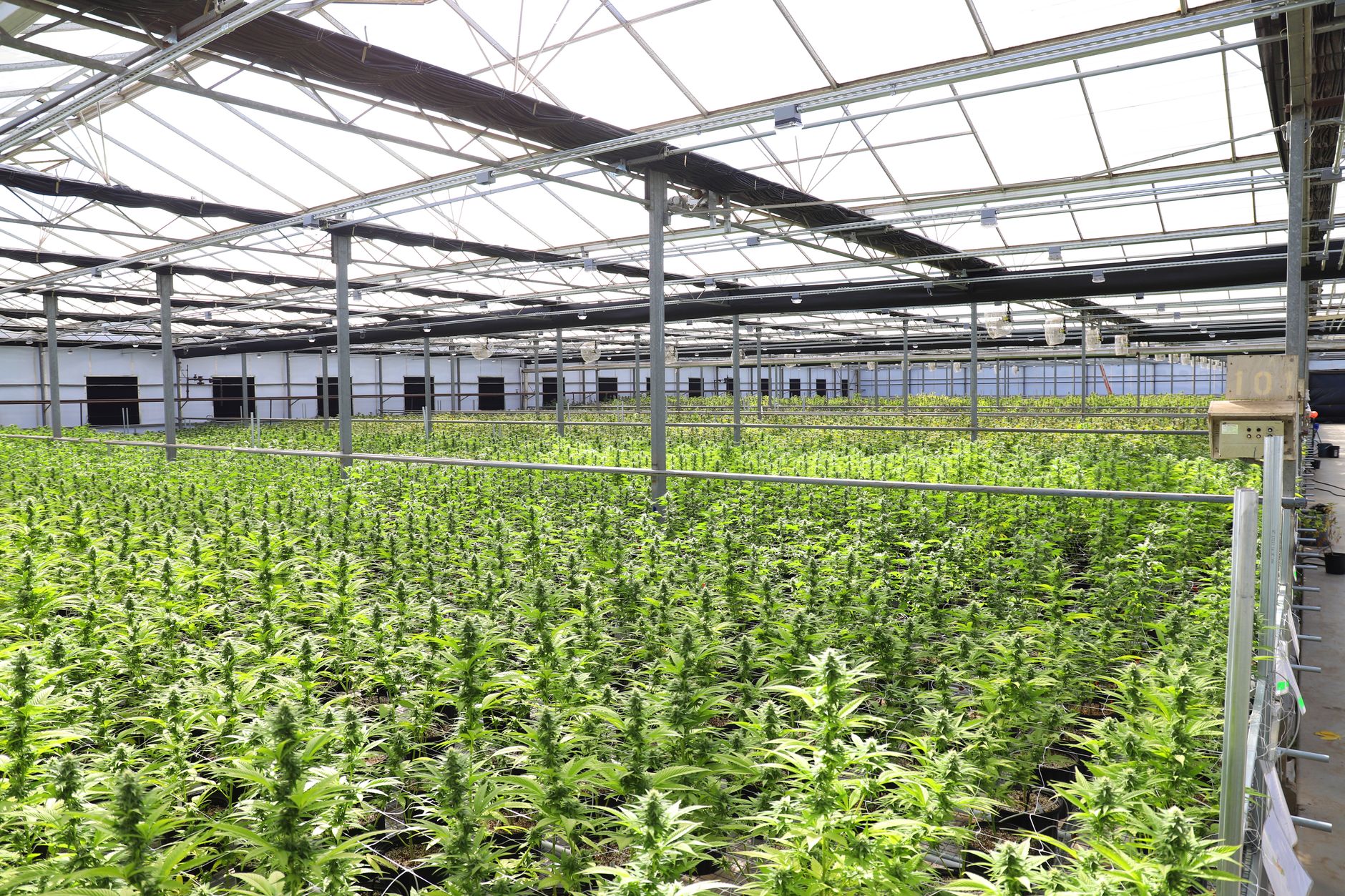
Sativa vs Indica Effects California: Your Ultimate Guide
sativa vs indica effects California

Sativa vs Indica Effects California: Your Ultimate Guide

Navigate the diverse world of cannabis in California to find your perfect strain for mood, energy, or relaxation.

Find Your Perfect Strain

Key Takeaways

  • ✓ Sativa strains are often associated with uplifting, energizing effects.
  • ✓ Indica strains are typically linked to relaxing, sedating effects.
  • ✓ Hybrid strains combine characteristics of both sativa and indica.
  • ✓ Terpenes and cannabinoids significantly influence a strain's effects, not just its classification.

How It Works

1
Understand the Basics

Familiarize yourself with the traditional classifications of Sativa and Indica and their general perceived effects. This foundational knowledge will help you start your exploration.

2
Explore Cannabinoids & Terpenes

Dive deeper than just Sativa/Indica by learning about THC, CBD, and other cannabinoids, as well as the diverse world of terpenes. These compounds are the true architects of a strain's unique effects.

3
Consult Local Experts

Visit a licensed California dispensary and speak with knowledgeable budtenders. They can provide personalized recommendations based on your desired effects and product preferences.

4
Experiment Responsibly

Start with small doses of new strains and observe how your body reacts. Keep a journal to track effects, allowing you to refine your preferences and find what works best for you.

Demystifying Sativa vs Indica in the Golden State

For decades, the cannabis industry has largely relied on a simple dichotomy: Sativa for energy, Indica for relaxation. This traditional classification, while a useful starting point, has become increasingly oversimplified, especially in a mature and innovative market like California. Understanding the nuances of cannabis science is crucial for consumers seeking specific experiences. In California, where legal adult-use cannabis has flourished since 2018, the variety of strains and products available is immense, making informed choices more important than ever. The labels 'Sativa' and 'Indica' originally referred to the plant's physical characteristics – Sativa plants being tall and lanky with narrow leaves, and Indica plants being shorter, bushier, and having broader leaves. Historically, Sativa was associated with equatorial regions and longer flowering times, while Indica was linked to harsher, mountainous climates and shorter flowering cycles. However, as cultivation techniques advanced and cross-breeding became common, pure Sativa or Indica strains became increasingly rare. Most cannabis available today, particularly in California, are hybrids, blending characteristics from both. This hybridization means that a plant's physical appearance doesn't always directly correlate with its psychoactive effects. What truly dictates the 'high' or therapeutic benefits are the complex interactions between cannabinoids (like THC and CBD) and terpenes (aromatic compounds). For instance, a strain labeled 'Sativa' might still contain terpenes that promote relaxation, while an 'Indica' might have terpenes that uplift. Californian consumers are growing more sophisticated, moving beyond mere labels to examine detailed lab reports that list cannabinoid and terpene profiles. This shift allows for a more precise understanding of a product's potential effects. The legal framework in California mandates rigorous testing, providing consumers with unprecedented transparency regarding the chemical composition of their cannabis. This transparency empowers individuals to make choices based on data rather than outdated generalizations. The evolving understanding of cannabis effects emphasizes the entourage effect, a theory suggesting that cannabinoids and terpenes work synergistically to enhance or modulate each other's effects. This means that two strains with similar THC levels could produce vastly different experiences due to their unique terpene profiles. Therefore, navigating the California cannabis market requires a deeper dive into these chemical constituents. Understanding the historical context of these terms and their current limitations is the first step toward making truly informed decisions about your cannabis consumption in California. The market here is a microcosm of global cannabis innovation, offering a rich educational experience for any consumer willing to look beyond the surface. This article aims to equip you with that knowledge, ensuring you can confidently explore the vast array of options available and truly understand the intricacies of California's cannabis market.

The Distinctive Sativa Effects in California

When people in California discuss 'Sativa effects,' they are typically referring to a constellation of experiences often described as uplifting, energizing, and creatively stimulating. These effects are traditionally associated with strains originating from equatorial regions. For many Californian cannabis users, Sativa strains are the go-to choice for daytime use, social gatherings, creative endeavors, or when an extra boost of focus and motivation is desired. Imagine a sunny morning in Los Angeles, and you're looking for something to enhance your productivity or inspire your next artistic project – a Sativa-dominant strain would likely be recommended. The perceived effects include an enhanced mood, a surge of cerebral energy, heightened sensory perception, and sometimes a tendency towards talkativeness. Users often report feeling more alert, engaged, and less weighed down compared to Indica strains. This 'head high' is often preferred by those seeking to combat fatigue, mild depression, or simply to elevate their overall disposition without experiencing significant physical sedation. However, it's crucial to remember that individual reactions can vary significantly. While many find Sativas invigorating, some individuals, particularly those prone to anxiety, might find certain Sativa strains or high doses can induce feelings of paranoia or overstimulation. This is often linked to the specific terpene profiles and cannabinoid ratios. For example, strains rich in limonene are often associated with mood elevation, while those high in pinene might promote alertness. The California market offers an incredible diversity of Sativa-dominant hybrids, each with its unique signature. Popular Sativa strains found in dispensaries across the state often include names like Jack Herer, Green Crack, and Sour Diesel. While these strains typically lean towards the energizing side, their exact effects can differ based on their specific chemical composition and the individual's biochemistry. Many dispensaries in California now provide detailed lab reports that list the percentages of various cannabinoids (THC, CBD, CBG, etc.) and the dominant terpenes. This information is invaluable for predicting a strain's potential effects more accurately than relying solely on the Sativa label. Consumers are encouraged to discuss their desired outcomes with budtenders, who can guide them through the extensive selection. For example, if you're looking for creative inspiration, a budtender might suggest a Sativa with a high terpinolene content, known for its stimulating properties. If anxiety is a concern, they might recommend a Sativa-leaning hybrid with a balanced THC:CBD ratio or a terpene profile rich in myrcene, which can have a more calming effect despite the Sativa classification. The Californian cannabis culture embraces this nuanced approach, moving beyond simplistic labels to a more sophisticated understanding of the plant's therapeutic and recreational potential. This empowers consumers to make choices that truly align with their personal needs and preferences, maximizing the benefits of their cannabis experience.

Understanding Indica Effects for Relaxation in California

Conversely, 'Indica effects' in California are widely understood to encompass experiences characterized by deep physical relaxation, sedation, and a sense of calm. These effects are traditionally associated with strains originating from the Hindu Kush mountains and other harsh, mountainous regions. For many Californian cannabis enthusiasts, Indica strains are the preferred choice for unwinding after a long day, promoting sleep, alleviating physical discomfort, or simply achieving a profound state of tranquility. Picture winding down after a busy week in San Francisco, seeking solace and stress relief – an Indica-dominant strain would likely be your companion. The perceived effects typically include a 'body high,' muscle relaxation, pain relief, reduced anxiety, and often, an increased appetite (the notorious 'munchies'). Users frequently report feeling heavy, sleepy, and deeply relaxed, making these strains ideal for evening use or situations where physical rest is desired. Indica strains are often sought after by individuals dealing with insomnia, chronic pain, muscle spasms, or those simply looking to de-stress and escape the mental chatter of daily life. However, just like Sativas, individual responses to Indica strains can vary significantly. While many find Indicas profoundly soothing, some might experience excessive lethargy or a 'couch-lock' effect that can be undesirable during certain times. The specific terpene and cannabinoid profiles play a critical role here. Strains rich in myrcene, for instance, are often associated with sedative effects, while those high in linalool might contribute to anti-anxiety properties. The California market boasts an impressive array of Indica-dominant hybrids, each offering a unique spectrum of effects. Common Indica strains found in Californian dispensaries include Granddaddy Purple, Northern Lights, and OG Kush. While these strains are generally known for their relaxing properties, their precise impact can vary depending on their specific chemical makeup and the individual's physiology. Again, the emphasis in California's regulated market is on transparency. Licensed dispensaries provide comprehensive lab results, detailing cannabinoid percentages (THC, CBD, CBN, etc.) and terpene profiles. This information is invaluable for consumers looking to fine-tune their experience. Engaging with knowledgeable budtenders is highly recommended. If you're seeking deep sleep, a budtender might suggest an Indica with a higher CBN content, known for its sedative qualities, combined with specific terpenes like myrcene. If pain relief is your primary goal, they might recommend a strain with a balanced THC:CBD ratio and terpenes like beta-caryophyllene, which interacts directly with cannabinoid receptors to reduce inflammation. This scientific, data-driven approach is a hallmark of the California cannabis industry, empowering consumers to move beyond simplistic labels and cultivate a truly personalized relationship with cannabis products. By understanding the intricate interplay of compounds, you can unlock the full potential of Indica strains for relaxation and therapeutic benefit, ensuring a more predictable and satisfying experience in the diverse Californian cannabis landscape.

Navigating Hybrid Strains and the Entourage Effect in CA

The reality of the modern California cannabis market is that pure Sativa or Indica strains are increasingly rare. The vast majority of products available are hybrids, which are cultivated to combine desirable traits from both parent strains. These hybrids are categorized as Sativa-dominant, Indica-dominant, or balanced, indicating which side of the spectrum their effects generally lean towards. However, even these labels are becoming less precise as the understanding of cannabis chemistry deepens. The real magic, and the key to predicting effects, lies in the 'entourage effect.' This scientific theory posits that all the compounds in the cannabis plant – cannabinoids (like THC, CBD, CBG, CBN) and terpenes (the aromatic molecules that give cannabis its distinct smell and flavor) – work together synergistically. Instead of individual compounds acting in isolation, they interact to modulate and enhance each other's effects, creating a unique overall experience. This means that two strains with the same THC percentage but different terpene profiles can produce entirely different highs. For instance, a Sativa-dominant hybrid with a high concentration of the terpene myrcene (often found in Indica strains) might still induce relaxation, even if its genetics are primarily Sativa. Conversely, an Indica-dominant hybrid rich in limonene (commonly associated with Sativas) could provide an uplifting buzz. In California's regulated market, this understanding is paramount. Dispensaries are required to provide lab results that detail the cannabinoid and terpene profiles of their products. Savvy consumers in California are learning to look beyond the Sativa/Indica label and instead focus on these detailed chemical breakdowns. They're asking budtenders about specific terpenes like pinene for focus, linalool for anxiety relief, caryophyllene for anti-inflammatory properties, or humulene for appetite suppression. This allows for a much more personalized and predictable cannabis experience. For example, if you're looking for pain relief without heavy sedation, you might seek an Indica-dominant hybrid high in CBD and beta-caryophyllene. If you need daytime focus without jitters, a Sativa-dominant hybrid rich in pinene and limonene, with a moderate THC level, might be ideal. The beauty of the hybrid market in California is its ability to offer tailored experiences. Cultivators are constantly experimenting, breeding new strains to achieve specific effects by manipulating cannabinoid ratios and terpene expressions. This innovation provides consumers with an unparalleled selection of products designed for various needs, from managing specific medical conditions to enhancing recreational activities. Moving beyond the outdated Sativa/Indica binary and embracing the entourage effect allows Californian consumers to truly unlock the full potential of cannabis, making informed choices based on scientific data rather than anecdotal generalizations. This sophisticated approach is transforming how people engage with cannabis and is a testament to the maturity of California's cannabis industry.

Choosing Your Ideal Strain: Tips for California Consumers

Navigating the vast and diverse cannabis market in California can be exhilarating, but also a bit overwhelming. With countless strains, products, and consumption methods available, making an informed choice requires a thoughtful approach. Here are essential tips for Californian consumers to select their ideal strain, moving beyond the simple 'Sativa vs. Indica' paradigm: * **Define Your Desired Effects:** Before you even step into a dispensary, consider what you want to achieve. Are you seeking relaxation, pain relief, energy, creativity, sleep, or mood elevation? Be specific. This clarity will guide your conversations with budtenders and help filter the immense selection. * **Prioritize Cannabinoid and Terpene Profiles:** This is perhaps the most crucial tip. In California, all licensed products come with lab results. Look for the percentages of THC, CBD, and other minor cannabinoids like CBG or CBN. More importantly, examine the terpene profile. Common terpenes and their associated effects include: * **Myrcene:** Sedative, relaxing (often found in Indicas). * **Limonene:** Uplifting, mood-enhancing (often found in Sativas). * **Pinene:** Alertness, memory retention. * **Caryophyllene:** Anti-inflammatory, pain relief. * **Linalool:** Anti-anxiety, sedative. Discuss these with your budtender to match profiles with your desired outcome. * **Start Low and Go Slow:** Especially if you're new to a strain or cannabis in general, begin with a very small dose. Wait at least 15-30 minutes for inhaled products or 1-2 hours for edibles before considering more. This allows you to gauge your individual sensitivity and avoid overconsumption, which can lead to uncomfortable experiences. * **Consider Consumption Method:** The way you consume cannabis significantly impacts the onset and duration of effects. Vaping or smoking offers quicker onset (minutes) and shorter duration (1-3 hours). Edibles have a delayed onset (30-90 minutes) but much longer-lasting effects (4-8 hours or more). Tinctures and topicals offer other distinct experiences. Your desired timeline for effects should influence your choice of product. * **Consult with Knowledgeable Budtenders:** California's licensed dispensaries employ trained professionals. Don't hesitate to ask questions. Share your preferences, any medical conditions (without seeking medical advice, which they cannot provide), and your desired experience. They can provide personalized recommendations based on current inventory and their expertise. * **Keep a Cannabis Journal:** Documenting your experiences with different strains can be incredibly helpful. Note the strain name, cannabinoid/terpene profile, dosage, consumption method, time of day, and the effects you experienced (both positive and negative). This personal data will help you refine your choices over time and discover what works best for your unique biochemistry. * **Be Aware of Potency:** Modern cannabis strains, especially in California, can be very potent. High THC levels aren't always better, particularly for new users or those prone to anxiety. Sometimes a balanced THC:CBD ratio can provide a more pleasant and therapeutic experience. Always check the THC percentage on the packaging. * **Understand Legal Guidelines:** Familiarize yourself with California's cannabis laws regarding purchase limits, public consumption, and transportation. Responsible consumption includes adhering to these regulations. Always prioritize safety and legality in your cannabis journey. By following these tips, Californian consumers can confidently navigate the rich tapestry of cannabis offerings, moving beyond simple labels to cultivate a truly personalized and beneficial relationship with the plant.

Comparison

FeatureSativa (Traditional View)Indica (Traditional View)Modern Hybrid (Terpene/Cannabinoid Driven)
Associated EffectsEnergizing, Uplifting, CreativeRelaxing, Sedative, Body HighVariable; tailored for specific effects
Best ForDaytime, Socializing, ArtNighttime, Pain Relief, SleepAnytime, based on profile
Common TerpenesLimonene, Pinene, TerpinoleneMyrcene, Linalool, Beta-CaryophylleneDiverse, often blend of both
Physical Plant TypeTall, Thin LeavesShort, Bushy, Broad LeavesHighly varied, often mix
Onset/Duration (Flower)Quick onset, moderate durationQuick onset, moderate durationQuick onset, moderate duration

What Readers Say

"Living in California, the choices are endless! After talking to a budtender, I switched from just looking for 'Indica' to focusing on terpene profiles. Now I get much better sleep without feeling groggy the next day, thanks to finding a high-myrcene hybrid."

Sarah J. · Oakland, CA

"I used to think Sativas made me anxious, but a friend in California introduced me to a low-THC, high-limonene Sativa-dominant strain. It gives me amazing focus for work without any jitters. It's all about the specific compounds, not just the name."

Mark D. · San Diego, CA

"The transparency in California dispensaries is fantastic. I can actually see the lab results. This helped me find an Indica-leaning hybrid with a good amount of CBD that perfectly manages my chronic back pain. It's been a game-changer for my quality of life."

Jessica L. · Los Angeles, CA

"While the Sativa vs Indica labels are a good starting point, I've learned in California that the specific strain matters more. Some Indicas still give me a bit of a head buzz, and some Sativas can be surprisingly mellow. Always check the details."

David R. · Sacramento, CA

"As an artist, I'm always looking for creative inspiration. My local California dispensary helped me find a Sativa-dominant strain rich in terpinolene, and it's been incredible for my painting sessions. It's like a mental spark without being too overwhelming."

Emily C. · Santa Cruz, CA

Frequently Asked Questions

What is the biggest difference in sativa vs indica effects in California?

While traditionally Sativas are linked to energizing effects and Indicas to relaxing ones, the biggest difference in California's modern market is the understanding that these labels are oversimplified. The true difference in effects comes from the unique combination of cannabinoids (like THC, CBD) and terpenes in each strain, rather than just its Sativa or Indica classification. Lab reports provide the most accurate insight into potential effects.

Can I trust the Sativa or Indica label on products in California?

You can use the Sativa or Indica label as a general guideline, but it's not a definitive predictor of effects. Most strains in California are hybrids. For a more accurate understanding, always consult the product's lab report, which details its cannabinoid and terpene profiles. This information is far more reliable for predicting a strain's specific effects on you.

How can I choose the right strain for anxiety or sleep in California?

For anxiety or sleep in California, don't just ask for 'Indica.' Instead, look for strains with specific terpene profiles like myrcene or linalool, which are associated with relaxation. Also, consider strains with balanced THC:CBD ratios or higher CBD content, as CBD can mitigate anxiety. Discuss your specific needs with a licensed budtender, who can recommend suitable options based on their current inventory and lab data.

Are Sativa and Indica strains more expensive in California?

The price of Sativa and Indica strains in California is generally not determined by their classification but by factors such as potency, brand, cultivation method (indoor vs. outdoor), rarity, and demand. Premium, exotic, or high-THC strains, regardless of classification, tend to be more expensive. Dispensaries often have a range of prices across all types.

How do California's cannabis laws affect my choice between Sativa and Indica?

California's cannabis laws primarily regulate the sale, testing, and consumption of cannabis, not the specific type (Sativa vs. Indica). The laws mandate rigorous testing for potency and contaminants, providing consumers with detailed information about all strains. This transparency empowers you to make informed choices based on chemical profiles, regardless of the traditional classification, ensuring safety and predictability.

Who should use Sativa vs Indica effects California?

Anyone in California seeking specific effects from cannabis should understand the nuances of Sativa vs Indica. Those looking for energy, focus, or creativity might prefer Sativa-leaning profiles, while those seeking relaxation, pain relief, or sleep might lean towards Indica-dominant ones. However, the most informed users look beyond these labels to the cannabinoid and terpene profiles to tailor their experience precisely.

Are there any health risks associated with choosing the wrong Sativa or Indica in California?

Choosing a strain with effects that don't align with your needs isn't typically a health risk, but it can lead to an undesirable experience (e.g., feeling too anxious from an energizing Sativa or too sedated from a relaxing Indica when you need to be alert). Starting with low doses and understanding your personal tolerance, especially with high-THC products, is key to avoiding discomfort. California's testing standards help ensure product safety.

What is the future trend for Sativa vs Indica effects in California?

The future trend in California is moving beyond the traditional Sativa vs Indica labels towards a more scientifically informed approach. Consumers and cultivators are increasingly focusing on specific cannabinoid and terpene profiles to predict and engineer desired effects. Expect to see more products marketed by their 'effect profile' (e.g., 'Uplift,' 'Relax,' 'Focus') rather than just their plant type, reflecting a deeper understanding of the entourage effect.

Embrace the sophisticated world of cannabis in California. By understanding the true science behind sativa vs indica effects, you can confidently select strains that perfectly align with your desired experience. Explore, learn, and enjoy the diverse offerings responsibly.

Topics: sativa vs indica effects Californiacannabis strains Californiaindica effects Californiasativa effects Californiamarijuana types California
Leo List
Brampton weed
Adultwork