✓ California has some of the strictest cannabis testing regulations in the US.
✓ All cannabis products sold in California must pass a comprehensive suite of tests.
✓ Testing covers potency, pesticides, heavy metals, microbials, and residual solvents.
✓ Independent, state-licensed labs conduct all mandatory cannabis testing.
How It Works
1
Cultivation & Harvesting
Cannabis is cultivated under strict guidelines and harvested at optimal maturity. Samples are carefully prepared for transport to a licensed testing facility.
2
Sample Collection & Transport
Licensed distributors or cultivators arrange for secure, compliant transport of representative samples to a state-approved cannabis testing lab. Chain of custody is meticulously maintained.
3
Laboratory Analysis
The lab conducts a battery of tests, including cannabinoid profiling, terpene analysis, and screening for contaminants like pesticides, heavy metals, and microbials. Advanced analytical instruments are used.
4
Reporting & Compliance
Results are compiled into a Certificate of Analysis (CoA), which determines if the product meets California's rigorous safety and potency standards. Only compliant products can enter the retail market.
The Critical Role of Cannabis Testing Labs in California's Market
Photo: Diego Barros / Pexels
California's regulated cannabis market is a beacon of consumer safety and product integrity, largely due to the indispensable work of cannabis testing labs. These facilities are not merely optional service providers; they are a mandatory cornerstone of the state's legal framework for cannabis. Every single cannabis product — from flower and concentrates to edibles and tinctures — must undergo rigorous testing by a state-licensed, third-party laboratory before it can be sold to consumers. This stringent requirement was established to protect public health and ensure transparency in an industry that was historically unregulated. The types of tests conducted are comprehensive, covering everything from cannabinoid and terpene profiles to harmful contaminants like pesticides, heavy metals, residual solvents, and microbial impurities. Without passing these tests, a product cannot receive the coveted 'tested' label and cannot legally enter the retail supply chain. This robust testing regime differentiates California's legal market from illicit sources, offering consumers an assurance of quality and safety that was previously unattainable. It also creates a level playing field for licensed businesses, fostering fair competition based on product excellence and adherence to regulations. The regulations themselves are dynamic, frequently updated by agencies like the Department of Cannabis Control (DCC) to reflect new scientific understanding and emerging public health concerns. This means that cannabis testing labs in California must consistently adapt their methodologies and invest in cutting-edge equipment to remain compliant and effective. Their role extends beyond mere compliance; they provide vital data that helps cultivators and manufacturers refine their processes, optimize cannabinoid and terpene expressions, and ensure consistency across batches. For consumers, the Certificate of Analysis (CoA) provided by these labs is a window into the product's true nature, empowering informed purchasing decisions. Understanding the data on a CoA, such as THC/CBD percentages, terpene profiles, and contaminant screenings, allows consumers to choose products that align with their desired effects and health preferences. The integrity of these labs is paramount; they operate under strict accreditation standards, regularly audited to ensure accuracy, impartiality, and adherence to scientific best practices. This commitment to scientific rigor is what underpins consumer trust in California's legal cannabis market. As the industry continues to evolve, the importance of these testing labs will only grow, solidifying their position as essential guardians of public health and product quality. For those looking to understand the full scope of cannabis products, exploring resources like What is Cannabis? can provide valuable context on the plant itself and its various applications.
Mandatory Tests: What Every Cannabis Product Undergoes in California
Photo: MART PRODUCTION / Pexels
California's cannabis regulations mandate a comprehensive suite of tests designed to ensure consumer safety and product quality. These tests are not optional; every batch of cannabis product, whether it's flower, concentrates, edibles, or topicals, must pass these analyses before it can reach the consumer market. Understanding these tests is crucial for both businesses and consumers to appreciate the rigorous standards in place.
First and foremost is **Potency Testing**. This measures the concentration of cannabinoids like THC, THCA, CBD, CBDA, and other minor cannabinoids. Accurate potency labeling is vital for consumers to dose effectively and manage their desired effects. Labs use High-Performance Liquid Chromatography (HPLC) or Gas Chromatography (GC) to achieve precise measurements.
Next are **Pesticide Residue Tests**. California has a list of over 60 prohibited pesticides, many of which are toxic and can accumulate in the body. Labs use Liquid Chromatography-Mass Spectrometry (LC-MS) and Gas Chromatography-Mass Spectrometry (GC-MS) to detect even trace amounts of these harmful chemicals, ensuring products are free from agricultural contaminants.
**Heavy Metal Testing** is another critical component. Cannabis plants can absorb heavy metals like lead, arsenic, cadmium, and mercury from the soil, water, or fertilizers. These elements are highly toxic and can pose serious health risks. Inductively Coupled Plasma Mass Spectrometry (ICP-MS) is the standard method used to detect and quantify these metals, ensuring they are below strict regulatory limits.
**Microbial Impurity Testing** screens for harmful bacteria, mold, and fungi. Common culprits include Aspergillus (a type of mold) and pathogenic E. coli and Salmonella, which can cause severe illness, especially in immunocompromised individuals. Quantitative Polymerase Chain Reaction (qPCR) and traditional culture-based methods are employed to identify and quantify these contaminants.
For concentrates and vapes, **Residual Solvent Testing** is essential. Solvents like butane, propane, ethanol, and hexane are often used in the extraction process. While some are less harmful than others, residual levels must be below specified limits to prevent inhalation of toxic chemicals. Gas Chromatography-Headspace Mass Spectrometry (GC-HS/MS) is typically used for this analysis.
Finally, **Moisture Content and Water Activity** tests are crucial for dried cannabis flower. High moisture content can lead to mold growth, while very low moisture can impact product quality and shelf life. Water activity is a measure of unbound water, which is a better predictor of microbial growth than moisture content alone. These tests help ensure product stability and prevent spoilage.
Collectively, these mandatory tests paint a comprehensive picture of a cannabis product's safety and quality, providing an unparalleled level of consumer protection in the California market. The stringent requirements underscore the state's commitment to a safe and regulated cannabis industry, setting a high bar for all participants.
Choosing the Right Cannabis Testing Lab: Key Factors for Businesses and Consumers
Photo: Gustavo Fring / Pexels
Selecting the right cannabis testing lab in California is a decision with significant implications for both cannabis businesses and discerning consumers. For businesses, the choice directly impacts product compliance, market access, and ultimately, brand reputation. For consumers, understanding what makes a good lab can help interpret Certificates of Analysis (CoAs) and make informed purchasing choices. Several key factors should guide this selection.
First and foremost is **Accreditation and Licensing**. In California, a lab must be licensed by the Department of Cannabis Control (DCC) and, crucially, hold ISO/IEC 17025 accreditation. This international standard ensures the lab's competence, impartiality, and consistent operation. Always verify a lab's accreditation status; it's a non-negotiable benchmark for reliability. A truly reputable lab will proudly display its accreditation.
**Turnaround Time (TAT)** is a critical consideration for businesses. The cannabis industry operates on tight schedules, and delays in testing can impact product launches and inventory management. While speed is important, it should never compromise accuracy. Labs that offer rapid TATs without sacrificing scientific rigor are highly valued.
**Testing Methodology and Equipment** speaks to the lab's scientific capabilities. A top-tier lab will utilize state-of-the-art analytical instrumentation (e.g., LC-MS/MS, GC-MS/MS, ICP-MS, qPCR) and employ validated, scientifically sound testing methods. They should be transparent about their procedures and able to explain them clearly. Ask about their quality control measures, such as replicate testing, spiked samples, and calibration standards.
**Customer Service and Communication** are often overlooked but are vital. A good lab acts as a partner, providing clear communication, proactive updates, and readily available support to interpret results or troubleshoot issues. They should offer user-friendly portals for sample submission and report access.
**Data Security and Confidentiality** are paramount. Labs handle sensitive business information and proprietary product formulations. Ensure the lab has robust systems in place to protect your data and maintain strict confidentiality.
**Pricing Structure** should be transparent and competitive, but beware of labs offering significantly lower prices, as this might indicate compromises in quality or methodology. It's an investment in product safety and compliance, not an area to cut corners.
Finally, consider their **Reputation and Industry Standing**. Look for labs with positive reviews, strong industry partnerships, and a track record of reliability. Engage with other businesses in the cannabis community for recommendations. For consumers, researching the labs behind the products you purchase, and understanding the nuances of a Certificate of Analysis (CoA), can significantly enhance your confidence in the products you consume. By meticulously evaluating these factors, both businesses and consumers can make informed decisions, contributing to a safer and more trustworthy cannabis market in California.
Navigating Compliance: Common Pitfalls and Best Practices for Cannabis Businesses
Photo: Jess Loiterton / Pexels
Navigating the complex landscape of cannabis compliance in California is a perpetual challenge for businesses. While the regulations are designed for consumer safety, their intricacy can lead to common pitfalls that result in costly delays, product recalls, or even license revocation. Understanding these challenges and adopting best practices is crucial for success.
**Common Pitfalls:**
* **Inadequate Sample Collection:** One of the most frequent issues arises from improper sample collection. If samples are not representative of the batch or are handled incorrectly, the test results may not accurately reflect the product's quality, leading to failed tests or inconsistencies. This often stems from a lack of clear standard operating procedures (SOPs) or insufficient staff training.
* **Lack of Internal Pre-Testing:** Many businesses skip internal pre-testing, relying solely on mandatory compliance tests. This is a risky strategy. If a product fails a compliance test, the entire batch may be quarantined or destroyed, leading to significant financial losses. Pre-testing allows businesses to identify and remediate issues before official submission.
* **Ignoring Microbial Contamination Sources:** Mold and yeast often plague cannabis crops. Businesses sometimes fail to address environmental factors (humidity, ventilation) or cultivation practices that foster microbial growth, leading to repeated failed microbial tests.
* **Pesticide Drift and Cross-Contamination:** Even if a cultivator doesn't use prohibited pesticides, drift from neighboring farms or cross-contamination during processing can lead to failed pesticide tests. This requires careful consideration of cultivation location and stringent sanitation protocols.
* **Outdated SOPs and Training:** The regulatory environment is dynamic. Businesses that don't regularly update their SOPs or provide ongoing training to staff on the latest compliance requirements and best practices are prone to errors.
**Best Practices:**
* **Implement Robust Internal Quality Control:** Establish a comprehensive internal QC program that includes regular pre-testing for key contaminants and potency. This proactive approach helps identify and correct issues early, saving time and money.
* **Develop Detailed SOPs for Every Stage:** Create clear, written Standard Operating Procedures for cultivation, harvesting, processing, packaging, and especially sample collection. Ensure all staff are thoroughly trained and adhere to these SOPs.
* **Partner with a Reputable Testing Lab:** Choose a lab known for its accuracy, reliable turnaround times, and excellent communication. View your lab as a partner, not just a service provider. Regular communication can help anticipate and resolve issues.
* **Maintain Meticulous Records:** Comprehensive record-keeping for cultivation practices, nutrient inputs, environmental controls, and processing steps is essential for traceability and troubleshooting in case of a failed test.
* **Stay Informed on Regulatory Changes:** Regularly monitor updates from the Department of Cannabis Control (DCC) and other relevant agencies. Engage with industry associations to stay abreast of evolving compliance requirements.
* **Invest in Environmental Controls:** For cultivators, investing in climate control systems, proper ventilation, and pest management strategies can significantly reduce the risk of microbial and pesticide contamination.
* **Conduct Regular Audits:** Perform internal audits of your processes and facilities to ensure ongoing compliance and identify areas for improvement before external inspections.
By proactively addressing these pitfalls and implementing best practices, cannabis businesses can significantly enhance their compliance posture, reduce risks, and contribute to a safer and more sustainable California cannabis market.
Comparison
Feature
Accredited Third-Party Lab
In-House Testing (Limited)
Unlicensed Source
Regulatory Compliance
Mandatory for all CA products
Not sufficient for compliance
None
Impartiality & Objectivity
High (independent entity)
Low (potential conflict of interest)
None
Range of Tests
Comprehensive (potency, pesticides, heavy metals, microbials, solvents)
Limited (often only potency)
None
Consumer Trust & Safety
High (verified results, CoA)
Low (no external verification)
None (high risk)
Equipment & Expertise
State-of-the-art, specialized scientists
Basic, general staff
N/A
Cost per Sample
Moderate to High
Low (initial investment high)
N/A
What Readers Say
★★★★★
"As a medical patient, knowing my cannabis is tested by a reputable lab like [Lab Name] in California gives me immense peace of mind. Their CoAs are always easy to understand, confirming purity and potency."
Sarah J. · Los Angeles, CA
★★★★★
"Our cultivation business relies heavily on our chosen cannabis testing labs in California. They consistently provide accurate results with excellent turnaround times, which is crucial for our harvest cycles and compliance."
Mark D. · Oakland, CA
★★★★★
"I switched dispensaries after learning about the importance of lab testing. The products I now buy always have a QR code linking to a CoA from a licensed California lab, showing zero pesticides. This transparency is a game-changer!"
Jessica L. · San Diego, CA
★★★★★
"While most cannabis testing labs in California are great, some can be slow with communication. Our current lab is fantastic on results, but I sometimes wish their client portal was more intuitive for tracking sample progress."
David R. · Sacramento, CA
★★★★★
"Running an edibles company means every ingredient and final product must be perfect. Our partner lab in California has been instrumental in ensuring our edibles meet all safety standards, especially for cannabinoid consistency."
Emily P. · Santa Rosa, CA
Frequently Asked Questions
What are the most crucial tests performed by cannabis testing labs in California?
The most crucial tests performed by California cannabis labs include potency analysis (THC, CBD, etc.), pesticide screening, heavy metal detection, microbial contamination (mold, bacteria) testing, and residual solvent analysis for concentrates. These tests are mandatory to ensure consumer safety and product quality, protecting consumers from harmful contaminants and ensuring accurate labeling.
How can I verify if a cannabis product has been properly tested in California?
You can verify a product's testing status by looking for a QR code on the packaging, which typically links to the Certificate of Analysis (CoA) from a state-licensed lab. The CoA will detail all test results, including cannabinoid content and contaminant screenings. Always ensure the product is from a licensed dispensary, as illicit market products do not undergo mandatory testing.
As a cannabis business, how do I submit samples to a testing lab in California?
As a licensed cannabis business, you must follow strict chain-of-custody protocols. Typically, you'll contact a licensed cannabis testing lab, which will provide instructions for sample collection, packaging, and secure transport by a licensed distributor. Representative samples from each batch must be submitted, and all documentation must be meticulously maintained for compliance.
What is the typical cost for cannabis testing services in California?
The cost of cannabis testing in California can vary significantly based on the type of product (flower, concentrate, edible), the number of tests required, and the specific lab. A full panel of compliance tests can range from a few hundred to over a thousand dollars per batch. It's an essential investment in compliance and product safety, and businesses should factor it into their operational budget.
Are California's cannabis testing standards more stringent than other states?
California's cannabis testing standards are widely considered among the most stringent in the United States, if not the world. The state has very low tolerance limits for pesticides, heavy metals, and microbials, and mandates a comprehensive suite of tests for all product types. This rigorous approach sets a high bar for product safety and quality compared to many other regulated markets.
Who should use cannabis testing labs in California?
Primarily, all licensed cannabis cultivators, manufacturers, and distributors in California are legally required to use cannabis testing labs for compliance. Consumers should also be aware of and look for products that have been tested by these labs to ensure their safety and make informed purchasing decisions. Anyone involved in the legal cannabis supply chain benefits from their services.
What are the risks of consuming untested cannabis products in California?
Consuming untested cannabis products in California carries significant risks, including exposure to harmful pesticides, heavy metals like lead and arsenic, and dangerous microbial contaminants such as mold (Aspergillus) and pathogenic bacteria (E. coli, Salmonella). These contaminants can cause severe health issues, especially for individuals with compromised immune systems. Untested products may also have inaccurate potency labeling.
How might cannabis testing evolve in California in the coming years?
Cannabis testing in California is likely to evolve with advancements in analytical science and shifts in regulatory focus. We might see expanded testing panels for emerging contaminants, more sophisticated methods for terpene profiling, and perhaps greater standardization across states. There's also a trend towards integrating more real-time monitoring technologies and even more transparent data sharing for consumers.
Ensuring the safety and quality of cannabis products is paramount in California's regulated market. By understanding and utilizing the services of licensed cannabis testing labs in California, both businesses and consumers can navigate this evolving industry with confidence. Prioritize verified, compliant products for a safer and more transparent cannabis experience.
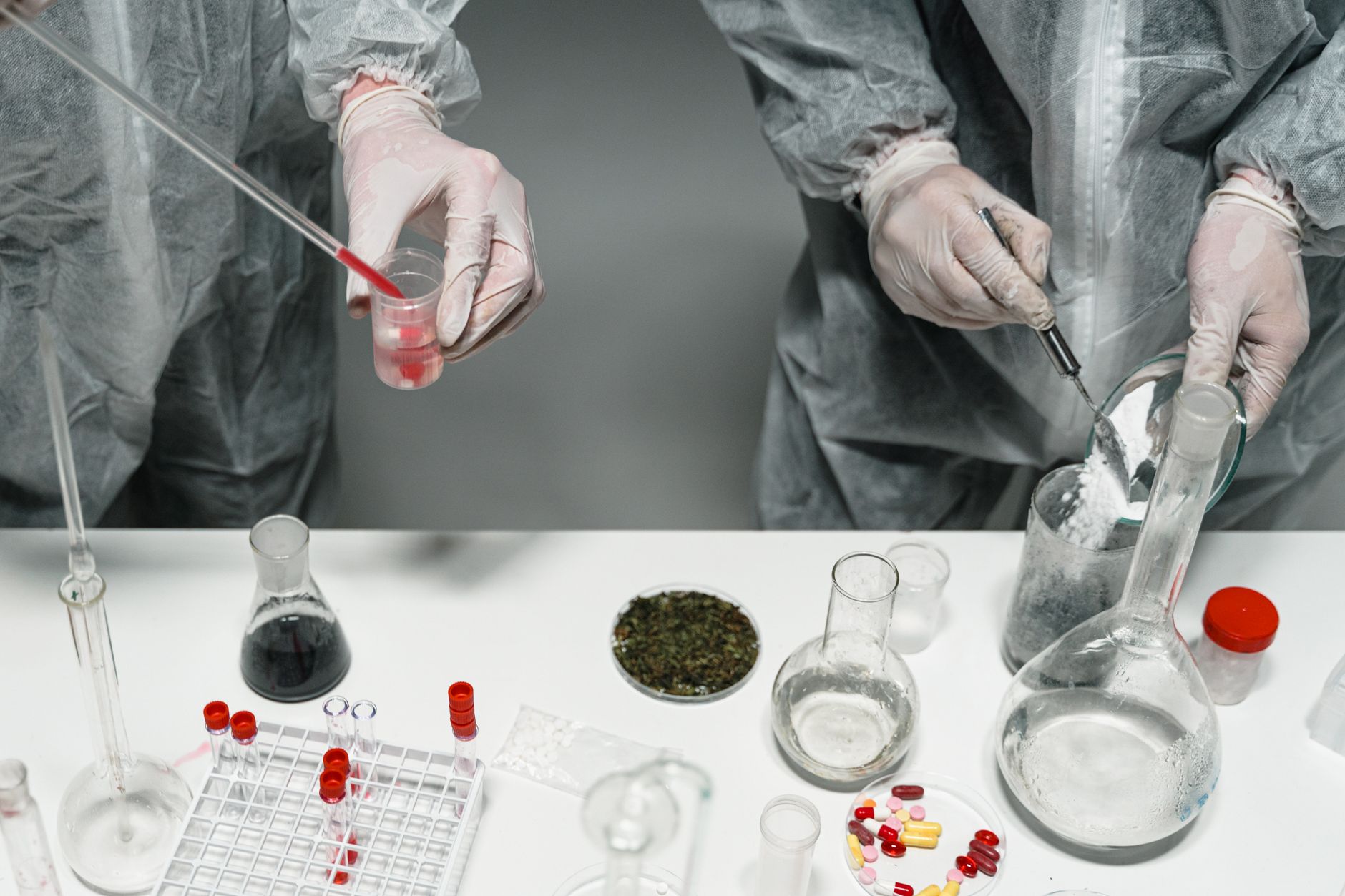
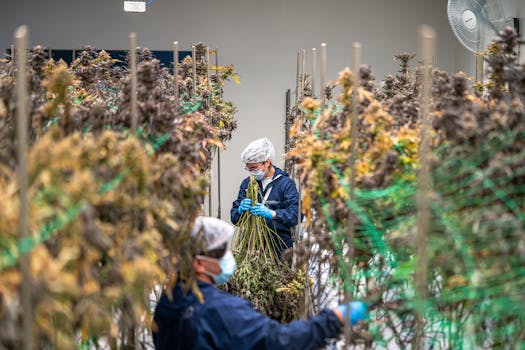 Photo: Diego Barros / Pexels
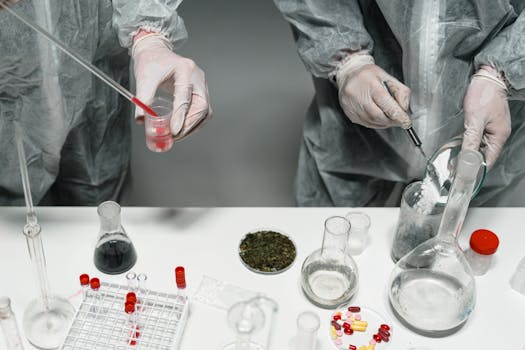 Photo: MART PRODUCTION / Pexels
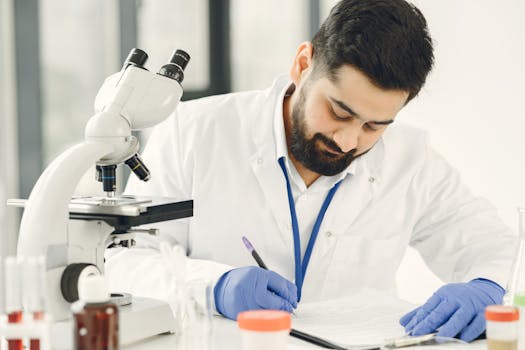 Photo: Gustavo Fring / Pexels
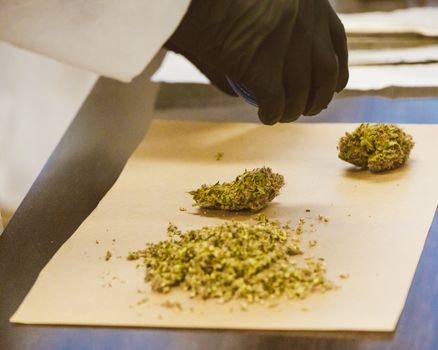 Photo: Jess Loiterton / Pexels