Understanding California Cannabis Delivery Costs
July 29, 2026 15 min read 3,000 words
Uncover the true cost of getting your cannabis delivered to your doorstep in the Golden State.
Calculate Your Savings
The Complex Landscape of Cannabis Pricing in California
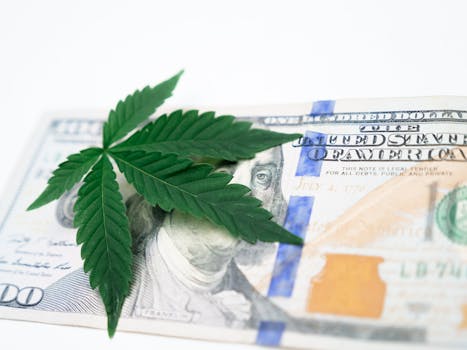 Photo: Kindel Media / Pexels
Navigating the world of cannabis delivery in California can feel like deciphering a complex code, especially when it comes to understanding the final cost. It’s not as simple as just the price tag on the product; a myriad of factors contribute to the total amount you’ll pay, from various taxes to dynamic delivery fees. For consumers, this opacity can be frustrating, making it difficult to budget or even compare prices effectively between different services. The Golden State, while a pioneer in cannabis legalization, also has one of the most intricate regulatory and tax structures for the industry, directly impacting the end-user's wallet.
At its core, the cost of cannabis delivery in California can be broken down into three primary components: the base price of the product, state and local taxes, and delivery-specific charges. Each of these components has its own nuances and variables. The base price of the product itself can fluctuate widely based on factors like strain rarity, potency, brand reputation, and cultivation methods. A premium, organically grown flower from a renowned cultivator will naturally command a higher price than a mass-produced, value-tier product. Similarly, concentrates and edibles often have different price points per milligram of THC compared to flower. Understanding these base prices is the first step, but it’s far from the full picture.
Then come the taxes, which are arguably the most significant and often least understood additions to the final bill. California imposes several layers of taxes on cannabis. There's the state excise tax, which is a percentage of the average market price of the cannabis product. This tax is levied at the distributor level but is ultimately passed down to the consumer. Additionally, cannabis products are subject to California's standard sales tax, which varies by county and city but generally hovers around 7.25% to 10.25%. Beyond these state-mandated taxes, many cities and counties in California also impose their own local cannabis business taxes. These local taxes can be based on gross receipts or a per-ounce basis and can add anywhere from 1% to 15% or more to the overall cost. The cumulative effect of these taxes can be substantial, often adding 20% to 40% to the product's base price. This multi-layered taxation system is a major reason why cannabis prices in California are often perceived as high compared to other legal states.
Finally, delivery fees and service charges complete the cost puzzle. These fees cover the operational expenses of the delivery service, including driver wages, fuel, vehicle maintenance, insurance, and technological infrastructure. Delivery fees can be fixed, distance-based, or even waived for orders above a certain threshold. Some services might also include a small service charge to cover payment processing or platform maintenance. The interplay of these three cost components—product price, taxes, and delivery fees—creates a dynamic and often unpredictable final total. Consumers must be diligent in reviewing their order summaries before confirming purchases to fully grasp the
total cannabis cost. It's not uncommon for a $100 product to end up costing $130-$150 after all taxes and fees are applied, depending on your specific location within California. This complex pricing structure underscores the importance of being an informed consumer and actively seeking transparency from your chosen delivery service.
Unpacking Delivery Fees and Service Charges: What You Need to Know
 Photo: Kindel Media / Pexels
Beyond the product cost and the labyrinth of taxes, the specific fees associated with getting your cannabis delivered directly to your door represent another significant component of Understanding California Cannabis Delivery Costs. These delivery and service charges are not standardized across the board; they vary considerably depending on the dispensary or delivery platform you choose, your geographical location, the size of your order, and even the time of day you place it. Being aware of these variables can empower you to make more cost-effective decisions and avoid unexpected surcharges.
One common model for delivery fees is a flat rate. Some dispensaries or delivery services might charge a fixed fee, say $5, $10, or $15, for every delivery within their service area. This model offers predictability, but it might not always be the most economical option, especially for smaller orders. For instance, a $10 delivery fee on a $30 order represents a much higher percentage of the total cost than the same fee on a $150 order. Other services employ a distance-based fee structure, where the delivery charge increases with the mileage between the dispensary and your location. This is particularly prevalent in a large state like California, where delivery zones can be expansive. If you're ordering from a dispensary across town, expect to pay more in delivery fees than if you're ordering from one just a few miles away.
Many delivery services also offer incentives to waive or reduce delivery fees. The most common incentive is a minimum order threshold. If your purchase exceeds a certain dollar amount (e.g., $75, $100, or $150), the delivery fee might be waived entirely. This encourages larger purchases and can be a great way to save money if you're planning to stock up or combine orders with friends. It's always worth checking a dispensary's policy on minimums for free delivery. Additionally, some services might offer promotional periods with reduced or free delivery, especially for first-time customers or during special events. Signing up for newsletters or following your preferred dispensaries on social media can help you catch these deals.
Another aspect to consider is the potential for service charges or 'convenience fees.' While distinct from delivery fees, these are sometimes bundled in or appear as separate line items. These charges typically cover operational costs like payment processing, platform maintenance, or administrative overhead. While usually smaller than delivery fees, they still contribute to the overall cost. It's crucial to review the full breakdown of charges before confirming your purchase. Some platforms are more transparent than others, so always look for a detailed invoice or cart summary that itemizes all fees, taxes, and product costs. Understanding whether a delivery fee is a fixed cost, distance-dependent, or waivable based on order size is key to managing your cannabis budget effectively in California. Don't hesitate to compare the fee structures of several licensed delivery services in your area before making a decision.
See also: MJ420.
Strategies for Saving: Navigating California Cannabis Delivery Smartly
 Photo: Kindel Media / Pexels
With the various layers of costs associated with cannabis delivery in California, it’s natural for consumers to seek strategies to maximize their value and minimize their expenses. Being a smart shopper in the CA cannabis market involves more than just looking for the lowest product price; it requires a holistic approach to understanding and leveraging the different components of the total cost. By employing a few key strategies, you can significantly reduce your overall expenditure on delivered cannabis products.
One of the most effective strategies is to compare prices across multiple licensed dispensaries and delivery platforms. Just as you wouldn't buy groceries from the first store you walk into without checking prices elsewhere, the same principle applies to cannabis. Many online platforms allow you to input your address and browse menus from various licensed delivery services operating in your area. Pay close attention not only to product prices but also to their tax estimations and delivery fee structures. Some dispensaries might have slightly higher product prices but offer free delivery with a lower minimum, while others might have lower product prices but higher delivery fees or local taxes. A comprehensive comparison can reveal the true best deal for your specific order.
Another powerful saving strategy is to take advantage of first-time customer discounts and loyalty programs. Many dispensaries and delivery services offer enticing promotions to new customers, often including a percentage off your first order, a free product, or waived delivery fees. If you're new to a particular service, always look for these introductory offers. Furthermore, if you find a delivery service you like, inquire about their loyalty or rewards programs. These programs typically allow you to earn points for every dollar spent, which can then be redeemed for discounts, exclusive products, or free deliveries in the future. Over time, these loyalty benefits can add up to substantial savings, making it worthwhile to stick with a trusted provider.
Bulk buying or planning your purchases can also lead to significant savings. As mentioned earlier, many services waive delivery fees for orders exceeding a certain minimum. If you're a regular cannabis consumer, consider consolidating your purchases into larger, less frequent orders to meet these minimums and avoid multiple delivery charges. This is especially beneficial if you have a reliable storage solution to maintain product freshness. Additionally, keep an eye out for daily deals, weekly specials, and holiday promotions. Many dispensaries offer specific product discounts on certain days or during special events. Subscribing to their email lists or following their social media channels will ensure you're alerted to these time-sensitive offers. For more insights into navigating the market, explore resources on
California cannabis regulations.
Finally, factor in the local tax variations. While state taxes are uniform, local cannabis taxes can differ significantly from one city or county to another. If you live near a county or city border, it might be worth checking if a licensed delivery service from a neighboring jurisdiction has lower local taxes and still delivers to your address. This might require a bit more research but can result in noticeable savings on larger purchases. By combining these strategies—comparing prices, utilizing discounts and loyalty programs, buying in bulk, and considering local tax differences—you can become a more savvy consumer and significantly reduce your Understanding California Cannabis Delivery Costs.
Common Mistakes to Avoid When Ordering Cannabis Delivery in CA
 Photo: Sadi Hockmuller / Pexels
Ordering cannabis for delivery in California offers unparalleled convenience, but it's easy to overlook crucial details that can impact your experience and your wallet. Avoiding common pitfalls can ensure a smoother, more cost-effective, and compliant transaction. Being prepared and informed is your best defense against unexpected charges or delivery issues.
One of the most frequent mistakes is failing to thoroughly review the order summary before checkout. Many consumers focus solely on the product price, only to be surprised by the final total once taxes, delivery fees, and service charges are added. Always take a moment to examine the itemized breakdown. This includes checking for correct product quantities, verifying the delivery address, and scrutinizing all listed fees. If something looks off, don't hesitate to contact customer service before confirming your order. Transparency varies among platforms, so make it your responsibility to understand every line item.
Another common error is neglecting to verify the delivery service's license. In California, cannabis delivery services must be licensed by the Department of Cannabis Control (DCC). Using unlicensed services not only puts you at risk of receiving unregulated, potentially unsafe products but also supports the illicit market. Always look for proof of licensure on the dispensary or delivery platform's website. A legitimate service will proudly display its license number and provide verifiable information. If a deal seems too good to be true, it often is, and it could be coming from an unregulated source.
Underestimating delivery times and driver availability is also a mistake. While delivery is convenient, it's not always instantaneous. High demand periods, traffic, and driver routes can all affect delivery windows. Placing an order at the last minute for an immediate need can lead to disappointment. Plan ahead, especially during peak hours, weekends, or holidays. Additionally, some services have specific operating hours or may not deliver to certain remote areas. Confirming their service radius and typical delivery times upfront can prevent frustration.
Finally, overlooking ID requirements is a significant pitfall. California law mandates that all cannabis deliveries require strict age verification. You must be 21 years or older and present a valid, unexpired government-issued ID (e.g., driver's license, state ID, passport) to the delivery driver at the time of delivery. They will often scan or visually verify your ID. Failing to have your ID ready, or presenting an expired or invalid one, will result in the driver being unable to complete the delivery, and you may still be charged for a delivery attempt or a restocking fee. Be prepared to show your ID every single time. By being mindful of these common mistakes, you can ensure a seamless and satisfying cannabis delivery experience in California, avoiding unnecessary costs and complications.
