What is CBD Oil California? Your Definitive Guide
what is CBD oil California

What is CBD Oil California? Your Definitive Guide

Explore the world of CBD oil in California, from legalities to health benefits, and make informed choices for your well-being.

Explore CBD Options

Key Takeaways

  • ✓ CBD is legal in California, derived from hemp with less than 0.3% THC.
  • ✓ California has specific regulations for CBD product labeling and testing.
  • ✓ CBD is non-intoxicating and interacts with the endocannabinoid system.
  • ✓ Consumers should look for third-party lab tested products for purity and potency.

How It Works

1
Understand the Basics

Familiarize yourself with what CBD is, its origins (hemp vs. cannabis), and the key differences between full-spectrum, broad-spectrum, and isolate products. This foundational knowledge is crucial for navigating the California market.

2
Navigate California's Regulations

Learn about the specific laws governing CBD production, sale, and consumption in California. Understand the labeling requirements, testing standards, and what types of CBD products are permitted for sale within the state.

3
Identify Quality Products

Discover how to distinguish high-quality CBD oil from inferior options. This includes checking for third-party lab reports (Certificates of Analysis), understanding extraction methods, and scrutinizing ingredient lists for purity and absence of contaminants.

4
Choose the Right Product & Dosage

Based on your individual needs and preferences, select the appropriate CBD product type (tinctures, edibles, topicals) and determine a suitable starting dosage. Consulting with a healthcare professional is always recommended, especially for specific health concerns.

Understanding CBD Oil in the Golden State: A Comprehensive Overview
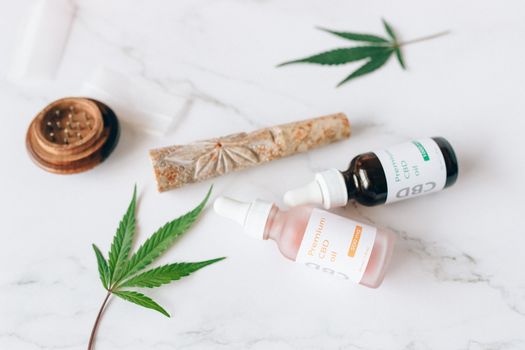
Flat lay of CBD oil dropper bottles and hemp leaves on a marble surface. Photo: Nataliya Vaitkevich / Pexels
California, a pioneering state in cannabis legislation, has a unique and evolving landscape for CBD oil. To truly understand what is CBD oil California, we must first grasp the fundamental nature of cannabidiol (CBD) itself. CBD is one of over 100 cannabinoids found in the cannabis plant. Unlike its more famous cousin, tetrahydrocannabinol (THC), CBD is non-intoxicating, meaning it won't produce the 'high' associated with marijuana. This distinction is paramount, especially when discussing its legality and widespread acceptance. In California, the legality of CBD largely hinges on its source. CBD derived from industrial hemp, which by federal law (the 2018 Farm Bill) must contain less than 0.3% Delta-9 THC, is legal for sale and consumption. This federal framework was a game-changer, effectively descheduling hemp and its derivatives from the Controlled Substances Act. California quickly aligned with these federal guidelines, further establishing its own robust regulatory framework. The state's Department of Public Health (CDPH) has been instrumental in shaping how CBD products are manufactured, labeled, and sold, particularly concerning their inclusion in food, beverages, and dietary supplements. This regulatory environment aims to protect consumers by ensuring product safety, accurate labeling, and preventing misleading health claims. For consumers in California, this means a wide array of CBD products are readily available, from tinctures and edibles to topicals and capsules. However, the sheer volume of options can be overwhelming, necessitating a clear understanding of what to look for. Quality and transparency are key. Reputable brands operating in California adhere to strict manufacturing practices, often providing Certificates of Analysis (CoAs) from independent third-party laboratories. These CoAs verify the product's cannabinoid profile (confirming THC levels are below the legal limit and CBD content is as advertised), and test for contaminants such as pesticides, heavy metals, and residual solvents. The demand for CBD in California stems from a growing public interest in its potential wellness benefits. Users report incorporating CBD into their routines for a variety of reasons, including managing everyday stress, supporting restful sleep, and alleviating muscle discomfort. It's important to note that while anecdotal evidence is plentiful, scientific research into CBD's full therapeutic potential is ongoing and continuously expanding. California, with its progressive stance on cannabis research, is often at the forefront of these studies, contributing valuable data to the global understanding of cannabinoids. Navigating the world of CBD in California also involves understanding the different types of CBD extracts. Full-spectrum CBD contains all the naturally occurring compounds of the hemp plant, including other cannabinoids (like CBN, CBG), terpenes, and trace amounts of THC (under 0.3%). This is often preferred by those seeking the 'entourage effect,' a theory suggesting that these compounds work synergistically to enhance CBD's benefits. Broad-spectrum CBD is similar but has had all detectable THC removed. CBD isolate, on the other hand, is pure CBD, with all other plant compounds removed. Each type offers a distinct experience, and the choice often comes down to individual preference and specific needs. Understanding these nuances is crucial for any consumer exploring cannabis-derived products in the state. The California market, therefore, offers a sophisticated ecosystem for CBD, blending federal legality with state-specific oversight to provide a diverse range of products for its discerning populace.

California's Legal Landscape: Navigating CBD Regulations and Compliance
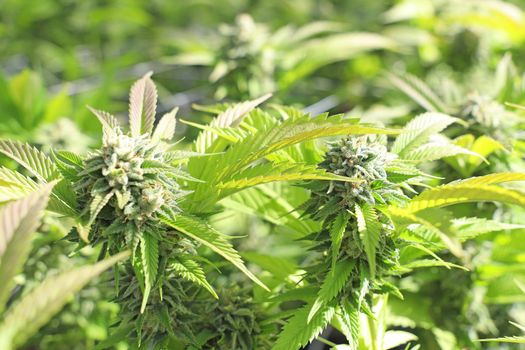
Vibrant close-up of cannabis plants in a sunny California field, showcasing lush leaves and buds. Photo: Cannafornia / Pexels
The legal framework surrounding what is CBD oil California is both progressive and complex, reflecting the state's long history with cannabis. While the 2018 Farm Bill federally legalized hemp-derived CBD with less than 0.3% THC, California has gone a step further to establish its own intricate regulatory system. Initially, there was some ambiguity regarding CBD's inclusion in food and beverages, but recent legislative developments have clarified these issues. Assembly Bill 45 (AB 45), signed into law in 2021, explicitly permits the sale of hemp-derived CBD products, including those infused in food, beverages, and cosmetics, provided they meet specific manufacturing, testing, and labeling requirements. This bill was a significant victory for the California CBD industry, providing much-needed clarity and opening up new avenues for businesses and consumers alike. Under AB 45, the California Department of Public Health (CDPH) is tasked with establishing and enforcing comprehensive regulations for hemp-derived products. These regulations cover everything from cultivation and processing standards to product testing, labeling, and advertising. For instance, all CBD products sold in California must be clearly labeled with the total amount of CBD per serving, the amount of THC (if any), a list of ingredients, and a scannable QR code linking to the product's Certificate of Analysis (CoA). This commitment to transparency is designed to empower consumers to make informed choices and ensure they are purchasing safe and accurately labeled products. Furthermore, California's regulations are particularly stringent when it comes to contaminants. Products must undergo rigorous third-party lab testing to ensure they are free from heavy metals, pesticides, residual solvents, and microbial impurities. This emphasis on safety and quality control sets a high bar for CBD manufacturers operating in the state, often exceeding federal requirements. Companies that fail to comply with these standards face penalties, reinforcing the importance of adherence to the law. It's also crucial to distinguish between hemp-derived CBD and CBD derived from cannabis (marijuana) with higher THC content. While both are legal in California, they fall under different regulatory schemes. Hemp-derived CBD is regulated similarly to other consumer products, whereas cannabis-derived CBD (and other cannabis products) is regulated under the Medicinal and Adult Use Cannabis Regulation and Safety Act (MAUCRSA), overseen by the Department of Cannabis Control (DCC). This distinction primarily impacts where these products can be sold. Hemp-derived CBD can be found in a wider range of retail outlets, including health food stores, pharmacies, and online, while cannabis-derived CBD is typically sold in licensed dispensaries. Understanding these nuances is vital for both consumers and businesses operating in the California CBD market. The state's proactive approach to regulation aims to foster a safe, transparent, and thriving CBD industry, making it a benchmark for other states to follow.

Choosing Quality: Essential Tips for Buying CBD Oil in California
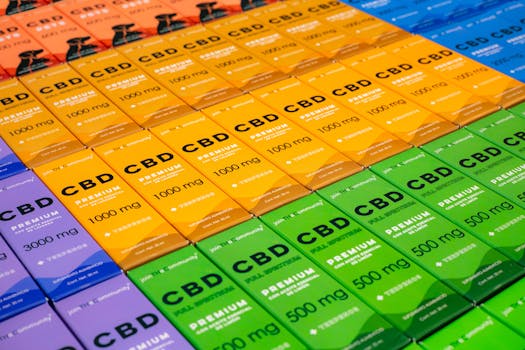
Multi-colored CBD product boxes arranged neatly in a retail display in Mexico City. Photo: Saul Rivera / Pexels
With the abundance of options for what is CBD oil California, selecting a high-quality product can feel daunting. However, armed with the right knowledge, consumers can confidently navigate the market. The most critical factor in identifying premium CBD oil is the availability and transparency of third-party lab testing. Reputable brands will always provide a Certificate of Analysis (CoA) for each batch of their products. This document, generated by an independent, accredited laboratory, details the cannabinoid profile, confirming the precise amounts of CBD, THC (ensuring it's below 0.3%), and other cannabinoids. Crucially, the CoA also reports on the absence of contaminants like pesticides, heavy metals, residual solvents, and mold. Always look for a QR code on the product packaging that links directly to the CoA, or check the brand's website for easy access. If a company does not provide this information, it's a significant red flag and reason to look elsewhere. Another key consideration is the source of the hemp. High-quality CBD oil starts with high-quality hemp. In California, many reputable brands source their hemp from licensed farms within the state or from other states with well-regulated hemp programs, such as Colorado or Oregon. Look for products that specify their hemp is organically grown and free from pesticides and herbicides. The method of extraction also plays a significant role in the purity and potency of the final product. CO2 extraction is widely considered the gold standard, as it uses pressurized carbon dioxide to separate CBD from the plant material, resulting in a clean, solvent-free extract. Other methods, like ethanol extraction, can also be effective but may leave behind trace amounts of solvents if not performed correctly. Understanding the different types of CBD extracts – full-spectrum, broad-spectrum, and isolate – is also essential for making an informed choice. Full-spectrum CBD contains all the naturally occurring compounds of the hemp plant, including terpenes, flavonoids, and trace amounts of THC. This type is often favored for the 'entourage effect,' where these compounds are believed to work synergistically to enhance the therapeutic benefits of CBD. Broad-spectrum CBD offers a similar profile but has had all detectable THC removed, making it suitable for those who want to avoid THC entirely. CBD isolate is pure CBD, with all other plant compounds stripped away. Your choice depends on your personal preferences and whether you are subject to drug testing, where even trace amounts of THC in full-spectrum products could potentially accumulate and be detected. Finally, pay attention to the ingredients list. Quality CBD oil should have a minimal number of ingredients, primarily CBD extract and a carrier oil (like MCT oil, hemp seed oil, or olive oil). Avoid products with artificial flavors, colors, or unnecessary additives. The concentration of CBD per serving should also be clearly stated, allowing you to accurately dose and compare products. Don't be swayed by extravagant claims; focus on transparency, third-party testing, and a clear understanding of what you are putting into your body. By following these guidelines, you can confidently select a safe and effective CBD product that aligns with your wellness goals in California.

Maximizing Your CBD Experience: Dosage, Application, and Common Mistakes
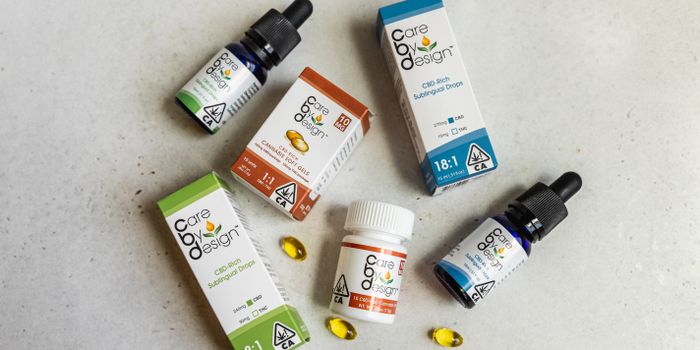
High-quality CBD products in bottles and boxes on a neutral background, ideal for wellness concepts. Photo: Elsa Olofsson / Pexels
Once you've chosen a high-quality CBD oil in California, the next step is to understand how to use it effectively. Proper dosage and application methods are crucial for maximizing its potential benefits. There isn't a universal 'correct' dose for CBD, as it varies significantly based on individual factors like body weight, metabolism, the severity of the condition being addressed, and the product's potency. A common recommendation is to 'start low and go slow.' Begin with a small dose, perhaps 5-10 mg per day, and gradually increase it every few days until you find the optimal amount that provides the desired effects. Keeping a journal to track your dosage, the time of day you take it, and the effects you experience can be incredibly helpful in this process. CBD oil can be consumed in various ways. Tinctures, which are drops administered sublingually (under the tongue), are popular for their relatively fast absorption rate. Holding the oil under your tongue for 60-90 seconds allows it to be absorbed directly into the bloodstream through the capillaries, bypassing the digestive system. Edibles, such as gummies or capsules, offer a convenient and discreet way to consume CBD, but they have a slower onset of action as the CBD must pass through the digestive system and liver. Topicals, including creams and balms, are applied directly to the skin for localized relief, making them ideal for muscle soreness or skin conditions. Each method has its own absorption characteristics and onset times, so choosing the right application depends on your specific needs and preferences. When it comes to common mistakes, one of the biggest is inconsistency. CBD works best when taken regularly, allowing it to build up in your system and interact consistently with your endocannabinoid system. Skipping doses or taking it sporadically might lead to less noticeable effects. Another mistake is expecting immediate, dramatic results. While some people experience rapid relief, for many, the benefits of CBD are more subtle and accumulate over time. Patience is key. Here are some common mistakes to avoid: * **Not checking third-party lab reports:** Always verify the product's contents and purity. * **Ignoring the 'start low, go slow' rule:** Rushing to a high dose can be wasteful and might not be necessary. * **Having unrealistic expectations:** CBD is not a magic cure-all; its effects can be subtle and vary by individual. * **Not considering drug interactions:** If you are on other medications, consult a doctor before using CBD, as it can interact with certain drugs. * **Purchasing from unverified sources:** Stick to reputable brands with transparent practices to ensure safety and efficacy. * **Misunderstanding product types:** Know the difference between full-spectrum, broad-spectrum, and isolate to choose what's best for you. By being mindful of these factors, you can significantly enhance your CBD experience in California, ensuring you get the most out of your chosen product and avoid common pitfalls.

Comparison

FeatureFull-Spectrum CBDBroad-Spectrum CBDCBD Isolate
THC Content<0.3%0.0%0.0%
Cannabinoid ProfileFull Plant ProfileMost Cannabinoids (No THC)Pure CBD
Entourage EffectStrong PotentialModerate PotentialNo
Drug Test RiskPossibleVery LowNone
Cost (Avg.)HigherMediumLower

What Readers Say

"I was overwhelmed by all the CBD options in California, but this guide truly helped me understand what to look for. The full-spectrum oil I chose has been a game-changer for my evening routine, helping me unwind after long days."

Sarah J. · Los Angeles, CA

"As someone who travels for work, I needed to understand the legalities of what is CBD oil California. This article broke it down perfectly, giving me peace of mind when purchasing local products."

David P. · San Francisco, CA

"Following the advice on checking third-party lab reports led me to a fantastic broad-spectrum CBD oil. My persistent muscle discomfort has significantly improved, allowing me to enjoy my daily walks again."

Emily R. · San Diego, CA

"The information on dosage was really helpful. I started low and slowly increased, and while it took a few weeks, I definitely feel a subtle but positive difference in my overall well-being. Just wish the effects were a bit faster sometimes."

Mark T. · Sacramento, CA

"I've tried a few different CBD brands, but this guide's emphasis on California-specific regulations and quality sourcing helped me find a local brand that I trust implicitly. Their tinctures are top-notch for managing daily stresses."

Jessica L. · Oakland, CA

Frequently Asked Questions

Is CBD oil legal in California?

Yes, CBD oil derived from industrial hemp containing less than 0.3% Delta-9 THC is legal in California, thanks to the 2018 Farm Bill and California's own Assembly Bill 45. The state has established clear regulations for its production, testing, and sale, ensuring consumer safety and product quality.

Will CBD oil make me high?

No, CBD oil, especially hemp-derived products containing less than 0.3% THC, is non-intoxicating and will not produce a 'high.' THC is the cannabinoid responsible for the psychoactive effects associated with cannabis. Full-spectrum CBD products contain only trace amounts of THC, insufficient to cause intoxication.

How do I choose a good CBD oil in California?

To choose a good CBD oil, prioritize products with easily accessible third-party lab reports (Certificates of Analysis) that verify cannabinoid content and test for contaminants. Look for organically grown hemp, CO2 extraction methods, and clear labeling of CBD concentration and ingredients. Reputable California brands adhere to these standards.

How much does CBD oil cost in California?

The cost of CBD oil in California varies widely depending on factors like potency, product type, brand, and quality. Prices can range from $20-$150+ for a standard 30ml bottle. Generally, higher potency, full-spectrum, and premium organic products tend to be more expensive, reflecting the quality of ingredients and rigorous testing.

Is CBD oil different from medical marijuana in California?

Yes, CBD oil, particularly hemp-derived, is distinct from medical marijuana. Hemp-derived CBD contains minimal THC (under 0.3%) and is legal for general purchase. Medical marijuana, while also legal in California with a recommendation, typically has higher THC levels and is regulated under different laws and sold through licensed dispensaries.

Who should use CBD oil in California?

Individuals seeking natural support for general wellness, stress management, improved sleep, or localized discomfort might consider using CBD oil. It's often chosen by those looking for the potential benefits of cannabinoids without the psychoactive effects of THC. Always consult a healthcare professional before starting any new supplement, especially if you have existing health conditions or are taking other medications.

Are there any side effects of using CBD oil?

CBD is generally well-tolerated, but some individuals may experience mild side effects such as dry mouth, drowsiness, or digestive upset. These are often dose-dependent. It's also important to be aware that CBD can interact with certain medications, so consulting a doctor is advisable before use.

What are the future trends for CBD oil in California?

The future of CBD oil in California points towards continued regulatory refinement, increased product innovation (e.g., specialized cannabinoid blends, advanced delivery systems), and a greater emphasis on scientific research to substantiate health claims. We can expect even higher standards for transparency and quality as the market matures and consumer education grows.

Understanding what is CBD oil California empowers you to make informed decisions for your wellness journey. Explore the diverse range of high-quality, legally compliant CBD products available and embark on a path to enhanced well-being today.

Topics: what is CBD oil CaliforniaCalifornia CBD lawsCBD benefits Californiabuy CBD oil CAhemp derived CBD California
Leo List
Brampton weed
Adultwork EstrelaBet Vai de Bet R7 Bet Betão Galera Bet Rainbet Bet9ja Shop SportyBet BetKing Sisal Loto Foot Hollywoodbets YesPlay Odibets RushBet Jugabet BetWarrior BetCity MSport betPawa Fortebet